A complete guide to cat sneezing: common causes (URIs, irritants, dental issues), safe home care steps, what not to do, and clear red flags for urgent vet care.
Article
•
Designer Mixes
Why Does My Cat Sneeze?

Shari Shidate
Designer Mixes contributor
If your cat sneezes once in a while, it can be totally normal, just like us. But repeated sneezing, new nasal discharge, or sneezing along with other symptoms usually means something is irritating or inflaming the upper airways.
As a veterinary assistant, I like to start with a simple question: Is this an occasional, “random sneeze,” or a pattern? This guide will help you sort out what’s common, what’s urgent, and what you can safely do at home.
Quick note: This article is educational and not a substitute for a veterinary exam and diagnosis.
Common reasons cats sneeze
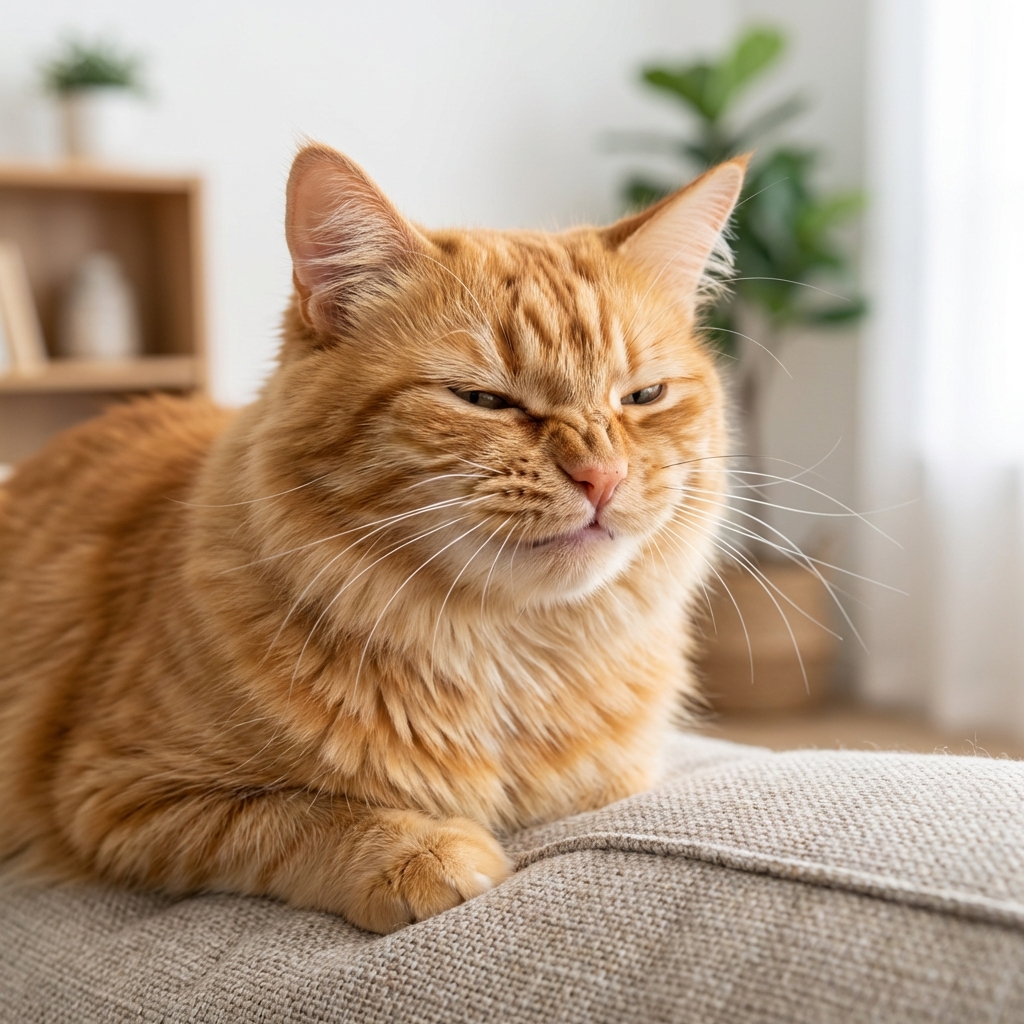
Most sneezing falls into two common buckets: infection or irritation. That said, structural problems (like polyps), dental disease, and less common conditions (like fungal disease or cancer) can also be involved, especially when signs are persistent or one-sided.
1) Upper respiratory infections (cat colds)
This is the big one. Many “cat colds” are caused by viruses such as feline herpesvirus (FHV-1) or feline calicivirus, sometimes with secondary bacterial infections. These viruses are especially common in cats who were adopted from shelters, multi-cat homes, or any place with close contact.
- What you may notice: sneezing fits, watery or thick nasal discharge, congestion, squinty eyes, eye discharge, reduced appetite (often from not being able to smell), low energy.
- Important note: herpesvirus can flare during stress, so symptoms can come and go.
2) Allergies or environmental irritants
Cats can react to things in the air or on surfaces. Even if it is not a true allergy, irritation can still trigger sneezing.
- Dusty litter, fragrance-heavy litter
- Perfumes, room sprays, essential oils (especially concentrated oils and diffusers)
- Smoke (cigarettes, candles, fireplace)
- Cleaning products and aerosols
- Pollen or seasonal changes
3) Dental disease
Inflammation or infection around the upper teeth can affect the nasal passages because the roots of some teeth sit very close to the sinuses. In some cats, sneezing and nasal discharge are the first clues that a dental problem is brewing. A tooth root abscess or an oronasal fistula (an abnormal connection between the mouth and nose) can also cause nasal signs, and it is often worse on one side.
- Clues: bad breath, drooling, pawing at the mouth, chewing on one side, not wanting crunchy food, discharge that seems mostly from one nostril.
4) Foreign material in the nose
A blade of grass, seed, or tiny debris can trigger sudden, intense sneezing. This is more common in cats who spend time outdoors.
- Clues: sudden onset, frequent sneezing in bursts, pawing at the face, discharge from one nostril, gagging.
5) Polyps, chronic inflammation, or other growths
Benign polyps (especially in younger cats) or other nasal issues can cause ongoing sneezing and congestion. In older cats, a persistent one-sided nasal discharge, nosebleeds, or facial changes are reasons to investigate more seriously.
- Clues: chronic congestion, noisy breathing through the nose, snoring, recurring symptoms that do not fully resolve, one-sided discharge, occasional nosebleeds.
6) Vaccine-related sneezing
Some intranasal vaccines can cause mild sneezing and nasal discharge for 1 to 3 days. If your cat recently received an intranasal vaccine, ask your vet what to expect and when it becomes abnormal.
7) Less common but important causes
These are not the most likely explanations for a short, mild sneeze, but they matter when signs are persistent, severe, or unusual:
- Fungal rhinitis (for example, cryptococcosis in some regions): can cause chronic congestion, discharge, nose swelling, or nosebleeds.
- Nasal tumors: more likely in older cats and may show up as one-sided discharge, nosebleeds, noisy breathing, or facial deformity.
- Nasal parasites (rare): can cause sneezing and irritation, sometimes after outdoor exposure.
When sneezing is an emergency
Sneezing alone is usually not an emergency, but cats can go downhill quickly if they stop eating, struggle to breathe, or get dehydrated.
Seek urgent veterinary care today if you notice any of the following:
- Open-mouth breathing, panting, or obvious trouble breathing
- Blue, gray, or very pale gums
- Severe lethargy, collapse, or weakness
- Not eating for 24 hours (or 12 hours for kittens)
- Not eating sooner than that if your cat has other health issues (like diabetes or kidney disease), is very young, or is acting very unwell
- Thick, worsening discharge (yellow, green, or bloody)
- Swelling of the face, severe eye squinting, or a painful-looking cat
- Frequent gagging or choking behavior (possible foreign material)
Also, prolonged lack of appetite can put some cats at risk for hepatic lipidosis (fatty liver), which is one reason we take anorexia so seriously.
Quick symptom checker
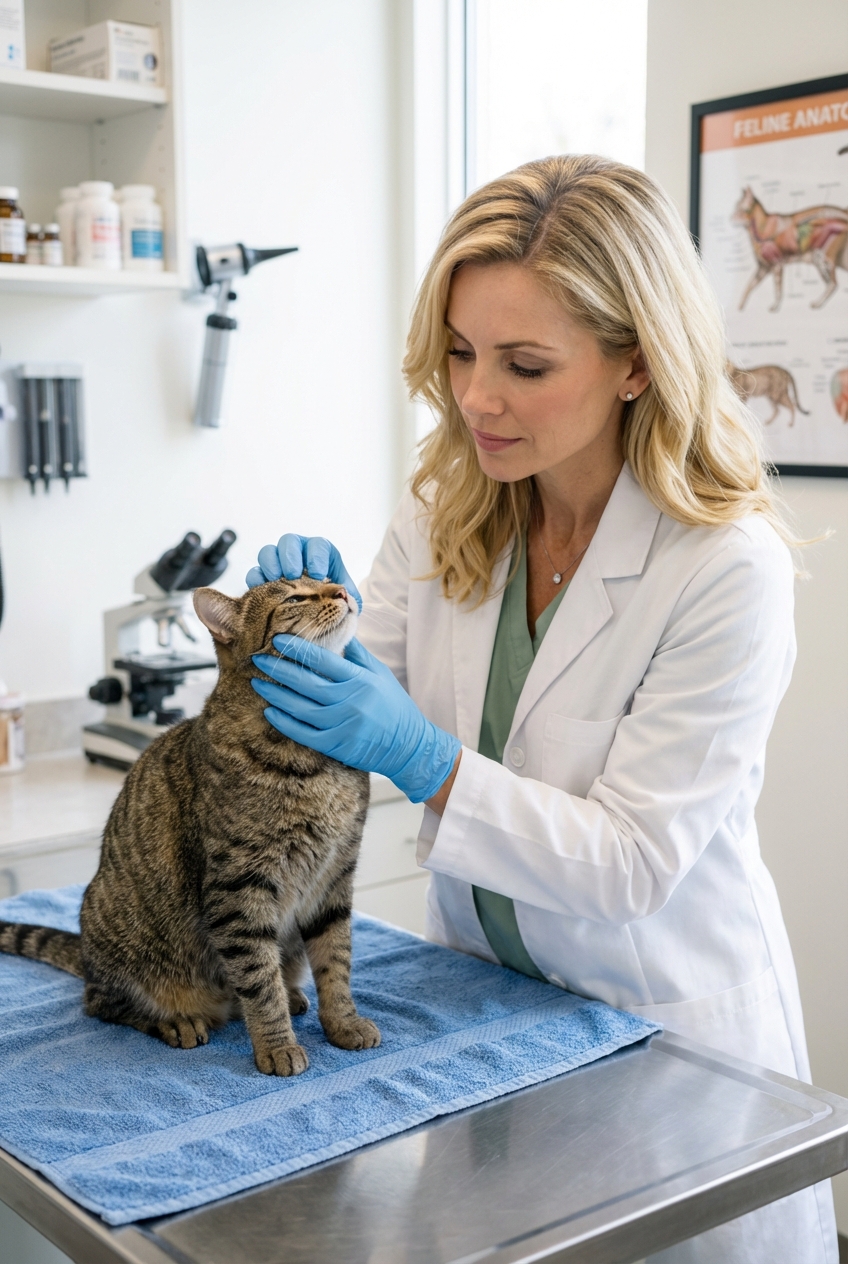
The pattern matters. Here are a few helpful clues to share with your veterinarian.
Occasional sneezing, no discharge
- Often normal or mild irritation
- Consider dusty litter, household sprays, smoke, or seasonal changes
Sneezing plus watery eyes or clear discharge
- Common with viral upper respiratory infections
- Also possible with irritants
Thick discharge (yellow or green)
- Can be seen with significant inflammation from viral infections, and it can also occur with secondary bacterial infection
- A vet exam is a good idea, especially if appetite or energy is down
Only one nostril is involved
- Foreign material, dental disease (including tooth root infection or oronasal fistula), polyp, fungal disease, or other localized issues become more likely
- Worth a prompt vet visit if it persists beyond 24 to 48 hours, or sooner if your cat seems uncomfortable
Sneezing with bad breath or mouth discomfort
- Dental disease moves higher on the list
Sneezing with reduced appetite
- Congestion can make food unappealing because cats rely on smell
- Any ongoing appetite drop deserves attention, especially in overweight cats or cats with other conditions
What you can do at home
If your cat is bright, breathing comfortably, and still eating at least a little, supportive care can help while you monitor closely.
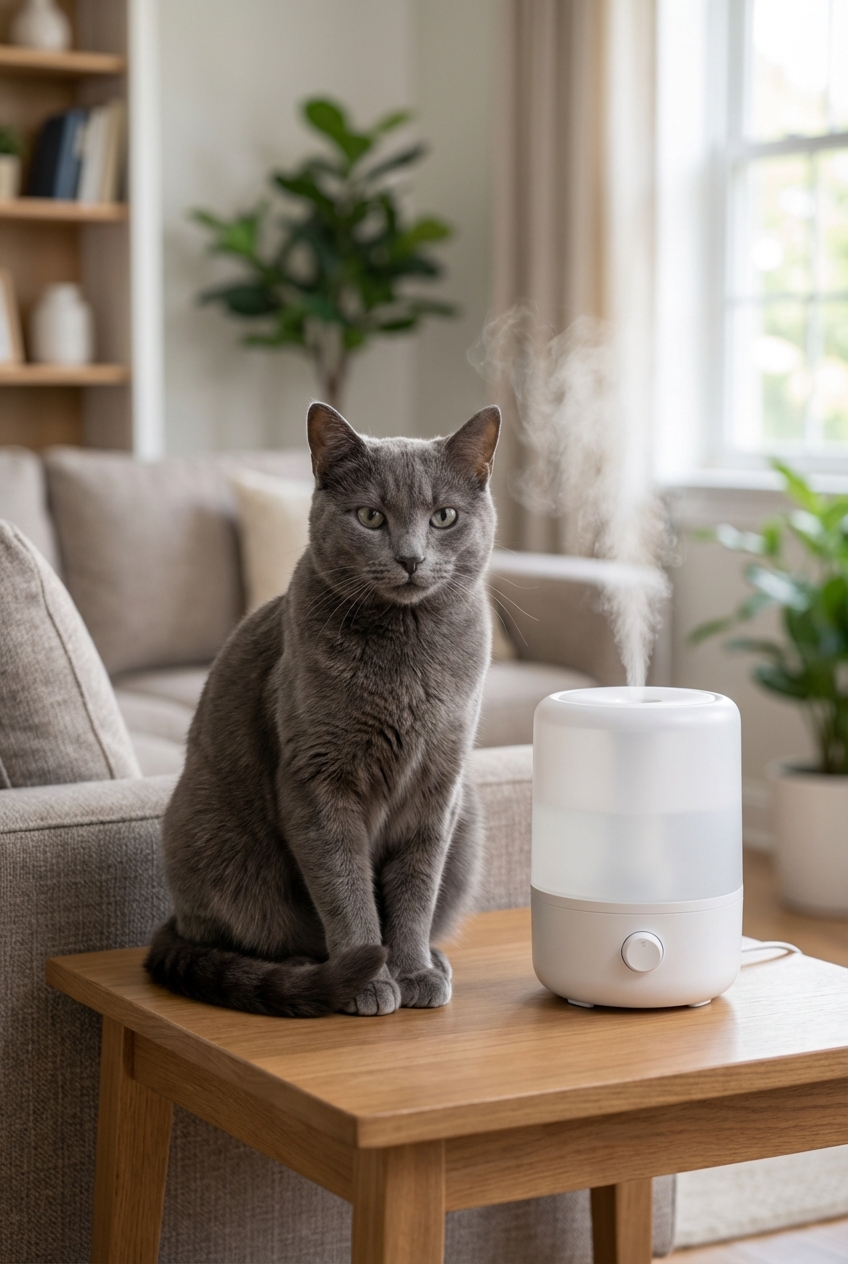
Humidify the air
- Run a cool-mist humidifier near your cat’s resting area.
- Or bring your cat into the bathroom while you run a hot shower for 10 to 15 minutes to create warm steam (do not put your cat in the shower).
- Keep the room comfortably warm, not hot. Do not confine a distressed cat.
Gently clean the nose and eyes
- Use a soft cotton pad with warm water or saline to wipe away crusts.
- Wipe outward, and use a fresh pad for each eye.
Encourage eating and hydration
- Offer warmed wet food to boost smell.
- Try a strongly scented option like fish-based canned food if your vet approves.
- Offer extra water bowls, or consider a pet fountain.
Reduce irritants
- Switch to unscented, low-dust litter.
- Avoid aerosols, incense, smoking indoors, and essential oil products (especially diffusers).
- Use fragrance-free cleaners whenever possible.
What to avoid
- Do not give human cold medicines. Many are toxic to cats.
- Do not start leftover antibiotics. Wrong choices and wrong doses can harm your cat and worsen antibiotic resistance.
- Do not force-feed unless your veterinarian instructs you to.
When to call the vet
Even when things seem mild, timing matters. Call your veterinarian if:
- Signs last more than 5 to 7 days
- Your cat improves, then quickly relapses, or has frequent flare-ups
- Discharge becomes thick, bloody, or foul-smelling
- Sneezing is mostly one-sided
- Your cat is not eating well, seems painful, or is hiding more than usual
If you live with multiple cats and one develops a suspected URI, ask your vet about practical steps to reduce spread, such as separating food and water bowls, cleaning shared surfaces, washing hands between cats, and minimizing close contact until symptoms improve.
What your veterinarian may recommend
A good exam is the fastest way to stop guessing. Your veterinarian will look at the nose, eyes, mouth, and lungs, and may recommend tests depending on how long the sneezing has been going on.
- Physical exam and history: indoor vs outdoor, new pets, recent boarding, vaccine history, litter changes.
- Oral exam: checking for dental disease, inflamed gums, a painful tooth, or signs of an oronasal fistula.
- Eye or nasal swabs: sometimes used for specific testing, especially with recurrent cases.
- Medications: often focus on supportive care. Antibiotics are not always needed for uncomplicated viral infections, but they may be recommended if a secondary bacterial infection is suspected or if your cat is at higher risk.
- Imaging: dental X-rays, skull imaging, or advanced imaging if chronic, one-sided, or unusual signs are present.
If your cat has recurring herpes flares, your vet may discuss long-term management strategies to reduce stress and support immune health.
How to prevent flare-ups
You cannot prevent every sneeze, but you can lower the odds of repeat episodes and help your cat bounce back faster.
- Keep vaccines current (especially in multi-cat homes).
- Schedule dental cleanings as recommended. Dental disease is not just “bad breath,” it can affect the whole body.
- Limit stress with predictable routines, quiet resting areas, and gradual introductions to new pets.
- Improve air quality with low-dust litter and fragrance-free products.
- Quarantine new cats for a period recommended by your veterinarian to reduce spread of respiratory viruses.
Questions to ask your vet
If you are heading in for an appointment, these questions can help you get clear next steps:
- Does this look more viral, bacterial, allergic, dental, or structural?
- Do you see signs of dehydration or weight loss?
- Should we do a dental exam or dental X-rays?
- What symptoms mean I should return immediately?
- How long should I expect recovery to take?
The bottom line
Most cat sneezing is manageable, and many cats recover well with supportive care and a little time. The key is noticing patterns and acting early if breathing, appetite, or energy drops. If you are unsure, a quick call to your veterinarian is always worth it. Sneezing is a symptom, and your cat deserves a clear answer for what is causing it.