A vet-assistant guide to stop cats pooping on the floor: red flags to watch, proper cleaning, a full litter box reset, stress fixes, multi-cat tips, and a 10...
Article
•
Designer Mixes
Why Does My Cat Poop on My Bed?

Shari Shidate
Designer Mixes contributor
If you have ever pulled back the covers and found cat poop on your bed, you know it is equal parts disgusting and heartbreaking. As a veterinary assistant, I want you to know two things: your cat is not doing this “to spite you,” and this is often fixable once you identify the cause.
One quick clarification up front: some people are not sure if they are seeing poop or pee, especially if it is soft stool. If you are seeing urinary signs (frequent trips, straining to pee, peeing tiny amounts, crying in the box), treat that as urgent. Urinary blockages can be life-threatening, especially in male cats.
Cats may choose a bed because it is soft, strongly scented like you, and feels emotionally “safe.” It can also be a simple access issue or a strong preference problem with the litter box. Either way, it is a health and behavior clue worth taking seriously.
First: rule out a medical cause
When a cat starts pooping outside the litter box, a health problem needs to be on the list, especially if the behavior is new, sudden, or paired with diarrhea or straining. Cats also hide discomfort incredibly well.
Common health issues that can lead to bed soiling
- Diarrhea or inflammatory bowel disease (IBD): urgency makes it harder to reach the box in time.
- Constipation: straining and pain can make the litter box feel associated with discomfort.
- Arthritis or mobility pain: jumping into a high-sided box or walking far to the box can be tough, especially for seniors.
- Parasites: intestinal worms and Giardia can cause loose stool and urgency.
- Food intolerance: sudden diet changes, new treats, or rich human food can trigger GI upset.
- Anal gland discomfort or skin irritation: uncommon in cats, but it can happen. You may also notice scooting, excessive licking under the tail, a strong odor, or visible irritation.
- Age-related changes: senior cats can develop cognitive changes, stiffness, or confusion that makes bathroom habits less consistent.
Call your vet promptly if you notice any of these
- Watery diarrhea, blood or mucus in stool
- Straining, crying, or repeated trips with little output
- Vomiting, lethargy, hiding, or reduced appetite
- Weight loss or increased thirst
- Any kitten, senior cat, or chronically ill cat with stool changes
What to bring to the appointment: a fresh stool sample if possible, a list of diet changes, and a short timeline of when the bed pooping started. Photos of the stool can help too, even if it feels a little awkward.
Behavior and environment
If your vet clears medical issues, the good news is that most cases respond well to a few home setup changes. The next step is to look at litter box setup, household stressors, and any recent changes.
1) Litter box setup
This is the big one. Many cats are very particular.
- Too few boxes: aim for one box per cat, plus one extra.
- Boxes all in one place: spread boxes out in multiple locations so a cat cannot “guard” access or trap another cat in a hallway.
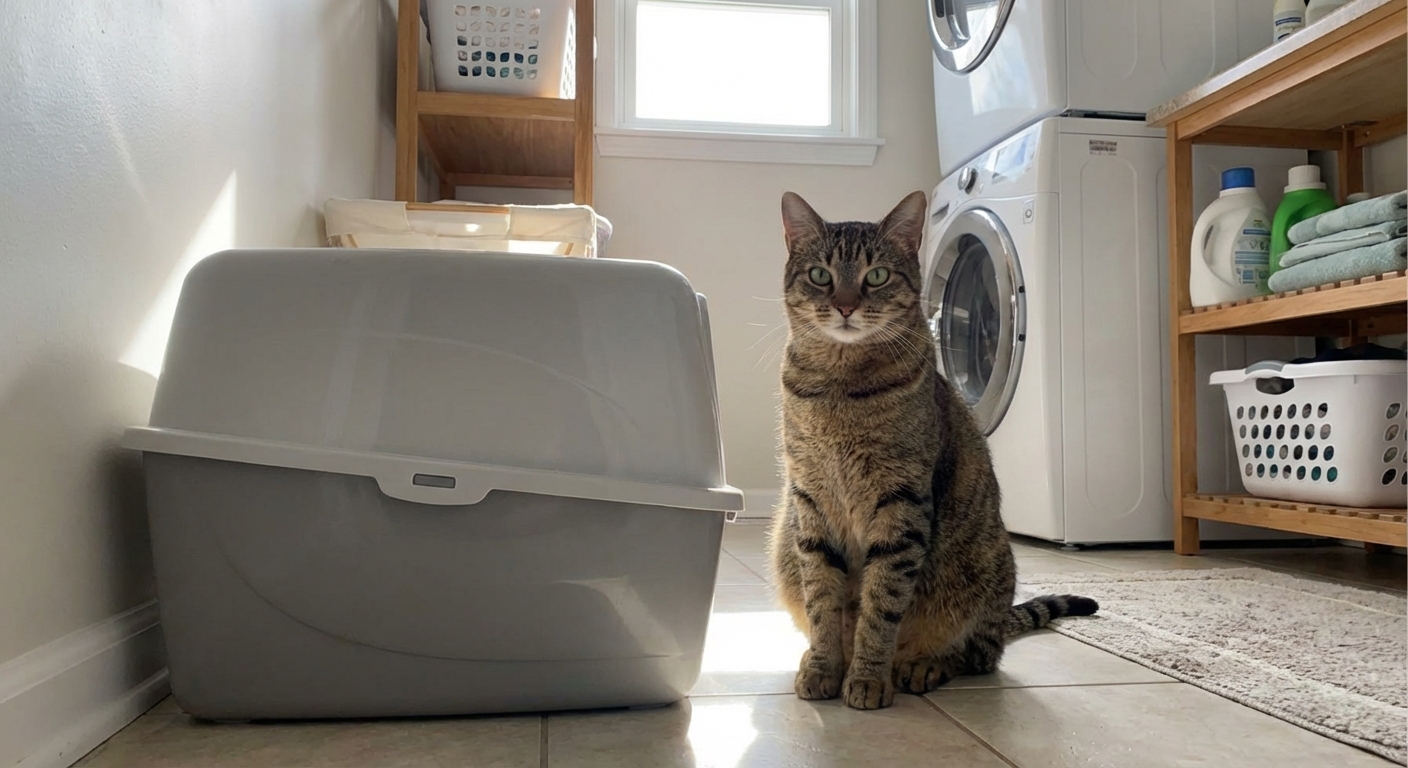
- Box location is too busy: laundry rooms, near loud appliances, or high-traffic hallways can feel unsafe.
- Not cleaned often enough: scoop at least once daily, ideally twice.
- Box is too small: many store-bought boxes are undersized. Cats should be able to turn around easily.
- Covered boxes: some cats hate them due to odor buildup and feeling trapped.
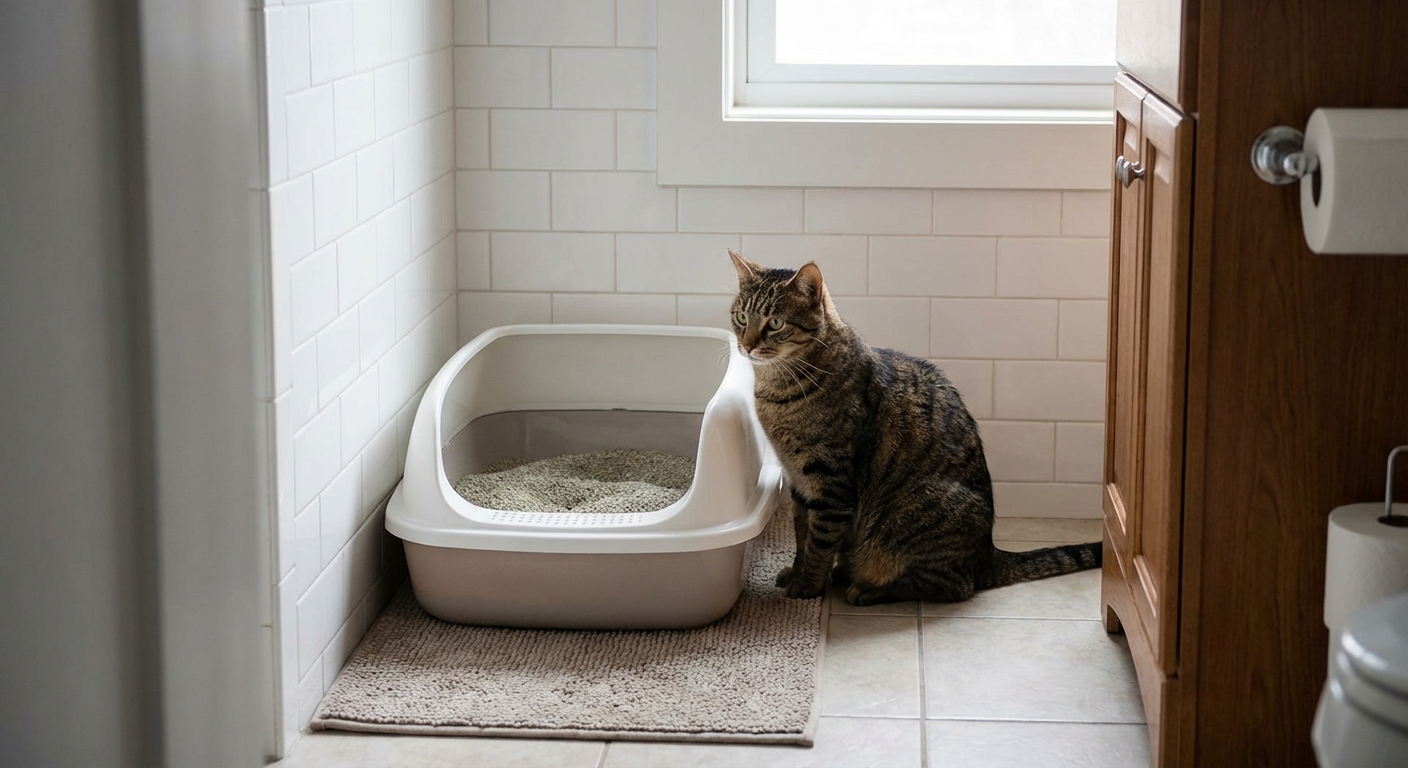
- High entry: a low-entry box can make a huge difference for seniors or painful cats.
2) Litter preferences (texture, scent, depth)
Cats can reject litter that feels painful, smells strong, or has recently changed.
- Avoid heavily scented litters when possible.
- If you switched brands, try going back temporarily.
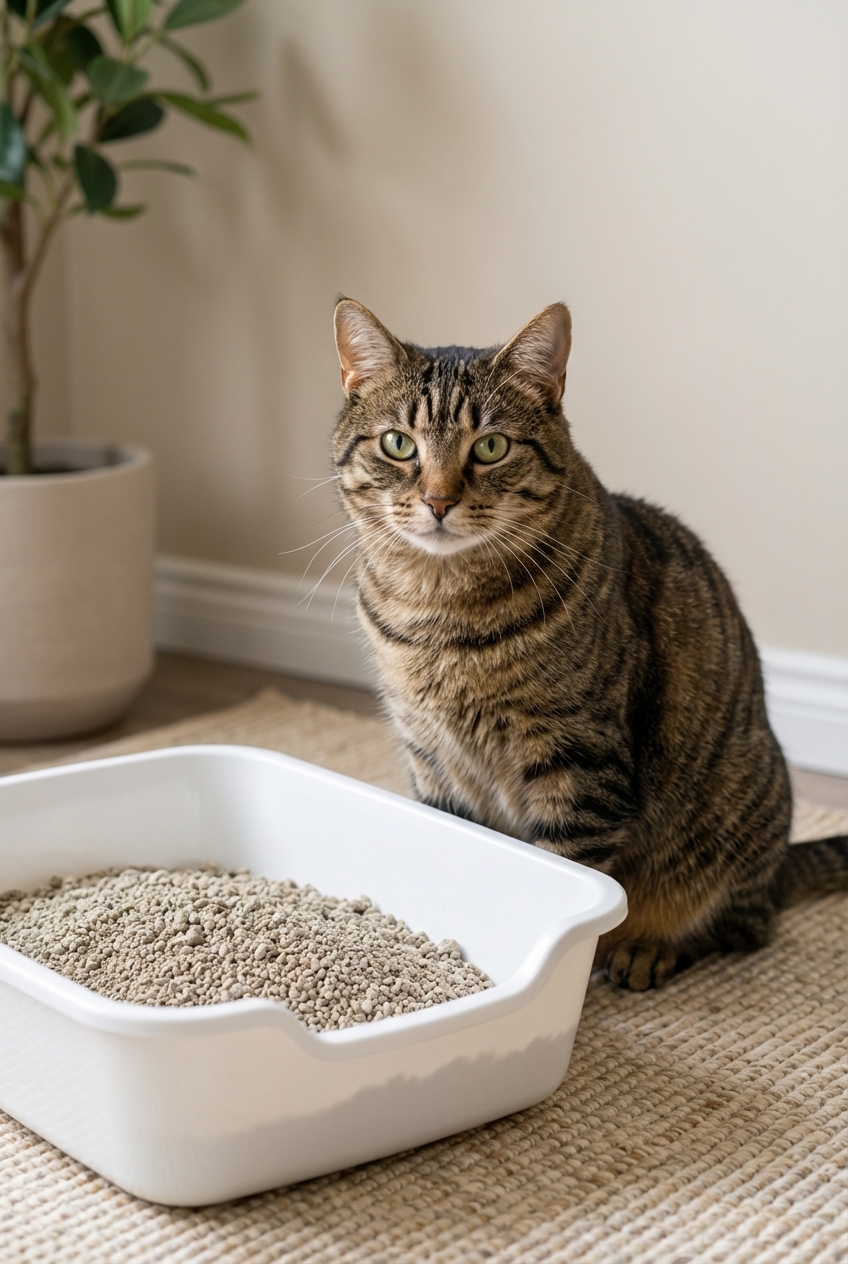
- Most cats prefer fine, sand-like clumping litter, but individuals vary.
- Litter depth matters: many cats do well with about 2 to 3 inches, but some prefer a thinner layer. If your cat is missing the box or perching on the edge, experiment.
- Skip liners if your cat hates them: some cats dislike the crinkle, shifting surface, or scent of liners and will avoid the box.
If you need to change litter, do it gradually by mixing the new litter in over 7 to 14 days.
3) Stress or conflict
Pooping on your bed can be a distress signal. Your bed smells like you, and some cats seek that comfort when they feel insecure.
Common triggers include:
- New pet, new baby, or a visiting animal
- Moving, remodeling, new furniture
- Schedule changes or travel
- Neighborhood cats seen through windows
- Tension between cats in a multi-cat home
In multi-cat homes, one cat may block access to the box or “guard” hallways. What looks like a litter problem can actually be a social one. This is another reason to place boxes in different areas, not all in the same room.
4) Negative litter box associations
If a cat had pain while using the box (constipation, diarrhea, urinary discomfort), they may start associating the box with that unpleasant feeling. Even after the health issue improves, the avoidance can remain.
In these cases, adding an additional box in a different location and changing box style or litter can help reset the association.
What to do right now
Step 1: Protect the bed
- Close the bedroom door when you cannot supervise.
- Use a waterproof mattress protector if you do not already have one.
- Place a washable blanket or cover on top during the day.
Step 2: Clean correctly
Use an enzymatic cleaner designed for pet waste. Enzymatic cleaning is key for both stool and urine odors, even if the accident was “only poop.” Regular detergents and many household sprays do not fully remove biological odors to a cat’s nose.
- Blot first, do not rub.
- Saturate the area per the product directions.
- Let it air-dry completely.
Avoid ammonia-based cleaners. They are especially problematic with urine odors, but in general they are not helpful for repeat accident prevention.
Step 3: Do a fast litter box reset
- Add at least one extra box temporarily.
- Place a box on the same floor as the bedroom if possible.
- Choose a large, uncovered box with low entry.
- Scoop daily, and wash the box weekly with unscented mild soap, then rinse thoroughly and let it dry completely.
Troubleshoot like a pro
If the accidents continue, use this quick detective approach for 7 days:
- Track timing: after meals, overnight, when guests arrive, when another pet is nearby.
- Track stool quality: formed, soft, watery, with mucus, small hard pellets.
- Track location: always on your bed, always on a specific blanket, or also elsewhere.
Patterns point to causes. For example, loose stool right after meals can suggest diet intolerance or GI disease, but parasites, stress, rapid diet change, and other issues can look similar. Nighttime accidents may suggest box access issues, fear, or a mobility problem.
Calming support
If stress looks like a driver, you can often reduce anxiety with a few evidence-based tools:
- Pheromone diffusers: many cats respond well, especially during transitions.
- Predictable routine: consistent feeding and play times.
- More resources: extra litter boxes (in different locations), water bowls, hiding spots, vertical perches.
- Interactive play: 10 to 15 minutes daily can lower tension.
If conflict between cats is present, separate resources and consider working with your veterinarian or a qualified behavior professional. Sometimes short-term medication is appropriate, especially when anxiety is severe.
What not to do
- Do not punish your cat. It increases fear and can make elimination issues worse.
- Do not rub your cat’s nose in it. This is outdated advice and damages trust.
- Do not “hide” the box. Cats need safe, easy access, not a hard-to-reach corner.
Your cat is communicating a need, not being “bad.” When you treat it like a health and environment puzzle, you usually find a real answer.
When it is urgent
Pooping outside the box is usually not an emergency by itself, but these situations deserve prompt veterinary care:
- Blood in stool, black tarry stool, or severe watery diarrhea
- Repeated straining, crying, or signs of pain
- Diarrhea in a kitten or a senior cat
- Lethargy, vomiting, refusal to eat, or dehydration
- Any sudden change that persists longer than 24 to 48 hours
If your cat is also having urinary signs (frequent trips, straining to pee, peeing tiny amounts), treat that as urgent. Urinary blockages can be life-threatening, especially in male cats.
A gentle 10-day plan
Days 1 to 2
- Vet call if stool is abnormal or the change is sudden.
- Add one new litter box, scoop twice daily.
- Block bed access when unsupervised.
Days 3 to 6
- Adjust litter type only if needed, and change gradually.
- Check litter depth and remove liners if you suspect aversion.
- Move boxes to quieter locations if you suspect fear or ambush.
- Start a simple routine: meals, play, and calm downtime at similar times.
Days 7 to 10
- If no improvement, schedule a vet exam and bring your notes.
- Ask about stool testing, diet trial, and pain assessment for arthritis.
- If medical causes are ruled out and you are still stuck, ask for a referral to a qualified cat behavior professional (and in tougher cases, a board-certified veterinary behaviorist).
You are doing the right thing by addressing this early. Most cats can return to reliable litter box habits with the right medical check and a few thoughtful home changes.