Blood in your cat’s urine can signal FLUTD/FIC, crystals, stones, UTI, kidney issues, or life-threatening blockage. Learn warning signs, first steps, and w...
Article
•
Designer Mixes
Why Does My Cat Pee a Lot?

Shari Shidate
Designer Mixes contributor
If you have found yourself cleaning the litter box more than usual, you are not imagining it. When a cat starts peeing a lot, it is usually your first visible clue that something has changed inside their body, or in their environment.
As a veterinary assistant, I always tell pet parents this: frequent urination is not a diagnosis. It is a symptom. The key is figuring out which pattern you are seeing, because different patterns point to very different causes.
What “peeing a lot” means
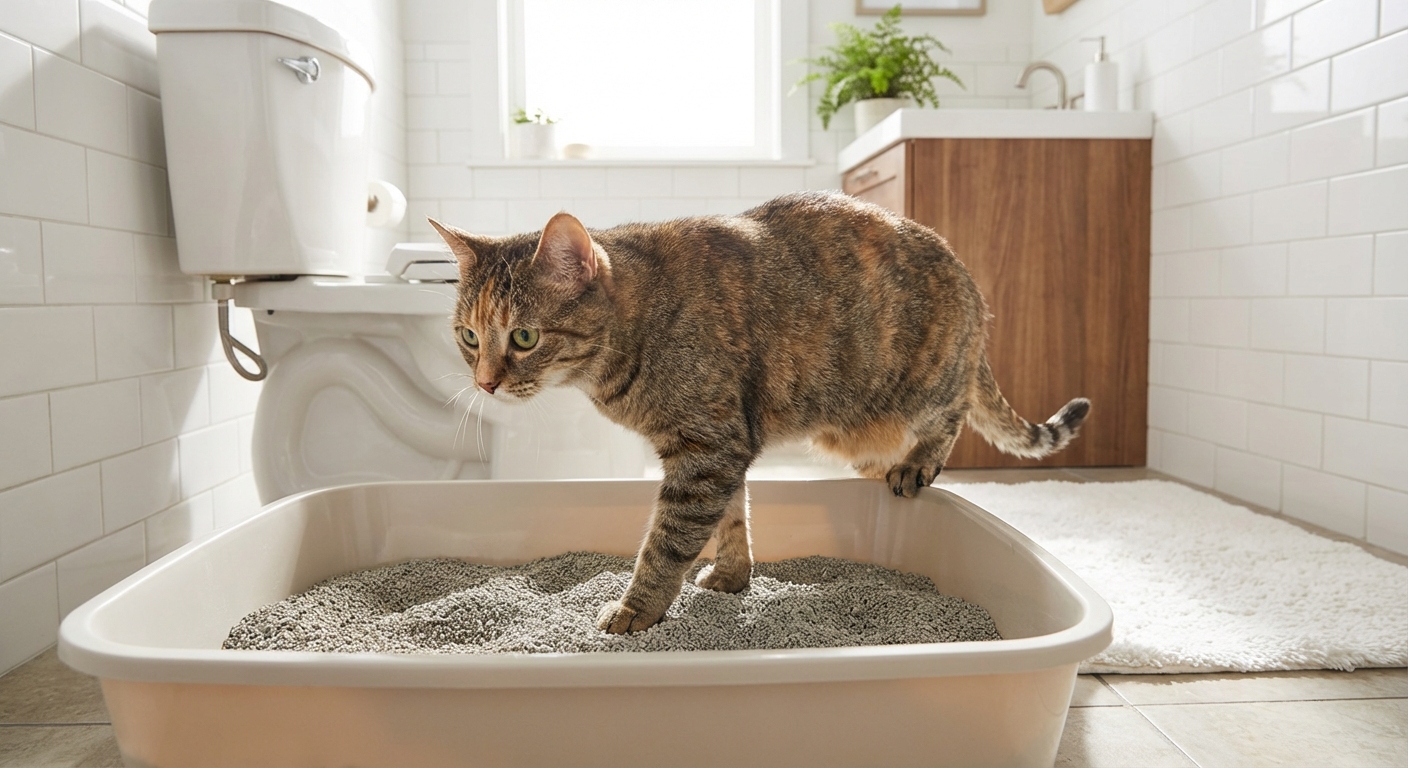
People use the phrase “my cat pees a lot” in two different ways. They sound similar, but medically they are not the same.
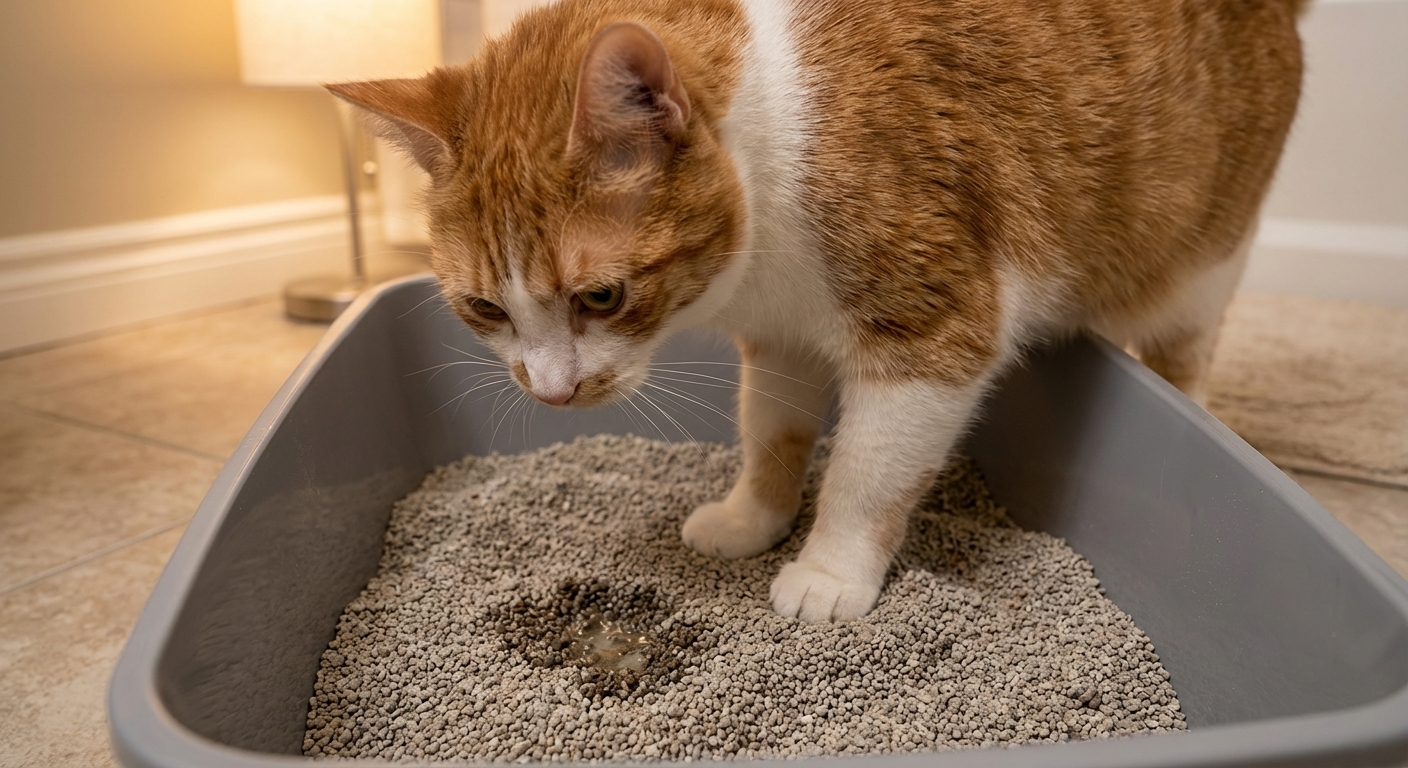
- Large amounts of urine each time (bigger clumps, wetter litter, sometimes more drinking too). Veterinarians call this polyuria (often paired with polydipsia, increased thirst).
- Many trips with small amounts (or straining, crying, licking the genital area, or peeing outside the box). Veterinarians often call this pollakiuria (increased frequency). When it comes with pain or straining, you may hear stranguria. This pattern points more toward lower urinary tract irritation.
From across the room, both look like “peeing a lot.” Up close, the pattern changes the whole game.
Common medical reasons
1) Diabetes mellitus
Diabetes is a top cause of cats producing a lot of urine. When blood glucose is high, glucose spills into the urine and pulls extra water with it. Many cats also drink more, lose weight, and may seem extra hungry.
What you might notice at home: bigger clumps, increased thirst, weight loss despite eating, occasional accidents.
2) Chronic kidney disease (CKD)
As kidneys lose function, they are less able to concentrate urine. Cats often pee larger volumes and compensate by drinking more. CKD is especially common in senior cats.
What you might notice: increased thirst, weight loss, decreased appetite, nausea or vomiting, a dull coat, and larger urine clumps.
3) Hyperthyroidism
Overactive thyroid disease can increase metabolism and affect multiple organ systems, including the kidneys. Many cats with hyperthyroidism drink and pee more and may lose weight while acting hungry and restless.
What you might notice: weight loss, yowling, increased appetite, increased activity, vomiting, and larger urine output.
4) FLUTD and FIC
If your cat is making frequent trips with small amounts, this is one of the most common buckets. Feline lower urinary tract disease (FLUTD) is an umbrella term that includes bladder inflammation (often stress-related), urinary crystals, stones, and obstruction. A very common diagnosis under this umbrella is feline idiopathic cystitis (FIC), meaning inflammation with no bacterial cause found.
Important note: uncomplicated bacterial bladder infections are not common in young, otherwise healthy cats. Bacteria are more likely in older cats or cats with underlying disease.
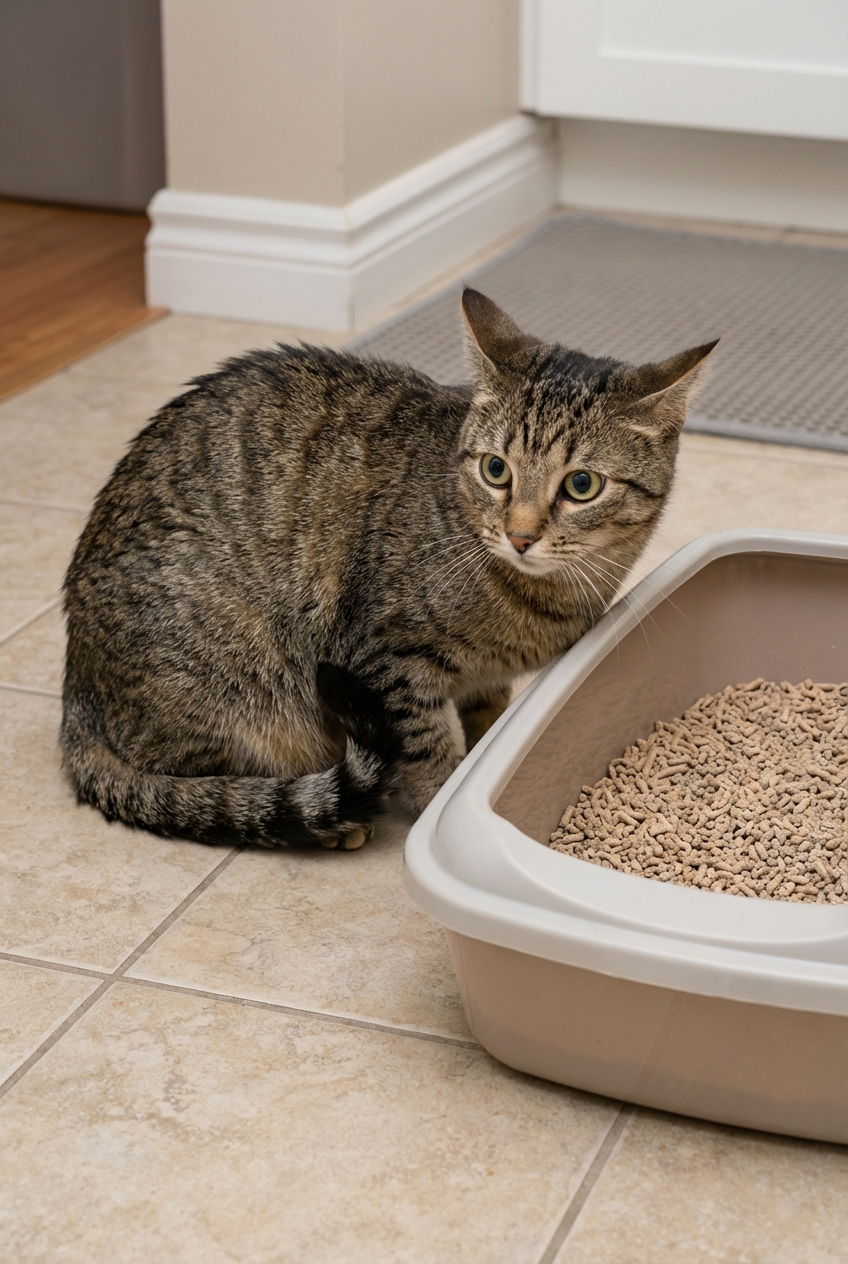
What you might notice: straining, frequent squatting, blood in urine, licking, peeing outside the box.
5) Urinary tract infection (UTI)
True bacterial UTIs are less common in cats than most people expect, but they do occur, especially in older cats or cats with conditions like diabetes or kidney disease.
What you might notice: frequent urination, discomfort, sometimes blood. Urine odor can vary with hydration and diet, so a “strong smell” may happen, but it is not a reliable UTI test. Diagnosis is best confirmed with urinalysis and, when needed, a culture.
6) Medications, diet changes, and “wet food math”
Some medications can increase thirst and urination. Common examples include corticosteroids and diuretics (only if prescribed by your veterinarian). Switching from dry to wet food can also change urine volume because wet food contains much more water.
Increased urination is not always bad, especially if your cat is better hydrated, but sudden major changes still deserve attention.
7) Other causes your vet may rule out
If the common causes are not fitting, your veterinarian may also consider other medical possibilities such as high calcium levels (hypercalcemia), liver disease, toxin exposure, and other hormonal or kidney-related issues. These are not the most common, but they are part of a thorough workup for true polyuria.
Blockage is an emergency
This is the part I want every cat parent to remember.
If your cat is trying to pee but producing little to no urine, treat it as an emergency. Male cats are at higher risk for urinary obstruction due to a narrower urethra. A blockage can become life-threatening quickly, and can turn critical within 24 to 48 hours (sometimes sooner).
- Repeated squatting with little or no output
- Straining or vocalizing
- Hard or painful belly
- Vomiting, hiding, weakness
If you see these, go to an emergency vet right away.
Call today vs emergency now
- Emergency now: straining with little to no urine, repeated box trips with no output, painful belly, vomiting, collapse, or severe lethargy.
- Call your vet today: peeing more than usual (bigger clumps or higher frequency), blood in urine, new accidents, increased thirst, weight loss, or any urinary change in a senior cat.
At-home clues for your vet
You do not need to diagnose your cat at home. But you can gather helpful info that saves time.
- Volume: Are clumps larger than usual or just more frequent?
- Water intake: Is the water bowl emptying faster? Any new water sources (fountains, dripping faucets)?
- Box behavior: Straining, long time in the box, crying, licking afterward?
- Accidents: Peeing on laundry, rugs, bathtub, or near the box can signal pain or urgency.
- Appetite and weight: Eating more but losing weight is a big clue for hyperthyroidism or diabetes.
- Age and sex: Seniors and male cats have different risk profiles.
- Mobility: Arthritis or pain can make it hard to get into the box in time, or step over high sides. That is not “more pee,” but it is a common reason for more cleanup.
- Spraying vs peeing: Spraying is usually small amounts on vertical surfaces (walls, furniture) and is often behavioral or stress-related. Urination is typically larger puddles in horizontal spots.
- Litter and cleaning: Scooping at least daily, avoiding strongly scented litters, and keeping boxes in quiet locations can reduce avoidance. Hygiene does not replace medical care, but it can help.
Quick tip: if you can safely weigh your cat weekly (same scale, same time of day), unintentional weight loss is an important early warning sign.
What the vet will do
To get real answers, most vets will recommend some combination of:
- Physical exam (including hydration status and bladder size)
- Urinalysis to check concentration, glucose, blood, crystals, and inflammation
- Urine culture if infection is suspected
- Bloodwork to evaluate kidney values, glucose, and thyroid levels
- Blood pressure especially in senior cats
- Imaging like X-rays or ultrasound if stones, obstruction, or structural issues are suspected
These tests are not “extra.” They help separate conditions that look similar but require totally different treatments.
If your vet asks for a urine sample, do not delay urgent care to try to collect one. In some situations (especially possible blockage), getting seen quickly matters more than having a sample in hand.
Stress and bladder inflammation
One of the biggest surprises for cat parents is that many cats with painful urinary signs do not have a bacterial infection. They have feline idiopathic cystitis (FIC), which is often linked with stress and nervous system sensitivity.
Common triggers include moving, new pets, visitors, conflict with another cat, construction noises, litter box changes, or even a schedule shift.
Practical ways to reduce urinary stress:
- Add boxes: aim for one litter box per cat plus one extra
- Keep boxes in quiet, accessible locations
- Offer predictable routines for feeding and play
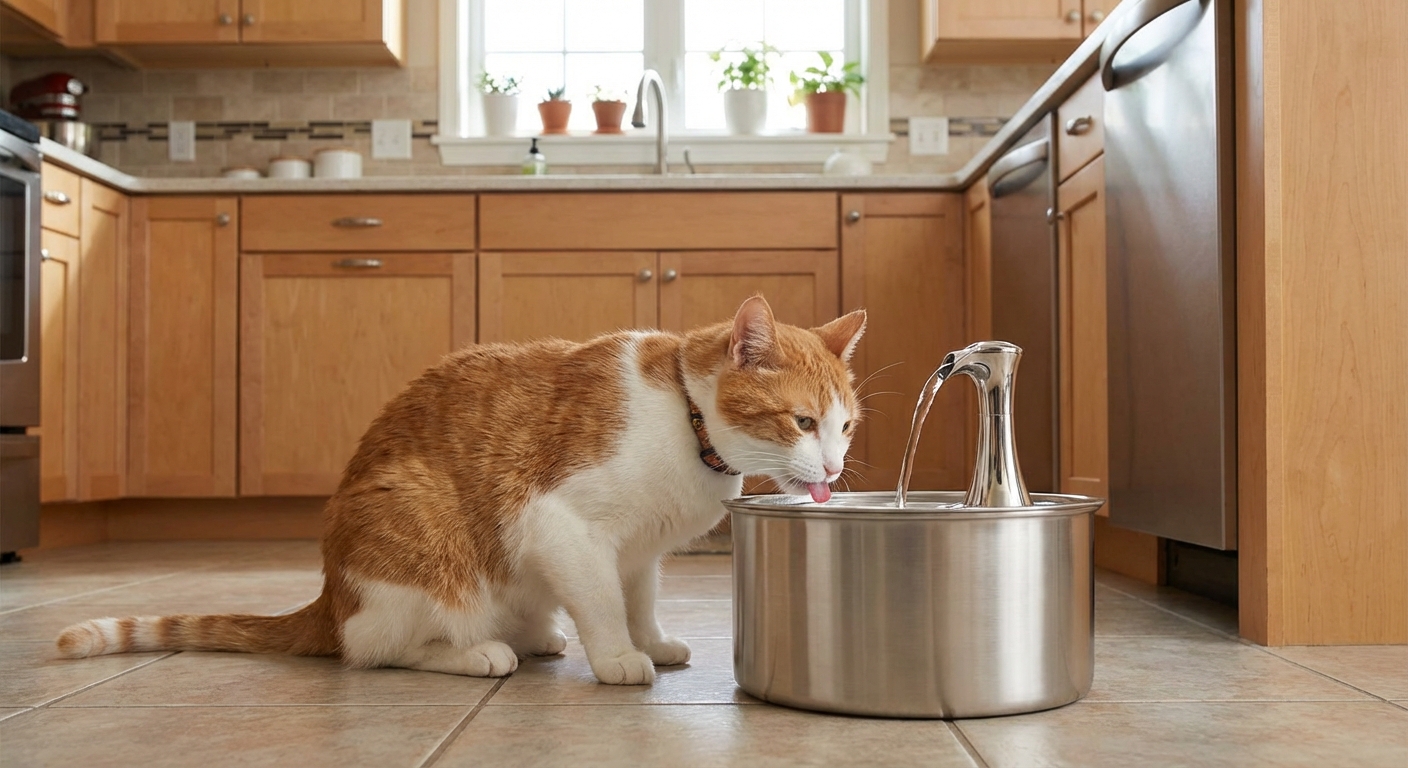
- Increase hydration with wet food or a cat water fountain
- Provide hiding spaces, perches, and daily interactive play
Hydration and nutrition
Whether your cat has urinary irritation or a condition that increases urine volume, hydration support is often part of the plan.
- Wet food helps many cats increase water intake naturally.
- Gradual transitions are kinder on the stomach. Mix in small amounts over 7 to 10 days.
- Ask before supplementing: urinary supplements, cranberry products, and “detox” powders are not one-size-fits-all and can be counterproductive in some cases.
If your vet recommends a prescription urinary diet, it is usually to adjust urine concentration and mineral balance in a very specific way. It is not just marketing, it is chemistry.
When to call the vet
Call your veterinarian promptly if you see:
- Any straining, crying, or repeated box trips
- Blood in the urine
- Accidents outside the box that are new
- Vomiting, lethargy, hiding, or poor appetite
- Increased thirst plus weight loss
- Senior cats with any new urinary change
If your cat cannot pass urine, go to emergency care immediately.
Bottom line
Frequent urination is one of those symptoms that can range from a simple hydration change to a true emergency. The best takeaway is fast pattern recognition and quick veterinary testing.
You are doing the right thing by paying attention. Cats are masters at hiding illness, and litter box clues are often the first whisper that they need help.