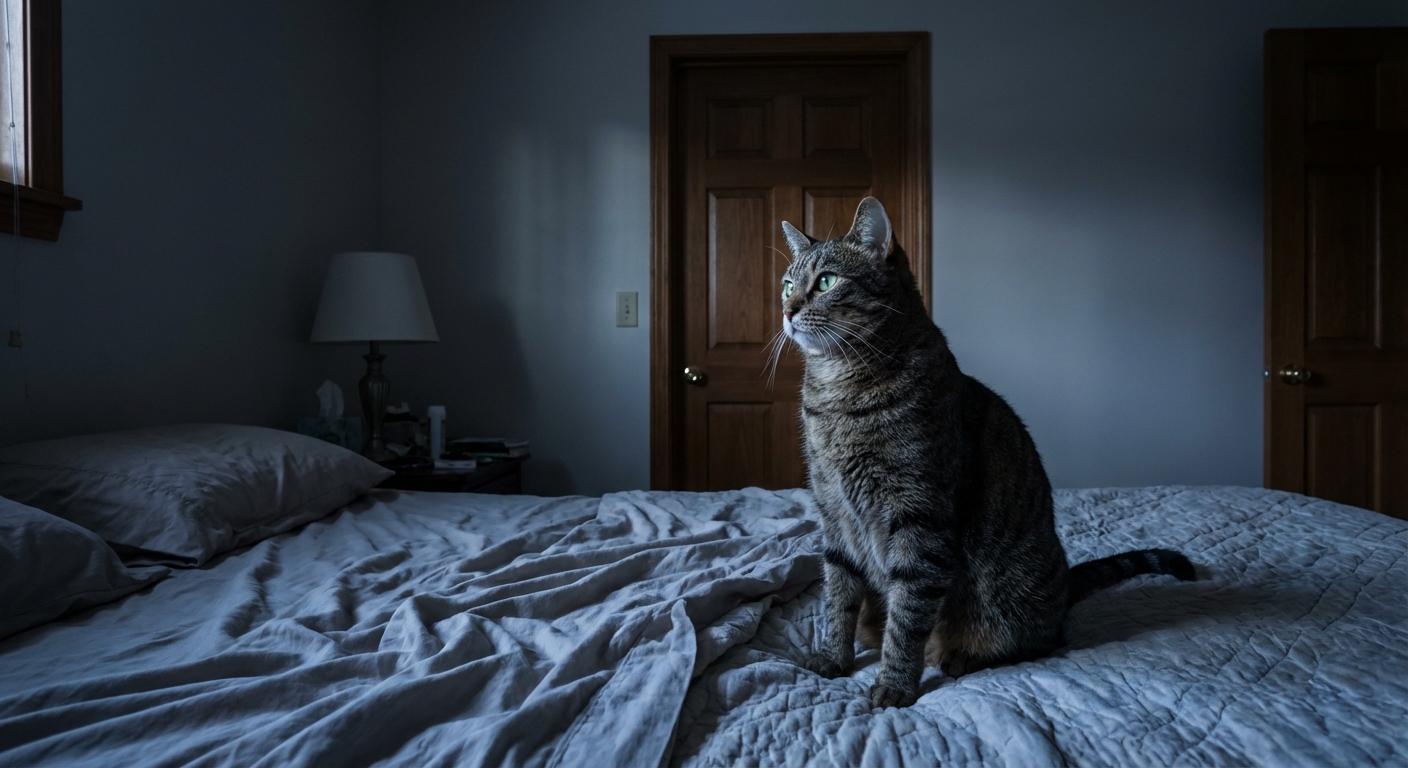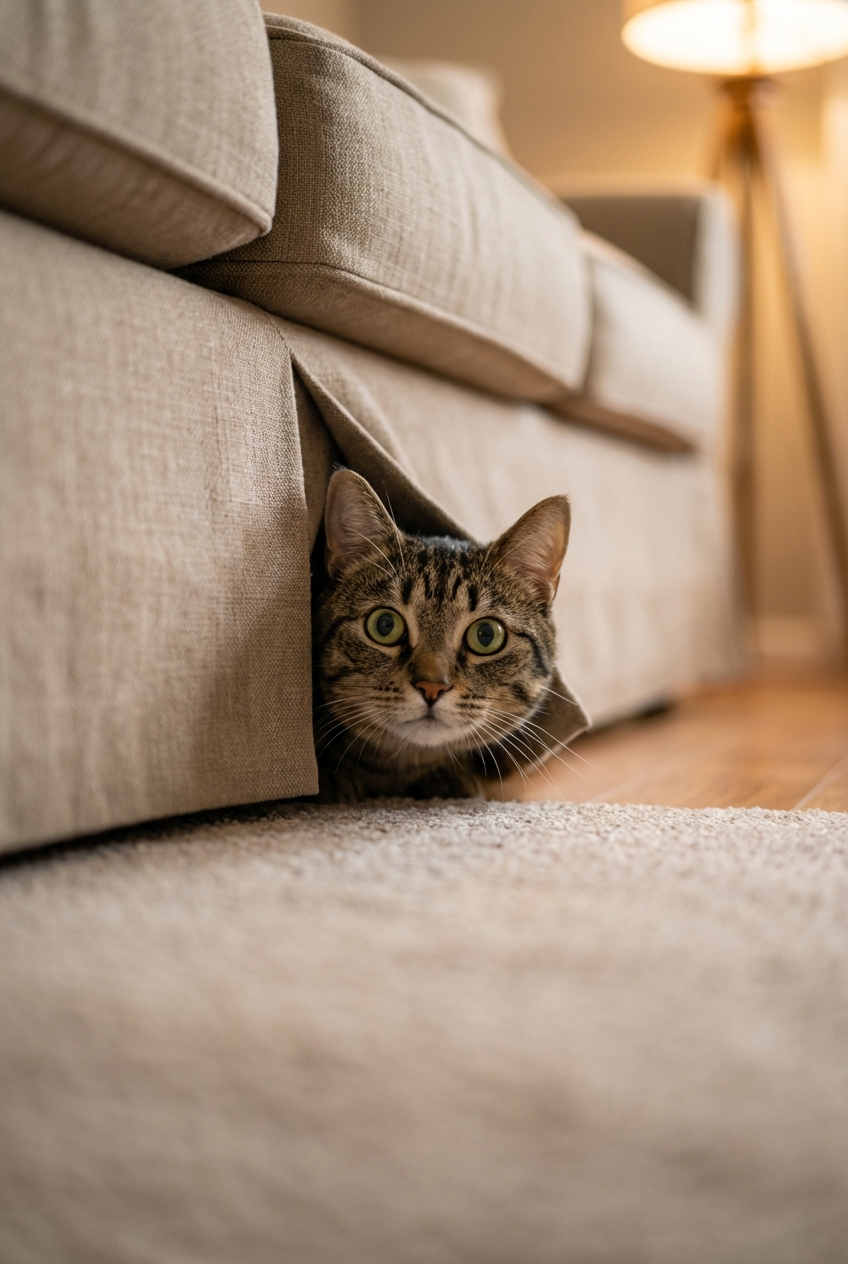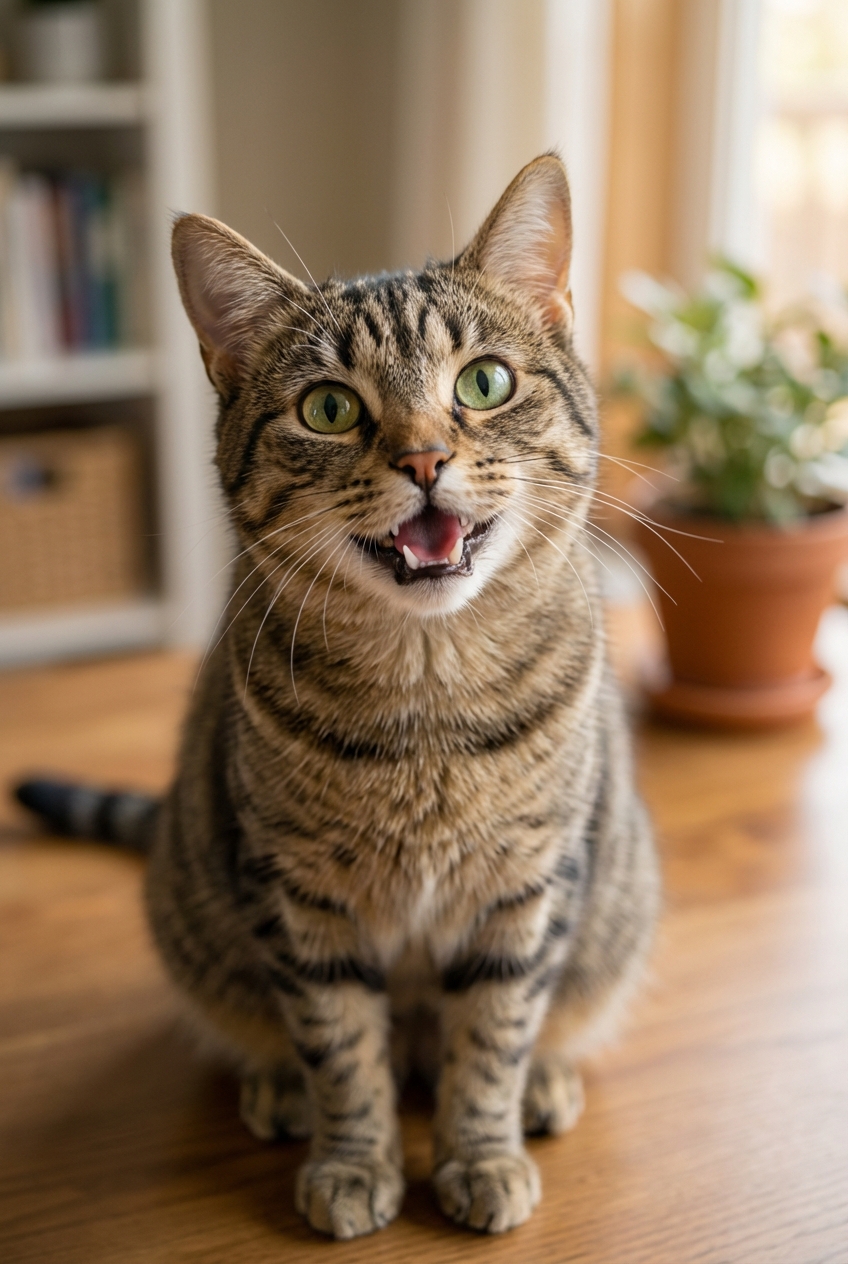
From food demands and boredom to stress, heat cycles, senior confusion, and medical problems like hyperthyroidism or UTIs—learn what constant meowing means...
Article
•
Designer Mixes
Why Does My Cat Meow All the Time?

Shari Shidate
Designer Mixes contributor
If your cat is suddenly extra chatty, you are not imagining it. Cats meow to communicate with people, and some cats are naturally more vocal than others. But frequent, persistent meowing can also be your cat’s way of saying, “Something is off, and I need help.” As a veterinary assistant in Frisco, Texas, I have seen nonstop meowing turn out to be something simple like boredom, and other times it is pain or illness.
The goal is not to “stop the meowing” as much as it is to figure out why it is happening, then meet that need in a safe, kind way.
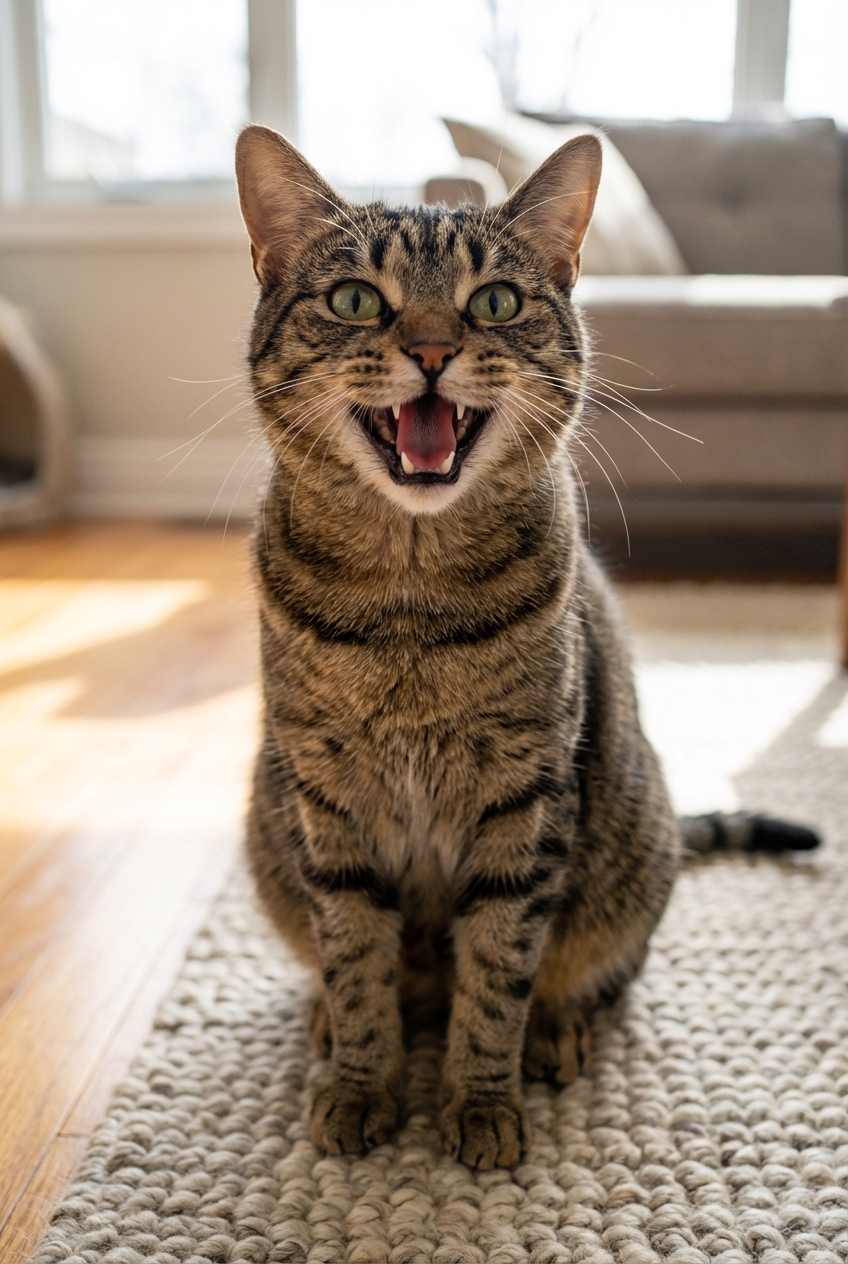
What your cat may be telling you
Meowing is often a human-directed behavior. Many adult cats mainly “talk” to people, but they can vocalize to other cats in certain situations too, such as conflict, mating behavior, or mom to kittens. When meowing becomes constant, it usually falls into one of these buckets.
1) Hunger, thirst, or a food routine that backfired
If your cat meows at the same times every day, it may be “schedule meowing,” meaning vocalizing tied to a predictable routine like mornings, meal prep, or whenever you walk into the kitchen. Cats are excellent at training us. If meowing has ever led to food, treats, or a second breakfast, the behavior can snowball.
- Check the basics: fresh water, adequate food portion, and that the bowl is clean.
- Watch for urgency: if your cat seems ravenous, begs constantly, or is losing weight, that is not just a behavior issue.
2) Boredom and understimulation
Indoor cats can become vocal when their day has no “job” to do. Meowing can be an invitation to play, an outlet for frustration, or a way to get attention.
Common clues include meowing while staring at you, pacing, or leading you to another room.
3) Stress, anxiety, or changes at home
Cats thrive on predictability. A new pet, a new baby, travel, loud construction, moving furniture, or even a schedule change can trigger vocalizing.
- Some cats meow more when they feel insecure or when they are guarding territory.
- Multi-cat homes can create “silent stress” that shows up as meowing, hiding, or litter box changes.
4) Heat cycles and mating behavior
An unspayed female in heat can vocalize intensely, sometimes sounding like crying or yowling. Unneutered males may also become more vocal, roam, spray, and act restless.
If your cat is not spayed or neutered and the meowing is dramatic and repetitive, talk with your veterinarian about timing for surgery.
5) Pain or illness
This is the category we never want to miss. Cats often hide pain until they cannot, and vocalizing can be one of the first signs. Persistent meowing may be linked to:
- Urinary issues: frequent trips to the litter box, straining, crying, blood in urine, or accidents outside the box.
- Stomach or GI upset: vomiting, diarrhea, constipation, or straining to poop.
- Dental pain: bad breath, dropping food, pawing at the mouth, eating less but begging more.
- Arthritis or injury: older cats may meow when jumping, being picked up, or moving after rest. Sudden vocalizing after a fall or rough landing is also worth a check.
- Hyperthyroidism: commonly causes weight loss with a big appetite, restlessness, and increased vocalization in middle-aged to senior cats.
- High blood pressure: may occur alongside thyroid disease or kidney disease. It can contribute to restlessness, confusion, and in some cases sudden vision changes.
- Cognitive dysfunction: senior cats may yowl at night, seem disoriented, or stare at walls.
- Hearing loss or vision loss: some senior cats vocalize more because they feel startled, unsure of their surroundings, or less secure.
If the timing lines up with a new medication, supplement, topical flea product, or a new household cleaner or scented product, call your veterinarian for guidance.
6) Attention-seeking that is unintentionally reinforced
If meowing gets a response every time, even a “No,” it can become a powerful habit. Your cat is not being manipulative in a human sense. They are simply repeating what works.
One more important note: avoid punishment. Yelling, spraying water, or startling your cat can increase anxiety and make vocalizing worse, and it can damage trust.
When to treat it as an emergency
Please seek urgent veterinary care if any of these are happening, especially in male cats:
- Straining to urinate or producing only drops
- Crying in the litter box or frequent litter box trips with little output
- Blood in urine
- Vomiting, collapse, extreme lethargy, or hiding and refusing food
- Open-mouth breathing or obvious respiratory distress
- Sudden blindness, bumping into things, or a very dilated pupil appearance
A urinary blockage can become life-threatening quickly. When in doubt, call your vet or an emergency clinic and describe what you are seeing.
A quick checklist
If your cat is stable and you are not seeing emergency signs, use this quick checklist before your appointment. It helps you notice patterns your veterinarian will care about.
- Timing: daytime, nighttime, right before meals, or random?
- Sound: short meows, long yowls, or distressed sounds like growling or hissing? Those can signal fear, pain, or conflict, not just “talking.”
- Body language: tail up and social, or crouched, tense, ears back?
- Appetite: normal, increased, decreased?
- Water intake: more or less than usual?
- Litter box: normal urine clumps, constipation, diarrhea, accidents?
- Mobility: hesitating to jump, stiffness, hiding?
- Recent changes: new food, new home routine, visitors, new pet, new medication, or a new product in the home?
Pro tip: record a 10 to 20 second video of the meowing episode and any litter box behavior. That short clip can be incredibly helpful in the exam room.
What you can do at home
Build a predictable routine
Cats relax when they know what comes next. Try feeding, play, and quiet time at roughly the same times daily. If your cat meows at night, add an evening play session and a small bedtime snack.
Use play to meet hunt needs
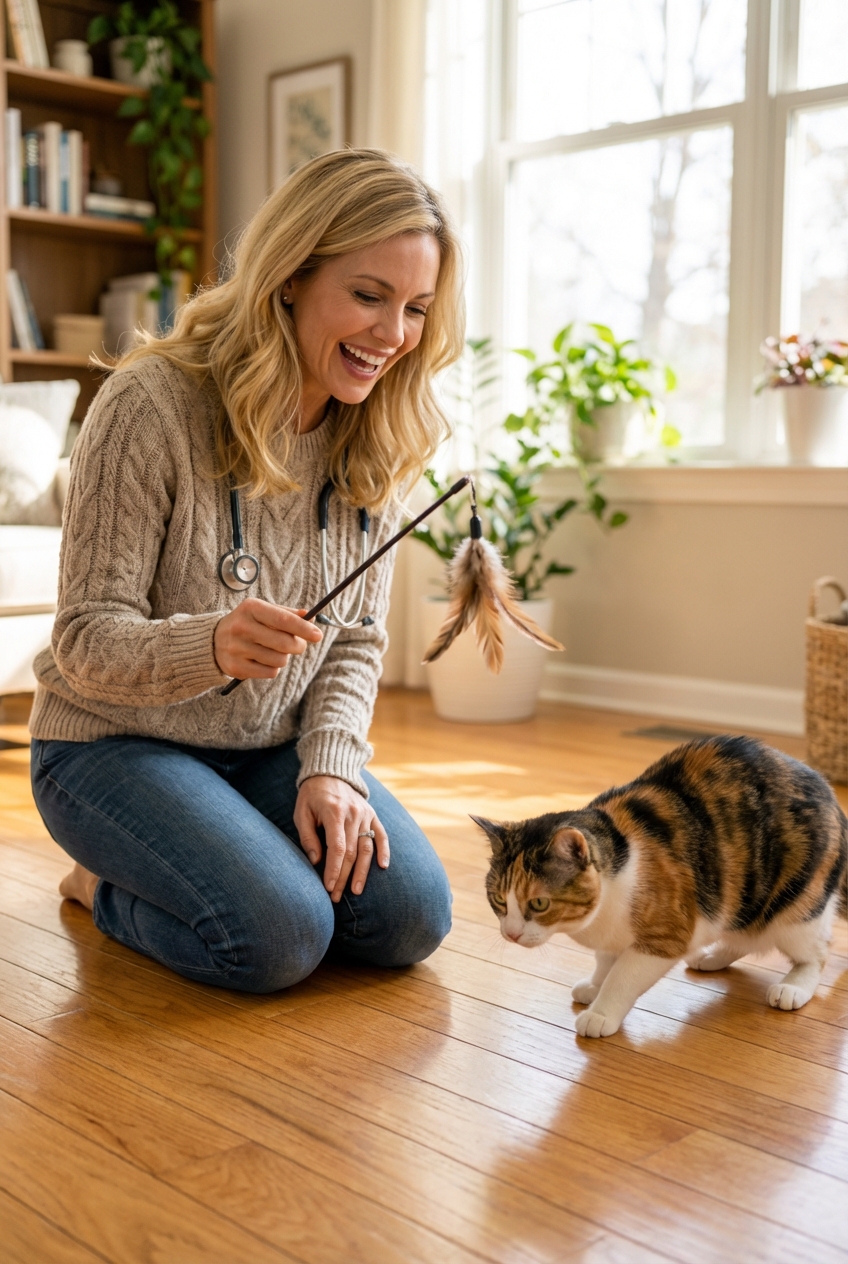
Aim for 2 to 3 short play sessions a day (5 to 10 minutes). Use wand toys, toss small toys, and let your cat “catch” the toy at the end. Finish with a tiny treat or a portion of their meal to complete the hunt cycle.
Make meals more engaging
- Try puzzle feeders or treat balls for part of the daily portion.
- Split meals into smaller servings across the day.
- If your cat wakes you early, consider an automatic feeder to remove you from the “food delivery” role.
Do not reward the meow you want to reduce
This is hard but effective. If your cat is healthy and you are working on a behavior pattern, wait for a brief pause in meowing before giving attention or food. Reward the quiet moment.
Support a calmer environment
- Add a cat tree or window perch for safe observation.
- Provide multiple litter boxes in multi-cat homes (often one per cat, plus one extra is recommended).
- Create a quiet “safe room” during loud events or visitors.
- Ask your veterinarian about pheromone diffusers if stress is a factor.
Nighttime meowing
Many cats meow more at night due to boredom, habit, or senior changes.
- Increase daytime enrichment and interactive play.
- Try adjusting light cues based on your cat. Some cats settle better with a dark, quiet house. Others do better with a small nightlight, especially seniors with vision changes.
- Schedule a vet check for senior cats that begin yowling at night, since pain, thyroid disease, high blood pressure, and cognitive dysfunction are common contributors.
What to expect at the vet
If the meowing is new, escalating, or paired with appetite, weight, litter box, or sleep changes, a veterinary visit is the safest next step. In clinic, I often see patterns that owners did not realize were connected, like a “hungry, yowly” cat that is losing weight from thyroid disease, or a suddenly vocal cat that is actually constipated or painful.
Your veterinarian may recommend:
- A full physical exam, including mouth and joint evaluation
- Weight check and body condition scoring
- Bloodwork to screen for thyroid disease, kidney issues, diabetes, and more
- Urinalysis, especially if there are any urinary signs
- Blood pressure testing for middle-aged to senior cats
Getting answers early can prevent a small problem from becoming a big one, and it often brings relief for both you and your cat.
The bottom line
Constant meowing is communication. Sometimes your cat needs more play or a better routine. Sometimes they need medical care. If your cat’s voice changes, the meowing becomes intense or frequent, or anything about eating, drinking, weight, breathing, vision, or the litter box shifts, trust your instincts and call your veterinarian.
You do not have to solve it all at once. Start with a few observations, add one or two enrichment changes, and get a health check if anything feels off. Your cat is counting on you, and you are already doing the most important thing by paying attention.