A vet assistant’s guide to feline probiotics: proven strains like SF68 and S. boulardii, safe food options, dosing tips, how long they take, and red flags ...
Article
•
Designer Mixes
Why Does My Cat Have Diarrhea?

Shari Shidate
Designer Mixes contributor
As a veterinary assistant here in Frisco, Texas, I can tell you this with a whole lot of compassion: cat diarrhea is common, but it is never “nothing.” Sometimes it clears up with a simple diet adjustment. Other times, it is your cat’s early warning system that something bigger is going on.
The goal of this article is to help you connect the dots between what you are seeing in the litter box and what could be causing it, so you know when to try safe, pet-friendly home steps and when to call your vet right away.
What counts as diarrhea in cats
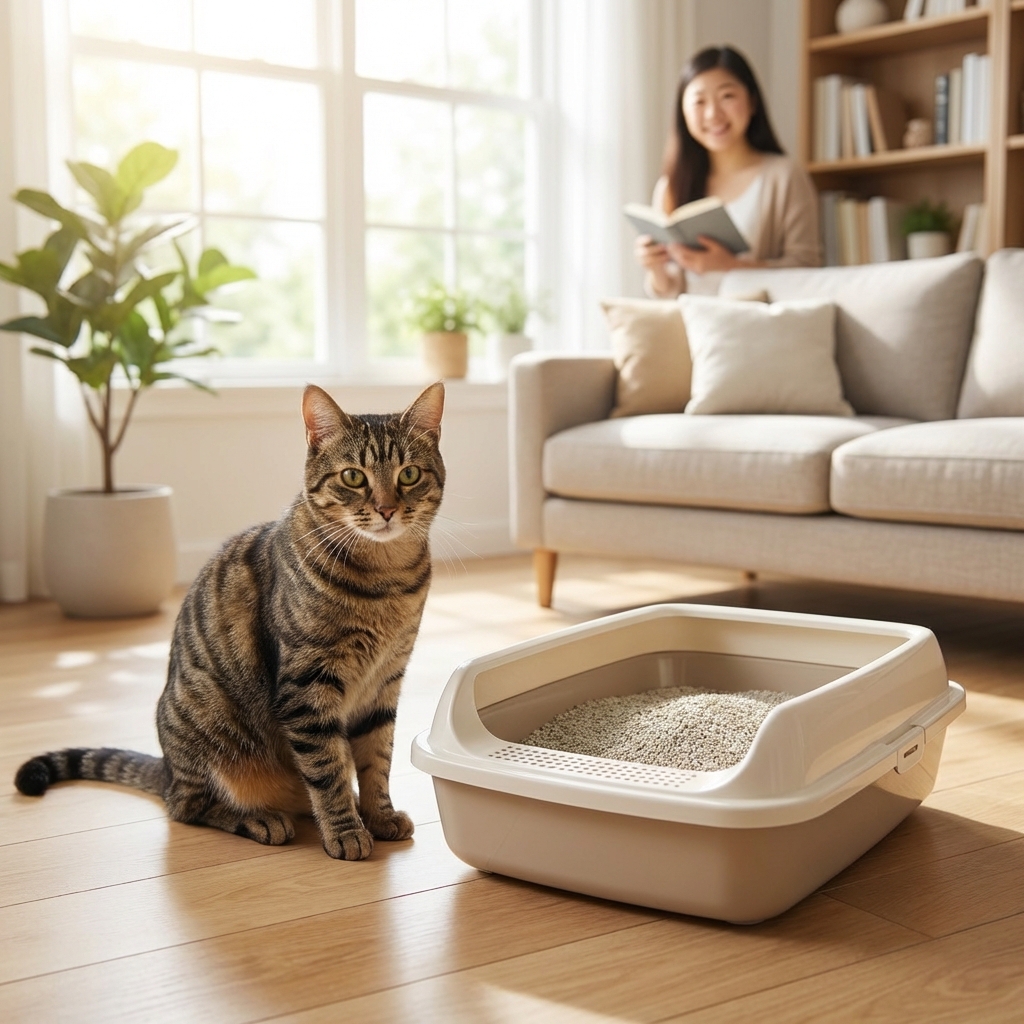
Normal cat stool is formed, log-shaped, and easy to scoop. Diarrhea means the stool is softer than normal, watery, or occurs more frequently than normal. Some cats also pass mucus, have urgent “can’t hold it” moments (accidents), or track stool outside the box.
Quick clues you can notice at home
- Small amounts, frequent trips: more consistent with large intestine (colon) irritation.
- Large volume, watery stool: more consistent with small intestine issues.
- Mucus: often points to colon inflammation.
- Black, tarry stool: can indicate digested blood.
- Bright red blood: can happen with straining or lower GI inflammation.
These clues are not a diagnosis, but they can help your veterinarian narrow down the problem faster.
Common causes people overlook
1) Food changes and food intolerance
The most common reason I see: a sudden diet switch or a new treat. Cats have sensitive GI tracts, and quick changes can throw off digestion.
- New brand or flavor of food
- New treats, table foods, dairy, or fatty scraps
- “People food” sauces or seasonings
- Food intolerance (not the same as a true allergy)
2) Stress and routine changes
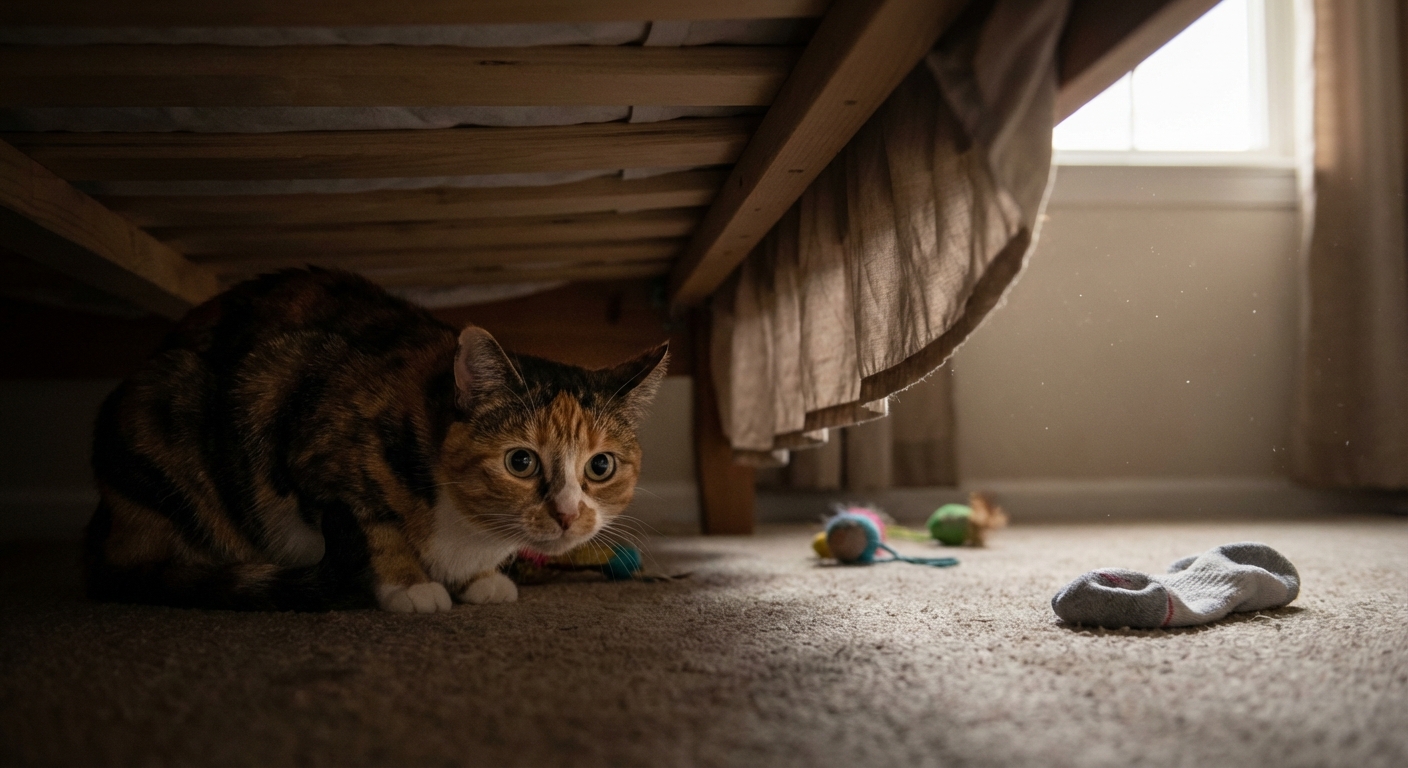
Cats are masters at hiding stress. A new pet, moving, visitors, construction noise, or even a litter box change can trigger stress-related diarrhea.
3) Parasites (even indoor cats can get them)
Giardia, roundworms, hookworms, and coccidia can cause diarrhea, sometimes with mucus or a strong odor. Indoor cats can still be exposed from new kittens, contaminated shoes, shared patios, or hunting insects.
A fecal test is often the fastest way to get answers here.
Quick safety note: Some parasites can affect other pets and people. Wash hands after scooping, clean boxes regularly, and ask your vet how to handle shared litter boxes while you are figuring it out.
4) Diet digestibility and moisture
Cats are obligate carnivores, and some do best on highly digestible diets with more moisture. While many dry foods are complete and balanced, certain cats are more sensitive to diet composition, portion size, or lower water intake. If your cat is prone to loose stool, your vet may suggest a GI-focused diet trial or adding more moisture through wet food.
Also, constipation can sometimes look like diarrhea if liquid stool leaks around hard stool (sometimes called overflow diarrhea). If your cat is straining, producing small amounts, or going in and out of the box frequently, let your vet know.
5) Hairballs and heavy grooming
Hairballs usually make us think of vomiting, but in some cats, extra hair in the GI tract can contribute to irritation and softer stool. This is more likely in long-haired cats, heavy shedders, or cats with skin allergies that overgroom.
6) Dietary indiscretion and foreign material
Cats can get into things you would not expect: greasy scraps, plants, strings, ribbons, and small toys. Even a mild “trash snack” can trigger diarrhea, and foreign material can become dangerous quickly if it causes an obstruction.
7) Medications and supplements
Antibiotics, some pain meds, dewormers, and even certain supplements can cause diarrhea. Always let your vet know what your cat took and when, including flea and tick products.
8) Infection and gut imbalance
Sometimes diarrhea is tied to infection (viral, bacterial) or a shift in the normal gut bacteria (dysbiosis). These cases can look similar to food-related diarrhea at first, which is why history and testing matter.
9) IBD and chronic gut inflammation
If diarrhea is frequent or keeps coming back, chronic inflammation becomes more likely. IBD can show up as intermittent soft stool, vomiting, weight loss, or picky eating.
10) Endocrine and organ issues
Hyperthyroidism (especially in older cats), liver disease, pancreatitis, and other pancreatic issues can all affect stool quality. When diarrhea comes with weight loss, increased thirst, or ravenous appetite, it is time to investigate.
11) Toxins and dangerous foods
Some exposures can cause sudden GI signs (vomiting, drooling, diarrhea) and become an emergency fast: lilies, human medications, rodent bait, essential oils, antifreeze, and certain household cleaners. Important: lilies are a life-threatening emergency for cats even if diarrhea is not the main sign. If you suspect toxin exposure, treat it as urgent.
When diarrhea is an emergency
Some causes are mild and short-lived. Others need urgent care. Trust your gut. If your cat looks “off,” do not wait it out.
Call a veterinarian immediately if you notice:
- Diarrhea with lethargy, collapse, or weakness
- Repeated vomiting or cannot keep water down
- Blood in the stool (more than a small streak) or black, tarry stool
- Dehydration (tacky gums, sunken eyes, skin does not spring back)
- Kittens, senior cats, or cats with chronic disease (they can become urgent sooner)
- Suspected toxin exposure or foreign object ingestion
- Diarrhea lasting more than 24 to 48 hours, or sooner if it is severe, frequent, or your cat seems unwell
Cats can dehydrate faster than many pet parents realize, and dehydration can spiral into bigger problems.
Safe home steps (mild cases)
If your cat is bright, alert, eating at least a little, and the diarrhea is mild and recent, these steps are typically reasonable while you monitor closely and stay ready to call your vet if anything changes.
1) Pause the extras
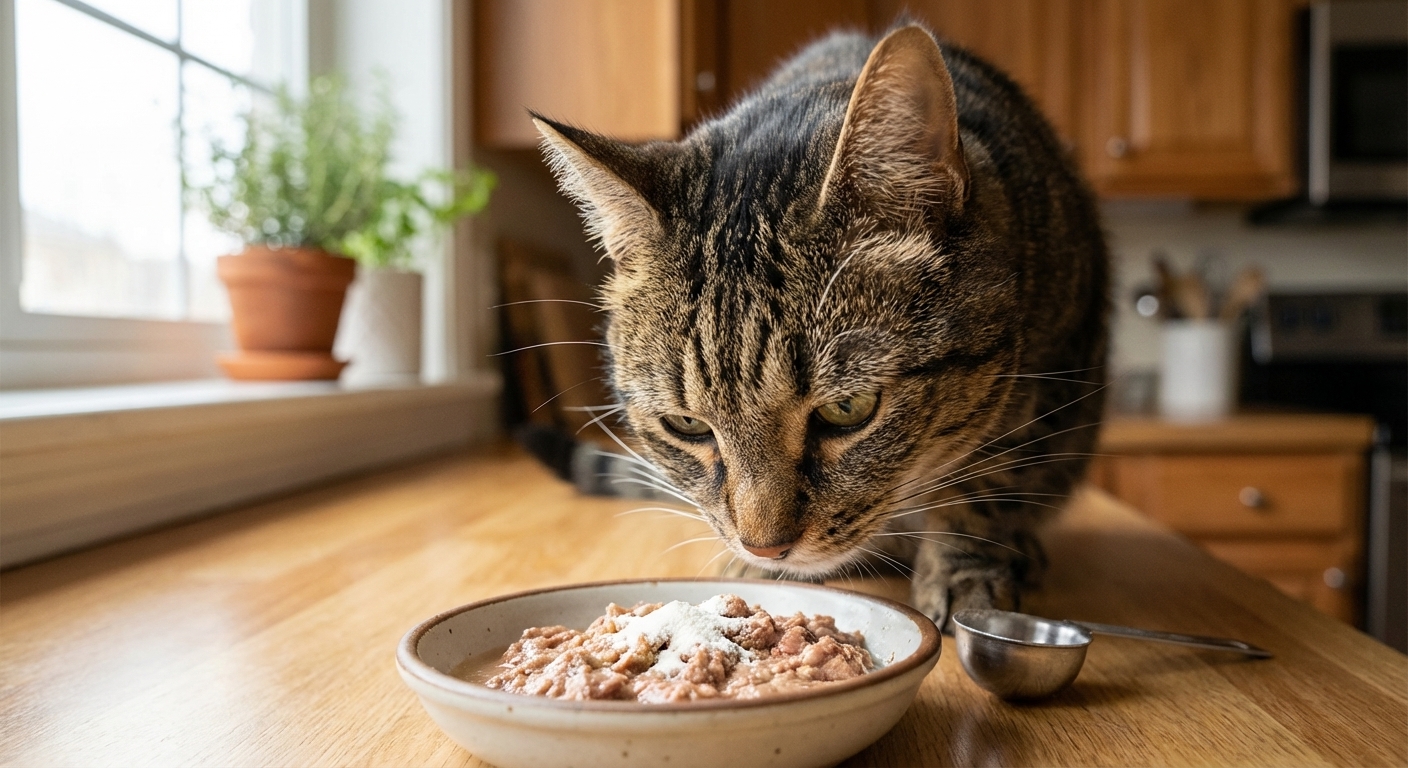
Stop treats, table foods, and any new chews or toppers. Keep the diet simple and consistent.
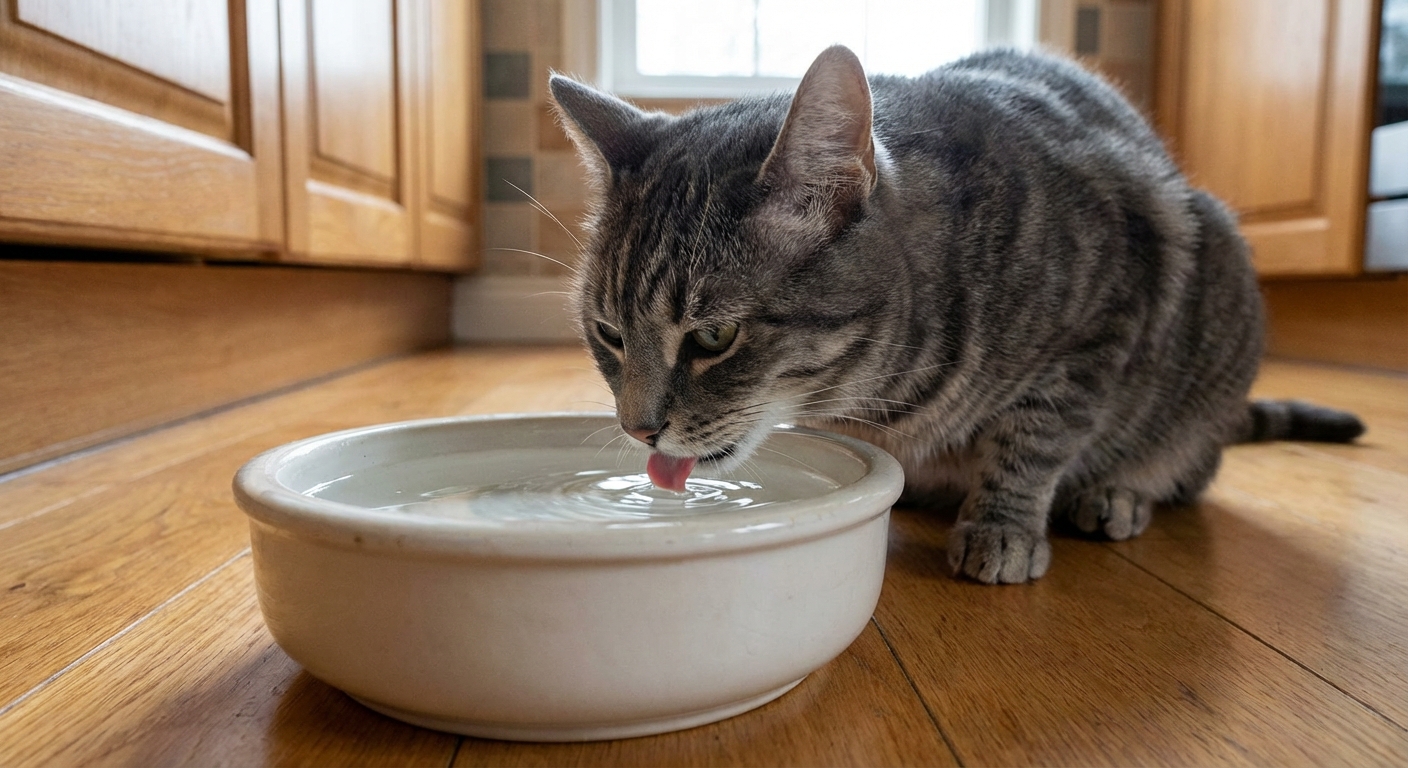
2) Make water easy
- Offer fresh water in multiple locations
- Consider a cat water fountain if your cat prefers moving water
- Add a small amount of water to wet food to increase hydration
3) Ask your vet about a probiotic
Veterinary probiotics can help support the gut microbiome, especially after stress or diet changes. Use a product made for cats and confirm dosing with your clinic.
4) Consider a veterinary GI diet (short-term)
For many cats, a bland, highly digestible veterinary diet helps calm the intestines. This is often safer than trying random home recipes, because cats have very specific nutrient needs and can develop food aversions quickly.
A quick note on common “boiled chicken and rice” advice: it is popular for dogs, but it is not automatically a good fit for cats, especially long-term. It can be unbalanced, some cats refuse it, and it may not match what your cat’s gut needs. If you are tempted to try a home bland diet, call your vet first so you get a cat-appropriate plan.
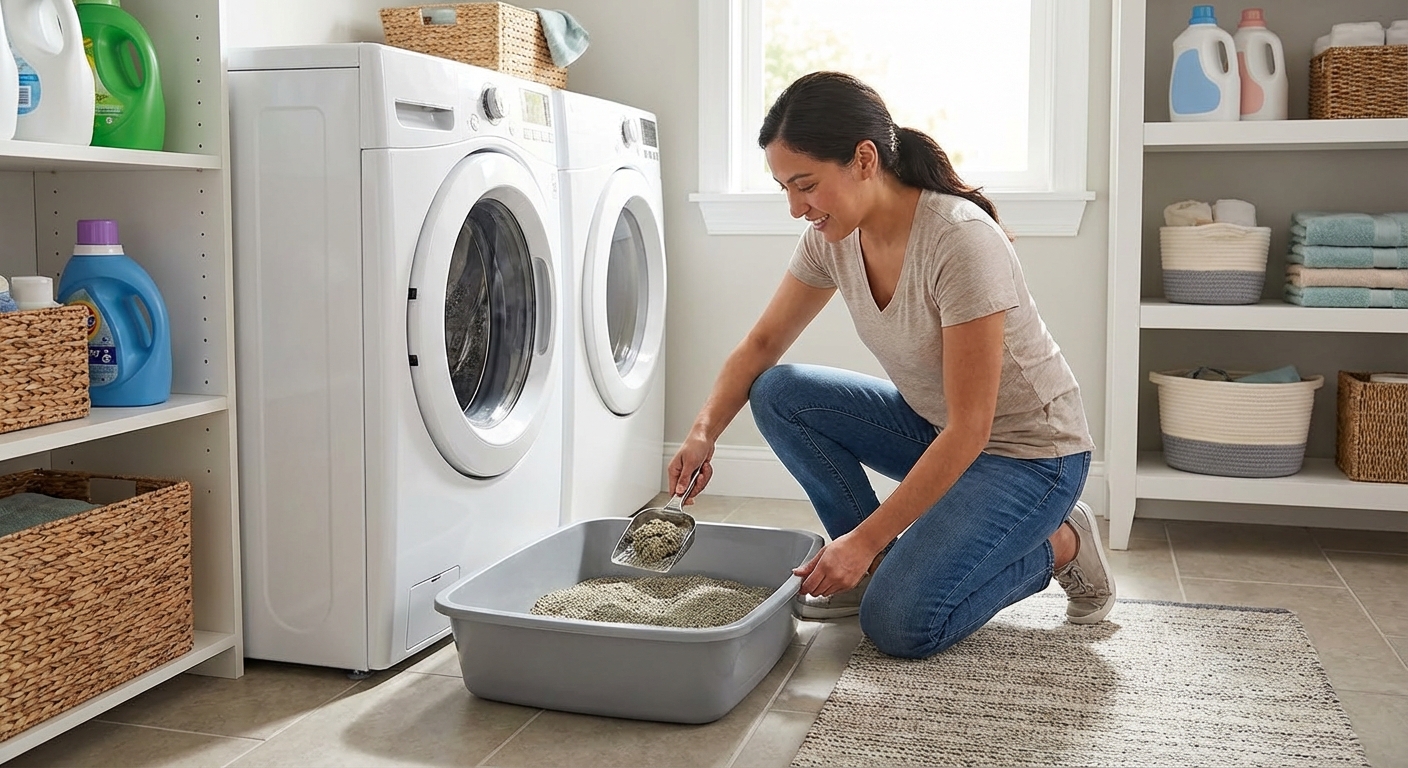
5) Keep the litter box spotless
Clean boxes help you track frequency and stool appearance, and they reduce stress. If you have multiple cats, add an extra box if you can.
What I do not recommend
- Anti-diarrheal human medications unless a veterinarian specifically instructs you
- Fasting cats without guidance (cats can develop hepatic lipidosis when they stop eating)
- Essential oils for “gut support” (many are toxic to cats)
What your vet may recommend
It helps to know what is normal at a clinic visit so you can feel prepared.
- Fecal testing: checks for parasites like Giardia, roundworms, coccidia.
- Bloodwork: evaluates hydration, infection, kidney and liver function, thyroid levels.
- Diet trial: a true elimination diet can identify food sensitivities.
- Ultrasound or X-rays: looks for foreign bodies, organ changes, intestinal thickening.
- B12 (cobalamin) testing: low B12 can worsen chronic GI disease and is treatable.
Bring a fresh stool sample if you can, and jot down any recent changes: food, treats, stress events, boarding, new pets, medications, and flea products.
Prevention
Feed for consistency
Cats often do best with a stable, high-quality diet. If you need to switch foods, go slowly over 7 to 10 days, sometimes longer for sensitive cats.
Reduce stress
- Maintain predictable feeding and play routines
- Provide hiding spaces and vertical perches
- Use slow introductions for new pets
- Keep litter boxes in quiet, accessible areas
Routine fecal checks
Especially for kittens, multi-cat homes, and cats that go outdoors or hunt, periodic fecal testing can catch parasites before they become a bigger issue.
Bottom line
Most diarrhea has a real, fixable cause. The key is paying attention early, keeping your cat hydrated, avoiding risky home treatments, and getting the right testing when it does not resolve quickly.
If your cat’s diarrhea lasts longer than a day or two, or your cat seems unwell in any way, your veterinarian is your best next step.