Cats follow you into the bathroom for safety, curiosity, routine, and bonding. Learn what’s normal, red flags for anxiety or illness, and gentle ways to se...
Article
•
Designer Mixes
Why Does My Cat Follow Me Into the Bathroom?

Shari Shidate
Designer Mixes contributor
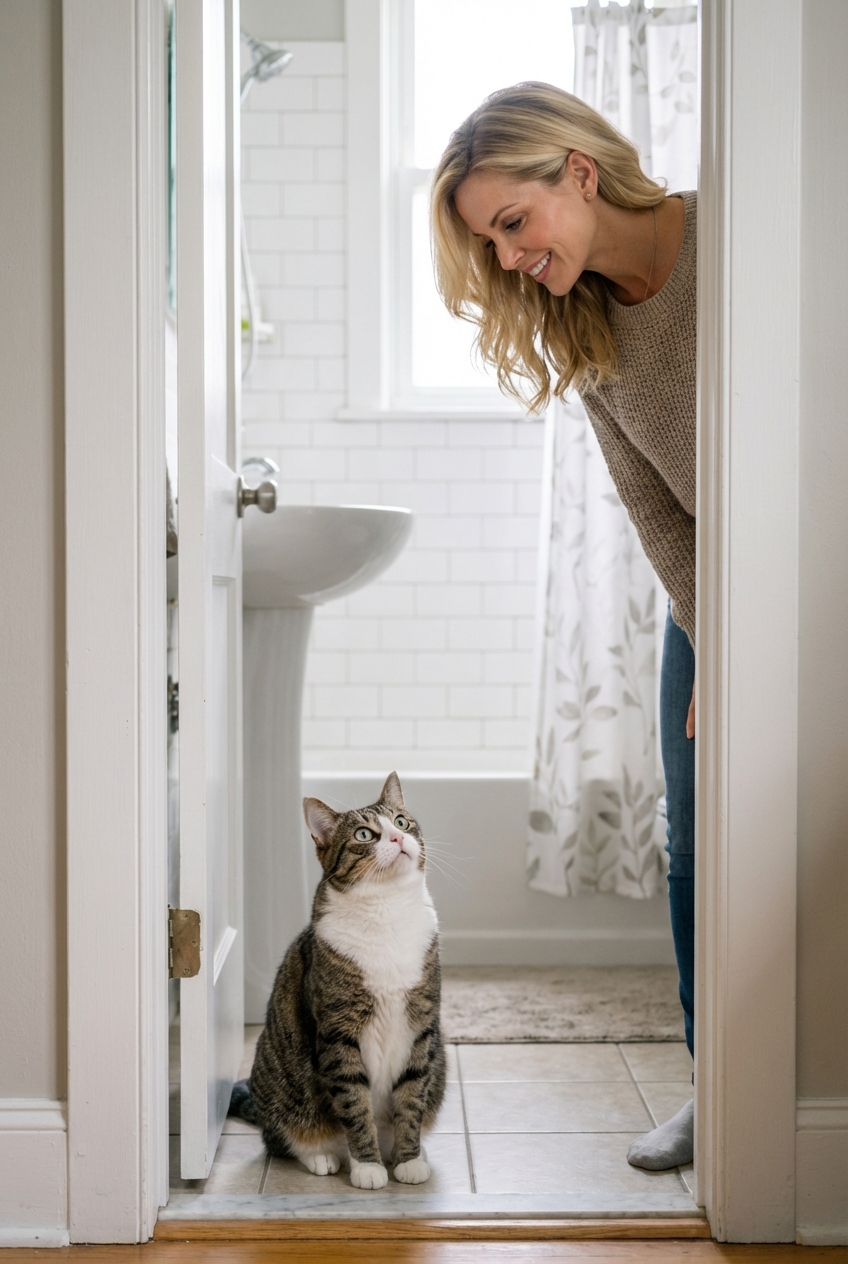
If you have ever tried to use the bathroom alone and felt a pair of curious eyes on you, you are in good company. Many cats follow their people into the bathroom, wait outside the door, or even insist on supervising the whole process. It can feel funny, clingy, or a little bit invasive, but in most cases it is completely normal feline behavior.
As a veterinary assistant in general practice, I like to remind pet parents that cats are not being “weird” to be difficult. They are usually being predictable cats: social when they want to be, drawn to routines, and very interested in what their favorite human is doing.
Common reasons cats follow you
1) You are their safe person
Cats form strong attachments, even if they show it differently than dogs. Following you can be a sign of social bonding. In multi-person households, many cats pick a favorite and prefer to keep tabs on them.
2) Curiosity and “FOMO”
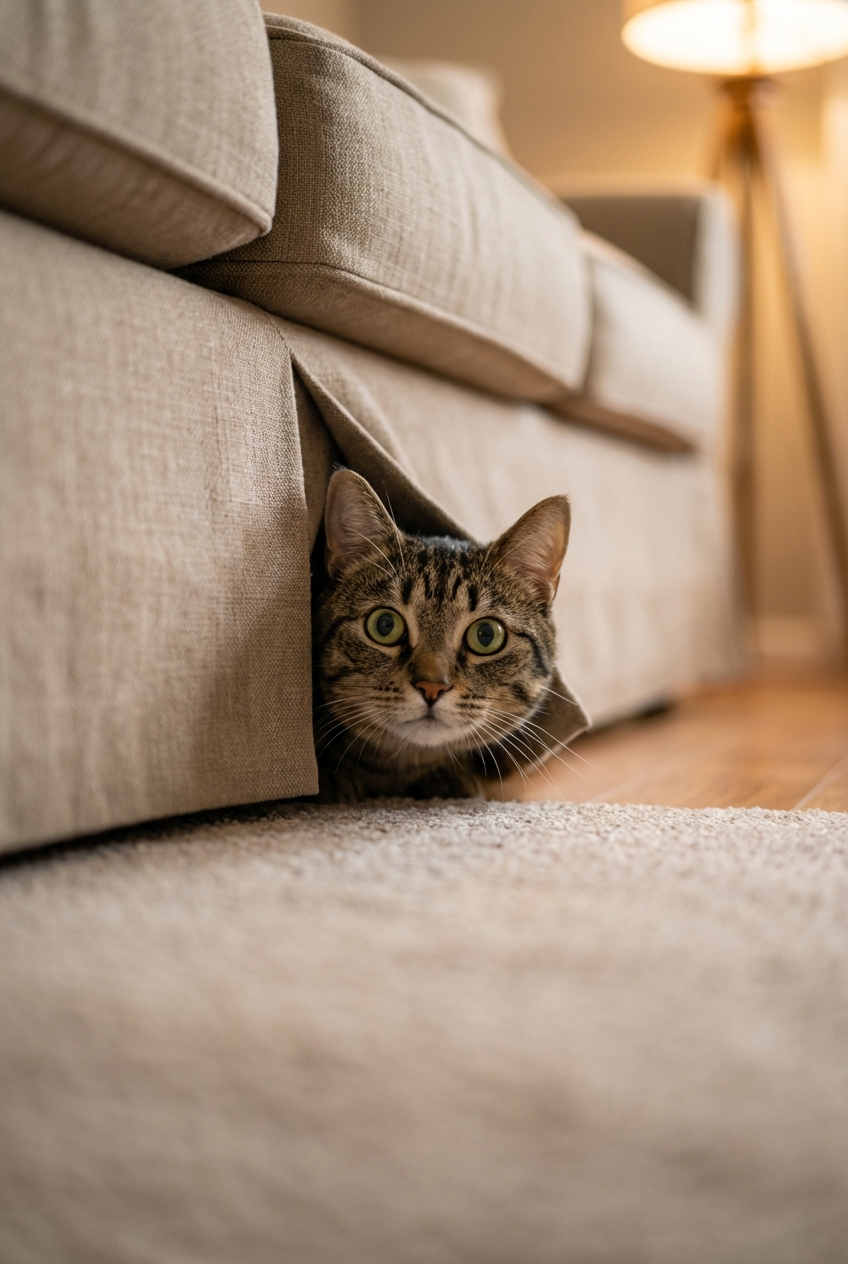
Cats are natural investigators. A closed door creates instant intrigue. If you disappear behind a barrier, your cat may simply want to confirm what is happening and whether it involves something important, like food, play, or attention.
3) Bathrooms smell interesting
To a cat, the bathroom is full of information. Cats rely heavily on scent, and the bathroom contains strong smells from soaps, shampoos, and cleaning products. Your scent is also concentrated there, which can be comforting or just fascinating.
4) Routine is comforting
Many cats love predictable patterns. If you head to the bathroom at the same times each day, your cat may have built it into their schedule. Some cats even treat it like a daily check-in ritual.
5) They learned it gets them attention
If you talk to your cat, pet them, or pick them up while you are in there, they may be repeating a behavior that has been rewarded. Even laughing, making eye contact, or saying “no” can count as attention in a cat’s mind.
6) The bathroom can be warm and quiet
Bathrooms can be cozy. Heated floors, sunlit tiles, or a quiet space away from other pets can make it an appealing hangout spot.
Quick facts about cats and bathrooms
- Some cats love running water. Sinks, tubs, and even the sound of a toilet can spark curiosity. Many cats seem to prefer moving water, possibly because it tends to smell fresher and less stagnant, but any water source can still be contaminated.
- Cats are social, just selective. Cats can be very people-oriented, especially if they were well-socialized as kittens. They may prefer “together time” on their terms, including when you are behind a door.
- Closed doors can be frustrating. Many cats dislike blocked access because it limits their ability to patrol their territory.
- Your cat may be “on duty.” Cats are both predator and prey animals, and some may follow you because the bathroom can feel like a vulnerable spot. It can also simply be a bonding habit.
When it is normal and when to worry
Bathroom following is usually harmless. But changes in behavior matter. If your cat suddenly becomes extra clingy, vocal, or distressed when you leave, it is worth paying attention.
Normal signs
- They follow you in calmly and leave when they are done checking things out
- They rub on your legs, sit nearby, or ask for a quick pet
- They do it occasionally or as part of a routine
Check in with your veterinarian if you notice
- Sudden neediness that is new for your cat
- Yowling outside the door or panic when separated (this can overlap with separation-related distress, and a vet visit can help rule out medical causes before you consider a behavior plan)
- Increased drinking from faucets or toilets along with more urination (this can be a red flag for issues like diabetes or kidney disease)
- Litter box changes such as straining, frequent trips, accidents, or crying when urinating (urgent in male cats)
- Senior changes like confusion, restlessness at night, or new anxiety
If something feels “off,” trust your gut. Behavior is often one of the earliest ways cats show us they might not feel well.
Age note: Kittens often follow more because they are learning the household and shadowing their favorite person. Seniors may follow more due to anxiety, sensory changes, or cognitive decline, so a new shift in an older cat is worth mentioning at your next appointment.
Tips for more privacy
You do not have to feel guilty for wanting a minute alone. Here are gentle, cat-friendly ways to set boundaries without creating stress.
Create a better alternative
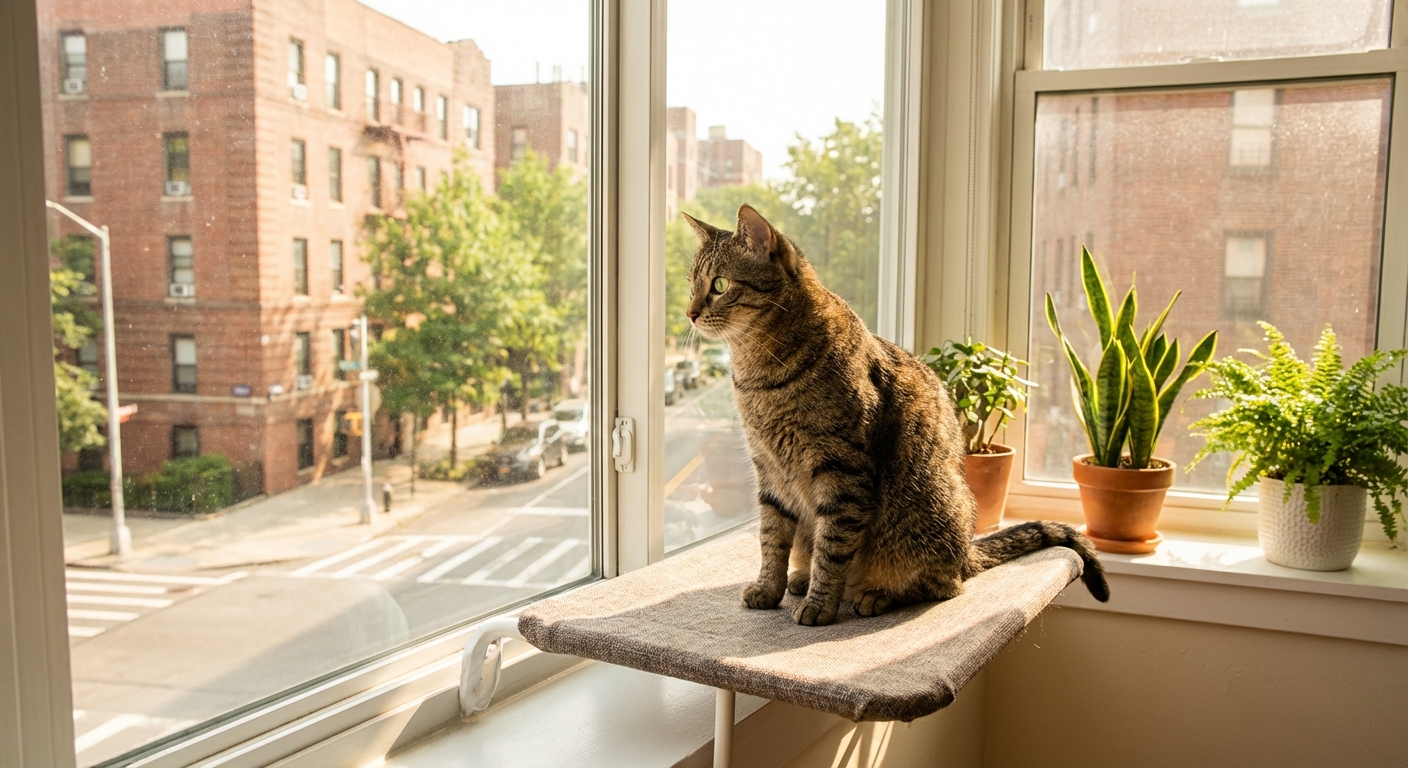
- Offer a high-value spot nearby, like a cozy bed or window perch.
- Use enrichment right before you close the door: a food puzzle, a lickable treat, or a small scatter of kibble can keep them busy.
- Try a “bathroom-only” toy that you only bring out when you go in, so your cat has a positive association with you leaving.
Practice short separations
If your cat gets upset when shut out, start with brief door-closed moments and gradually increase the time. Pair it with something your cat loves, like a treat or play session, so they learn separation is safe.
Do not reinforce anxious door behavior
If your cat scratches or cries, avoid immediately opening the door, if it is safe to wait. Otherwise they learn that loud protesting works. Instead, wait for a quiet moment, then open the door and reward calm behavior.
Make the home feel secure
- Provide multiple resting places, scratching posts, and vertical spaces
- Keep litter boxes clean and accessible
- Reduce conflict in multi-cat homes with extra resources (more than one food and water station, and enough litter boxes)
Tips if you enjoy a bathroom buddy
If you think it is cute and your cat is calm, it is perfectly fine to let it happen. Just keep safety in mind.
- Close the toilet lid. Toilet water can contain cleaning chemicals and bacteria, and some cats can fall in.
- Keep medications secured. Common items like pain relievers, vitamins, and creams can be dangerous if chewed.
- Watch stringy items. Dental floss, hair ties, and cotton swabs can cause intestinal blockages if swallowed.
- Be cautious with essential oils and strong cleaners. Many are irritating or toxic to cats, especially in a small space with poor ventilation.
- Close the door during deep cleaning. If you are using bleach or other strong products, or if there is standing water in the tub or a bucket, it is safest to keep your cat out until everything is rinsed, dried, and well-ventilated.
A quick note on water interest
If your cat follows you mostly to investigate the sink or tub, you can lean into that instinct in a healthier way. Consider a cat water fountain, refresh water daily, and place water bowls away from the litter box. If you see a big increase in thirst, schedule a veterinary visit, because increased drinking can be an early sign of a medical issue.
The bottom line
Your cat following you into the bathroom is usually about bonding, curiosity, and routine. For many cats, you are the most interesting thing in the house, and a closed door is simply an invitation to investigate.
If the behavior is sudden, intense, or paired with appetite, drinking, or litter box changes, it is worth a closer look with your veterinarian. Otherwise, you can either enjoy your little shadow or set kind boundaries with enrichment and consistency.