From happy purring drool to dental pain, nausea, toxins, or heatstroke—learn what cat drooling can mean. Follow a step-by-step checklist and know when to c...
Article
•
Designer Mixes
Why Does My Cat Drool When I Pet Him?

Shari Shidate
Designer Mixes contributor
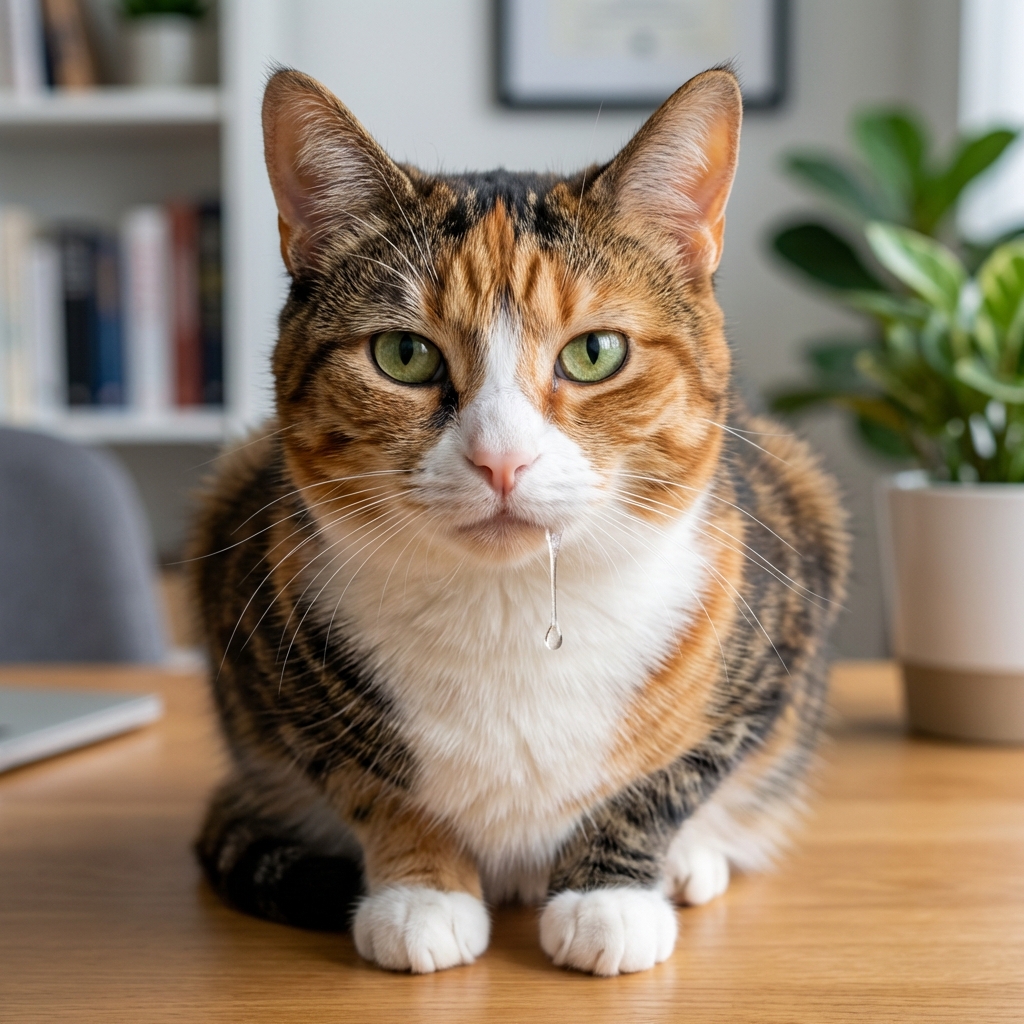
Nothing makes your heart melt like a cat who leans into your hand and purrs like a tiny engine. Then you feel it: drool. If you are wondering why your cat drools when you pet them, you are not alone. As a veterinary assistant, I see this question often, and the good news is that drooling can be completely normal in certain situations. But sometimes it is a clue that something is going on in the mouth, stomach, or elsewhere in the body.
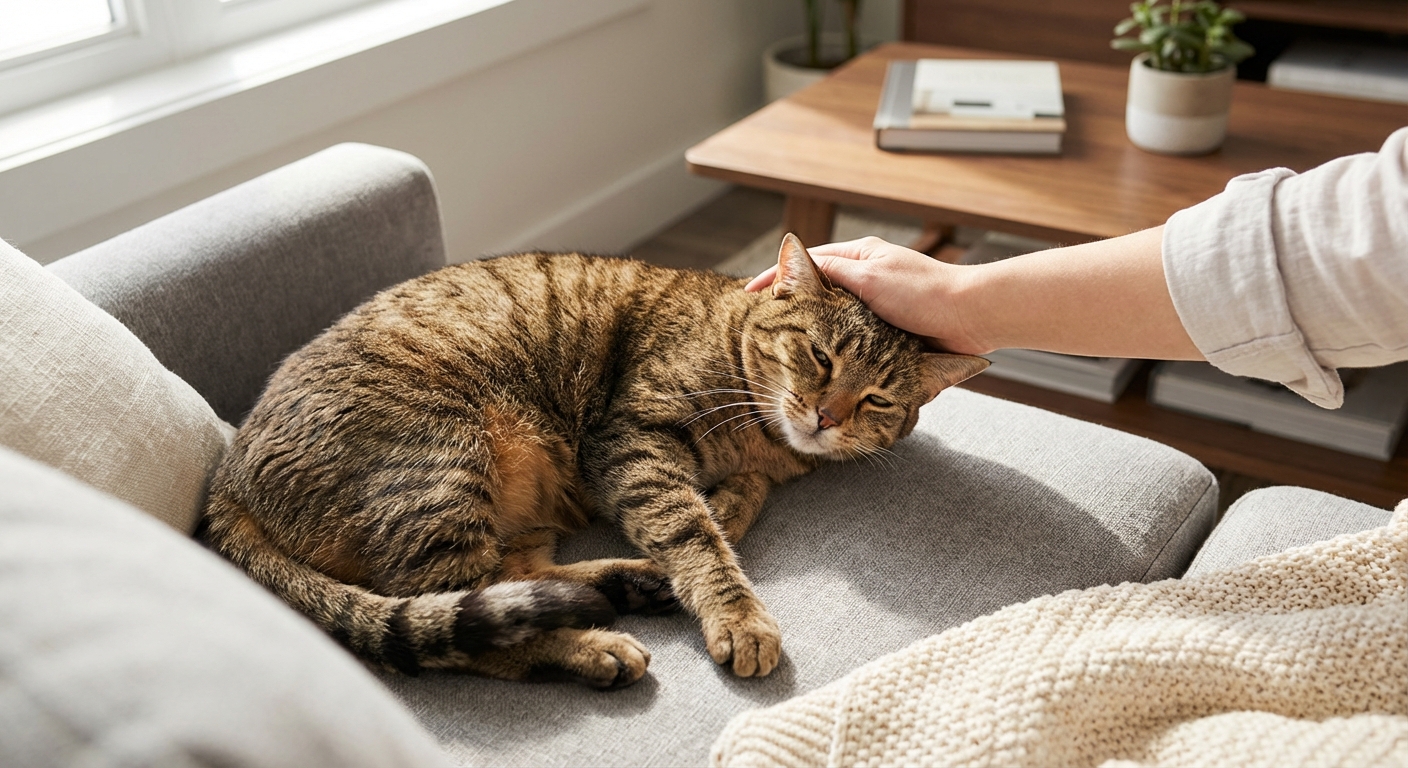
Let’s walk through the most common reasons, what’s normal, what’s not, and exactly when it’s time to call your veterinarian.
When drooling is normal
1) Deep relaxation
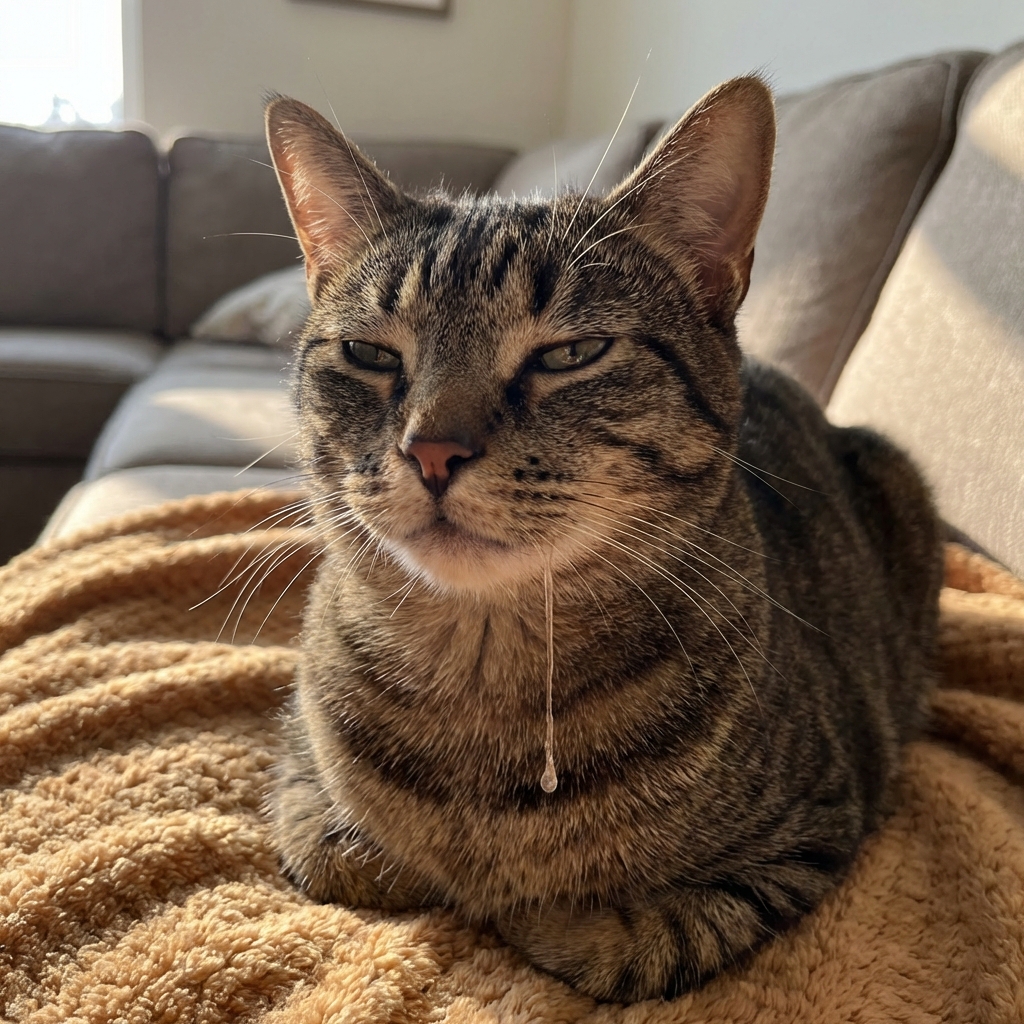
Many cats drool when they are content, especially during petting, kneading , or purring. This is often compared to a “kitten comfort” response. Kittens nurse, knead, and relax, and some adult cats keep a version of that response, including a little saliva.
- What it looks like: slow blinks , soft body posture, purring, saliva that is clear and watery.
- What to do: keep doing what you are doing. Just place a small towel nearby if needed.
2) Scent marking
Cats have scent glands around the face. When your cat rubs their cheeks or chin on you, they are depositing their scent and reinforcing bonding. Some cats drool a bit during this “safe and happy” moment.
3) Catnip or silver vine
Drooling after catnip exposure is common . It is usually short-lived and harmless.
- What it looks like: drooling paired with rolling, rubbing, zoomies, or blissed-out staring.
- What to do: limit how often you offer catnip if your cat gets overly worked up or seems nauseated.
When drooling can mean trouble
Drooling that is new, heavy, smelly, thick, bloody, or paired with other symptoms deserves attention. Cats can be surprisingly subtle when they are uncomfortable, and mouth pain is one of the most commonly missed reasons for drooling.
1) Dental disease or mouth pain
This is the big one. Gingivitis, periodontal disease, tooth resorption (a common and painful condition in cats), broken teeth, and oral infections can all cause drooling. Pain can increase saliva, and some cats drool because swallowing hurts.
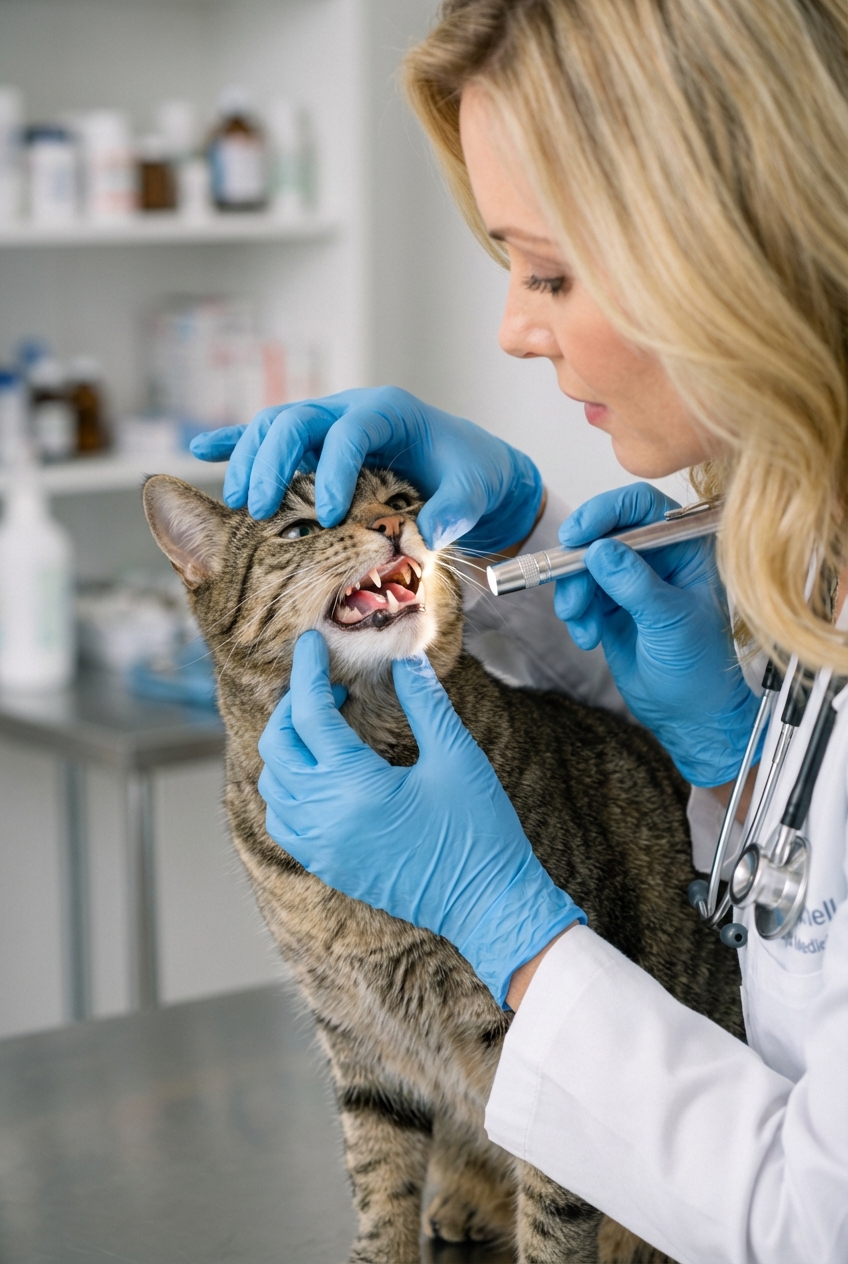
- Clues to watch for: bad breath, pawing at the mouth, dropping food, chewing on one side, reluctance to eat hard kibble, hiding, or becoming grumpy when touched near the face.
- What helps: a veterinary oral exam, and often dental cleaning with dental X-rays. At-home brushing and vet-approved dental products help long-term, but they cannot reverse advanced disease.
2) Nausea or stomach upset
Cats may drool when nauseated. You might see lip smacking, gulping, swallowing repeatedly, or a hunched “meatloaf” posture (a sign of discomfort that can occur with nausea or pain). Hairballs , diet changes, eating something unusual, parasites, pancreatitis, kidney or liver disease, and other illnesses can cause nausea.
- Clues to watch for: vomiting , decreased appetite, hiding, lethargy, or changes in litter box habits.
- What helps: a vet visit if nausea persists, keeps returning, or comes with vomiting, not eating, or low energy. Go sooner for kittens, seniors, or cats with chronic health issues.
3) Mouth irritation or foreign material
Chewing on a string, plant, toy, or encountering a bad taste can trigger sudden drooling. Cats can also drool if they get a medication that tastes bitter , or if a liquid medication irritates the mouth.
- Clues to watch for: sudden drooling, gagging, retching, pawing at the mouth.
- Important: string, ribbon, yarn, tinsel, and dental floss are emergency-level hazards. Do not pull a string you see in the mouth. Call your vet or an emergency clinic right away.
4) Stress or motion sickness
Some cats drool during stressful handling, car rides, or vet visits. This can happen alongside panting , wide pupils, low posture, or vocalizing.
- What helps: calm carriers, pheromone sprays, and talking to your veterinarian about anxiety support for travel.
5) Toxins and dangerous exposures
Drooling can be an early sign of toxin exposure or caustic irritation. Household cleaners, insecticides, flea and tick products not labeled for cats, lilies , and certain human foods can be dangerous. Cats can also be sensitive to some essential oils , especially with direct contact, ingestion, or heavy diffusion in a closed space.
- Emergency clues: vomiting, tremors, weakness, trouble breathing, collapse, or drooling that starts suddenly after possible exposure.
- What to do now: call your veterinarian, an emergency clinic, or Pet Poison Helpline as soon as possible.
6) Upper respiratory disease or mouth ulcers
Viruses like feline herpesvirus and calicivirus can cause mouth sores. Those ulcers can be very painful and may lead to drooling.
- Clues to watch for: sneezing , eye discharge, congestion, fever, decreased appetite, or visible sores.
7) Oral masses (less common)
Growths in the mouth, including tumors, can cause drooling, bad breath, bleeding, or difficulty eating. This is more common in older cats, but any new mouth lump should be checked.
- Clues to watch for: drooling with blood, strong odor, swelling on the face or jaw, weight loss, or trouble picking up food.
8) Heat stress or breathing trouble
Cats do not pant often. If you notice open-mouth breathing, panting, or heavy drooling during heat or stress, treat it as urgent, especially if your cat seems weak or is struggling to breathe.
9) Neurologic issues (rare, but important)
In rare cases, drooling can be related to seizures, nerve problems, or other neurologic disease. This typically does not happen only during happy petting, and it usually comes with other signs.
- Clues to watch for: disorientation, wobbliness, abnormal eye movements, sudden behavior changes, or collapse.
Happy drool vs sick drool
Here is a simple way to think about it:
- More likely normal: only happens during petting or purring, your cat is relaxed, saliva is clear, appetite and behavior are normal.
- More likely medical: drooling happens randomly or frequently, your cat seems painful, breath smells bad, saliva is thick, foamy, bloody, or foul-smelling, or there are appetite and behavior changes.
If you are unsure, trust your instincts. A quick exam can catch dental disease or oral pain early, and that can make a huge quality-of-life difference.
What you can do at home
1) Note patterns
Write down when it happens and what else you notice. Patterns are very helpful for your veterinarian.
- Only during petting or kneading?
- After meals?
- After a car ride?
- After catnip?
- Any vomiting, sneezing, or appetite changes?
2) Do a gentle check
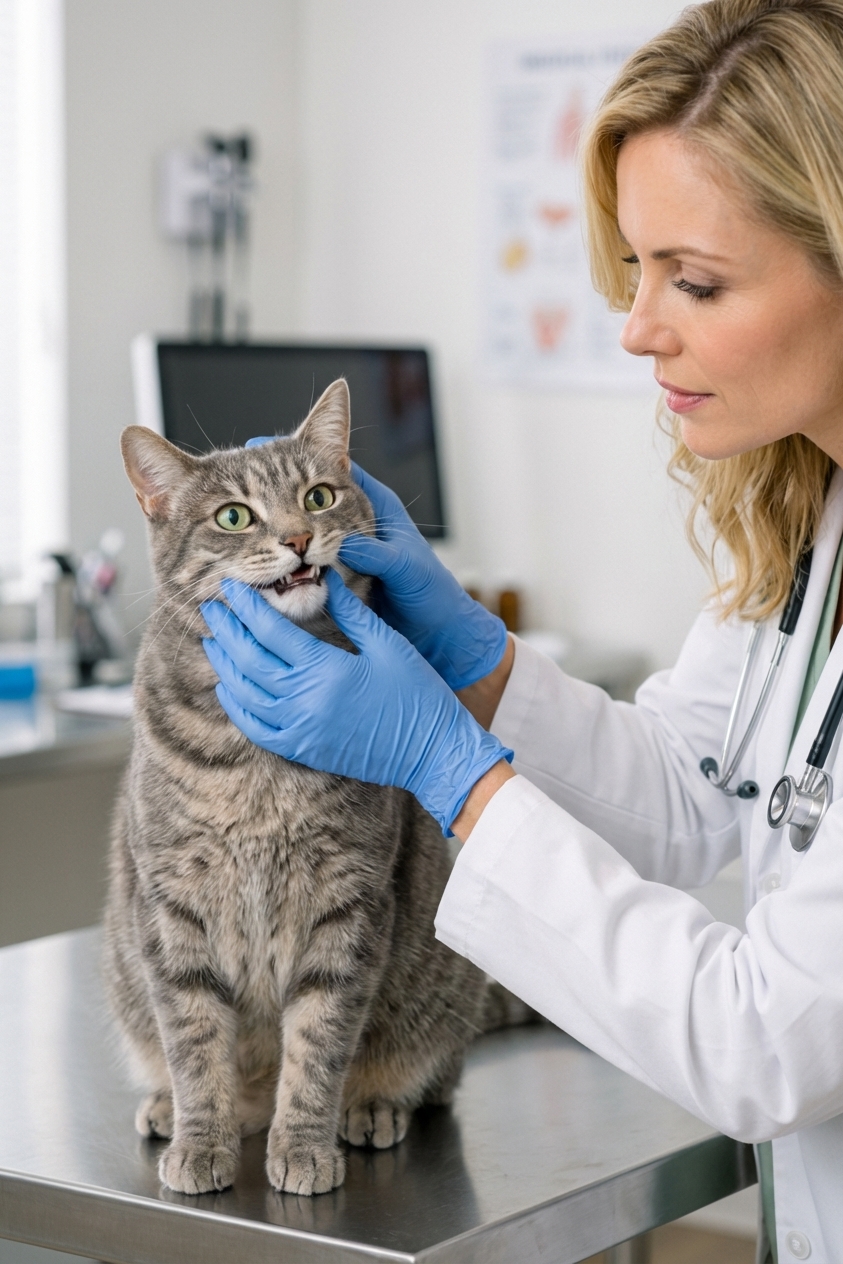
If your cat allows it, lift the lips briefly and look for obvious redness, swelling, broken teeth, or a bad smell. Do not pry the mouth open if your cat resists, and do not put your fingers in the mouth of a painful cat.
3) Avoid common triggers
- Keep strings, ribbons, rubber bands, and tinsel out of reach.
- Use only cat-labeled flea and tick products.
- Be cautious with essential oils, especially diffusers, and keep products completely out of reach.
- Keep lilies completely out of the home if you have cats.
4) Keep diet changes slow
Sudden diet changes can cause stomach upset. If you need to switch foods, go slowly over 7 to 10 days. If you suspect nausea or hairballs, talk to your veterinarian before adding remedies, especially human products.
What the vet may do
Depending on your cat’s symptoms, your veterinarian may recommend an oral exam (sometimes with sedation for a thorough look), dental X-rays, and treatment for painful teeth or gum disease. If nausea or systemic illness is suspected, they may also suggest bloodwork, imaging, or parasite testing to look for underlying causes.
When to call the vet
Call your veterinarian if:
- Drooling is new or getting worse.
- Your cat has bad breath, red gums, or trouble eating.
- You see blood, thick foam, or a foul odor.
- There is vomiting, lethargy, hiding, or appetite loss.
- You suspect a string or foreign object.
- You suspect toxin exposure.
Seek urgent care the same day for suspected toxins, trouble breathing or open-mouth breathing, repeated vomiting, wobbliness, collapse, or a string hanging from the mouth.
The bottom line
If your cat drools when you pet them and they are otherwise acting normal, it can be a sweet sign that they feel safe and relaxed with you. But if drooling is frequent, messy, smelly, or paired with any changes in eating or behavior, it is time to get an exam and take a close look at the mouth. Dental pain is common in cats, and they deserve relief.
If you are concerned, bring notes (when it happens, what it looks like, and any other symptoms) to your veterinarian. That small timeline can make the visit faster and more productive.