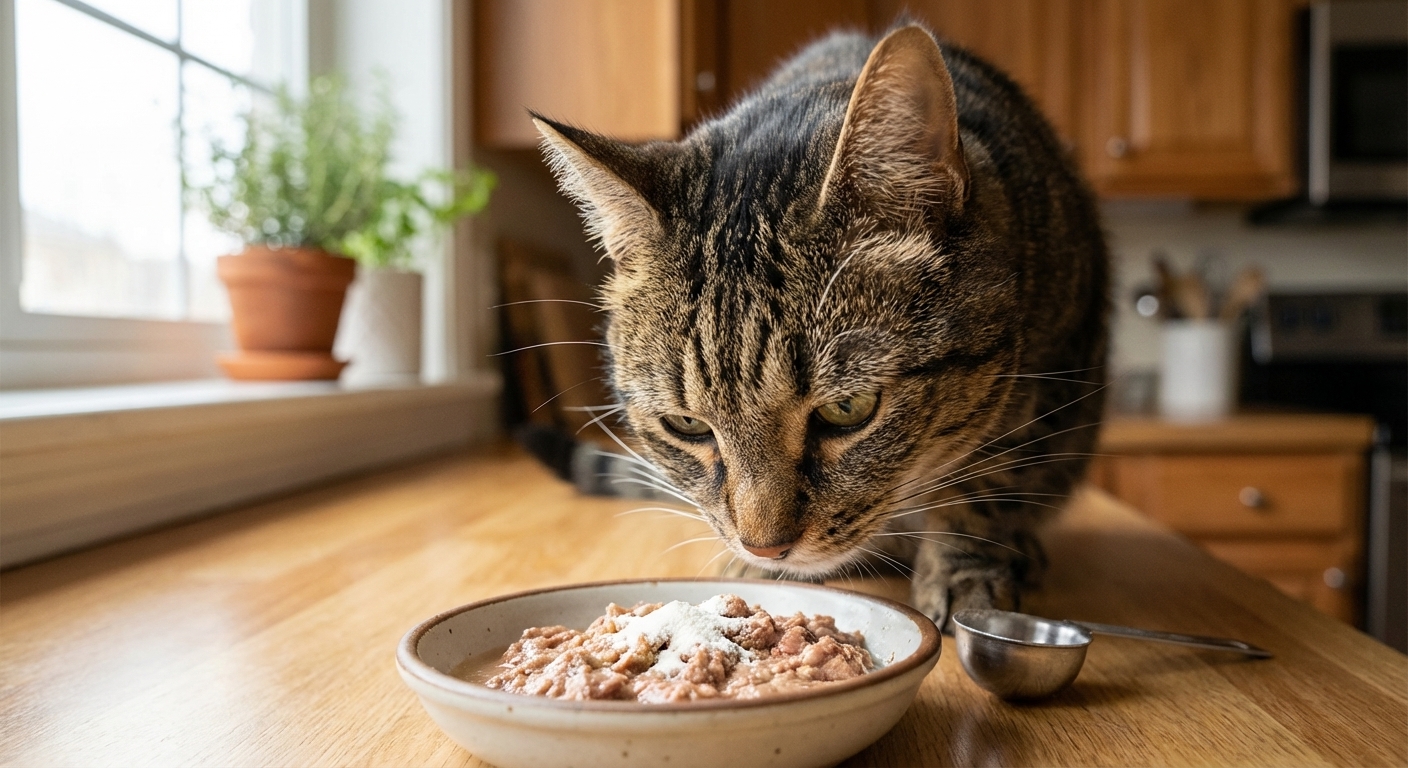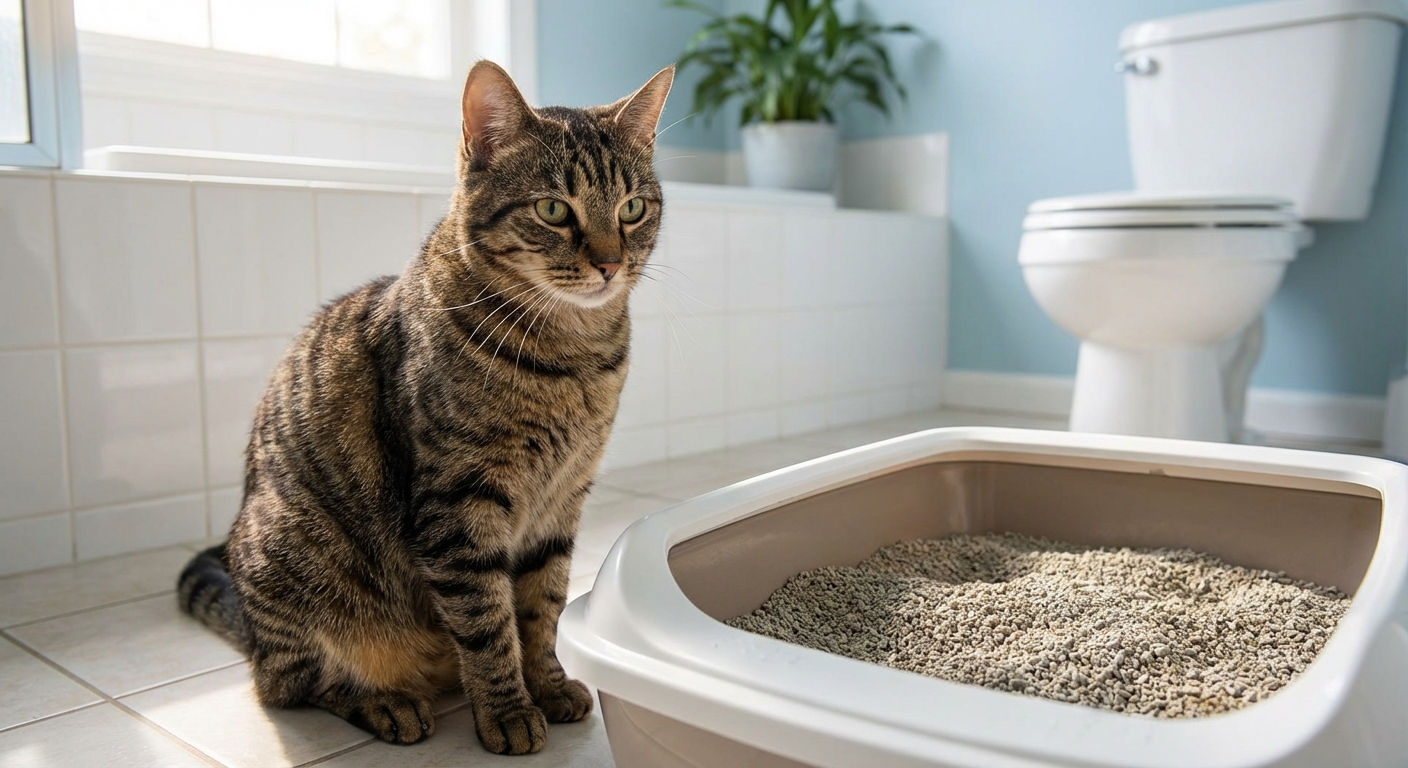
Learn what cat diarrhea looks like, common causes, and vet-approved home care: hydration, gentle meals, probiotics, and what to track. Know the red flags tha...
Article
•
Designer Mixes
Why Does My Cat Always Have Diarrhea?

Shari Shidate
Designer Mixes contributor
If it feels like your cat always has diarrhea, you are not overreacting. Ongoing loose stool is a common reason cats end up at the vet, and it can signal anything from a simple diet mismatch to parasites or chronic intestinal disease. The good news is that with the right steps, many cats improve quickly.
As a veterinary assistant, I always tell pet parents the same thing: your best tools are timing, details, and a stool sample. Let’s walk through what veterinarians look for, what you can do at home safely, and when it is time to go in right away.
This information is educational and not a substitute for veterinary diagnosis or treatment.
First: What counts as “always”?
Diarrhea is usually defined as stool that is softer than normal, unformed, or watery, often with increased frequency. It becomes more urgent when it is:
- Persistent: lasting more than about 24 to 48 hours (a practical guideline many clinics use)
- Recurring: keeps coming back over weeks
- With red flags: blood, vomiting, weight loss, poor appetite, or lethargy
Chronic diarrhea (often defined as more than about 2 to 3 weeks) deserves a veterinary workup. If your cat is a kitten, elderly, or has chronic disease, call your clinic sooner, even within 12 to 24 hours. Cats are very good at hiding illness, so “mild” symptoms can still matter.
Common causes vets see
1) Diet issues (a common starting point)
Cats have sensitive GI systems. Diarrhea can be triggered by sudden food changes, rich treats, table food, dairy, or a new flavor your cat “loves” but cannot tolerate. Even frequent brand or formula switching can keep the stool loose.
- Sudden diet change: a fast switch can cause temporary diarrhea
- Food intolerance: not an allergy, but the gut does not handle an ingredient well
- Food allergy: may include itching, ear issues, or skin problems along with GI signs
2) Parasites and protozoa
Even indoor cats can get parasites from contaminated shoes, a new kitten in the home, shared litter boxes, or occasional exposure to prey. Insects and small prey can occasionally carry parasite stages too, so it is not just an “outdoor cat” problem. Common culprits include roundworms, hookworms, Giardia, coccidia, and, in some cats, Tritrichomonas foetus.
Important note: a “negative” single fecal test does not always rule out parasites. Some organisms shed intermittently, so your vet may recommend repeat testing, specific Giardia tests, or PCR testing. Many veterinarians also empirically deworm based on risk and symptoms, even when a fecal test is negative. That can be normal and appropriate.
If you have a young cat from a shelter, cattery, or multi-cat household with persistent large-bowel signs (mucus, straining, urgency), ask your vet whether Tritrichomonas testing makes sense.
3) Stress and environmental change
Cats can develop diarrhea during boarding, house moves, new pets, schedule changes, or tension between cats. Stress can alter gut motility and the intestinal microbiome.
4) IBD and chronic enteropathies
Inflammatory bowel disease (IBD) is a common cause of chronic diarrhea in adult and senior cats. You may also see vomiting, picky eating, weight loss, or a “good appetite but still losing weight” story. Diagnosis often involves lab work, ultrasound, diet trials, and sometimes intestinal biopsies.
5) Intestinal lymphoma and other chronic disease
Some cats with long-term GI signs have conditions that overlap with IBD, including intestinal lymphoma. This is one reason chronic diarrhea should be taken seriously, especially when paired with weight loss, poor appetite, or low energy.
6) Infections and microbiome imbalance
Microbiome imbalance (sometimes called dysbiosis) can happen after diet changes, stress, or antibiotics. It is more of a description than a stand-alone diagnosis, so your vet decides whether additional testing or treatment is needed based on your cat’s age, history, and severity.
7) Toxins, litter box exposures, and “oops” eating
Some cats nibble plants, lick cleaning products off paws, or get into human foods that upset their stomach. Certain medications, supplements, and essential oils can also cause GI signs. If you suspect exposure to a toxin or a foreign object, call right away.
8) Systemic disease
Hyperthyroidism (common in older cats), pancreatic disease, liver disease, and other systemic issues can show up as chronic diarrhea or weight loss. Exocrine pancreatic insufficiency (EPI) is less common in cats, but it can be part of the differential list in chronic cases. This is why chronic diarrhea often needs bloodwork, not just a diet change.
9) Constipation with overflow
Occasionally, what looks like diarrhea is actually liquid stool leaking around constipation (sometimes called overflow). You might see frequent trips to the box, straining, and small amounts of loose stool. Your vet can help sort this out with an exam and, sometimes, imaging.
Small vs large bowel clues
Veterinarians often use your observations to narrow the cause quickly.
- Small intestine signs: large volume stool, weight loss, possible vomiting, less urgency
- Large intestine signs: frequent small amounts, mucus, straining, urgency, fresh red blood can occur
You do not have to diagnose this at home. Just notice patterns and share them with your clinic.
When it is an emergency
Please contact an emergency vet or your regular clinic right away if you notice:
- Diarrhea plus repeated vomiting
- Blood in the stool (more than a tiny streak, or any dark tarry stool)
- Lethargy, hiding, weakness, or collapse
- Refusing food for 24 hours (or any time in a kitten)
- Dehydration (tacky gums, sunken eyes, skin staying tented)
- A kitten, senior, or cat with chronic disease (kidney disease, diabetes)
- Possible toxin exposure or foreign object ingestion (for example, lilies, certain cleaners, human medications)
Cats, especially kittens, can deteriorate quickly with dehydration and electrolyte imbalance.
What you can do at home
1) Pause the extras
Stop treats, table food, dairy, new chews, and flavored supplements unless your vet says otherwise. Keep things simple and consistent.
2) Do not fast cats like you might a dog
Unlike dogs, cats should not be fasted without veterinary guidance. Cats are more prone to hepatic lipidosis (fatty liver) if they stop eating, especially overweight cats.
3) Use a consistent, digestible diet
If your vet has previously recommended a sensitive-stomach diet, use that. If not, call your clinic and ask what they prefer for short-term GI upset. Many veterinarians recommend a commercial gastrointestinal diet for a brief period because it is nutritionally complete and designed for digestibility.
Try to avoid home-cooked “bland diets” unless your veterinarian specifically directs you. They are often nutritionally incomplete for cats, and some well-meaning recipes can create problems if used longer than intended.
4) Hydration support
- Offer plenty of fresh water.
- Consider a cat water fountain if your cat drinks better from moving water.
- Wet food can increase fluid intake, but ask your vet if a diet change is appropriate for your situation.
5) Ask about probiotics
Veterinary probiotics can help some cats, especially if diarrhea started after stress or antibiotics. Use products made for pets and follow your vet’s dosing advice. Avoid human probiotics unless your veterinarian okays them.
6) Track the basics for 48 hours
- Number of stools per day
- Stool consistency (soft, pudding-like, watery)
- Any mucus or blood
- Appetite and water intake
- Energy level
- Vomiting, even once
This information helps your veterinarian choose the right tests and avoid guessing.
What not to do
- Do not give human anti-diarrheal medications (like loperamide) unless your vet specifically prescribes them. They can cause serious side effects in cats and can be especially risky if infection, toxins, or an underlying disease is involved.
- Do not keep switching foods every couple of days. Rapid changes can prolong diarrhea.
- Do not assume “it’s just stress” if it keeps happening. Stress can be real, but chronic diarrhea still deserves testing.
- Do not delay care if your cat is losing weight, acting painful, or not eating.
What your vet may recommend
Bring a fresh stool sample
If possible, bring a stool sample that is less than 12 hours old. Keep it in a clean container or stool cup from your vet, and refrigerate it until you leave (do not freeze unless your clinic instructs you to).
Common first-line testing
- Fecal testing: flotation, antigen tests (often for Giardia), PCR panels in select cases
- Bloodwork: checks dehydration, infection, organ function, thyroid in older cats
- Urinalysis: helpful for overall health context
- FeLV/FIV testing: especially in cats with unknown status
Next steps for chronic cases
- Diet trial: a strict novel protein or hydrolyzed diet for 6 to 8 weeks (no other foods)
- Ultrasound: evaluates intestinal thickening, lymph nodes, pancreas
- B12 (cobalamin): low levels are common with chronic small intestinal disease
- Additional GI and pancreas testing: your vet may recommend a GI panel or pancreatitis testing (such as Spec fPL) depending on the story
- Referral: internal medicine consult for ongoing cases
Chronic diarrhea is often manageable, but it is usually not solved by a single quick food change. A step-by-step plan is what gets you to answers.
Preventing future flare-ups
- Transition foods slowly: over 7 to 10 days if your cat tolerates it
- Keep treats minimal: and choose simple, single-ingredient options
- Use regular parasite prevention: ask your vet what is appropriate for your cat’s lifestyle
- Reduce stress: predictable routines, adequate litter boxes, safe hiding spots, pheromone diffusers if recommended
- Schedule wellness checks: especially for seniors, where thyroid and GI disease are more common
The bottom line
If your cat “always” has diarrhea, the kindest next step is to partner with your veterinarian with good notes and a stool sample. Many cats improve with targeted parasite treatment, the right diet plan, and gut support, but chronic diarrhea should not be ignored.
Action step: Take a photo of the stool, collect a fresh sample, and call your vet. You will save time, money, and your cat a lot of discomfort.