
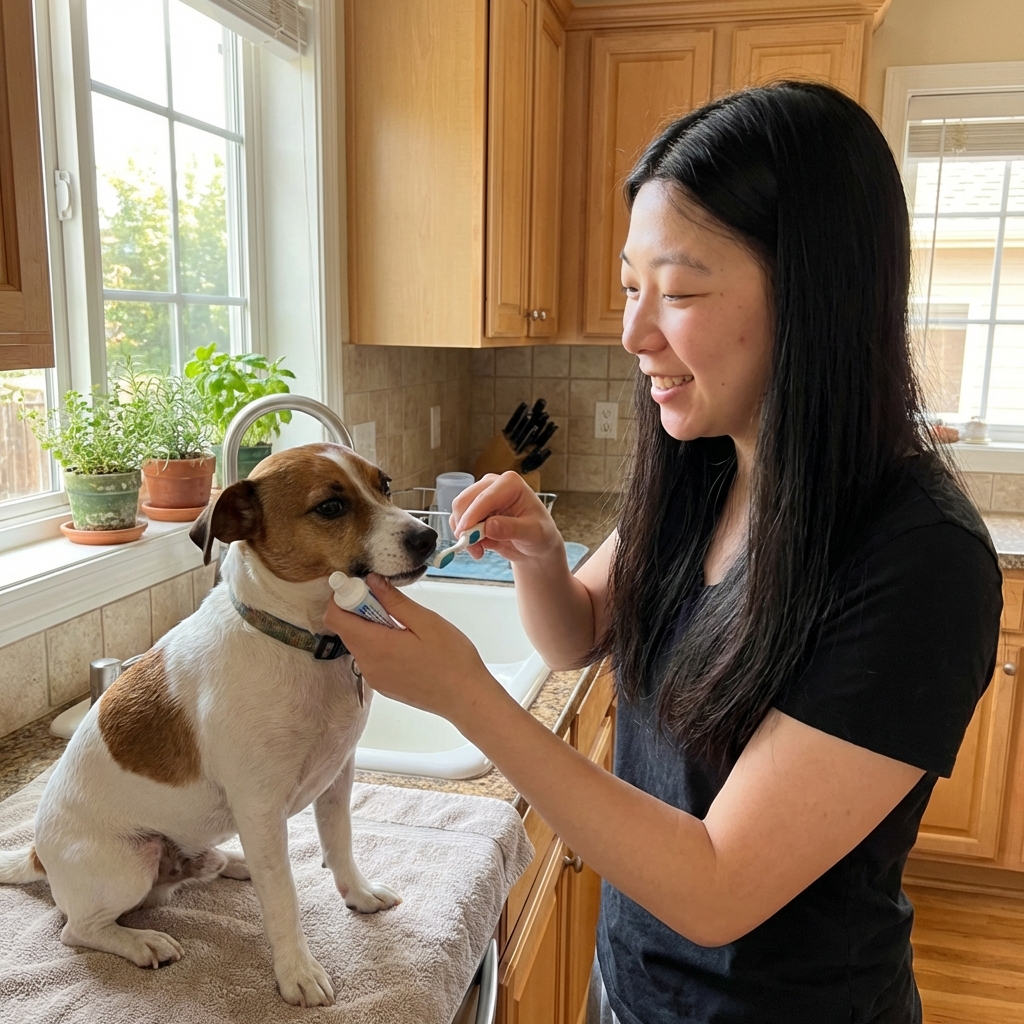
Follow a vet-assistant guide to brushing your dog’s teeth: the right tools, gentle step-by-step method, how often to brush, training plan for resistant dog...
Article
•
Designer Mixes
Why Does Dog Breath Stink?

Shari Shidate
Designer Mixes contributor
If you have ever leaned in for a cuddle and got hit with a wave of stinky dog breath, you are in very good company. As a veterinary assistant in Frisco, Texas, I can tell you this is one of the most common concerns pet parents bring up. The good news is that most bad breath, also called halitosis, has a real cause you can address.
Here are fun, useful facts every owner should know, plus practical steps to help your pup’s breath (and overall health) smell fresher.
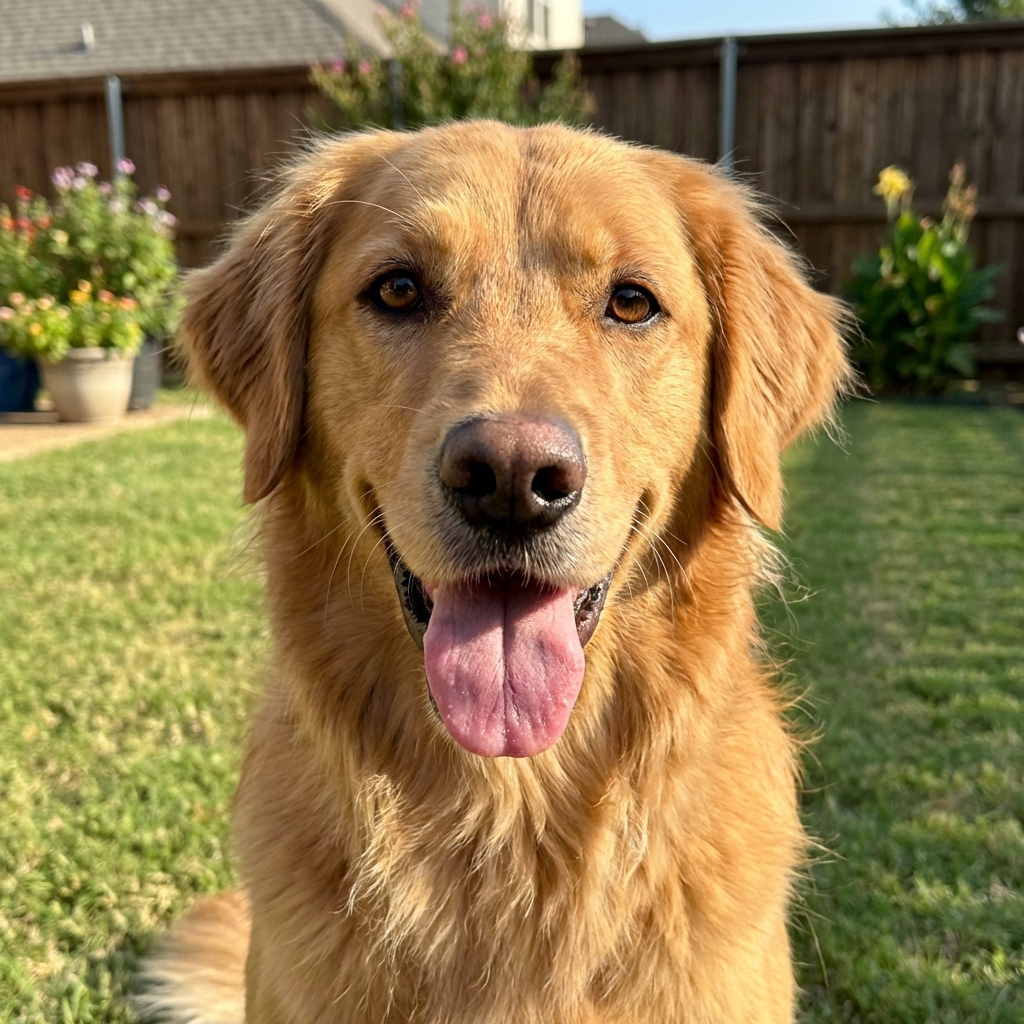
The #1 reason: the mouth
In most dogs, bad breath starts in the mouth. Bacteria naturally live there, but when plaque builds up, bacteria multiply and release smelly sulfur compounds.
Fun fact: “dog breath” is often “bacteria breath”
That classic fishy, rotten, or metallic smell is often tied to plaque, tartar, and inflamed gums. Over time, this can progress to periodontal disease, which is extremely common in adult dogs.
- Plaque can begin forming within hours after eating.
- Tartar happens when plaque mineralizes and hardens. Once it hardens into tartar, it usually cannot be removed with brushing and often requires professional scaling.
- Gingivitis means inflamed gums. It can start quietly and still cause major odor.

What the smell can mean
Breath odor is not a diagnosis, but it can be a helpful signal. Here are patterns we often see in clinic. If something feels sudden, intense, or paired with other symptoms, trust your gut and call your vet.
Swampy, rotten smell
- Most often: dental tartar, gum infection, or a broken tooth
- Sometimes: something stuck between teeth or under the gumline
Sweet or fruity smell
- May be seen with diabetes, especially if paired with increased thirst, increased urination, and weight loss
- If your dog seems “off” and the breath is suddenly sweet, call your vet
- If the sweet smell shows up with vomiting, severe lethargy, or rapid breathing, treat it like an emergency (diabetic ketoacidosis is rare, but serious)
Ammonia or urine-like smell
- Can be associated with kidney disease
- Often also includes appetite changes, weight loss, vomiting, or drinking more
Poop-like smell
- Sometimes it is literally a poop snack (coprophagia) or licking dirty fur
- It can also happen when dogs lick the rear end due to anal gland irritation and transfer that odor to the mouth
- Severe dental disease and GI upset can contribute too
Bad breath that appears suddenly, comes with drooling, pawing at the mouth, bleeding gums, or trouble eating is a prompt reason to schedule a veterinary visit.
Other causes people miss
Dental disease is the biggest driver, but it is not the only one. If the breath seems “different” than usual, these are worth considering too.
1) Something stuck in the mouth
Small pieces of sticks, bones, hair, or chews can wedge between teeth or poke the gums. It can smell awful and can also lead to infection.
2) A cracked or infected tooth
Dogs are brave and often keep eating with painful teeth. Signs can be subtle: chewing on one side, dropping food, increased drooling, or refusing hard treats.
3) Stomach and GI issues
Reflux, chronic nausea, and some intestinal problems can affect breath. If your dog has bad breath plus vomiting, lip licking, grass eating, or poor appetite, it is worth investigating.
4) Diet and treats
Some foods and chews leave a lingering odor, especially if they are sticky and cling to teeth. Highly processed treats can also contribute to plaque buildup over time.
5) The “short-nose” factor
Flat-faced breeds and mixes (like many Pugs, Frenchies, Boston Terriers, and some designer mixes) can be more prone to dental crowding. Crowded teeth trap food and bacteria, which can mean stinkier breath even with a decent diet.
6) Puppies and teething breath
Some puppies get mildly stinky breath during teething, especially if they have a little gum inflammation or are chewing everything in sight. It should not be overwhelming or paired with bleeding, heavy drooling, or not eating. If it is, get them checked.
7) Oral masses (rare, but important)
Persistent foul breath with bleeding, a visible lump, facial swelling, or trouble chewing deserves a prompt exam. Oral tumors and severe infections are not common, but they are reasons we take “new and nasty” breath seriously.
30-second breath check
Once a week, do a simple sniff and look. You are not trying to do a full dental exam, just catching changes early.
- Lift the lip and look for yellow-brown tartar, especially on the back molars.
- Check the gums. Healthy gums are usually pink, not angry red or bleeding.
- Smell the breath. If it is worsening over a few weeks, note it.
- Notice behavior: chewing changes, dropping kibble, rubbing the face, or avoiding touch around the mouth.
What actually helps
There is a big difference between products that reduce bacteria and plaque versus those that simply mask odor for a few hours.
The gold standard: brushing
Brushing is the most effective at-home tool. Aim for daily, but even 3 to 4 times a week can help.
- Use dog toothpaste only (human toothpaste can be unsafe).
- Use a soft-bristle toothbrush or a finger brush, whatever your dog tolerates best.
- Start slow: let your dog lick the toothpaste, then gently rub a few teeth.
- Focus on the outer surfaces, especially the back teeth where tartar loves to build.
Helpful add-ons
- VOHC-accepted dental chews: Look for products with the Veterinary Oral Health Council seal to support plaque control.
- Dental diets: Some prescription and over-the-counter dental kibbles are designed to reduce tartar mechanically.
- Water additives: These can be useful for some dogs, but they work best alongside brushing, not instead of it.
- Vet-recommended oral rinses or gels: Some products (often chlorhexidine or cetylpyridinium-based) may help certain pets, but use them with your vet’s guidance, especially if your dog has health conditions or takes medications.
- Healthy whole foods: Crunchy options like raw carrots (if your dog tolerates them and you supervise) may provide light abrasion, but they will not replace brushing. Always consider your dog’s chewing style and choking risk.
Be cautious with these
- Hard bones, antlers, and very hard chews can crack teeth. A broken tooth can lead to infection and major bad breath.
- Breath sprays often mask odor temporarily without fixing plaque or gum inflammation.
When a dental cleaning helps most
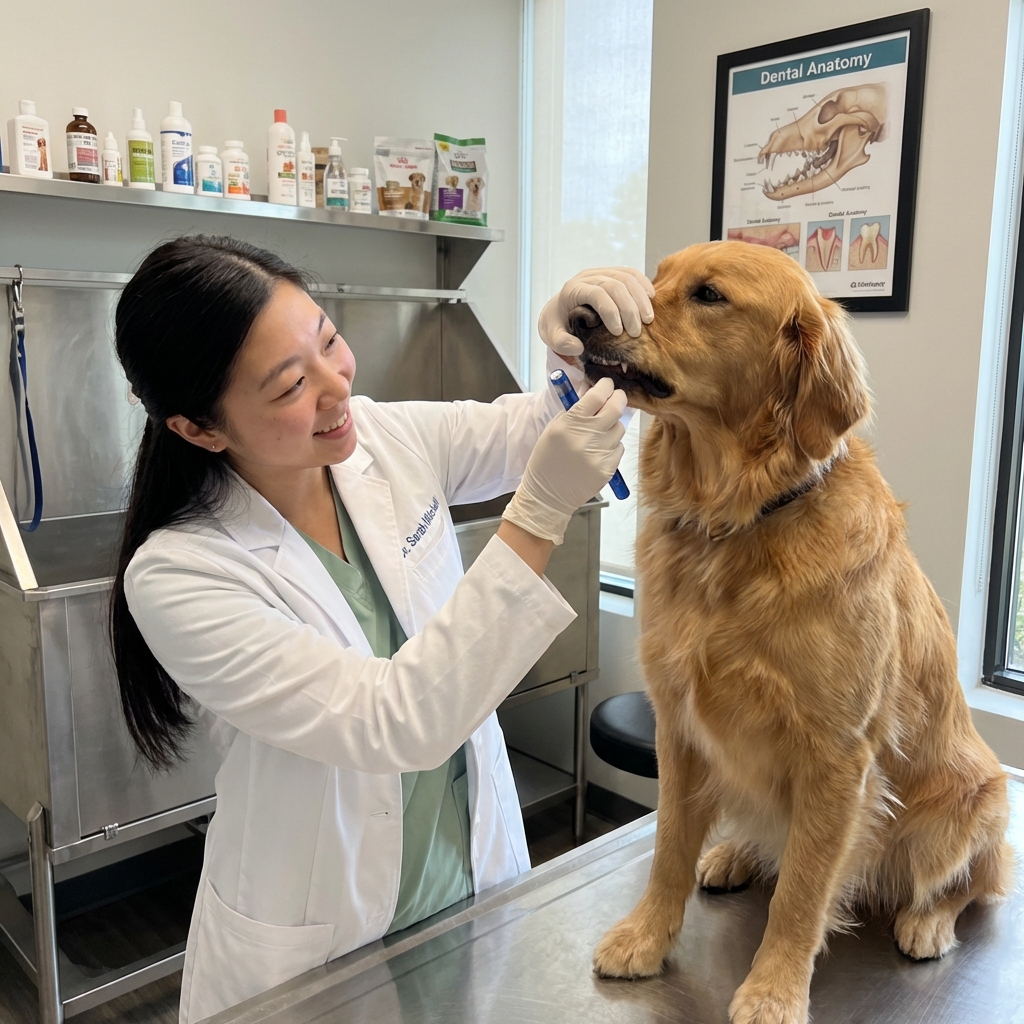
If tartar is visible, gums are inflamed, or your dog’s breath is strong even with at-home care, it is time to talk to your veterinarian. A professional dental cleaning (done under anesthesia) allows the team to clean under the gumline and take dental X-rays, which is where hidden trouble often lives.
If anesthesia makes you nervous, you are not alone. In most healthy pets, dental anesthesia is very safe when your vet does a proper exam and recommends pre-anesthetic bloodwork. Also, be cautious with “anesthesia-free dentals.” They may make teeth look nicer, but they cannot clean or evaluate under the gumline where periodontal disease does the most damage.
From what I see in practice, many owners report their dogs act years younger after dental pain is addressed. Better breath is a wonderful bonus, but the real win is improved comfort and health.
A simple routine
You do not have to be perfect to make progress. Try this simple routine and build from there.
- Daily: 30 to 60 seconds of brushing (or a finger brush wipe if you are just starting).
- 2 to 3 times a week: VOHC dental chew or vet-approved dental treat.
- Weekly: quick lip-lift check for tartar, redness, or broken teeth.
- Every 6 to 12 months: ask your vet to score dental health at wellness visits.
Red flags
Please call your veterinarian promptly if you notice any of the following:
- Sudden, severe bad breath
- Bleeding gums or pus-like discharge
- Facial swelling, especially under the eye
- Not eating, chewing on one side, or crying when chewing
- Excess drooling or pawing at the mouth
- Breath that smells sweet or like ammonia, especially with increased thirst or urination
- A visible lump in the mouth or unexplained bleeding
Bottom line
Most stinky dog breath is a mouth problem, not a mystery. When you tackle plaque and gum health with a consistent routine and partner with your vet for dental exams, you are not just freshening kisses. You are protecting your dog’s comfort, organs, and longevity.
