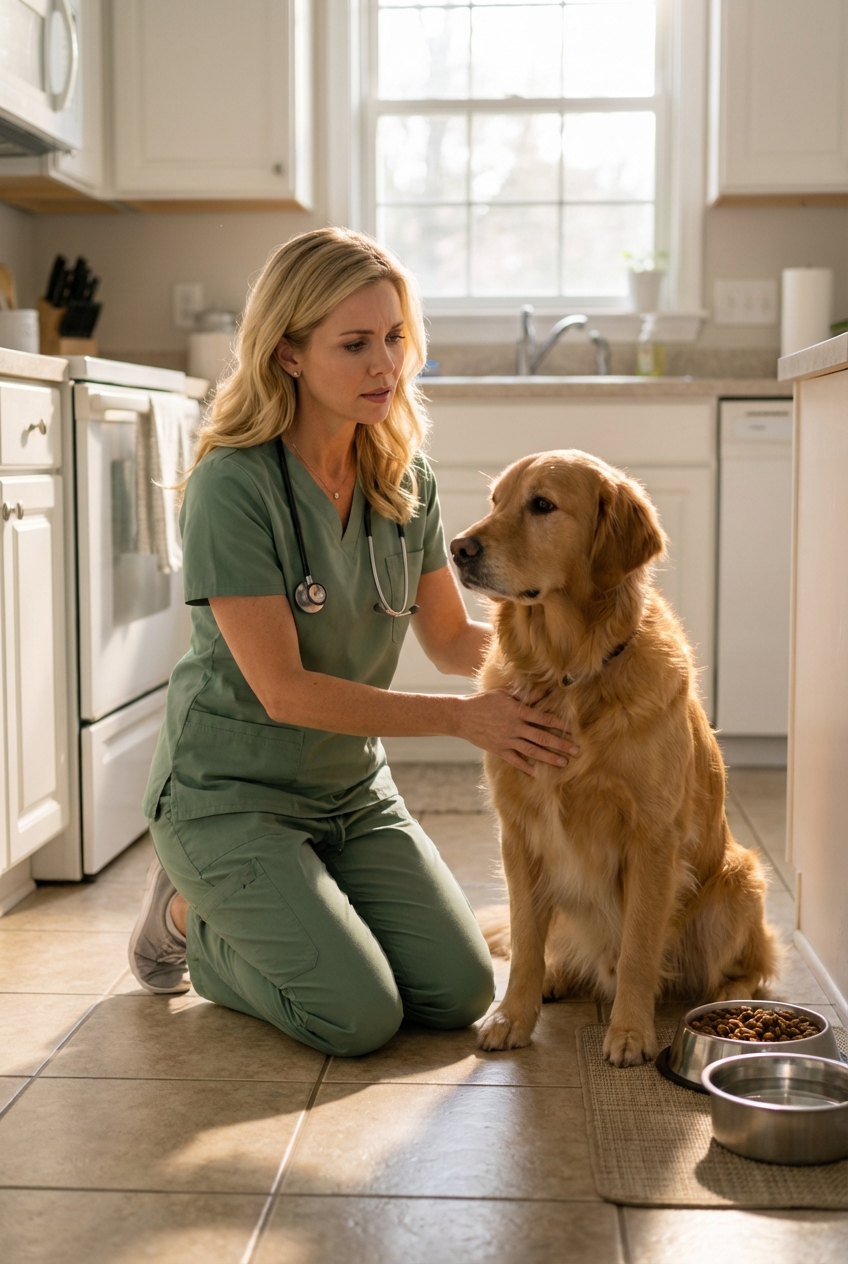
Vomiting or diarrhea can be scary. Learn common causes, vet red flags, and safe at-home steps like hydration and bland meals—plus what not to do and when t...
Article
•
Designer Mixes
Why Do Dogs Vomit Bile?

Shari Shidate
Designer Mixes contributor
If you have ever woken up to that unmistakable sound and found yellow, foamy vomit on the floor, you are not alone. As a veterinary assistant here in Frisco, Texas, I see this question all the time: Why is my dog throwing up bile?
The reassuring news is that yellow vomit is often tied to timing, tummy irritation, or an empty stomach. The important news is that sometimes it can signal something more serious. Let’s break it down in a warm, practical, evidence-based way so you know what to watch for and what to do next.
What bile is (and why it is yellow)
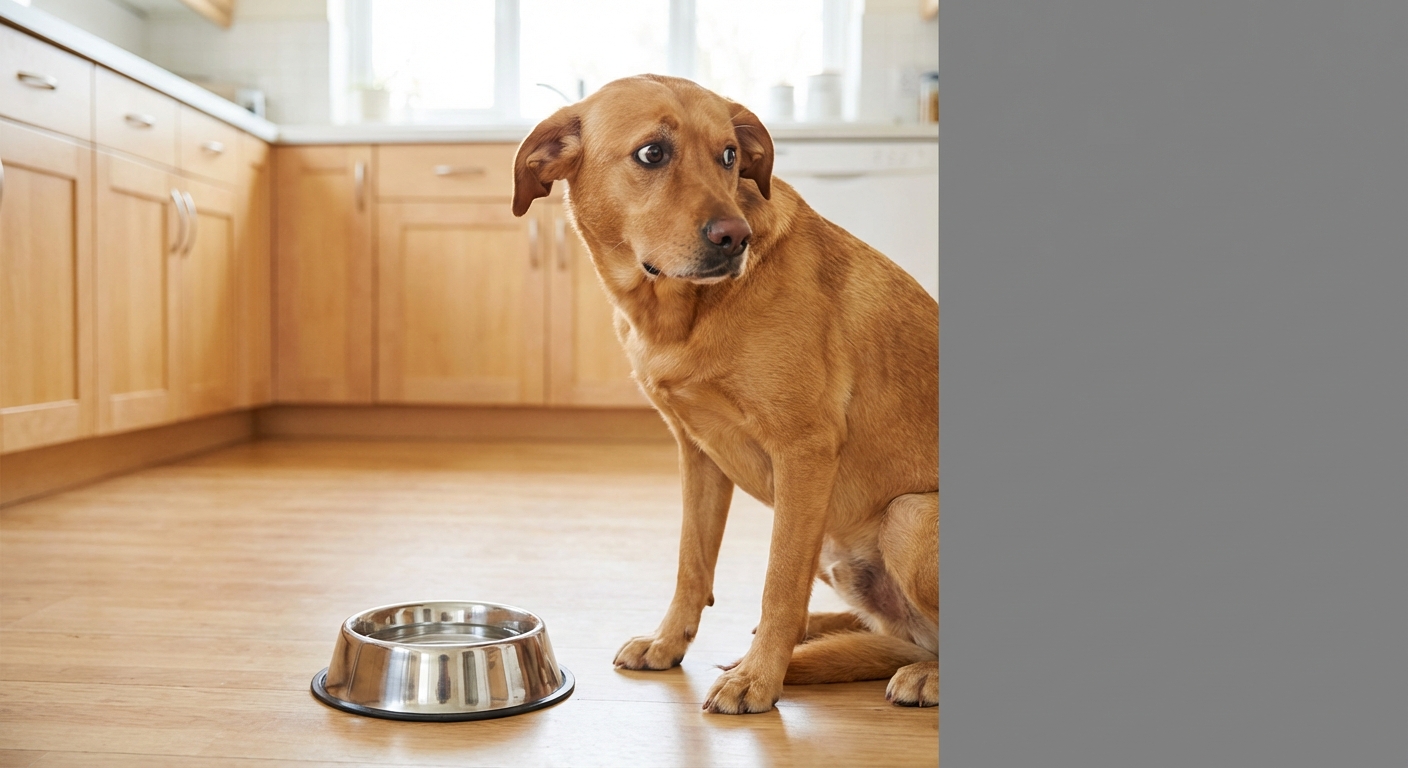
Bile is a yellow-green digestive fluid made by the liver and stored in the gallbladder. It helps break down fats and normally flows into the small intestine.
When a dog vomits and you see yellow foam or yellow liquid, that is often bile mixed with stomach fluid. It tends to show up when the stomach is empty or mildly irritated, although bright yellow can also come from food dye in treats.
Fun fact
That bright yellow color comes largely from bilirubin, a pigment made when the body breaks down old red blood cells.
Vomiting vs regurgitation
Many pet parents use “vomiting” for any mess on the floor, but the difference matters.
- Vomiting usually includes retching or heaving and brings up stomach contents. Yellow foam can happen when the stomach is mostly empty.
- Regurgitation is more passive (often no heaving) and brings up food or fluid from the esophagus. It may look foamy too, especially if it mixes with saliva.
If you are not sure which one you are seeing, take a quick video for your veterinarian. It can be surprisingly helpful.
Common reasons dogs vomit bile
1) Empty stomach (bilious vomiting syndrome)
This is one of the top causes I see. Dogs may bring up yellow foam early in the morning or when meals are spaced far apart. When the stomach sits empty, stomach acid and refluxed intestinal fluid (which can include bile) may irritate the stomach lining.
- Clues: happens on an empty stomach, dog acts normal afterward, appetite is good.
- Often helps: smaller, more frequent meals, plus a small bedtime snack.
2) Eating too fast, too much, or something irritating
Fast eaters swallow air and may end up with nausea or bring food and fluid back up. Some dogs vomit yellow foam after eating grass, rich treats, or table scraps.
- Clues: gulping food, scarf-and-barf pattern, vomiting soon after eating or after raiding the trash.
3) Gastritis or reflux-like irritation
Just like people, dogs can get stomach inflammation. Stress, diet changes, infections, and some medications can contribute. Pain relievers and anti-inflammatories (especially NSAIDs), as well as steroids, can irritate the GI tract in some dogs.
- Clues: lip licking, swallowing, drooling, burping, picky appetite, yellow vomit on and off.
Note: If your dog is on an NSAID or steroid and starts vomiting, call your vet for advice. Do not stop or continue prescription medication without guidance.
4) Parasites
Intestinal parasites can irritate the GI tract. Puppies are especially at risk, but adult dogs can pick up parasites too. Some infections are mild and can be subtle, so a dog can have parasites even without every classic sign.
- Clues: diarrhea, weight loss, pot-bellied look (in puppies), dull coat, inconsistent stools, or sometimes no obvious signs at all.
5) Pancreatitis
This is a big one to take seriously. Pancreatitis can range from mild to life-threatening and is often associated with fatty foods.
- Clues: repeated vomiting, belly pain, hunched posture, refusing food, lethargy.
6) Foreign material or obstruction
Dogs explore the world with their mouths. Toys, socks, corn cobs, and bones can get stuck and trigger vomiting, including bile if the stomach keeps emptying.
- Clues: repeated vomiting, cannot keep water down, painful belly, straining, little to no stool.
7) Liver, gallbladder, or intestinal disease
Less commonly, bile vomiting can relate to underlying organ or intestinal conditions.
- Clues: poor appetite, weight loss, ongoing vomiting, yellow tint to gums or eyes, abnormal stools.

When it is an emergency
Please contact a veterinarian urgently or go to an emergency clinic if you notice any of the following:
- Repeated vomiting (multiple episodes in a day, vomiting that will not stop, or vomiting that continues beyond 24 hours)
- Blood in vomit (red or coffee-ground appearance)
- Severe lethargy, collapse, or weakness
- Bloated or painful abdomen
- Cannot keep water down or signs of dehydration (dry gums, sunken eyes)
- Diarrhea plus vomiting, especially if profuse or bloody
- Possible toxin exposure (xylitol, grapes and raisins, chocolate, medications including NSAIDs, rodent bait)
- Suspected foreign object chewing or missing toy pieces
- Puppies, seniors, or dogs with chronic disease because they dehydrate faster
Trust your gut. If your dog looks “not right” even with only one episode, it is worth a call to your vet.
Also consider calling your vet if this becomes a pattern, like more than once a week, even if your dog seems okay afterward.
At-home tips for mild, occasional bile vomiting
If your dog vomited yellow foam once, seems bright and comfortable, and is drinking normally, these gentle steps often help. If you are unsure, call your veterinarian first.
1) Adjust meal timing
- Feed smaller meals 2 to 4 times per day.
- Add a bedtime snack (a small portion of their regular diet).
2) Slow down fast eaters
- Use a slow feeder bowl or puzzle feeder.
- Spread food on a lick mat (dog-safe, supervised).
3) Keep food changes gentle
- Avoid greasy scraps and new rich treats.
- Stick to a consistent diet for a couple of weeks if your dog is sensitive.
- If your vet recommends a bland diet, follow their plan. Avoid fasting puppies, toy breeds, and dogs with medical conditions unless your veterinarian specifically instructs you to, since low blood sugar can be a concern.
4) Support hydration
- Offer fresh water.
- If your vet approves, you can add a splash of water to meals to boost fluid intake.
5) Avoid human over-the-counter meds unless your vet says so
It is very tempting to reach for human stomach meds (like Pepto-Bismol or acid reducers), but dosing and safety depends on your dog’s size, health history, and other medications. A quick call to your vet is the safest move.
6) Track patterns
Write down:
- Time of vomiting (morning, after exercise, after eating)
- What it looked like (foam, liquid, food present)
- Any diet changes, new treats, medications, or stressors
- Stool quality and frequency
This information helps your veterinarian narrow down likely causes quickly.
Quick facts
- Yellow often means bile, but bright yellow can also be food dye.
- Foam is common because stomach fluid and mucus can mix with air during retching.
- Grass is not a cure. Some dogs eat it when nauseated, but it can also irritate the stomach and trigger vomiting.
- Morning yellow foam has a nickname: bilious vomiting syndrome, often tied to long gaps between meals.
How vets figure out what is going on
Depending on your dog’s symptoms and history, your veterinarian may recommend:
- Fecal testing for parasites
- Bloodwork to check hydration, infection, liver and pancreas values
- X-rays for foreign material, obstruction, or bloat concerns
- Ultrasound to evaluate the gallbladder, liver, pancreas, and intestines
- Diet trial for suspected food sensitivity
For many dogs, a simple change in meal timing and diet consistency makes a big difference. For others, testing is the safest way to rule out serious causes.
Quick checklist
Often mild
- One episode of yellow foam or liquid
- Normal energy and appetite afterward
- Normal stools
- Happened early morning or after a long gap between meals
More concerning
- Vomiting continues, worsens, or lasts more than 24 hours
- Dog will not eat, seems painful, or acts withdrawn
- Diarrhea, blood, fever, or dehydration signs
- Possible toxin exposure or foreign object chewing
The bottom line
Dogs commonly vomit bile when their stomach is empty or mildly irritated, and many improve with simple meal-timing adjustments. But ongoing vomiting, pain, lethargy, or dehydration should always be treated as a reason to call your veterinarian promptly.
Your dog depends on you to notice the small clues. When you pair those clues with quick action, you are doing one of the most loving things possible.