Worried about a vomiting dog? Learn when vomiting is an emergency, how to offer small sips safely, and the best bland foods (chicken/rice, turkey, pumpkin, e...
Article
•
Designer Mixes
Why Do Dogs Throw Up?

Shari Shidate
Designer Mixes contributor
Seeing your dog throw up can feel scary, especially when it happens out of nowhere. The good news is that many causes are minor and short-lived, like eating too fast or grabbing something gross on a walk. But vomiting can also be a sign that your dog needs veterinary help.
As a veterinary assistant here in Frisco, Texas, I always remind families of this simple truth: vomiting is a symptom, not a diagnosis. Your job is to notice the pattern, keep your dog safe and comfortable, and know when it is time to reach out for care.

Vomiting vs. regurgitation
Before we talk causes, it helps to know what you are seeing. These two look similar but often mean different things.
- Vomiting usually includes heaving or retching, drooling, and a tight belly before food or fluid comes up. The material may look partially digested.
- Regurgitation is more passive. Food or water comes up quickly, often in a tube shape, and may look undigested. This can point to esophagus issues and should be discussed with your veterinarian. Brachycephalic dogs (like Bulldogs and Pugs) may be at higher risk for regurgitation and aspiration, so it is worth mentioning sooner rather than later.
If you are unsure, take a quick video on your phone. That can be incredibly helpful for your veterinary team.
Common reasons dogs throw up
1) Diet-related upset
This is the most common category I see in day-to-day practice.
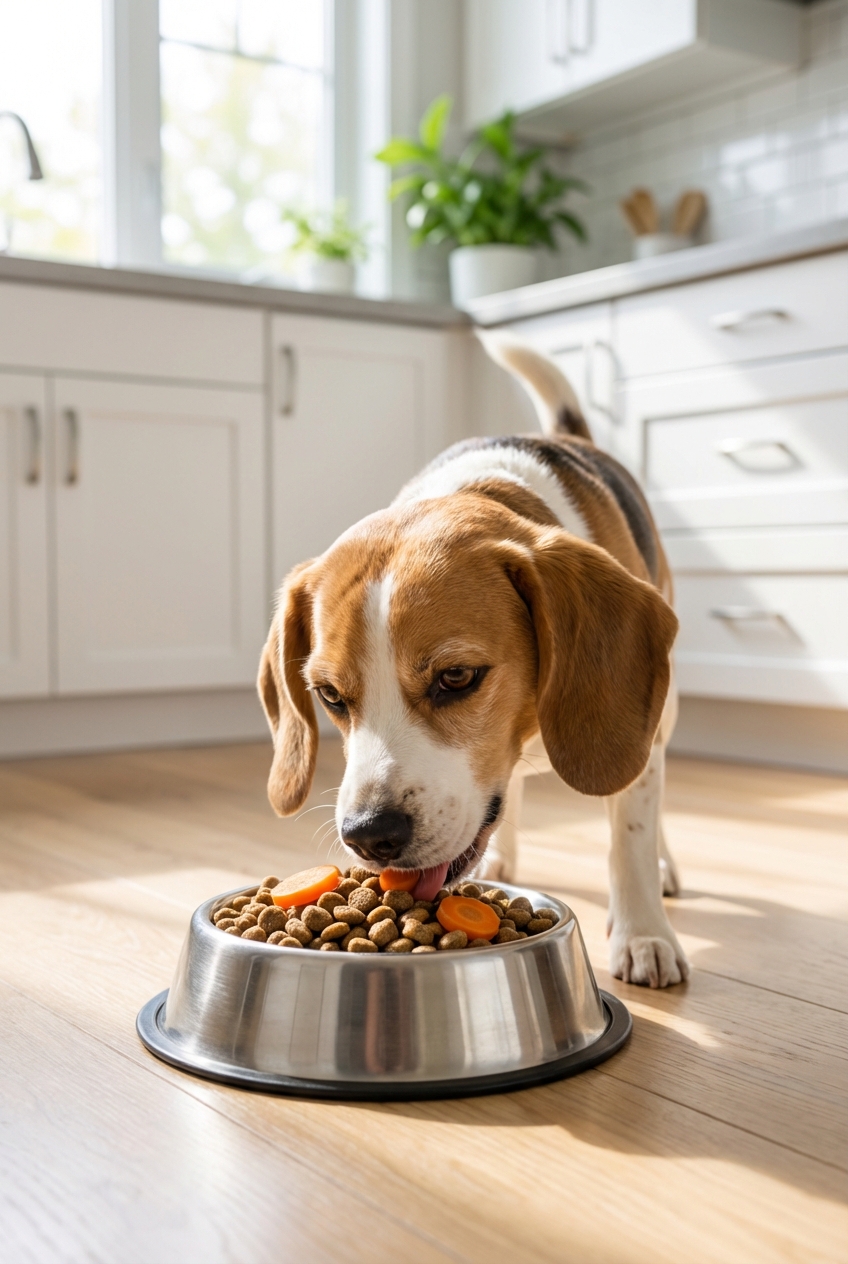
- Eating too fast
- Sudden diet change
- Rich treats or table scraps
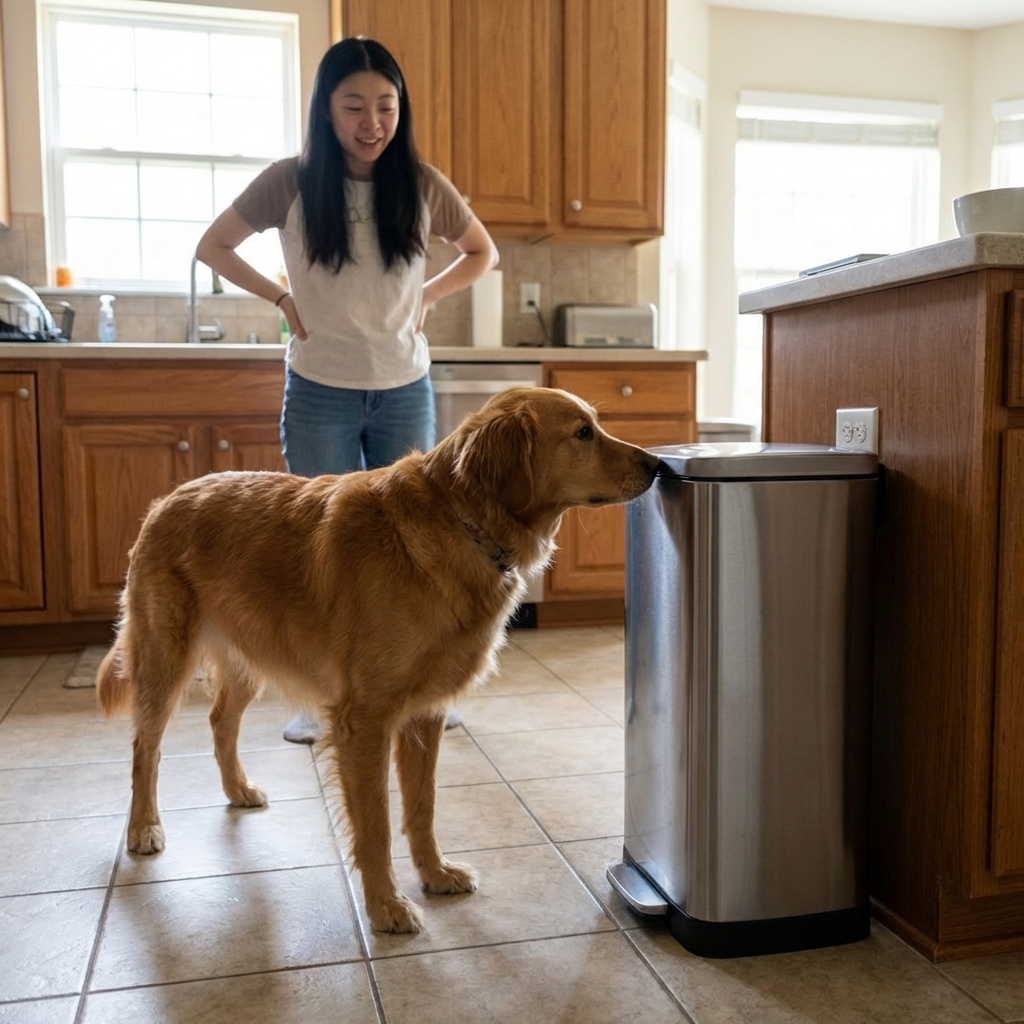
- Raiding the trash
- Food intolerance or allergy
Clue: Vomiting happens soon after eating, and your dog may otherwise seem normal.
2) “Garbage gut” and mild irritation
Dogs are opportunists. If they swallow something greasy, rotten, or unusual, their stomach may reject it.
Clue: Vomiting once or twice, then improvement with rest and a careful diet.
3) Motion sickness or stress
Car rides, boarding, fireworks, and major routine changes can trigger nausea.
Clue: Drooling, lip licking, pacing, and vomiting tied to a specific event.
4) Parasites
Intestinal parasites like roundworms or hookworms can irritate the GI tract. Puppies are especially at risk.
Clue: Vomiting plus diarrhea, weight loss, a pot-bellied look in puppies, or worms seen in stool or vomit.
5) Infection, inflammation, or pancreatitis
Viruses, inflammation (including IBD), pancreatitis, and sometimes bacterial infection can all cause vomiting. In many everyday cases, true primary bacterial gastroenteritis is less common than dietary indiscretion or viral causes. Pancreatitis is often associated with high-fat foods.
Clue: Vomiting plus loss of appetite, belly pain, lethargy, or repeated vomiting that does not settle.
6) Foreign body (something stuck)
Socks, toys, corn cobs, bones, hair ties, and stuffing are classic culprits. A partial obstruction can cause on-and-off vomiting that drags on for days.
Clue: Repeated vomiting, inability to keep water down, hunched posture, or no interest in food. This is an urgent situation.
7) Toxins
Many household items can trigger vomiting or worse: xylitol, chocolate, grapes and raisins, rodent poison, certain medications, some plants, and more.
Clue: Vomiting with sudden weakness, tremors, drooling, pale gums, or collapse. Treat as an emergency.
What the vomit can tell you
It is not fun to look at, but details matter. If you can, note color, timing, and contents. Also, a quick reminder: color alone cannot diagnose the cause. It is just one clue your vet team can use alongside the full history and exam.
- Clear or foamy: can happen with an empty stomach, mild nausea, or irritation. Some dogs with reflux-type irritation may foam, but it is not specific.
- Yellow bile: often happens when the stomach is empty, such as early morning vomiting. Some dogs do better with a small bedtime snack, but persistent bile vomiting needs a veterinary check-in.
- Undigested food: may be eating too fast, regurgitation, or a problem delaying stomach emptying.
- Grass: many dogs eat grass when nauseated. The grass is usually not the root cause, but it can add irritation.
- Blood: bright red streaks can occur from irritation after repeated vomiting, but any blood deserves veterinary guidance. Coffee-ground material is also concerning and can suggest digested blood.
- Brown and foul: can occur with severe GI disease or, most concerning, an obstruction where material becomes feculent. Seek urgent care.
Tip: Bring a photo, and if safe, a sample in a sealed bag for your vet.
At-home care for a one-time vomit
If your dog vomits once and then acts normal, you can often provide gentle support while you monitor closely. If your dog is a puppy, senior, has chronic illness (especially kidney disease, diabetes, or Addison’s disease), or is on important medications, contact your veterinarian before trying home steps.
Very young puppies and tiny toy breeds can be at higher risk for low blood sugar, so fasting is not always safe for them. When in doubt, ask your vet for a specific plan.
Step 1: Pause food briefly
- For many healthy adult dogs, consider a short break from food (often 6 to 12 hours) to let the stomach settle. Your vet may recommend a different timeline based on age, size, and health history.
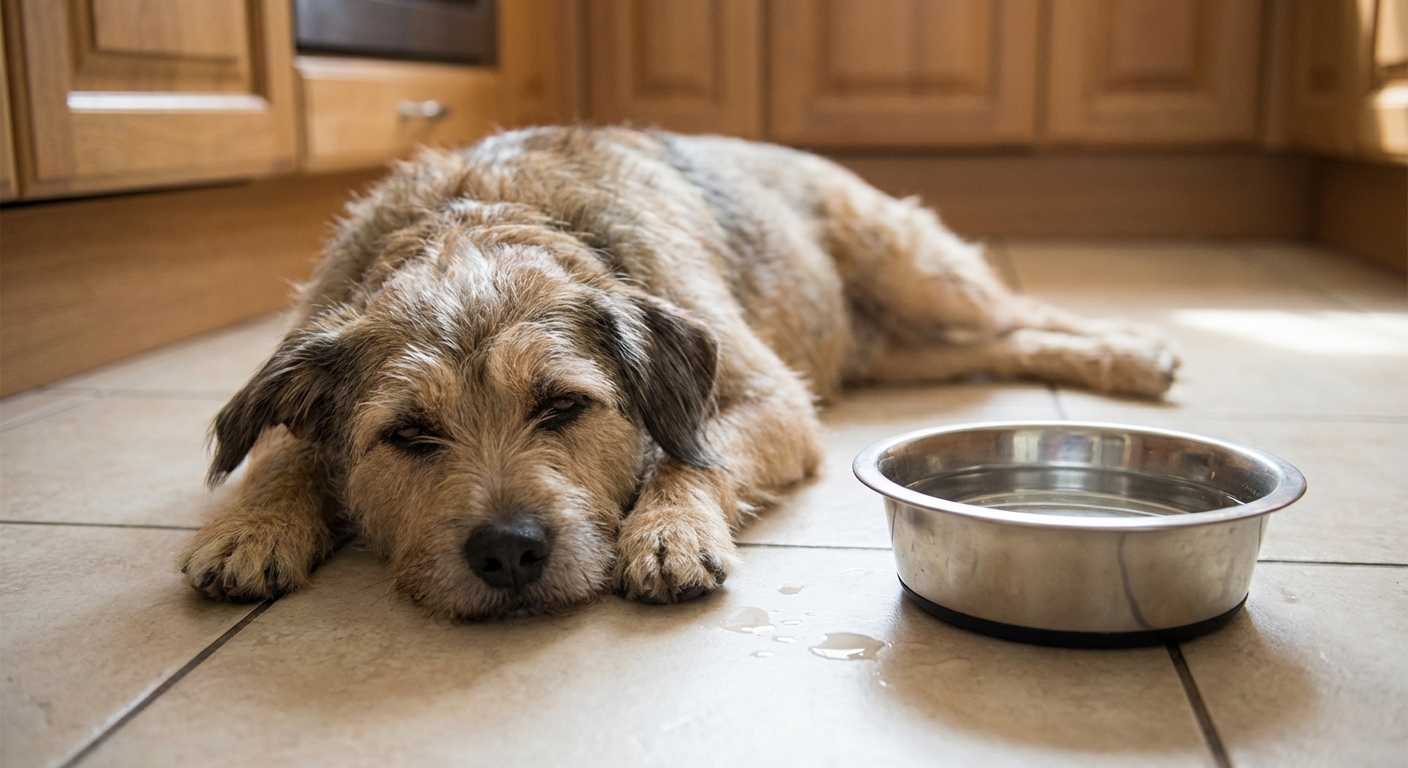
- Offer small sips of water. If your dog gulps and vomits again, offer ice chips or very small amounts more frequently.
Step 2: Reintroduce food slowly
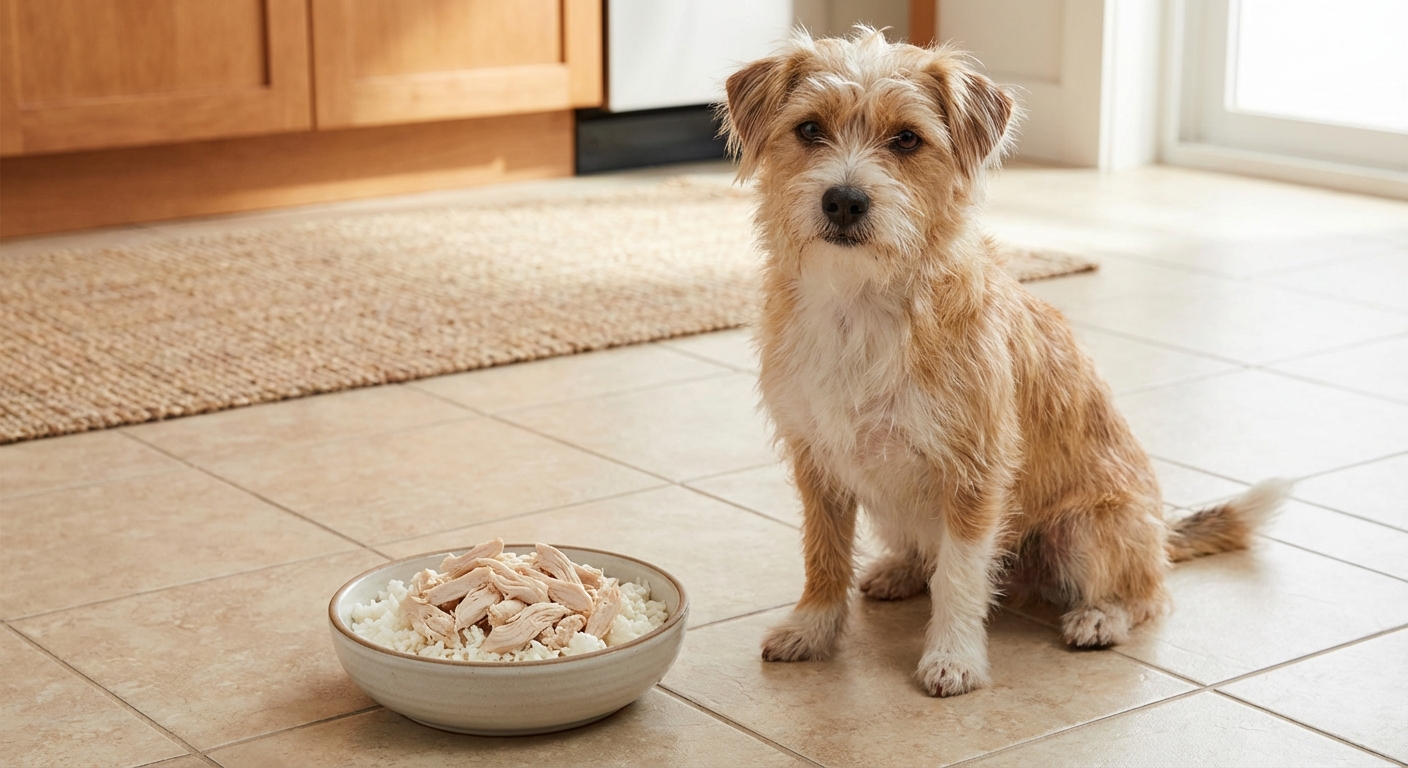
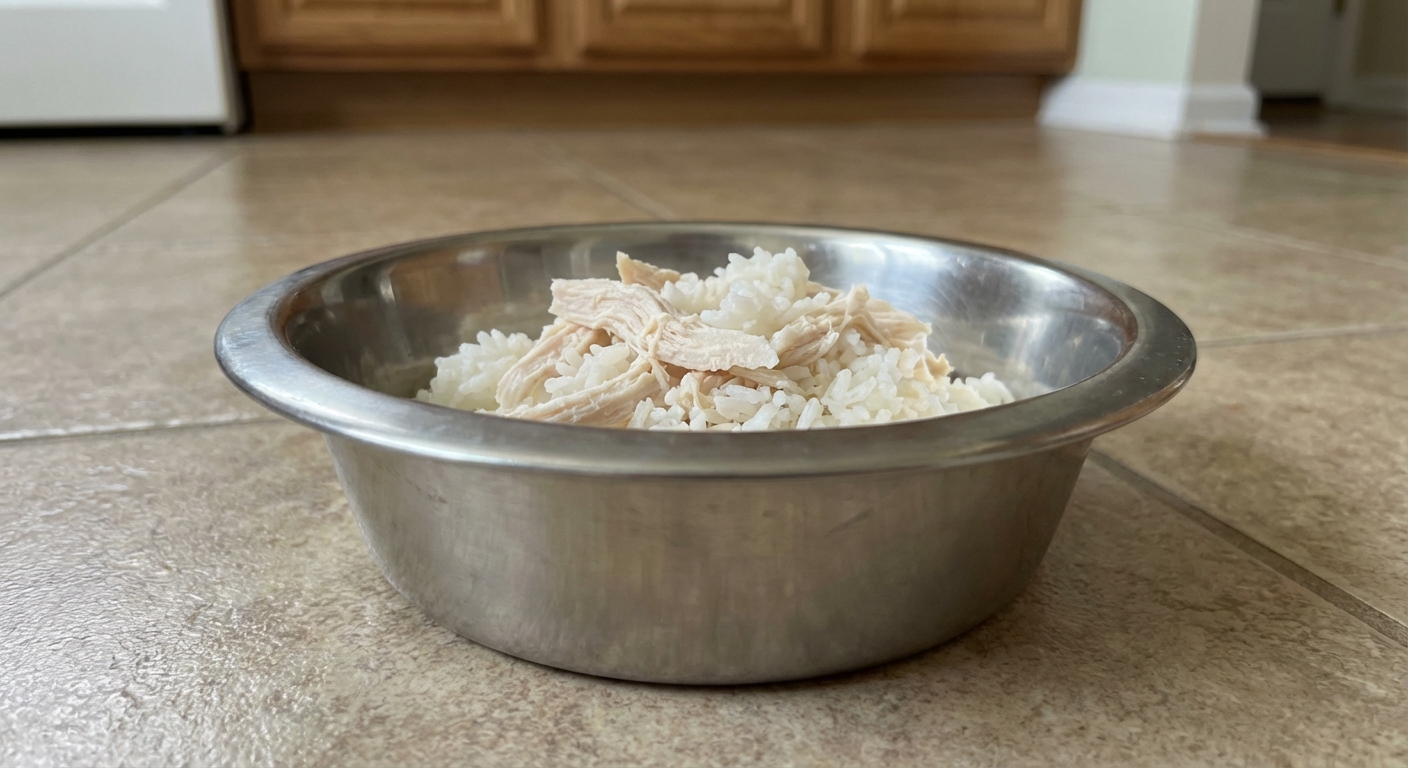
When your dog has gone several hours without vomiting and is interested in food, offer small meals of a bland diet (your vet may recommend a prescription GI diet). A common home option is plain cooked chicken breast with white rice, but it is not appropriate for every dog long-term.
- Start with small portions every 3 to 4 hours.
- Over 2 to 3 days, slowly transition back to your normal diet.
Step 3: Rest and observe
Track vomiting frequency, appetite, energy, stool, and urination. If anything worsens, check in with your veterinarian.
Medication caution
Do not give over-the-counter human medications (including Pepto-Bismol, ibuprofen, naproxen, or cold medicines) unless your veterinarian specifically directs you. Some can be toxic or can complicate the picture.
When vomiting is an emergency
Contact your veterinarian or an emergency clinic right away if you notice any of the following:
- Repeated vomiting, or vomiting that continues beyond 12 to 24 hours
- Inability to keep water down
- Signs of dehydration: sticky gums, sunken eyes, weakness
- Blood in vomit, coffee-ground appearance, or black tarry stool
- Severe lethargy, collapse, pale gums, trouble breathing
- Belly pain, a tight or swollen abdomen, or “prayer position” (front end down, rear up)
- Retching without producing vomit, especially with a swollen belly (this can be a red flag for bloat or GDV)
- Suspected foreign body (toy, sock, bone) or toxin exposure
- Puppies and very small dogs: they can decline quickly
- Known conditions like diabetes, kidney disease, Addison’s disease, or if your dog takes critical medications
If your gut says “this is not my dog’s normal,” trust that instinct and call. It is always okay to ask.
Training tips to reduce triggers
A lot of vomiting episodes are preventable with a few habits and a little training.
Slow down fast eaters
- Use a slow feeder bowl or a puzzle feeder.
- Feed smaller meals more often instead of one large meal.
- For multi-dog homes, feed separately to reduce competition.
Teach “leave it” and “drop it”
These cues are lifesavers for preventing trash snacks and dangerous objects.
- Practice daily with low-value items, then work up to higher-value temptations.
- Reward heavily with something better than what they found.
Counter-surfing prevention
- Manage the environment first: put food away, use baby gates, and keep counters clear.
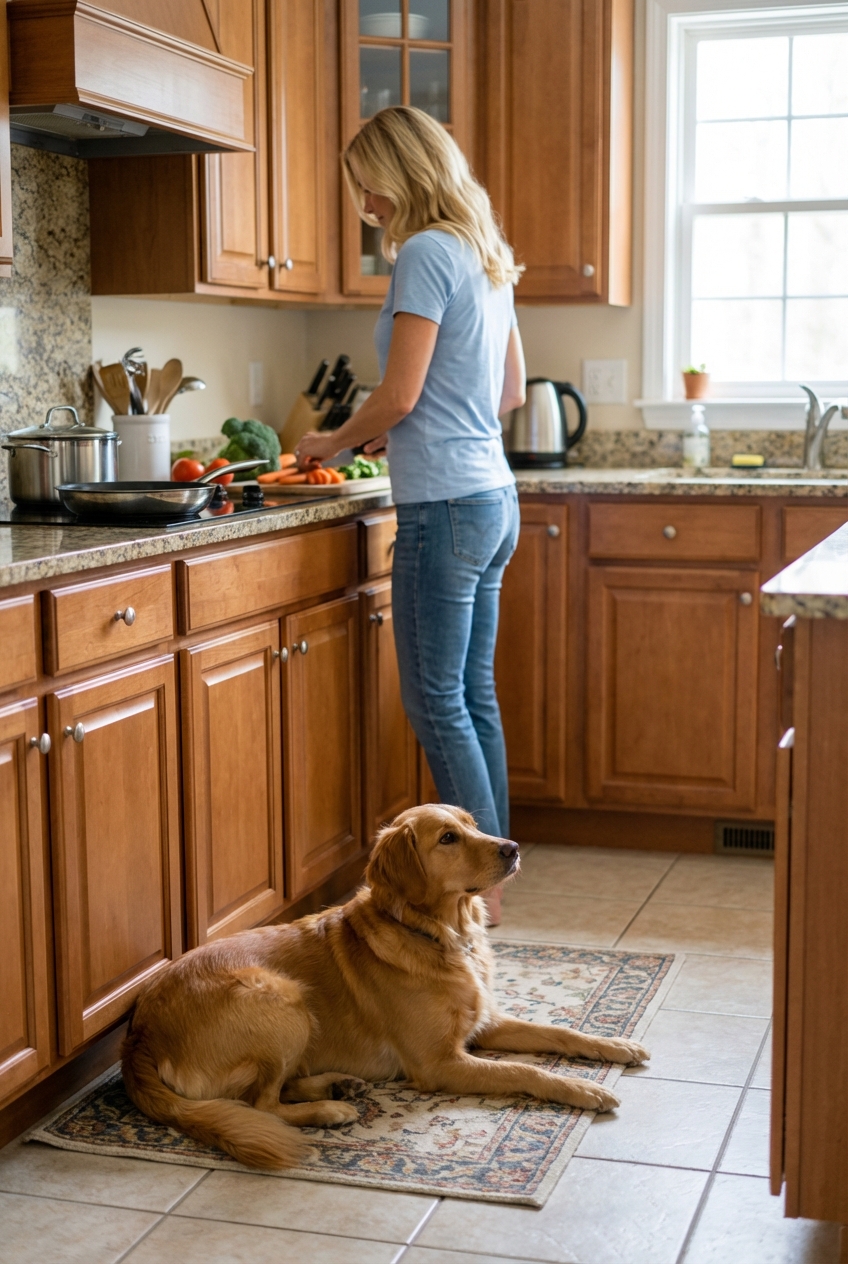
- Reinforce a “place” cue during cooking and meals.
Trash and toy safety routine
- Use lidded trash cans or keep trash behind a closed door.
- Pick age-appropriate toys and inspect them weekly for missing pieces.
- For dogs who swallow items, talk with your vet about safe chew options.
Food and routine tips
If your dog tends to vomit now and then, these evidence-based basics often help:
- Transition foods slowly over 7 to 10 days when changing diets.
- Keep treats under control. Many vets recommend treats stay under 10 percent of daily calories.
- Consider smaller, more frequent meals, especially if bile vomiting happens early in the morning.
- Ask your vet about probiotics for recurring mild GI upset.
- Stick to one chew at a time and avoid very fatty chews if your dog has had pancreatitis concerns.
And please remember: homemade diets can be wonderful, but they need to be balanced. If you want to go the homemade route, partner with your veterinarian or a board-certified veterinary nutritionist to make sure your dog is getting the right calcium, vitamins, and minerals.
Recurring vomiting
If vomiting keeps popping up (for example, more than a couple of episodes a month), even if your dog seems fine afterward, it is worth scheduling a non-urgent vet visit. Chronic or recurring vomiting can point to issues like parasites, diet intolerance, inflammatory disease, pancreatitis, or problems with the liver, kidneys, or hormones.
Your veterinarian may recommend a step-by-step workup such as a fecal test, bloodwork, urinalysis, and imaging (x-rays or ultrasound) depending on your dog’s age and symptoms.
Questions your vet may ask
If vomiting continues, your veterinary team will often narrow down causes by asking a few specific questions. Having answers ready saves time and helps your dog get relief faster.
- How many times has your dog vomited in the last 24 hours?
- Any diarrhea? Any black or bloody stool?
- Is your dog eating and drinking normally?
- Any new food, treats, supplements, or medications?
- Possible foreign body: missing toy, chewed sock, trash access?
- Vaccination status and parasite prevention?
- Any recent travel, boarding, dog parks, or new stressors?