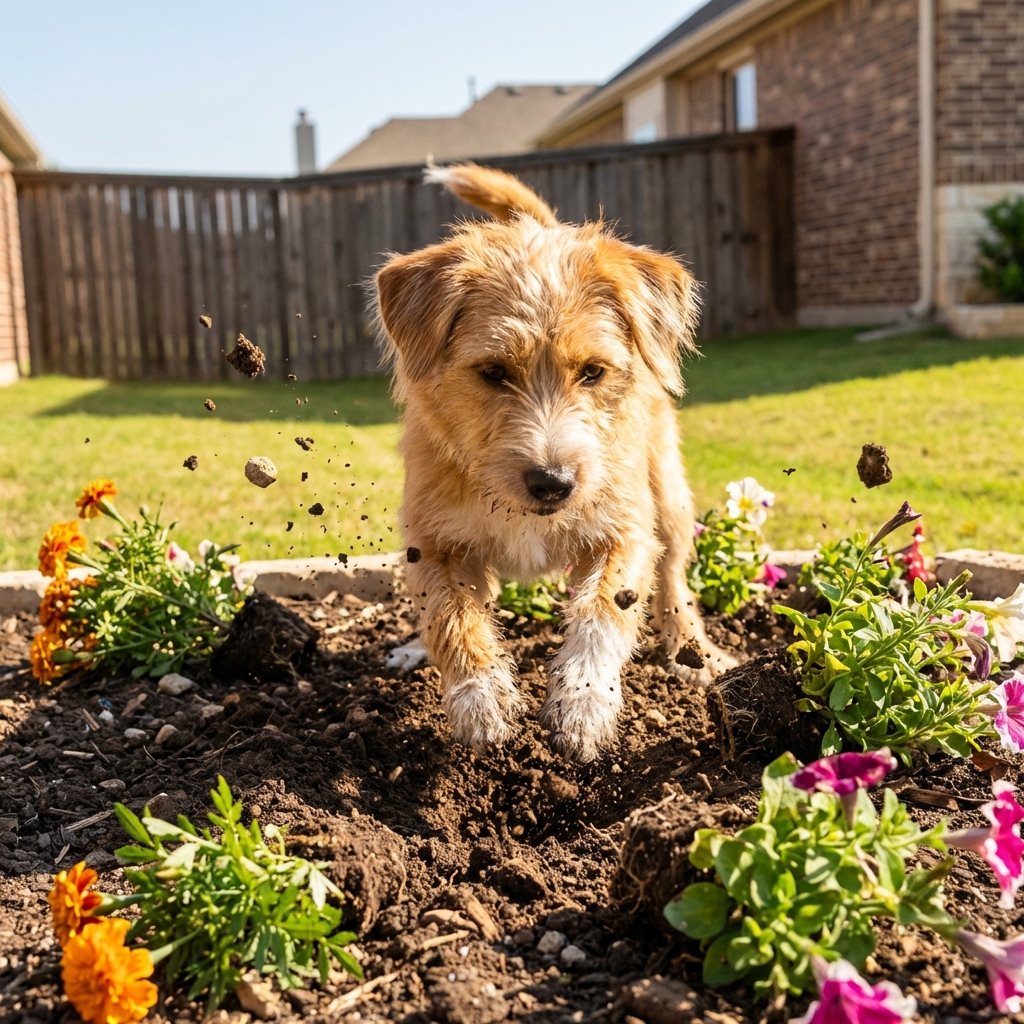
Is your dog pawing at blankets or tearing up couch cushions? Discover the common instincts behind digging, stress and boredom triggers, health red flags, and...
Article
•
Designer Mixes
Why Do Dogs Scratch at Their Beds?

Shari Shidate
Designer Mixes contributor
If you have ever watched your dog scratch, paw, or “dig” at their bed before curling up, you are not alone. As a veterinary assistant here in Frisco, Texas, I see this question all the time because it looks so intentional. The good news is that, in most cases, bed scratching is normal canine behavior.
That said, sometimes this habit can be a clue that your dog is uncomfortable, itchy, anxious, or not getting the rest they need. This guide will help you understand what is normal, what is not, and what you can do today to help.

The quick answer
Dogs scratch at their beds for a mix of instincts and comfort needs. The most common reasons include:
- Instinct to “nest” and create a safe sleeping spot
- Temperature control to cool down or warm up
- Scent transfer from glands in and around their paw pads
- Comfort to fluff and shape the bedding
- Stress relief if they feel anxious or overstimulated
- Itch or pain that makes settling difficult
7 must-know reasons dogs scratch at their beds
1) Nesting instinct
Before there were dog beds, dogs and wild canines made sleeping spots by pawing at grass, dirt, or leaves. That “digging” behavior can still show up even when your dog has the coziest memory foam bed on the market. Many dogs scratch a few times, spin, then lie down. That pattern is usually normal.
2) They are trying to get comfortable
Sometimes it is as simple as bed shape and fit. Your dog may be trying to bunch the bed edge into a pillow, flatten a lump, or pull a blanket closer. Dogs also like to sleep against something for security, so they may paw to build a little “wall” to lean into.
3) Temperature regulation
Scratching can be your dog’s way of managing heat. In outdoor settings, digging can create a cooler spot in the earth. Indoors, that instinct can show up when a dog feels too warm on a fluffy bed. If your dog paws more during hot months or after exercise, consider that they may be overheating.
Try this: Offer a cooler option like a cot-style bed or a thin mat nearby and see what they choose.
4) Scent and “making it theirs”
Dogs can transfer scent from glands in and around their paw pads when they scratch, which may help a spot feel familiar. You may notice this more in new environments, after a deep cleaning, or when a new pet enters the home.
5) Stress, anxiety, or over-arousal
Bed pawing can be a displacement behavior, meaning your dog does it when they have big feelings and are not sure what to do with them. Some dogs scratch when guests arrive, after a loud noise, or when they are winding down from an exciting play session.
If scratching looks frantic, lasts a long time, or comes with panting, pacing, whining, or clinginess, it is worth treating it as a stress signal instead of just a quirky habit.
6) Itchiness from allergies, fleas, or skin infection
If your dog scratches the bed and also scratches their body, licks paws, rubs their face, or has recurrent ear issues, itch is high on the list. In Texas, seasonal allergies can be intense, and fleas can be a year-round problem in many homes.
Common itch clues:
- Frequent paw licking or chewing
- Red skin, bumps, or scabs
- Hair thinning
- Unusual paw odor (can suggest yeast or bacterial overgrowth) and saliva staining
- Redness between toes
- Shaking head or scratching ears
7) Pain, arthritis, or trouble settling
Older dogs, large breeds, and dogs with orthopedic issues may scratch and circle repeatedly because they cannot get comfortable. Sometimes the bed is too thin, too firm, or too small. Sometimes the dog is sore and keeps repositioning.
If your dog seems stiff getting up, hesitates on stairs, or is less playful, talk with your veterinarian. Comfort changes at home can help a lot, but pain deserves proper evaluation.

When it is normal vs a red flag
Usually normal
- Happens briefly before lying down
- Your dog settles within a minute or two
- No skin irritation, hair loss, or restlessness
- No damage to the bed or paws
Time to investigate
- Scratching is intense, repetitive, or seems compulsive
- Your dog cannot settle or wakes frequently
- You see broken nails, bleeding paw pads, or limping
- There is new itching, redness, odor, or ear problems
- Your dog suddenly starts doing this more than usual
- They are also “digging” at floors, carpets, or walls
Call your veterinarian promptly if you notice severe itching, open sores, swelling, non-weight-bearing lameness, significant bleeding from a nail or paw pad, vomiting, or any sudden behavior change that does not fit your dog.
One more note: If the behavior looks truly compulsive and is hard to interrupt, a veterinary exam is a great first step. Some dogs benefit from a trainer or a veterinary behaviorist once pain and medical causes are addressed.
How to help: simple fixes you can try today
1) Offer the right bed for your dog
Matching the bed to your dog’s body and sleep style can reduce the need to scratch and rearrange.
- Bolster beds for dogs who like a “pillow” edge
- Orthopedic foam for seniors and large breeds
- Cot-style beds for dogs who run hot
- Covered cave beds for anxious dogs who love den-like spaces
2) Add a dig-friendly layer
Some dogs just need to “do the ritual.” Give them a blanket on top of the bed that you do not mind getting bunched up. Many dogs will scratch the blanket instead of shredding the bed.
3) Keep nails trimmed
Long nails can make scratching louder and more damaging, and they can even crack. If you hear clicking on hard floors, your dog may be due for a trim. A groomer or vet clinic can help, especially if your dog is nervous about nail care.
4) Rule out fleas and other parasites
Even indoor dogs can get fleas. Use veterinarian-recommended flea prevention and check your dog’s coat, especially around the rump and tail base. If you see flea dirt (tiny black specks that turn reddish-brown when wet), call your vet for next steps.
5) Look for skin triggers at home
Sometimes the issue is not the bed at all, but what is on it. Fragranced detergents, fabric softeners, room sprays, and even a new blanket can irritate sensitive skin. If this behavior started after a laundry or product change, switch to a fragrance-free option and rewash bedding.
In dry seasons, static electricity can also make some dogs twitchy about settling. A humidifier and softer, less “static-y” fabrics can help.
6) Support healthy skin
If your dog has dry, itchy skin, ask your veterinarian about diet, omega-3 supplementation, and bathing frequency. Do not assume a “natural” shampoo is automatically safe. Some products can worsen irritation. It is also smart to confirm dosing and product quality with your vet before starting supplements.
7) Create a calming bedtime routine
For anxious scratchers, aim for predictable calm:
- A short potty break
- Dim lights
- White noise or a fan
- A chew that is appropriate and supervised
- A consistent sleep location

How to stop destructive digging (without punishment)
If your dog is ripping seams, shredding foam, or cannot stop scratching, focus on management and teaching an alternative behavior. Punishment often increases anxiety, which can make the behavior worse.
Step-by-step plan
- Pick a safer bed setup: Use a durable cover and add a washable blanket on top.
- Interrupt early: If scratching escalates, calmly call your dog over before it becomes a full dig session.
- Redirect: Offer a legal outlet such as a snuffle mat, lick mat, or a chew that fits your dog’s chewing style. Choose size-appropriate items and supervise to reduce choking and foreign body risk.
- Reward calm: When your dog lies down quietly, reinforce with a gentle “good” and a small treat.
- Increase enrichment: Many destructive scratchers are under-stimulated. Add a short training session, a food puzzle, or an extra sniff walk earlier in the day.
Safety note: If your dog eats bed stuffing, fabric, or zippers, remove access immediately and talk with your veterinarian. Ingested fabric can cause intestinal blockage. If vomiting, repeated gagging, abdominal pain, or loss of appetite occurs, treat it as urgent.
FAQs
Do dogs scratch their beds because they are bored?
Sometimes, yes. If your dog scratches and also seems restless, mischievous, or seeks attention, boredom can be part of the picture. Adding daily sniffing, training, and food enrichment often helps.
Why does my dog scratch the bed and then bite it?
This can be play, overstimulation, or anxiety. It can also be a habit that became self-rewarding. If it is frequent or destructive, use a blanket layer, redirect to a chew, and consider a behavior consult if it persists.
Is circling and scratching before laying down normal?
Yes, in most dogs. The circling and scratching routine is a common settling behavior. If your dog seems painful, cannot get comfortable, or suddenly does it much more than usual, check in with your veterinarian.
My senior dog started doing this a lot. Should I worry?
It is worth a check-in. In older dogs, a sudden increase in restlessness at night, sleep-wake changes, confusion, or new “wandering” behaviors can sometimes point to pain or age-related cognitive changes. Your veterinarian can help you sort out what is going on.
The takeaway
Most bed scratching is a totally normal mix of instinct and comfort-seeking. Your job is to watch the whole picture: skin, stress level, sleep quality, and whether your dog can settle peacefully.
If something feels “off,” trust that instinct and ask your veterinarian. A small change like a better bed, flea prevention, addressing a skin trigger, or itch support can make a big difference in your dog’s comfort and quality of rest.