
Why does your dog lick you so much? A vet-informed guide to common reasons, when licking can signal illness or anxiety, hygiene risks, and humane ways to red...
Article
•
Designer Mixes
Why Do Dogs Lick Me?

Shari Shidate
Designer Mixes contributor
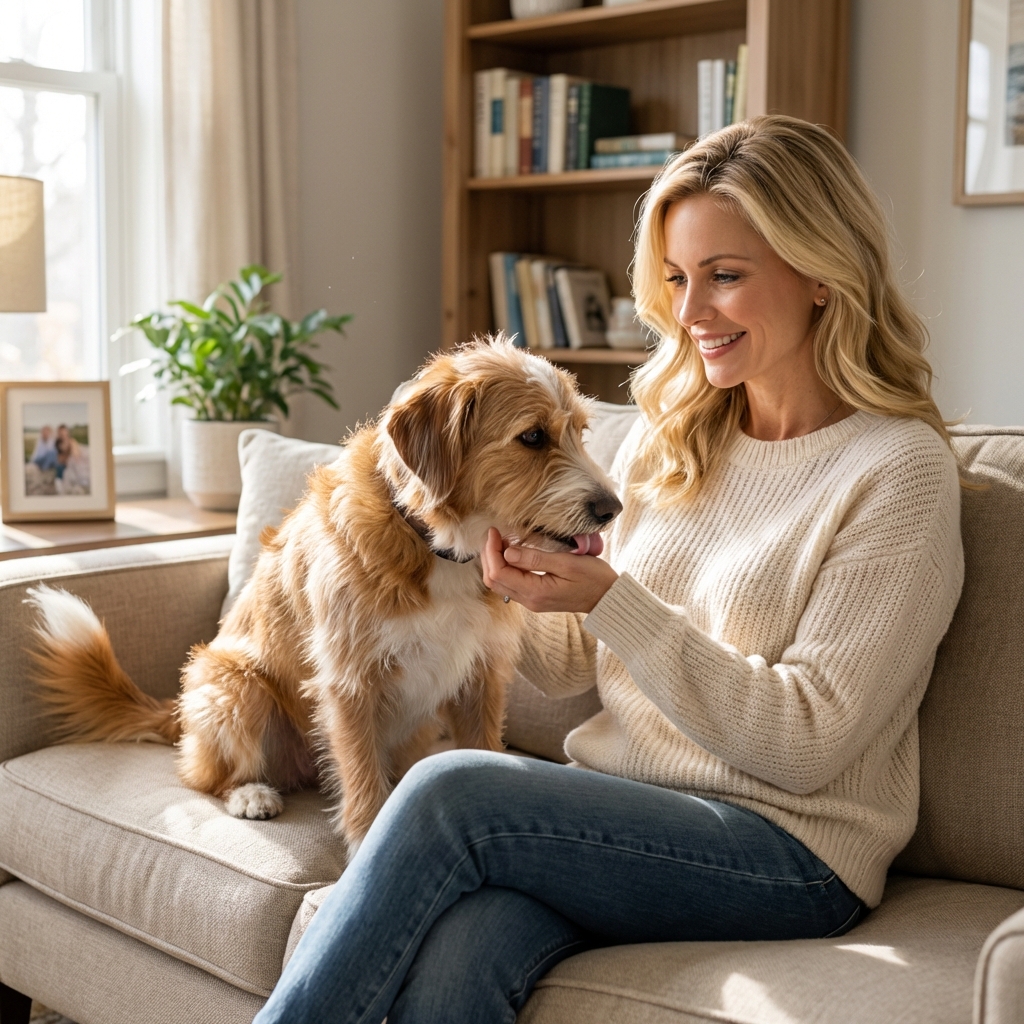
If you live with a dog, you have probably been “kissed” at least once. Sometimes it is sweet and gentle. Other times it feels like your pup is determined to wash your entire hand. So why do dogs lick us?
As a veterinary assistant here in Frisco, Texas, I hear licking questions all the time. The good news is that licking is usually normal dog communication. The key is learning what your dog is saying, and knowing when licking could signal stress, discomfort, or a health issue.
What licking means to dogs
Licking is part instinct, part social behavior. In early life, moms lick puppies to clean them and stimulate elimination. As puppies grow, they often lick an adult dog’s mouth or muzzle as a social behavior and, in some cases, as food-seeking behavior.
For adult dogs, licking can be a way to gather information, connect, ask for space, groom, seek attention, or cope with stress. Think of licking like a multi-tool. Context matters.
10 common reasons dogs lick people
1) Affection and bonding
Many dogs lick the people they trust. It can be a calming, affiliative behavior, especially when paired with relaxed body language like soft eyes, a loose body, and a wagging tail that is not stiff.
2) You taste interesting
Salt from sweat, lotion, sunscreen, food residue, or even the smell of another animal can be very “rewarding” to a dog. Dogs experience the world through scent and taste, and your skin carries a lot of information.
3) Social “manners” and appeasement
Some licking is a polite, calming signal. A dog may lick when they feel uncertain, when someone is leaning over them, or when greeting feels intense. It is their way of saying, “I am friendly, please be calm with me.”
4) Attention and learned behavior
If licking gets a response, any response, it can become a habit. Eye contact, laughing, petting, scolding, or pushing them away can all reinforce licking in a dog that loves interaction.
5) Stress relief and self-soothing
Licking may help some dogs self-soothe. You might see it during thunderstorms, when guests arrive, after a big day at daycare, or when the household routine changes.
6) Grooming you like family
Dogs sometimes “groom” their favorite humans the way they might groom a bonded dog buddy. If your dog also nibbles gently with their front teeth, that is often a normal grooming pattern too.
7) Craving salt or soothing tastes
Some dogs are especially motivated by salty skin or certain flavors (like lotion). If your dog is licking you, floors, or furniture persistently, it can overlap with boredom, anxiety, nausea, diet factors, or other medical issues. It is not something to “supplement” at home without veterinary guidance.
8) Pain, nausea, or GI upset
Some dogs lick more when they feel queasy or uncomfortable. Lip smacking, drooling, swallowing repeatedly, restlessness, or air licking can accompany nausea. If licking spikes suddenly, especially with appetite or stool changes, it is worth checking in with your vet.
9) Dental disease or oral discomfort
Bad breath, inflamed gums, broken teeth, or mouth pain can change licking behavior. You may notice extra lip licking, chewing on one side, pawing at the mouth, or reluctance to eat crunchy food. A dental exam is a big piece of the puzzle for “sudden licking.”
10) Skin product sensitivity or irritation
Dogs may lick you more after you apply fragranced lotions or topical medications. Sometimes they like the taste. Sometimes it irritates their mouth or stomach. It is best to prevent your dog from licking medicated creams, retinoids, nicotine products, and essential oils.
Body language clues
The same lick can mean different things depending on your dog’s posture and the situation.
- Affectionate licking: loose body, wiggly hips, soft eyes, relaxed mouth.
- Appeasement licking: ears back, low posture, whale eye, tucked tail, quick tongue flicks.
- Over-arousal: jumping, pawing, frantic licking, difficulty settling.
- Nausea or discomfort: drooling, lip smacking, swallowing, restlessness, air licking, licking floors.

When licking is a problem
Normal licking becomes a concern when it is intense, compulsive, or connected to health symptoms.
- Sudden increase in licking that lasts more than 24 to 48 hours.
- Compulsive patterns like air licking, licking floors, furniture, or you nonstop.
- GI signs such as vomiting, diarrhea, constipation, decreased appetite, or gulping.
- Anxiety signs such as panting when not hot, pacing, trembling, hiding, or destruction.
- Wounds or rashes on your dog, since excessive licking can also show up as hot spots or paw licking.
If any of these are happening, or if your dog seems “not themselves,” it is smart to call your veterinary clinic. A quick check can rule out issues like nausea, dental pain, allergies, or discomfort.
If licking seems truly compulsive or is disrupting sleep and daily life, ask your vet about a behavior plan and whether a referral to a qualified trainer or veterinary behaviorist is appropriate. Severe cases sometimes benefit from medication alongside training.
Stop unwanted licking
You do not have to tolerate licking if it bothers you. The trick is to teach an alternative that still meets your dog’s needs. Also, if licking is new and persistent, schedule an exam so you are not training through nausea or pain.
Step 1: Pick the replacement
- Sit calmly for petting
- Touch your hand with their nose
- Go to a mat or bed
Step 2: Remove the reward
If licking is for attention, calmly withdraw attention. Turn your body away, stand up, or place a gate between you for 10 to 20 seconds. Then re-engage when your dog is calm. Avoid punishment. Be consistent, and ask everyone in the household to follow the same plan.
Step 3: Reward the pause
The moment your dog pauses licking, reward the pause. Pet calmly, offer a treat, or cue a sit and reward that. Dogs repeat what works.
Step 4: Add enrichment
Many “licky” dogs are under-stimulated or over-stressed. Try a daily routine of:
- Sniff walks (let them smell more, not just march)
- Food puzzles or stuffed Kongs
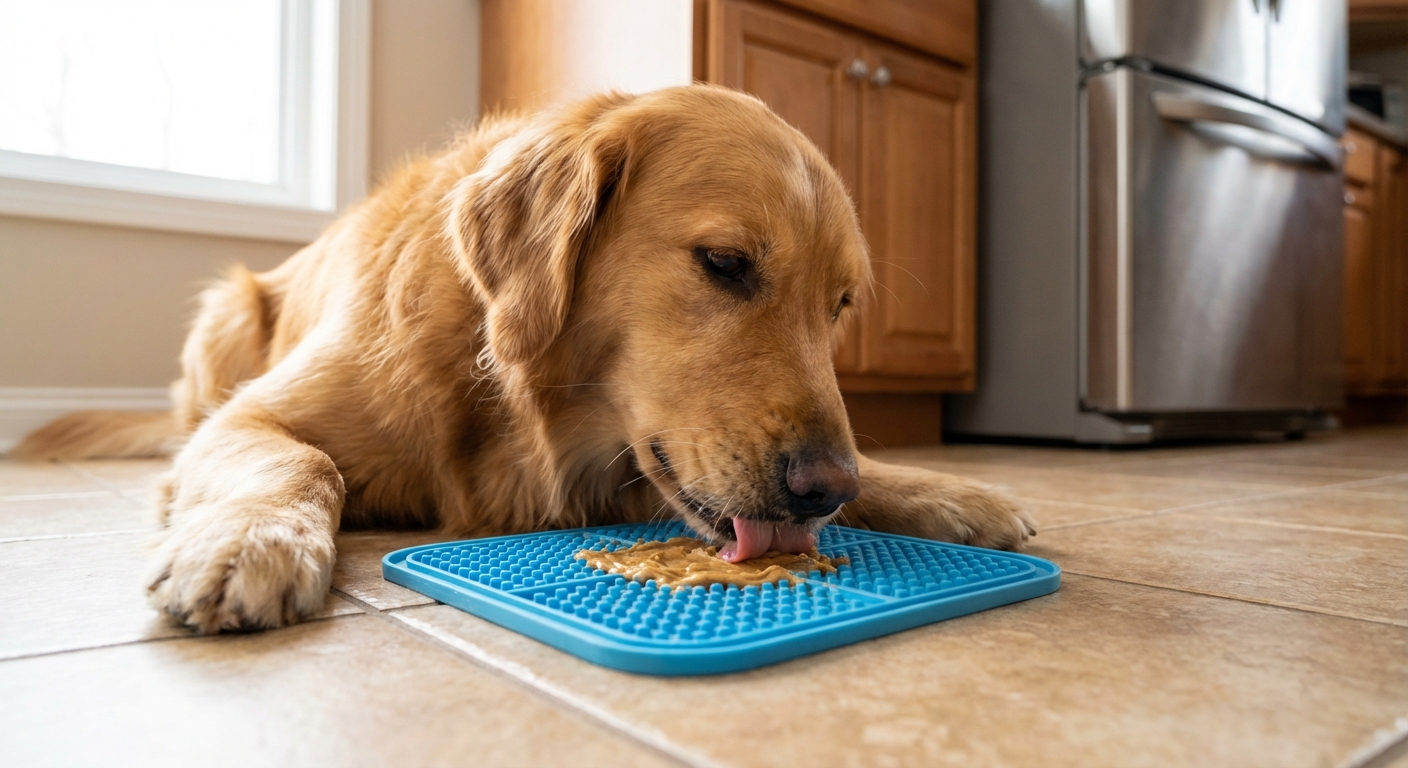
- Lick mats with dog-safe toppers
- Short training sessions that build confidence
Step 5: Keep it safe
Avoid letting your dog lick your face, especially around your eyes, nose, and mouth. This matters even more for young kids, older adults, and immunocompromised people, since dog mouths can carry bacteria and parasites. If you love dog kisses, aim for safer spots like the top of the head, and wash hands after heavy licking. Skip face licking if you have open cuts, and be extra cautious if your dog eats stool or hunts wildlife.
Extra notes
Some very people-oriented dogs, often called “velcro dogs,” may lick more because closeness and reassurance are extra rewarding to them. Temperament varies widely by individual, even within the same breed mix.
If you have a short-nosed dog or mix, pay extra attention to signs of reflux, nausea, or dental crowding. Those issues can be associated with more lip licking and licking behavior. If you are seeing frequent lip smacking, gulping, or air licking, check in with your vet.
Quick FAQs
Is it true that dog saliva heals wounds?
Dog saliva has some antibacterial components, but it also carries bacteria. It is not a safe “treatment,” especially for punctures or deep wounds. If your dog is licking their own wound, that can actually slow healing and increase infection risk.
Why does my dog lick me at night?
Nighttime licking is often attention-seeking, soothing, or routine-based. If it is new, consider stress, nausea, or changes in diet. If it is keeping you up, use a gate or crate and provide a bedtime enrichment item like a stuffed food toy.
Why does my dog lick only me and not other people?
Usually that is bonding, your scent, your routines, and reinforcement history. In simple terms, you are their person.
How do I handle licking around kids?
Teach kids to stand still like a tree and quietly call an adult if the dog is licking or getting overly excited. Reward your dog for calm greetings, and give your dog a clear alternative like “go to your mat.” This supports safety and consent for everyone.
The takeaway
Most of the time, licking is your dog’s way of connecting with you. If the licking is gentle and your dog’s body language is relaxed, you can enjoy it as normal social behavior.
If licking feels frantic, sudden, or compulsive, treat it like information. Your dog may be asking for help with stress, boredom, nausea, dental discomfort, or another health concern. A kind training plan plus veterinary guidance when needed can make a huge difference.