Humping is common and usually tied to excitement, stress, or habit—not “dominance.” Learn family-safe, vet-informed steps: rule out health issues, inte...
Article
•
Designer Mixes
Why Do Dogs Hump? Causes and How to Stop It

Shari Shidate
Designer Mixes contributor
Dog humping can be awkward, confusing, and sometimes a little funny until it is not. Many people assume it is always sexual behavior, but in real life it is often driven by excitement, stress, attention, or habit. The good news is that most humping can be reduced significantly with the right mix of management and training.
What it means
Humping, also called mounting, is a common canine behavior. Dogs may mount other dogs, people, or objects like pillows and blankets. It can show up in puppies, adolescents, and adult dogs of any sex. While it is common, it can still be disruptive or unsafe depending on the situation, so it is worth addressing early.
In many cases, mounting can be self-reinforcing. If it reliably helps a dog discharge energy, seek attention, or cope with arousal, it can become more likely to happen again. That is why a big part of the plan is to stop the behavior from being practiced over and over while you teach better options.
Common reasons
1) Overexcitement
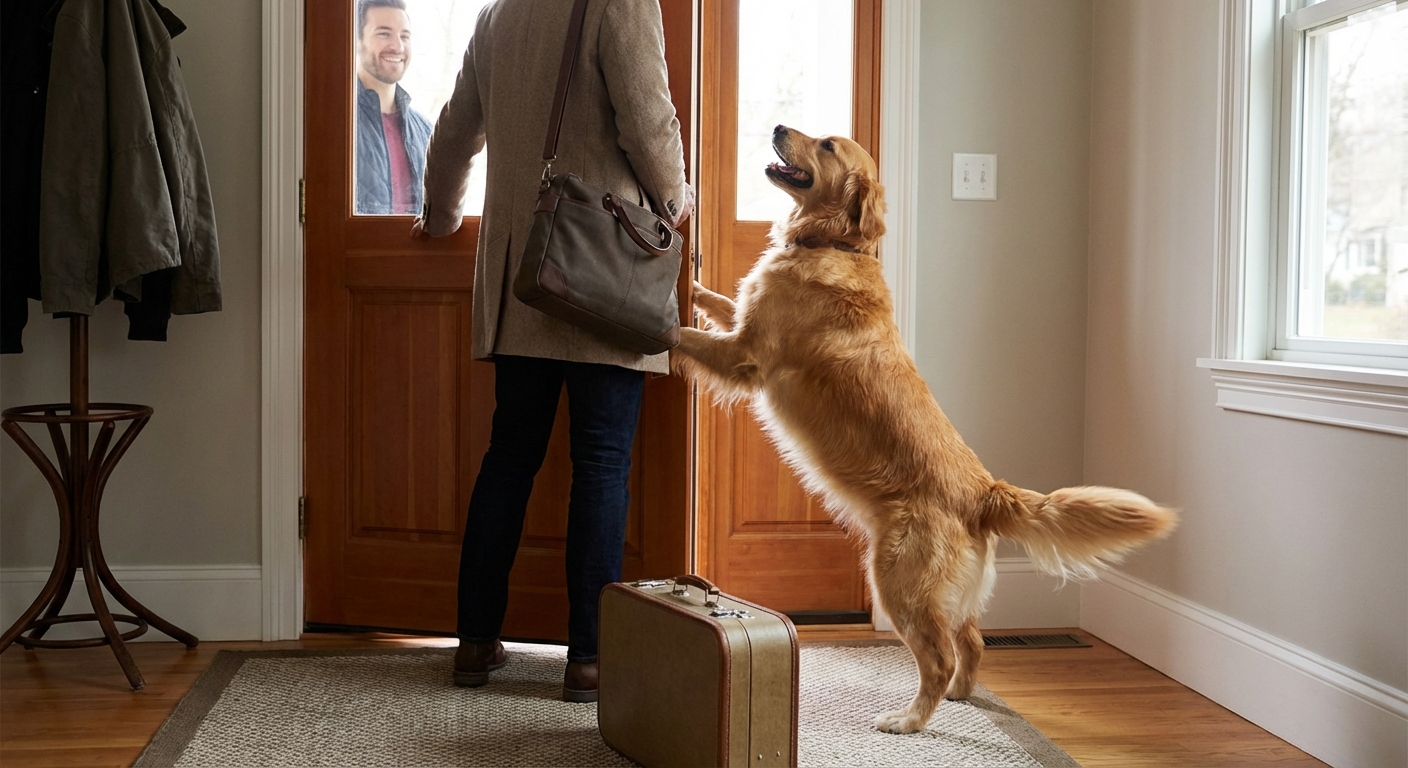
This is one of the most common triggers. Dogs may mount when visitors arrive, during play, or when the household energy is high. Think of it as an overflow behavior when emotions run hot and your dog does not have another outlet.
2) Stress or conflict
Some dogs mount when they are uncomfortable, overwhelmed, or unsure what to do. You might see it at the dog park, around unfamiliar dogs, or during busy gatherings at home.
3) Attention-seeking
If mounting reliably makes people react, even with yelling or pushing the dog away, it can become an effective strategy for getting attention. From your dog’s point of view, attention is attention.
4) Play and social learning
Puppies and adolescents often experiment with mounting during play. They are learning boundaries. Some dogs also use mounting as a rude social move when they are poorly matched with another dog or when play is escalating.
5) Hormones
Hormones can play a role, especially in intact dogs. But even neutered and spayed dogs may mount because the behavior is not exclusively sexual and can become learned.
6) Habit
Sometimes the original reason no longer matters. If a dog has practiced mounting for months, it can become a default coping tool when bored, excited, or under-stimulated.
7) Medical causes
Less commonly, mounting can be linked to discomfort or health issues. Common possibilities include skin itchiness (including allergies), urinary tract issues, anal gland discomfort, orthopedic or back pain, or irritation around the genital area. True hormonal disorders are less common, but still possible. If the behavior is sudden, intense, or paired with other symptoms, a veterinary check is smart.
Is it dominance?
People often worry that humping is about dominance. In modern behavior science, “dominance” is not considered a helpful catch-all explanation for everyday pet behaviors. Mounting can show up in many emotional states, including excitement and anxiety, and it can occur between dogs that otherwise have a healthy relationship.
In most household contexts, mounting is rarely best explained by a dominance goal. Instead of trying to “show your dog who is boss,” focus on lowering arousal, teaching alternative behaviors, and preventing practice.
How to stop it
Here is a practical, kind plan that works well for many dogs.
Step 1: Interrupt early
The goal is to stop the behavior without adding fear or escalating the situation. When you see your dog starting to fixate or posture, calmly interrupt with a cue like “this way,” a hand target, or calling them to you for a treat.
- Avoid yelling, kneeing, alpha rolls, collar grabbing, or physically pushing the dog off. These can increase arousal, create stress, and sometimes make the behavior worse.
- If your dog is already mounting, calmly guide them away using a leash, a drag line, or a barrier.
- Safety note: If there is tension between dogs, avoid stepping between them. Use leashes, gates, or a calm recall to create space.
Step 2: Teach a replacement
Replacement behaviors are your best friend because your dog cannot mount and do these at the same time. Keep it simple at first, then add difficulty as your dog succeeds.
- Four paws on the floor for greetings (or an easy sit)
- Go to mat when visitors arrive
- Touch (nose to hand) as a quick redirect
- Down to settle during busy moments
Step 3: Manage triggers
Management prevents rehearsal, meaning it prevents your dog from practicing the behavior while training takes effect. The fewer repetitions your dog gets, the faster new habits can stick.
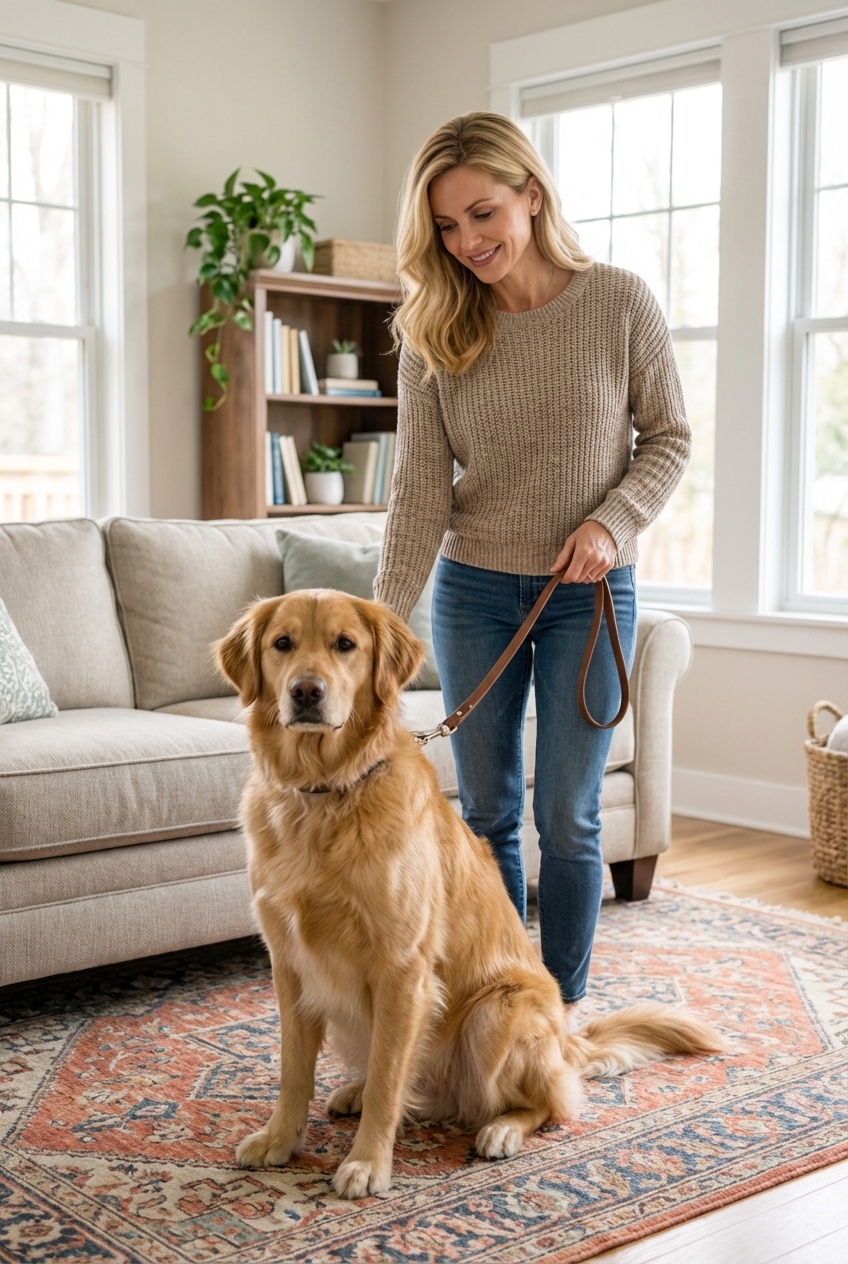
- Use a leash indoors during guest arrivals
- Set up a baby gate or quiet room during high-energy gatherings
- Separate dogs if play escalates into mounting
- If your dog fixates on a specific object (often a favorite pillow or blanket), put it away for now and bring it back later with structure and redirection
Step 4: Add better outlets
Many dogs mount more when they have excess energy or insufficient enrichment. Aim for a balanced routine:
- Daily walks that include sniffing time
- Short training sessions for mental work
- Food puzzles or scatter-feeding
- Structured play with breaks to cool down
Step 5: Reinforce calm
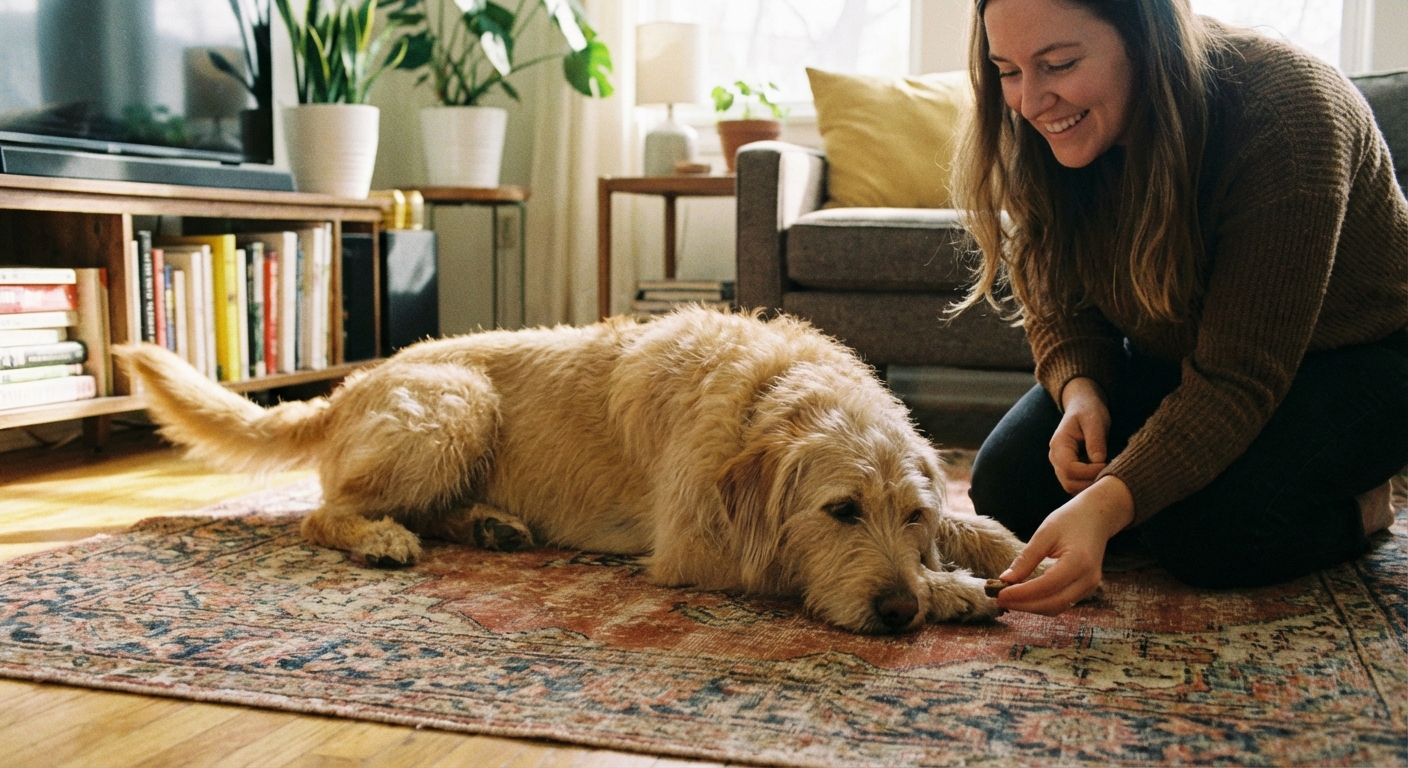
Calm behavior is trainable. Reward your dog when they choose to settle, lie down, or greet politely. Over time, you build a new default response to excitement.
Humping people
This is often the most uncomfortable scenario. Use a two-part strategy: prevent access and teach a replacement behavior.
- Prevent access: Keep your dog on leash during greetings, or use a gate until they calm down.
- Give guests a plan: Ask them to ignore your dog until all four paws are on the floor, then reward calm greetings.
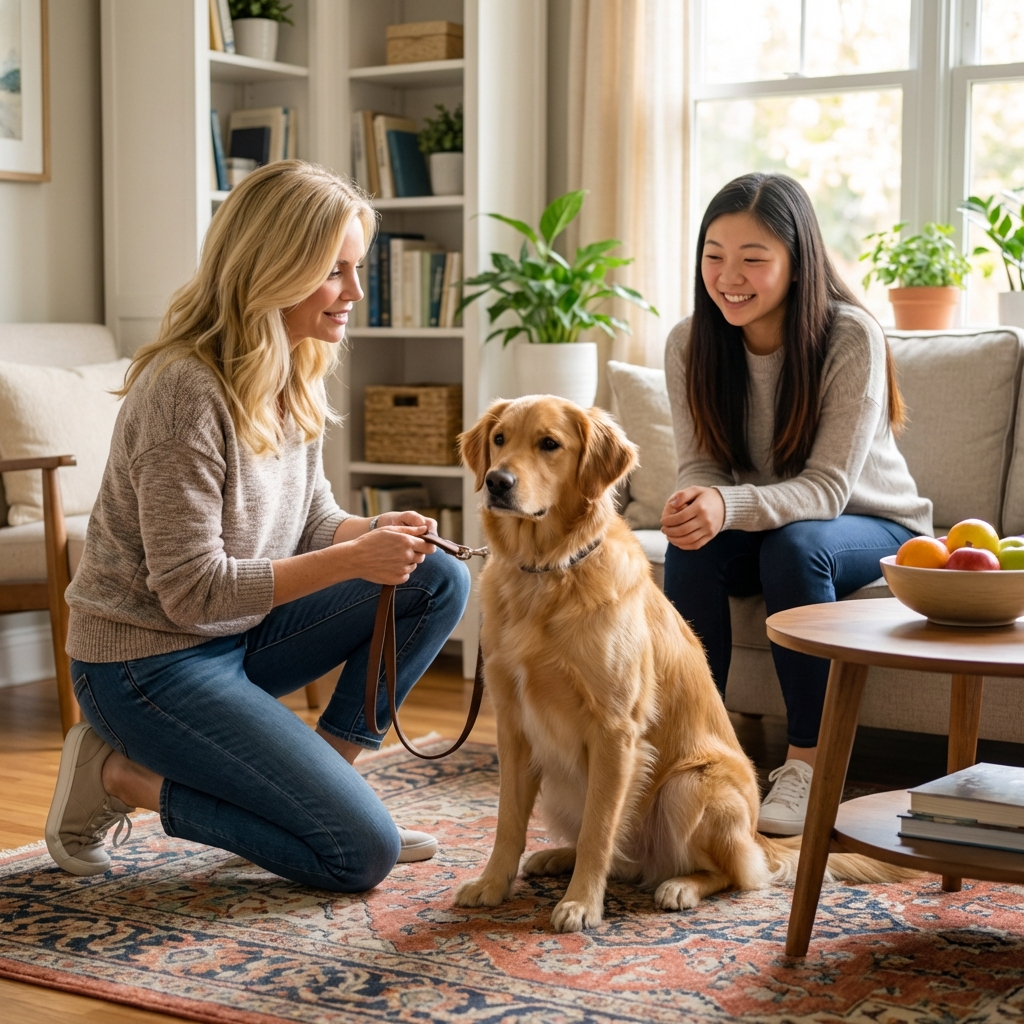
- Practice: Do short training sessions with a friend who can help you rehearse calm greetings.
- Extra caution with kids: Kids may squeal, run, or push the dog off, which can accidentally reinforce the behavior or create risk. Use gates, leashes, and supervised, structured greetings.
Humping other dogs
Mounting during play can quickly lead to conflict. Watch for signs that arousal is rising: stiff posture, repeated mounting attempts, pinning, or the other dog trying to leave.
- Interrupt and separate for a short cool-down break.
- Reward your dog for returning to you and settling.
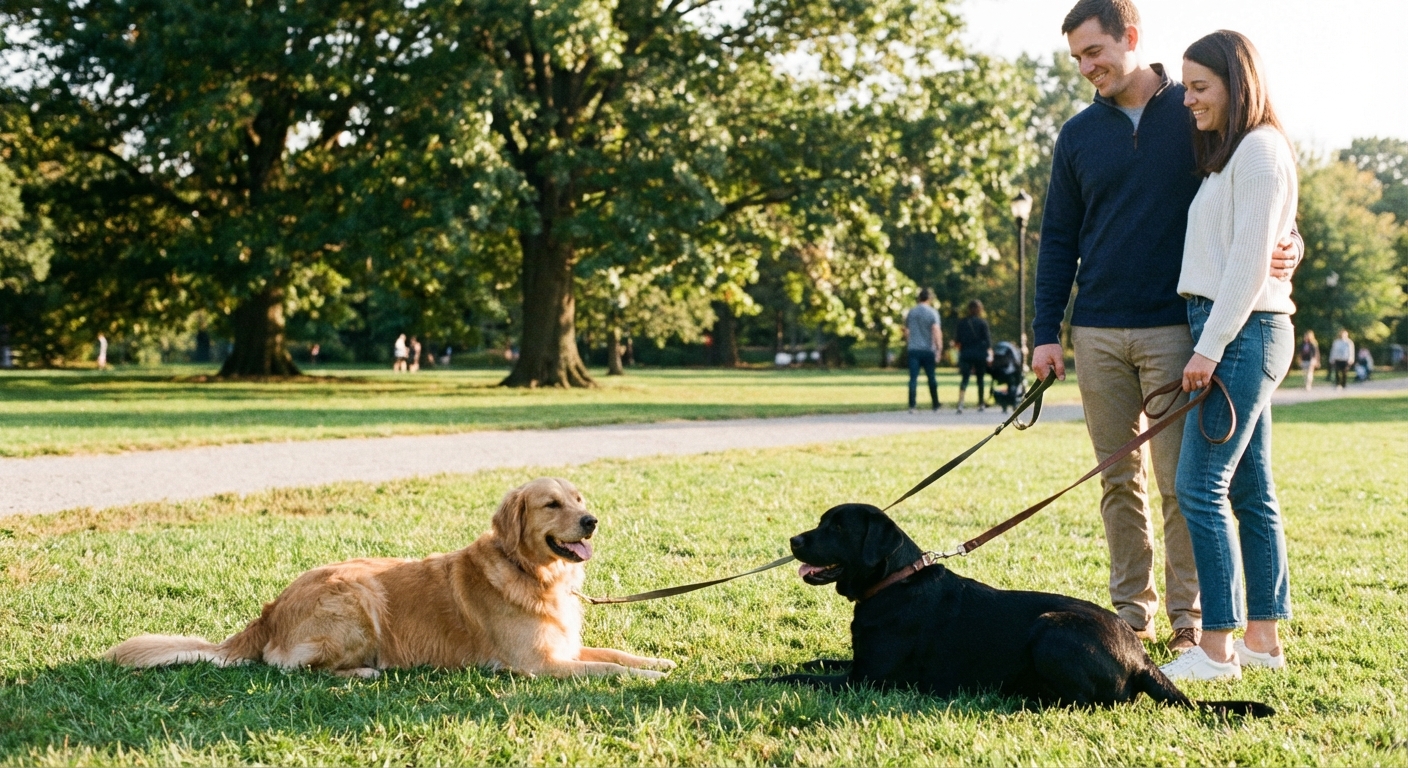
- Choose playmates carefully. Some dogs tolerate more than others, but repeated mounting is a sign the match may not be ideal.
Spay or neuter?
It can help in some cases, especially when hormones are a strong driver, but it is not a guaranteed fix. Effects vary by the individual and timing, and the behavior may persist if it has become a learned habit. Training and management are still important.
Quick troubleshooting
- If it happens at greetings: Use a leash or gate, cue “go to mat,” and reward four paws on the floor.
- If it happens during play: Add frequent breaks, switch to calmer games, and end play early if your dog cannot de-escalate.
- If it is object-focused: Put the object away temporarily and redirect to an appropriate chew, lick mat, or food puzzle.
- If it happens when your dog is bored: Increase enrichment and give your dog a predictable routine with training, sniffing, and rest.
When to get help
Consider extra support if:
- The behavior appeared suddenly or increased rapidly
- Your dog seems uncomfortable, is licking their genital area excessively, or has urinary changes
- Mounting leads to fights or intense reactivity
- You have tried consistent training for a few weeks with little improvement
Your veterinarian can rule out medical issues. A certified force-free trainer or veterinary behaviorist can help you build a plan tailored to your dog’s triggers and temperament.
Consistency works
Embarrassing behaviors are still just behaviors, and behaviors change with practice and support. If you focus on prevention, quick redirection, and rewarding the calm choices you want to see more often, most dogs improve steadily. Expect progress to take weeks, not days, and remember that small, consistent habits compound into remarkable results over time.