Wondering if Benadryl is safe for your dog’s itching or hives? Get vet-informed diphenhydramine dosing (1 mg/lb), a weight chart, product warnings, side ef...
Article
•
Designer Mixes
Why Do Dogs Get Hives?

Shari Shidate
Designer Mixes contributor
Seeing raised, itchy bumps pop up on your dog can be scary, especially when it seems to happen out of nowhere. The good news is that hives (urticaria) are common in dogs and often resolve quickly once the trigger is removed and inflammation calms down. The downside is that hives can sometimes be the first sign of a more serious allergic reaction.
As a veterinary assistant, I like to keep this simple and family-friendly: hives are raised welts caused by a histamine release in the skin, usually because your dog’s immune system is overreacting. Let’s walk through what causes them, what they look like, what you can do at home, and when it is time to head straight to the vet.
What dog hives look like
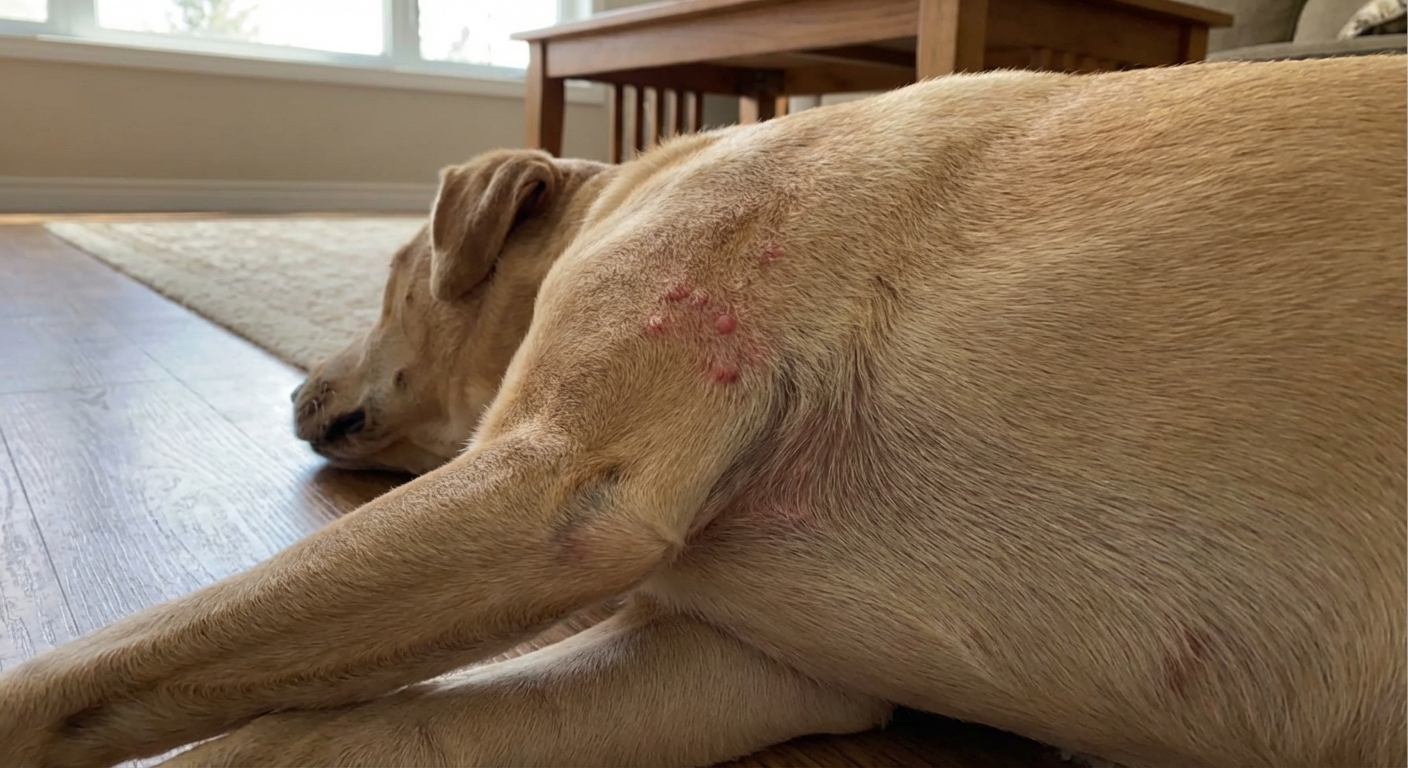
Hives are raised, puffy welts that can appear anywhere on the body. They may be small bumps clustered together or larger swollen patches. On short-haired dogs they are often easy to spot. On long-haired or thick-coated dogs, you might mainly notice sudden itching, rubbing, or sensitivity when you pet them.
- Fast onset: often minutes to a few hours after exposure to a trigger
- Itchiness: many dogs scratch, lick, or rub their face or body
- Swelling: sometimes the lips, eyelids, ears, or muzzle look puffy
- Temporary: many mild cases improve within hours to a day, but some can last longer
One tricky detail: hives can be mistaken for insect bites, contact irritation, or even small lumps. If you are not sure, a quick call to your veterinarian is always a good move.
Why dogs get hives
Hives happen when the body releases inflammatory chemicals like histamine. That release makes tiny blood vessels leak fluid into the skin, which creates those classic raised welts.
1) Insect stings and bites
This is one of the most common causes we see. Bees, wasps, ants, mosquitoes, and other biting insects can all trigger hives, especially if your dog is sensitive or gets multiple bites. People also worry about spiders, and while a bite can cause skin reactions, true spider envenomation is uncommon and often over-attributed.
- Often shows up after time outdoors
- You may notice face swelling if the sting was near the muzzle
- A sting in the mouth or throat (some dogs snap at bees) can be especially dangerous
2) Medications and vaccines
Some dogs develop hives after certain medications or after vaccination. Most vaccine reactions are mild and treatable, but they should always be reported to your veterinarian so future plans can be adjusted safely.
3) Contact reactions
Think of anything that touches the skin: new shampoo, grooming spray, detergent on bedding, lawn chemicals, topical flea products, or even a new collar material.
4) Food reactions
Food-related hives can happen, but many chronic food allergies show up more as recurring ear infections, paw licking, or year-round itch. Still, a sudden new treat, chew, or diet change can set off hives in some dogs.
5) Environmental allergies
Pollen, mold spores, grasses, and dust more commonly cause ongoing itch and skin irritation, but they can contribute to flare-ups in sensitive dogs and may occasionally be part of the picture with hives. If your dog gets repeated episodes tied to seasons or outdoor exposure, your vet can help you sort out what is most likely.
6) Stress and unknown triggers
Sometimes, despite doing everything right, the exact trigger is not identified. That is frustrating, but it is common. Your vet can help you decide whether this is a one-time flare or part of an ongoing allergy pattern.
Hives vs. other skin issues
Not every bump is a hive. Here are a few quick clues that help families sort out what they might be seeing.
Hives
- Sudden appearance
- Raised welts that can shift or change shape
- Often very itchy
- May come with facial puffiness
Fleas or flea allergy dermatitis
- More common near the tail base and back end
- Small scabs, hair loss, intense itching
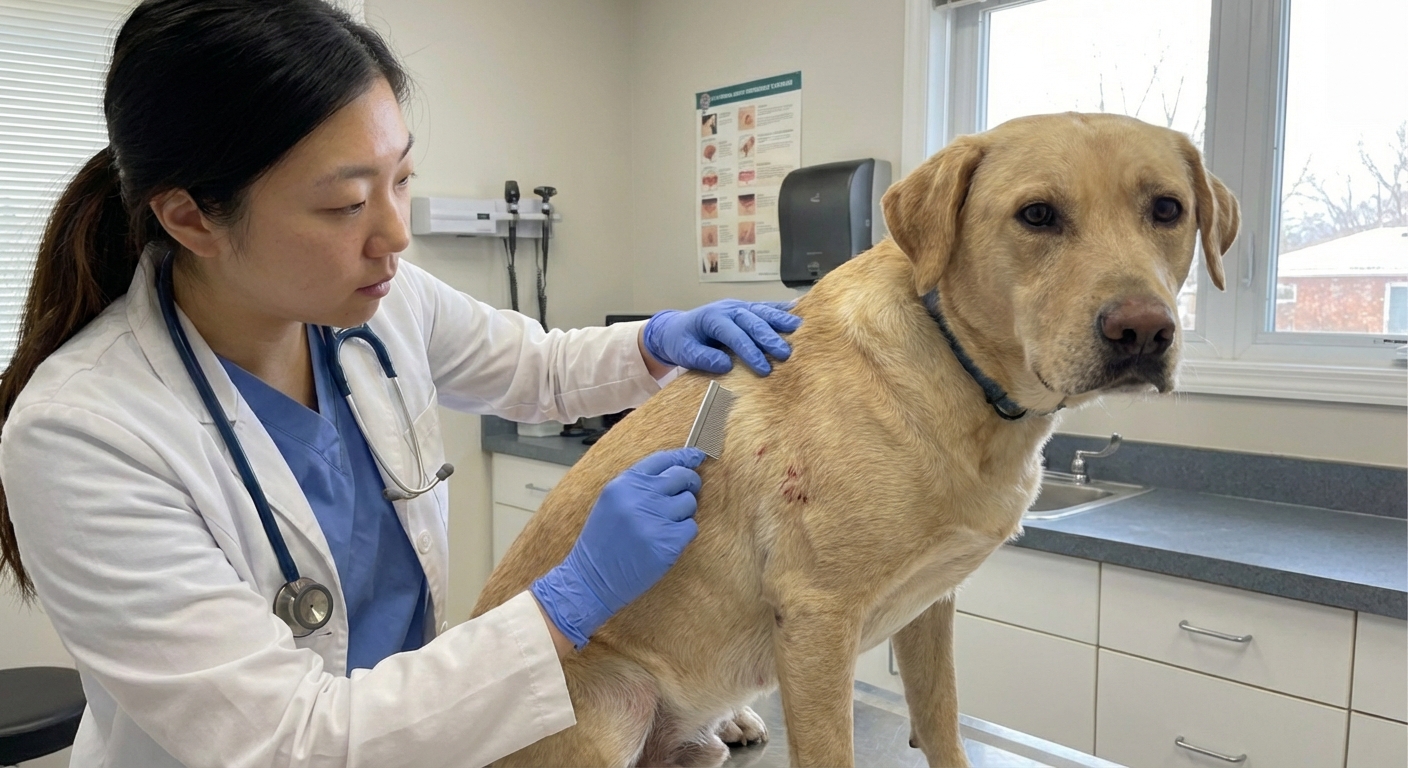
- You may find flea dirt when you comb
Hot spots
- Moist, red, painful area that spreads quickly
- Often from licking or chewing
- Usually not raised welts across the body
Mange or skin infections
- Often progressive over days to weeks
- Hair loss, scaling, odor, crusting
- Needs veterinary diagnosis and targeted treatment
If the skin looks infected, oozing, or has a strong odor, that is not a wait-and-see moment. Those cases deserve a prompt exam.
When hives are an emergency
Most hives are mild, but some allergic reactions can escalate. If you see any of the signs below, treat it as urgent.
Go to an emergency vet now if your dog has:
- Difficulty breathing, noisy breathing, or persistent coughing
- Severe facial swelling, especially around the muzzle, mouth, or throat
- Vomiting or diarrhea along with hives
- Collapse, weakness, pale gums, or extreme lethargy
- Rapid progression of swelling or widespread hives in minutes
- Possible sting in the mouth or throat (for example, after snapping at a bee)
These can be signs of anaphylaxis or airway involvement. It is always better to be told “everything looks okay” than to wait too long.
What you can do at home
If your dog is bright, breathing normally, and only has mild hives or itchiness, you can take a calm, practical approach while you contact your veterinarian for guidance. Even in mild cases, same-day advice is a smart idea if the hives are spreading quickly, your dog is very young or senior, your dog has other health conditions, or your dog has had a severe reaction in the past.
Step 1: Remove likely triggers
- Bring your dog indoors and away from grasses or flowering plants
- If you suspect a shampoo or topical product, rinse with lukewarm water
- Remove a new collar or harness if the reaction is localized
Step 2: Take photos and note timing
Snap a few clear photos. Track what your dog was doing in the 1 to 6 hours before the hives started, including:
- New foods, treats, chews
- New supplements
- Grooming products
- Walk location and insects you noticed
- Recent vaccines or medications
Step 3: Call your veterinarian before giving any medication
Many families ask about over-the-counter antihistamines. Some can be used in dogs, but the right choice and dose depend on your dog’s weight, health history, and other medications. Certain products that are safe for people can be risky for pets, especially combination cold and allergy products.
Step 4: Prevent self-trauma
If itching is intense, use an e-collar (cone) if you have one, or keep your dog supervised to prevent chewing that can create hot spots.
What not to do
- Do not give human pain relievers (like ibuprofen, naproxen, or acetaminophen) unless your veterinarian specifically instructs you
- Do not use human cold medicines or decongestants
- Do not apply essential oils or numbing creams unless directed
- Do not apply human anti-itch creams unless your veterinarian directs you (dogs lick, and many topical products are not meant to be ingested)
Monitoring tip: If hives are not improving within about 24 hours, or if anything worsens at any point, contact your veterinarian promptly.
How vets diagnose and treat hives
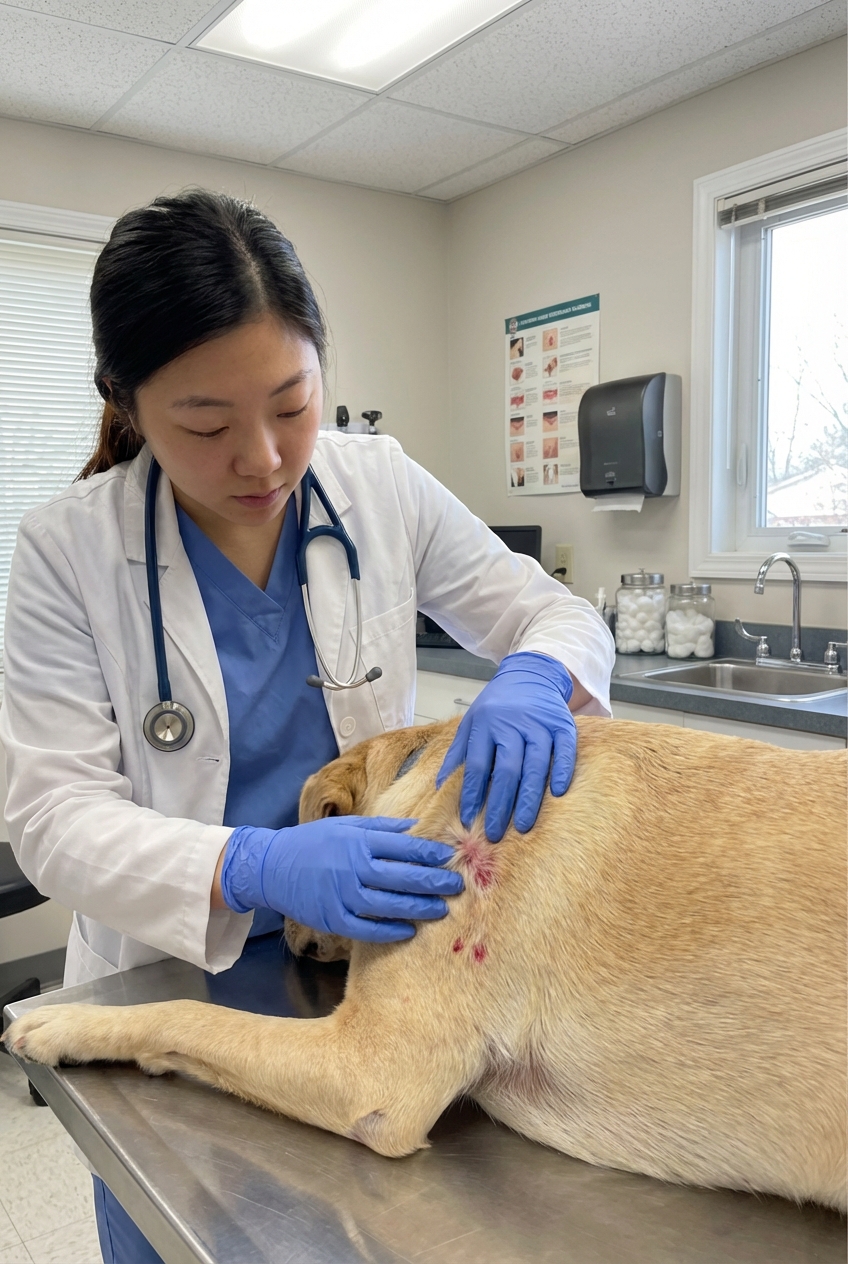
In clinic, we focus on two priorities: stabilize if severe, and identify the most likely trigger.
What the exam may include
- Full physical exam, including airway and gum color
- History review of recent foods, meds, vaccines, insect exposure
- Skin evaluation to rule out parasites or infection when needed
Common treatments
- Antihistamines when appropriate
- Corticosteroids or other veterinary anti-inflammatory medications for more significant reactions (your vet will choose what is safe for your dog)
- Emergency medications and oxygen support if breathing is affected
- Skin support if there is secondary irritation from scratching
If hives keep returning, your veterinarian might discuss an allergy plan that could include environmental management, diet trials, or referral to a veterinary dermatologist. Rarely, recurrent hives can be connected to underlying medical issues, so repeat episodes are worth an exam even if they seem to resolve on their own.
Prevention tips
You cannot bubble-wrap your dog, and you should not have to. But you can reduce the most common triggers with a few simple habits.
- Keep a “new item” rule: introduce one new food or treat at a time for a few days so you can identify reactions.
- Rinse after outdoor adventures: a quick paw and belly rinse can remove pollen and grass irritants.
- Use fragrance-free laundry detergent for dog bedding if your pup has sensitive skin.
- Stay consistent with parasite prevention: flea allergy can look like a lot of things at first.
- Ask your vet about vaccine plans if your dog has reacted before. Most dogs can still be vaccinated safely with the right strategy.
Family tip: If hives happen, try not to change five things at once. A simple timeline and one change at a time makes it much easier to find the true trigger.

Quick questions
Do hives mean my dog is allergic to something forever?
Not always. A one-time sting or contact irritation can cause hives without becoming a lifelong issue. Recurrent episodes suggest an ongoing sensitivity that is worth investigating.
Can dogs get hives from grass?
Yes, some dogs react to grass or pollen either by contact on the skin or through inhaled allergens. You might notice flares after rolling in grass or during high pollen days. More commonly, environmental allergies show up as ongoing itch, but hives can happen in some dogs.
How long do dog hives last?
Some cases improve within hours, and many resolve within about 24 hours. Others can linger longer. If hives persist, worsen, or come with vomiting, diarrhea, facial swelling, or breathing changes, call your vet promptly.
Are hives contagious?
No. Hives are an immune response, not an infection.
Bottom line
Most of the time, dog hives are treatable and short-lived. Your job is to watch breathing, watch swelling, and look for a trigger. If anything feels off, trust that instinct and call your veterinarian.
Your dog depends on you to notice the small changes. And you are already doing that by learning what hives mean and how to respond calmly.