A vet assistant explains why dogs eat grass—nausea, boredom, stress, taste, or diet. Learn red flags, lawn and foxtail hazards, and safe steps to reduce gr...
Article
•
Designer Mixes
Why Do Dogs Eat Grass? 5 Reasons

Shari Shidate
Designer Mixes contributor
As a veterinary assistant here in Frisco, Texas, I get this question all the time: Why does my dog keep eating grass? The reassuring news is that for many dogs, grass-eating is normal and not an emergency. But it can also be a clue that your pup is bored, mildly nauseated, needs a tweak to their feeding or enrichment routine, or (less commonly) dealing with an underlying health issue.
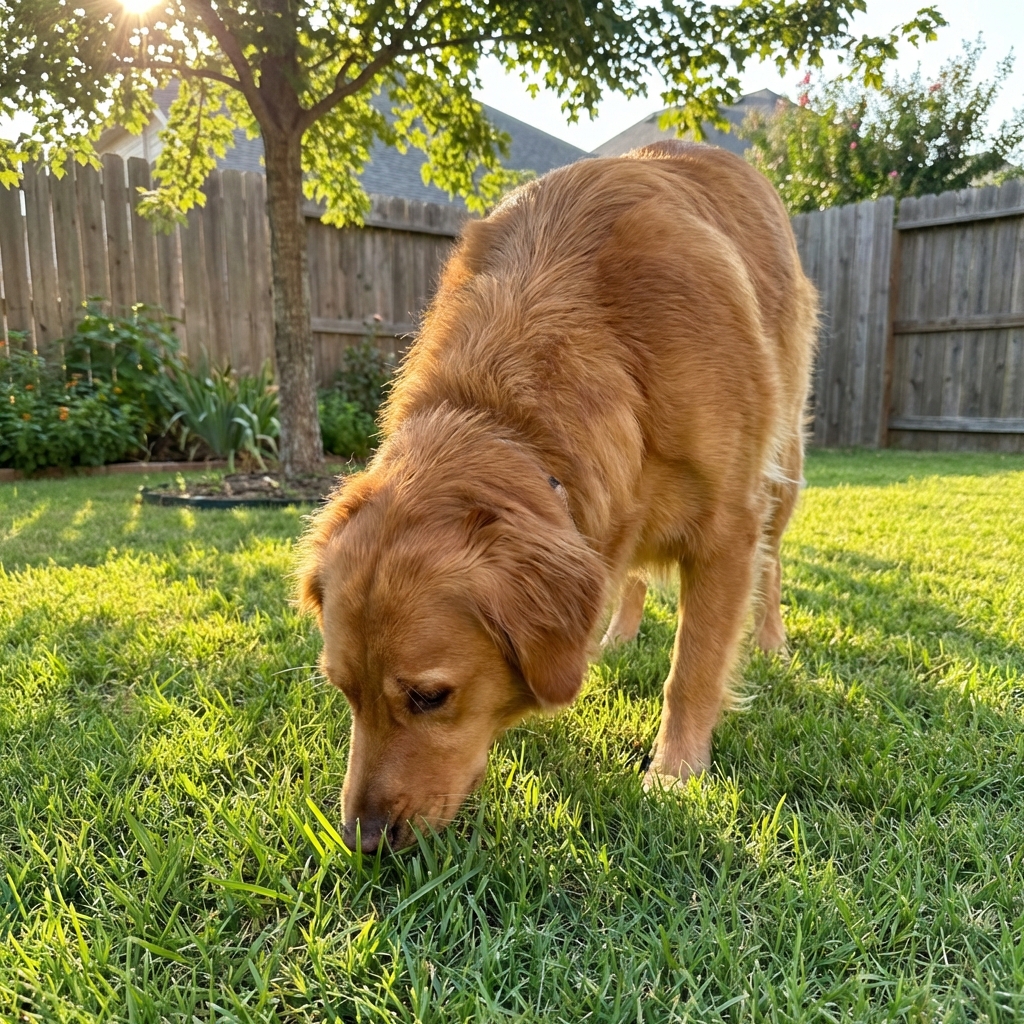
Let’s walk through five common, vet-recognized reasons dogs eat grass, plus when you should call your vet and how to make grass-eating safer.
This article is educational and not a substitute for a veterinary exam or diagnosis.
Reason 1: It’s normal dog behavior
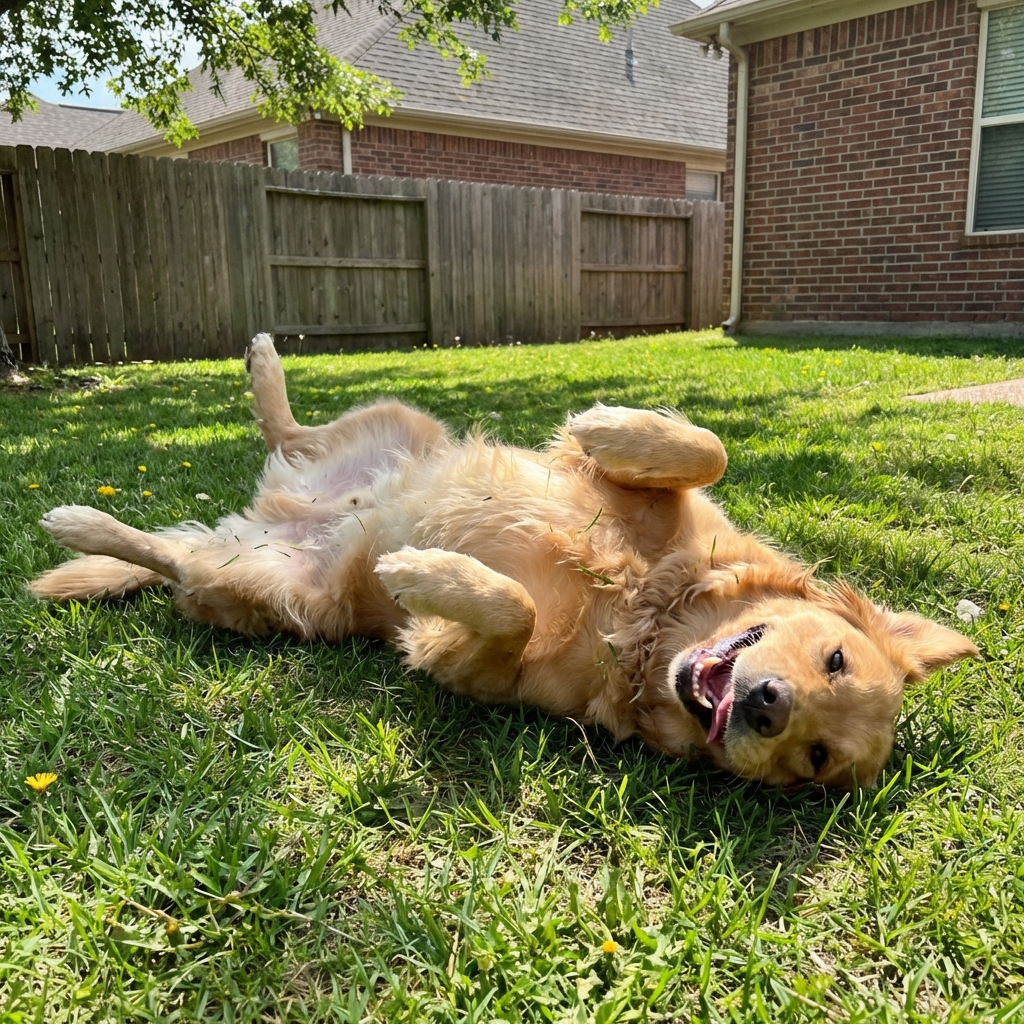
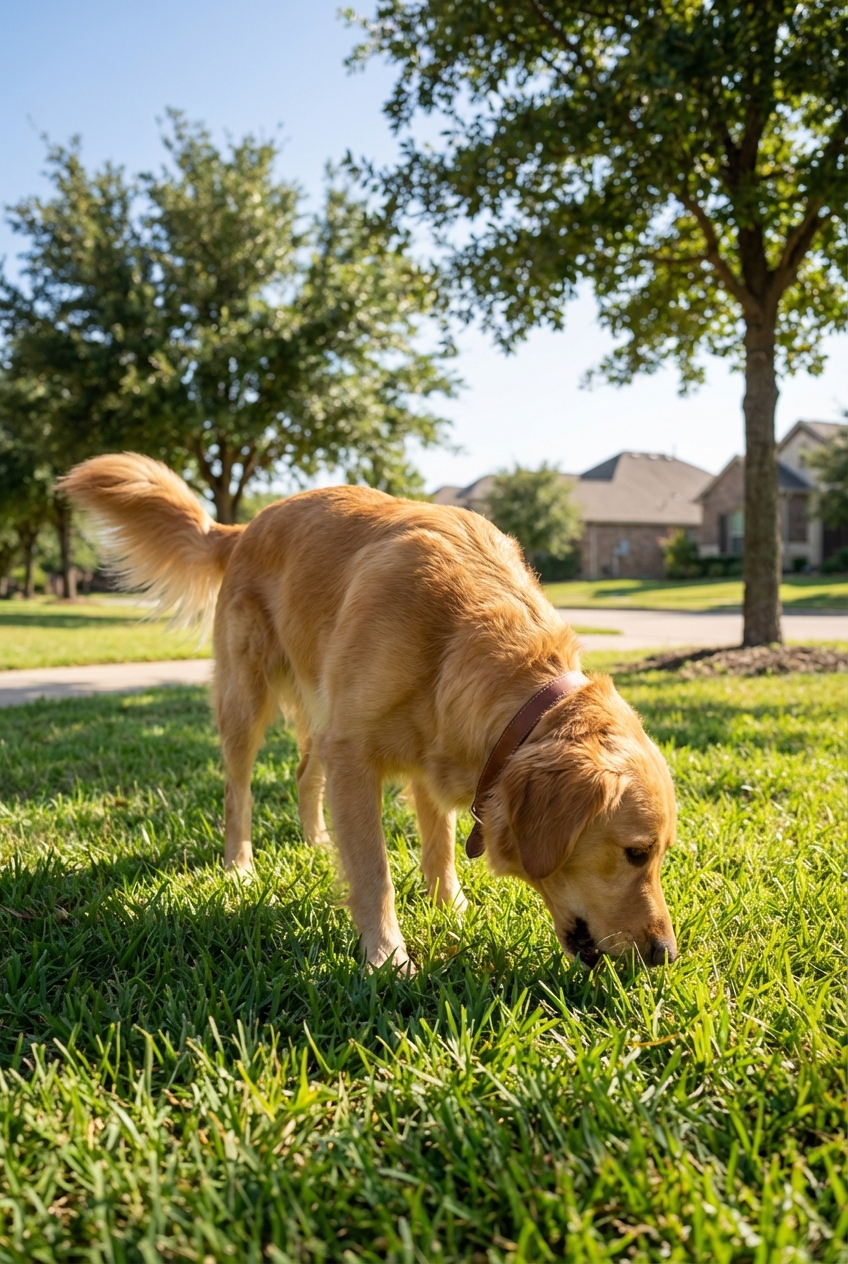
Dogs explore the world with their mouths. Grass has an interesting smell, texture, and taste, and many dogs simply sample it the way they might chew a stick.
Veterinary observations suggest that grass-eating is common in healthy dogs, and most dogs that eat grass do not become sick afterward. In other words, for plenty of pups, it is just a “dog being a dog” moment.
What you can do
- If your dog is bright, active, eating normally, and has normal stools, occasional grass nibbling is usually not a big concern.
- Redirect if it becomes obsessive, or if your dog is pulling hard on the leash to reach grass.
Reason 2: Upset stomach or nausea
Some dogs eat grass when they feel mildly nauseated. You have probably heard, “My dog ate grass and then threw up.” That can happen, but it is important to know that many dogs eat grass and do not vomit, and vomiting is not proof that the grass “fixed” anything.
Think of grass as something a nauseous dog may reach for, similar to how humans might sip ginger ale or nibble crackers. It is not a proven remedy, but it can be a sign your dog’s stomach feels off, even if it is temporary.
Clues it might be nausea
- Lip licking, drooling, gulping, or swallowing repeatedly
- Eating grass frantically (not leisurely grazing)
- Occasional vomiting, especially of yellow foam or bile
- Reduced appetite or “off” behavior

Reason 3: Hunger, diet timing, or fiber
Dogs may graze when they are hungry, when meals are spaced too far apart, or when their digestion is a bit off. Some dogs may also do this if they could benefit from a diet adjustment, including fiber. The relationship between grass-eating and fiber is not clear-cut, so think of this as a “maybe,” not a guarantee.
This does not automatically mean your dog’s food is “bad,” but it can be worth evaluating the basics: meal schedule, treat overload, and whether your dog’s stools look healthy and consistent.
Action steps
- Check meal timing: If your dog is going long stretches between meals, ask your vet if splitting into 2 to 3 smaller meals could help.
- Ask about fiber: Your vet may suggest a safe fiber source (like plain canned pumpkin in appropriate amounts, not pumpkin pie filling or pumpkin pie mix) depending on your dog’s needs.
- Monitor stool quality: Very soft stools, straining, or mucus can point to GI irritation that deserves attention.
Reason 4: Boredom, stress, or extra energy
Grass-eating can also be a self-soothing habit or a boredom behavior, especially in smart, high-energy dogs and young dogs. If grass is always available on walks, it can become part of the routine.
In my experience, dogs that are under-stimulated often develop “busy mouth” habits: chewing grass, grabbing sticks, licking paws, or scavenging.
Try this on walks
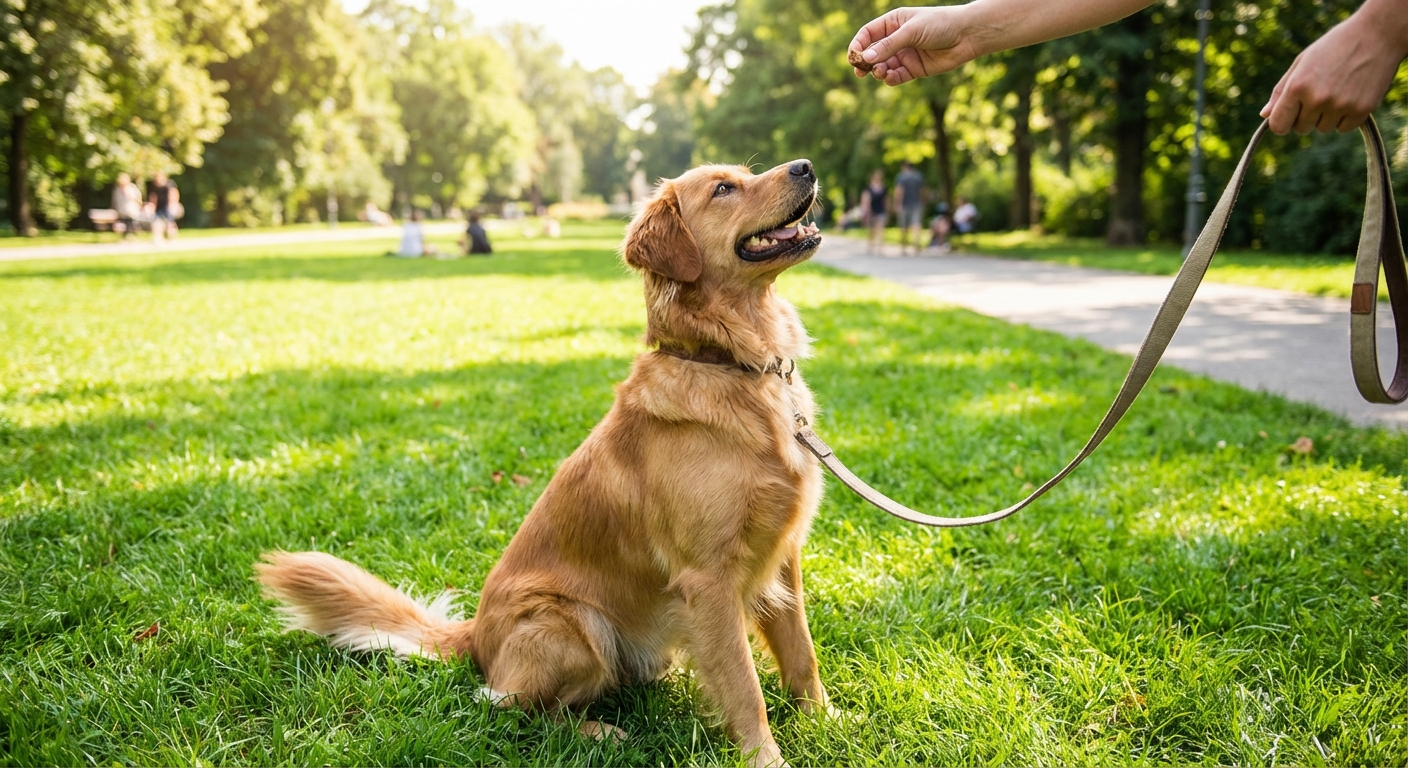
- Increase enrichment: Add sniff breaks, training cues (sit, touch, heel), or a short game of find-it with kibble.
- Boost exercise appropriately: More physical activity and mental work can reduce grazing.
- Manage stress: If grass-eating spikes with triggers (new dog in the neighborhood, loud noises, separation), consider a behavior plan with your vet or a qualified trainer.

Reason 5: Taste, scent, and the “salad bar” effect
Some grasses are especially tempting, especially tender spring grass. Dogs may also be drawn to scents on the grass, like wildlife or other dogs, or to residues in treated areas (including runoff or standing water after watering).
This is where we want to pause, because the biggest risk is often not the grass itself, but what is on the grass.
Safety concerns to know
- Pesticides and herbicides: Lawn chemicals can irritate the GI tract and may be toxic depending on product and exposure.
- Fertilizers (including “organic”): Some fertilizers can cause significant stomach upset, and certain products can be dangerous if eaten. Organic fertilizers like blood meal or bone meal can smell like food to dogs and may lead to vomiting, pancreatitis risk , or GI blockage if a large amount is consumed.
- Parasites from fecal contamination: The bigger risk is not the grass itself, but sniffing or licking areas contaminated by feces or dirty soil in shared dog spaces.
- Foxtails and awns: Depending on season and neighborhood, foxtails can lodge in the mouth, nose, ears, or skin and require urgent veterinary care.
- Roadside residues: Try to avoid grazing near roads and sidewalks where oil, fuel residue, or other contaminants may collect.
- Choking or irritation (rare): Long, stiff blades can occasionally cause gagging or irritation, especially if your dog bites off big mouthfuls quickly.
When grass-eating is a red flag
Please call your veterinarian promptly if you notice any of the following, especially if they occur together:
- Repeated vomiting or inability to keep water down
- Diarrhea lasting more than 24 hours, bloody stool, or black tarry stool
- Bloated abdomen, unproductive retching, or signs of pain (possible emergency)
- Sudden intense grass-eating paired with lethargy
- Weight loss, increased thirst or urination, or appetite changes that persist
- Coughing, gagging, or pawing at the mouth after chewing grass (possible foreign material)
If your dog is trying to vomit but nothing is coming up, or their belly looks swollen, treat it as an emergency and seek care right away.
If grass-eating is frequent and paired with ongoing vomiting, diarrhea, appetite changes, or weight loss, your vet may want to rule out issues like parasites, diet intolerance, pancreatitis , or chronic GI conditions.
How to make grass-eating safer
You cannot control every blade of grass your dog encounters, but you can reduce risk with a few practical habits.
Safer habits
- Avoid treated lawns: Do not let your dog graze on lawns that may have been sprayed or fertilized, including areas recently watered where runoff may spread residues.
- Choose cleaner areas: Try to walk where there is less heavy dog traffic and fewer unknown contaminants.
- Keep parasite prevention current: Stay consistent with your vet-recommended heartworm and intestinal parasite prevention.
- Work on “leave it”: A reliable cue can prevent frantic grazing and scavenging.
- Offer approved greens at home: Some dogs enjoy small amounts of dog-safe veggies (lightly cooked) as part of a balanced diet, if your vet agrees.
The bottom line
Most of the time, grass-eating is a normal behavior and not something to panic about. But patterns matter. If your dog is eating grass constantly, doing it frantically, or showing any GI signs like vomiting, diarrhea, or loss of appetite, it is worth a conversation with your veterinarian.
You know your dog best. If something feels off, trust that instinct and get guidance early. It is always easier to address small digestive or behavior issues before they turn into bigger ones.