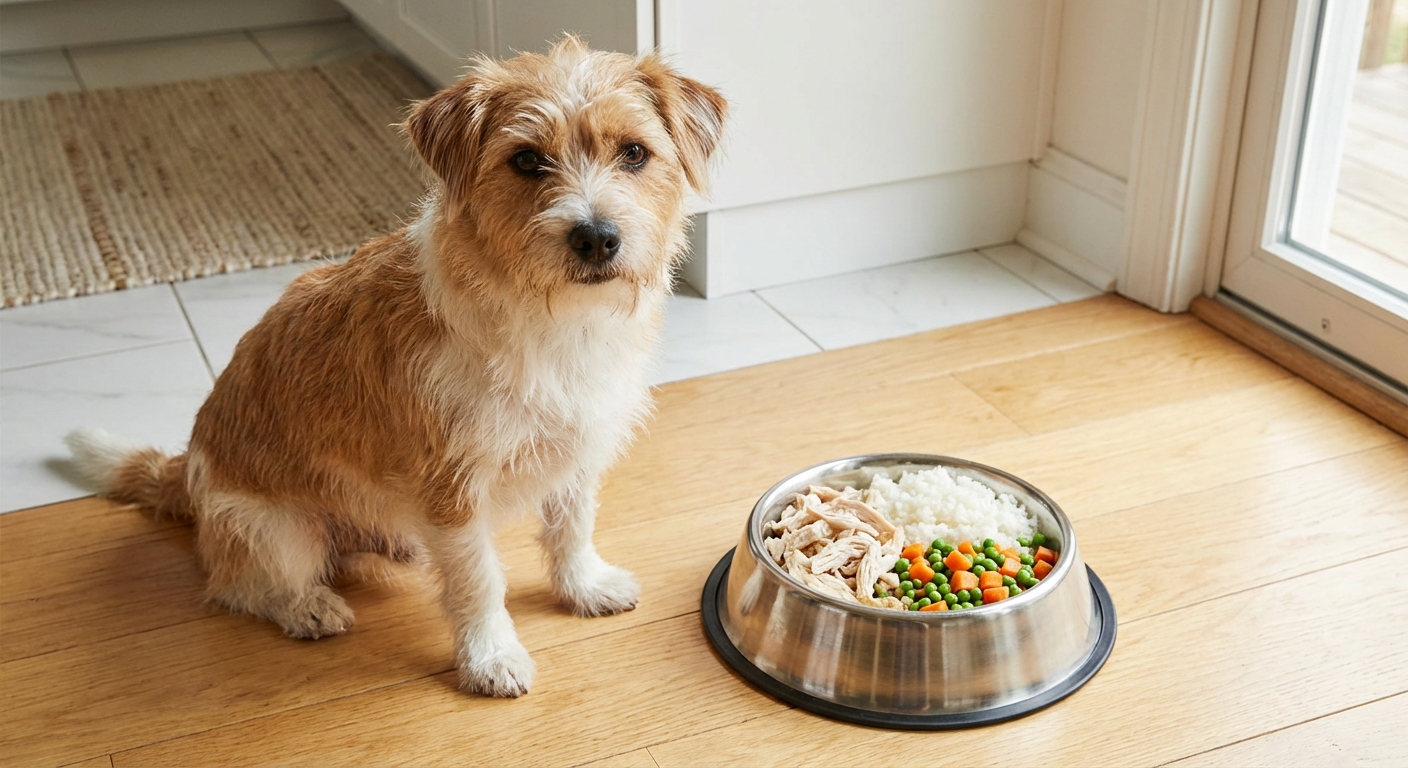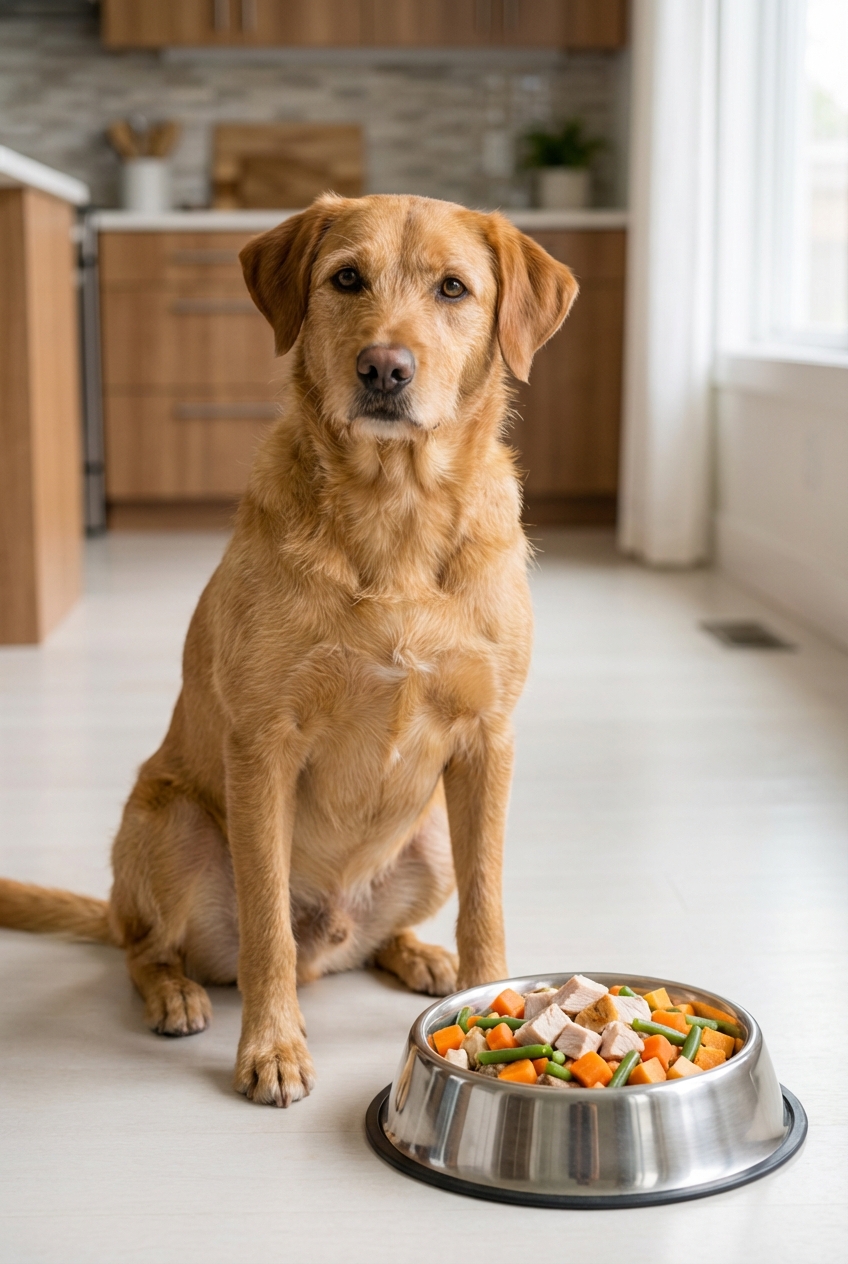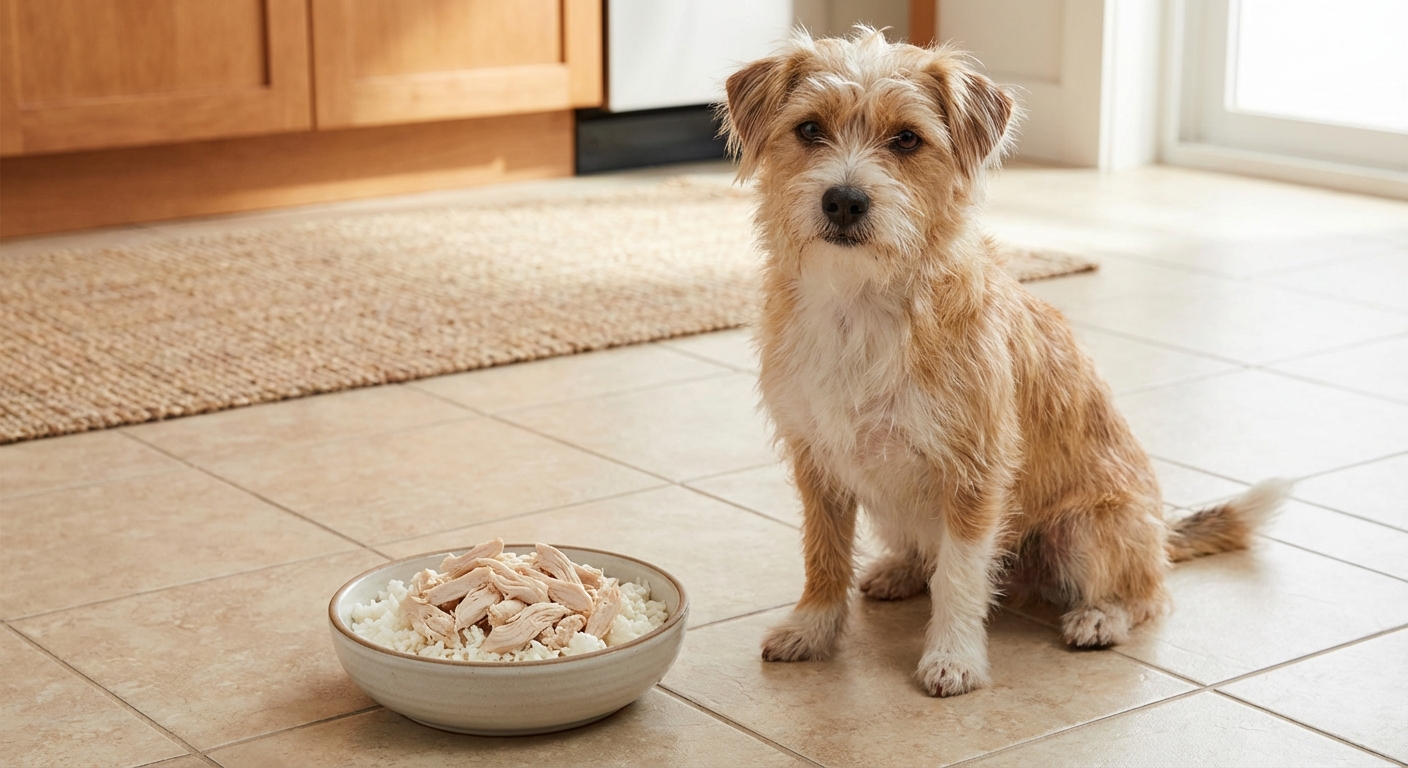
Chicken and rice can soothe mild stomach upset and help dogs transition back to normal food. Learn safe recipes, portions, how long to feed it, and when to c...
Article
•
Designer Mixes
Why Do Dogs Curl Up to Sleep?

Shari Shidate
Designer Mixes contributor
If you have ever watched your dog turn in a small circle and tuck into a tight ball, you are seeing a behavior that is both ancient and practical. Curling up to sleep is often completely normal, but it can also be your dog’s way of saying, “I’m cold,” “I want to feel safe,” or occasionally, “Something hurts.”
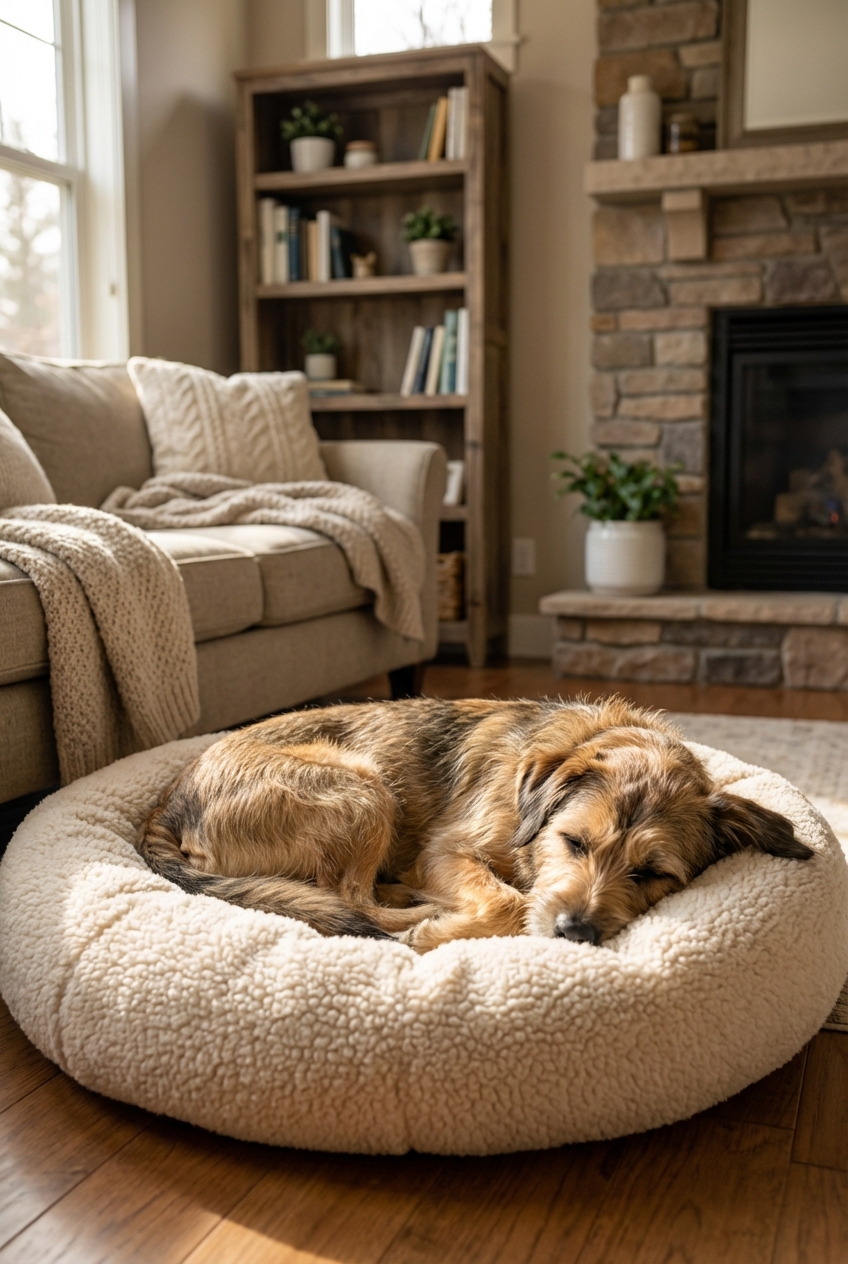
Below is a quick, vet-informed guide to what curled-up sleeping usually means, plus when it is worth a closer look.
A built-in safety habit
One of the biggest reasons dogs curl up is instinct. Before dogs slept on couches and memory-foam beds, they slept outside where they needed to stay protected. Curling up can help them:
- Keep the belly and chest less exposed by tucking them inward.
- Reduce exposure of paws, nose, and belly, which are more vulnerable to cold and bumps.
- Feel less “out in the open” by making a smaller profile.
This is especially common in dogs that are naturally cautious, recently adopted, or easily startled.
Conserving body heat
Curling up is also a simple temperature tool. By tucking in, a dog reduces surface area and holds warmth close to the body. You may notice more curled-up sleeping when:
- The house is cooler at night (or the AC is blowing)
- Your dog has a short coat, low body fat, or is a senior
- Your dog just got groomed and has less insulating fur
- Your dog is small or lean, since they tend to chill faster
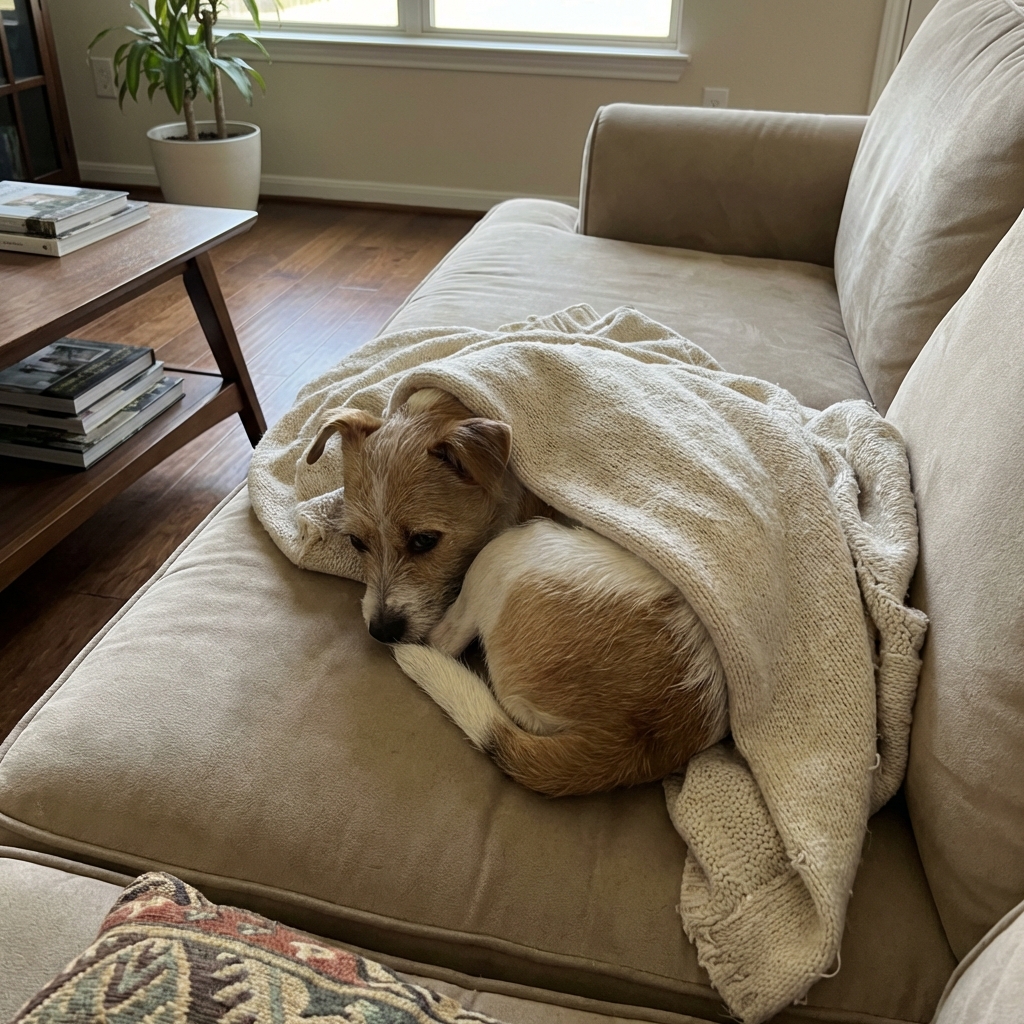
Try this: Offer a blanket, move the bed away from drafts, or provide a more insulated bed with bolsters. If your dog immediately relaxes and stretches out, temperature was likely the issue.
Comfort and self-soothing
Many dogs prefer predictable pressure and clear boundaries. A curled-up position often pairs with choosing a nest-like spot like a donut bed, a corner of the room, or the space between the couch and the wall. For some dogs, that “tucked in” feeling is calming.
That said, sleep posture is not a diagnosis. Some dogs curl up simply because it is their favorite way to snooze.
Signs it is just comfort
- They curl up, fall asleep easily, and wake up normally
- They change positions during sleep (curl up, then stretch out later)
- They look relaxed: loose face, normal breathing, no trembling
Quick note: Dogs with breathing challenges (including some brachycephalic, flat-faced breeds) may choose positions that make airflow easier. If you notice noisy breathing, frequent waking, or your dog seems to sleep better propped up, it is worth mentioning at their next vet visit.
Sometimes it is pain
Here is where my veterinary assistant brain always pauses. Curling up can sometimes be a way to guard a sore area, especially the abdomen, lower back, or hips. On its own, though, curled sleeping is nonspecific. The clues come from what changes around it.
Red flags to watch
- New behavior: your dog suddenly curls up much more than usual
- Restlessness: can’t get comfortable, keeps changing positions
- Stiffness: slow to stand, limping, difficulty jumping or using stairs
- Abdominal discomfort: hunched posture, reluctance to be touched, decreased appetite
- Other changes: vomiting, diarrhea, panting at rest, whining, hiding
Action step: If curled-up sleeping comes with any of the above, call your veterinarian. Pain can be subtle in dogs, and early evaluation is one of the kindest things you can do.
Seek urgent care now if you see repeated vomiting, unproductive retching, a painfully swollen or tight belly, collapse, severe lethargy, or pale gums.
Circling before lying down
Many dogs do a few turns before curling up. This is normal and also rooted in survival behavior. It may have helped their ancestors flatten grass, check for hazards, and create a comfortable sleeping spot.
If the circling becomes intense, repetitive, one-sided, or seems new, mention it to your vet. In senior dogs, changes in circling and sleep routines can sometimes be linked to cognitive changes, but pain (like arthritis), vestibular issues, and other neurologic problems can also play a role.
Quick home checklist
- Check the environment: Is the bed near a vent, window, or draft?
- Upgrade the bed: Many dogs prefer to sleep curled up in beds with bolsters because it feels secure.
- Support joints: For older dogs, add an orthopedic base plus a cozy topper.
- Track patterns: Note when it happens more (cold nights, after exercise, after grooming).
- Do a gentle body check: Look for soreness, licking, swelling, or sensitivity when touched.
- Check the bigger picture: If you are also seeing pacing, hypervigilance, clinginess, or hiding, stress or anxiety may be part of the story.
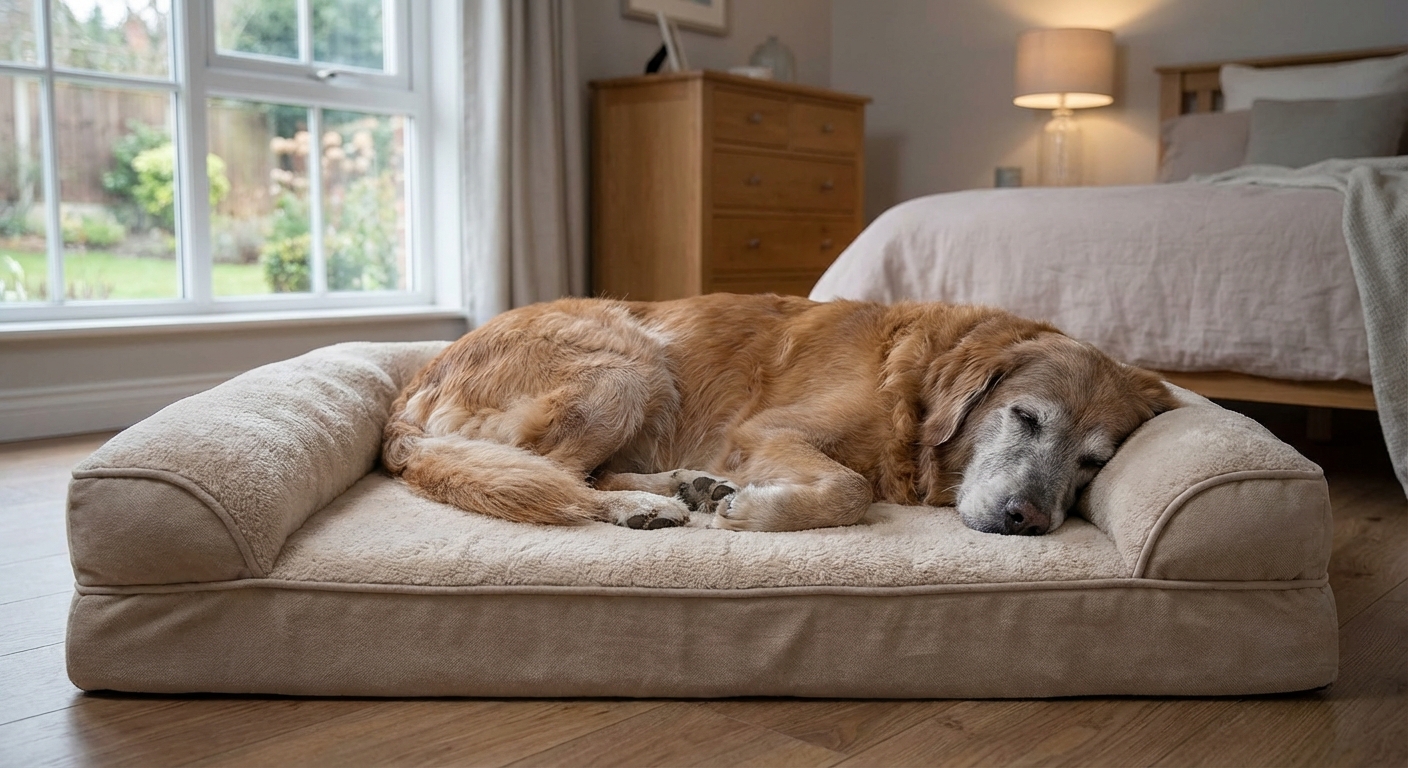
If your dog curls up and snoozes peacefully, it is usually just a sign they feel safe and comfortable. If it is paired with stiffness, tummy trouble, breathing changes, or a sudden shift in behavior, trust your instincts and get them checked out.