Cat throwing up after meals? Learn the difference between vomiting and regurgitation, common causes (fast eating, hairballs, diet issues, illness), home step...
Article
•
Designer Mixes
Why Do Cats Throw Up Their Food?

Shari Shidate
Designer Mixes contributor
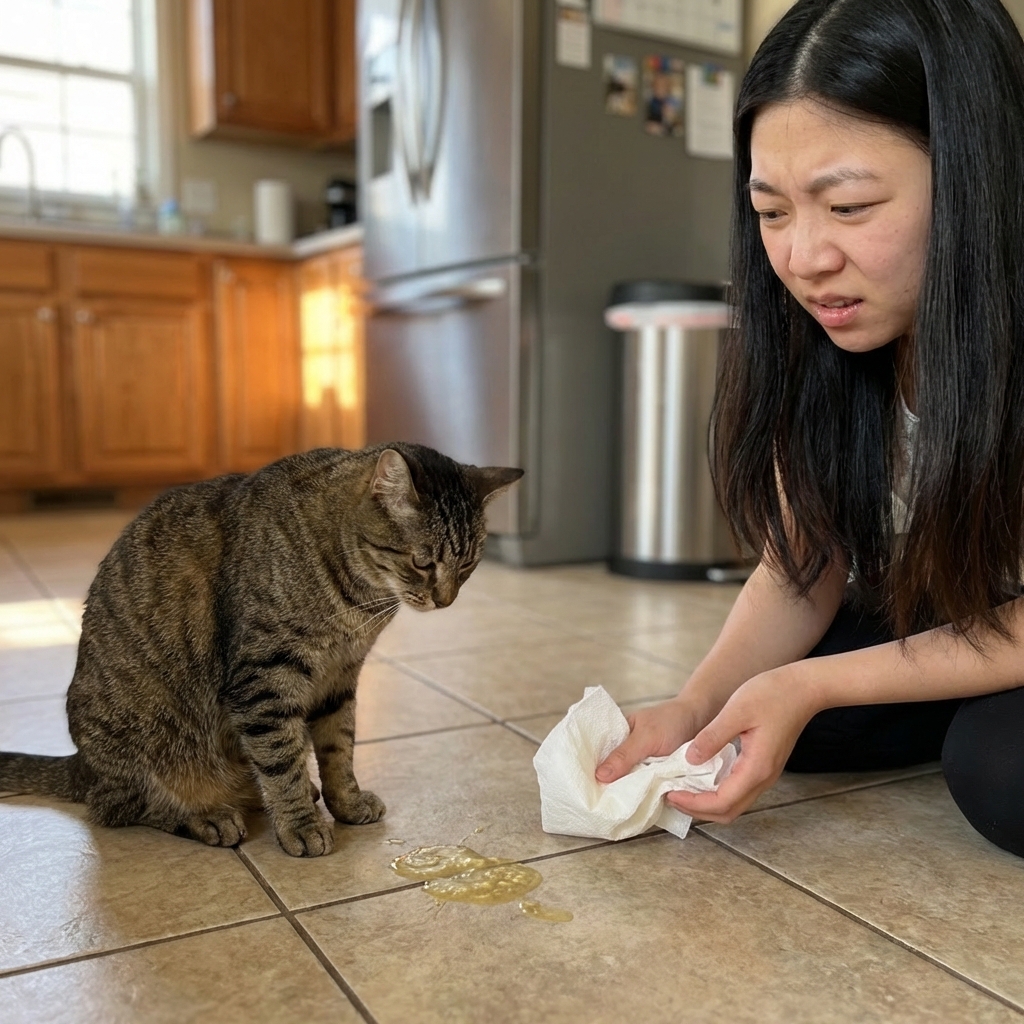
If you live with a cat, you have probably seen it: your cat eats, walks away, and then suddenly you hear that unmistakable retching sound. It is stressful, messy, and honestly a little scary.
As a veterinary assistant, I want you to know two things can be true at once: an occasional hairball or upset stomach can happen, and repeated or routine vomiting is not normal and should not be ignored. The key is figuring out what kind of “throw up” you are seeing and what pattern it follows.
Vomiting vs. regurgitation
Many pet parents say “vomiting,” but cats can bring food back up in two different ways. Noticing which one is happening helps your vet narrow down the cause.
Regurgitation (often right after eating)
- Timing: Usually within minutes of eating.
- What it looks like: Food comes up undigested, often in a tube or pile that looks like it just got swallowed.
- Effort: Little to no abdominal heaving. It often looks sudden.
Vomiting (from the stomach)
- Timing: Can be soon after eating or hours later.
- What it looks like: Partially digested food, liquid, foam, or bile.
- Effort: Nausea signs may show up first: drooling, lip smacking, hiding, then active heaving.
If you are not sure which it is, take a quick photo (and note the timing) to show your veterinarian. That simple step can save a lot of guesswork.
Hairball hacking or coughing?
This is a big one because many people (understandably) assume any “hacking” is a hairball.
- Hairball retching: usually looks like repeated gagging or retching, sometimes ending with a hairball or a small amount of fluid.
- Coughing: can look like a low, persistent hack with the neck stretched out. Some cats crouch and cough without bringing anything up.
- Red flag: open-mouth breathing, rapid breathing, or ongoing “hacking” that does not produce a hairball needs prompt veterinary evaluation. Asthma or bronchitis can look like hairballs.
Common reasons cats throw up food
There is no single cause, but these are some of the most common reasons I see in clinic, starting with the most everyday issues.
Eating too fast
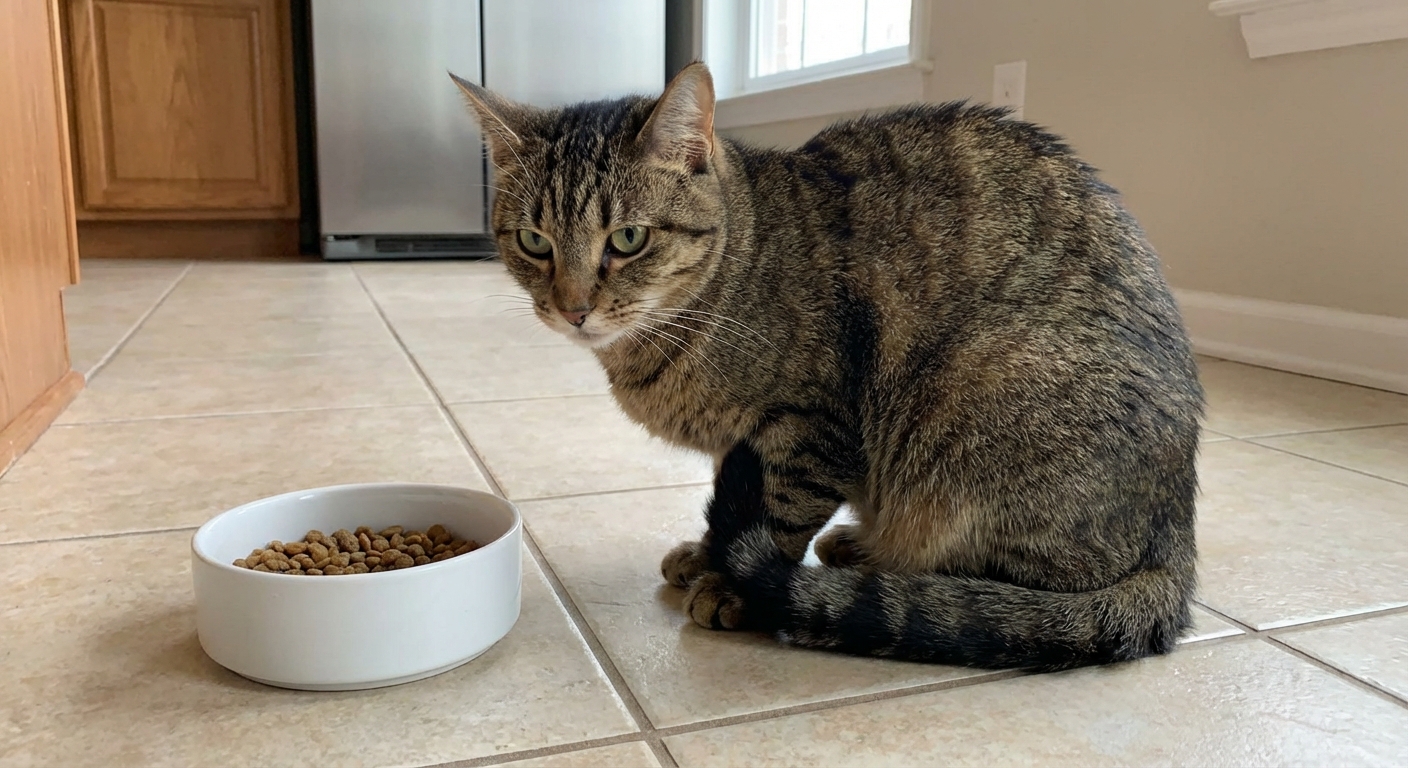
Fast eaters may swallow air and overload the stomach, which can trigger vomiting or regurgitation. This is especially common in multi-cat homes where one cat feels they have to compete for food.
Hairballs and grooming
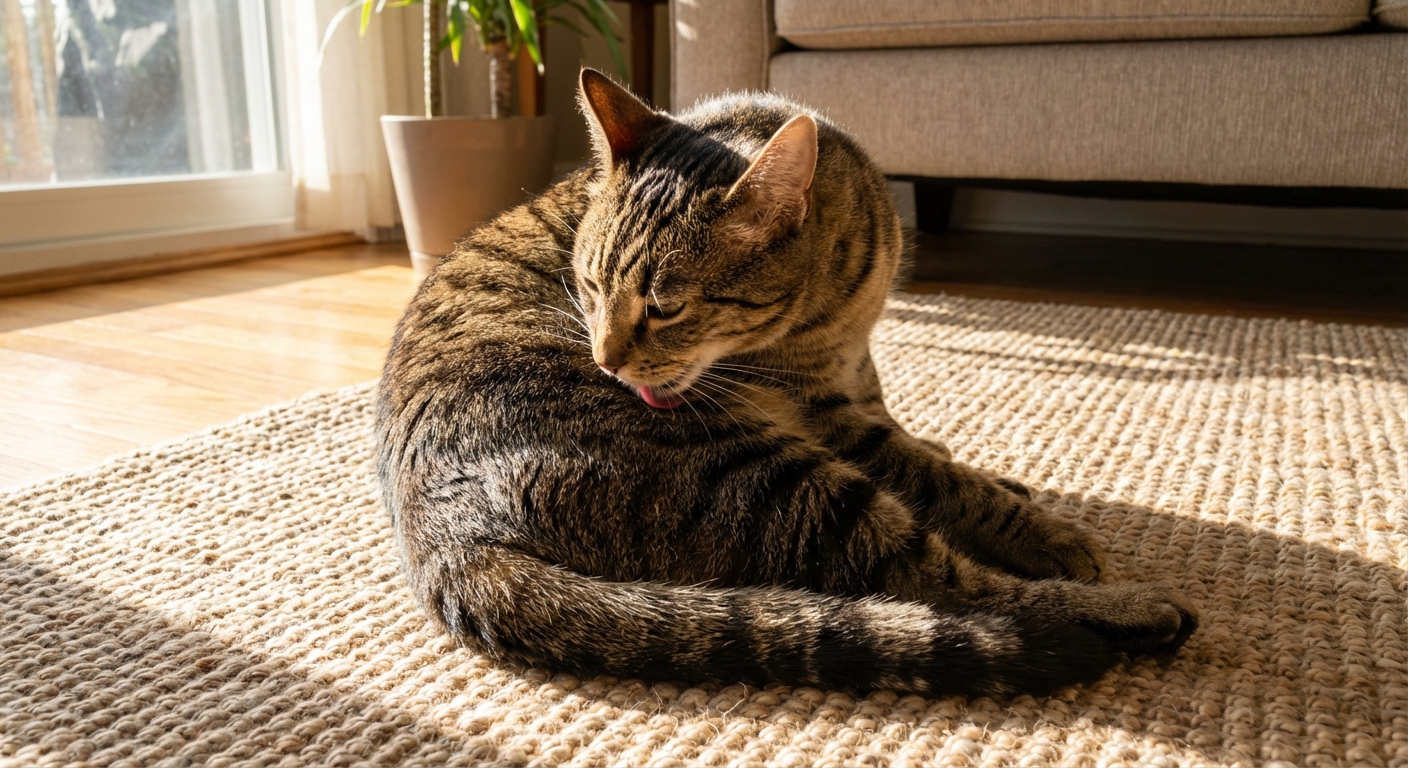
Cats are expert groomers, so they swallow hair. Some hair passes in the stool, but some forms a hairball that is vomited up. If you see frequent retching or vomiting hair more than occasionally, it is worth a check-in. And remember, not all hacking is a hairball.
Sudden diet changes
Cats have sensitive gastrointestinal tracts. A quick switch in brand, protein, or treats can lead to vomiting. Most cats do better with a slow transition over 7 to 10 days.
Food intolerance or food allergy
Some cats do not do well with certain proteins or ingredients. Signs can include vomiting, diarrhea, gas, or itchy skin. Your vet may recommend a limited ingredient diet or a prescription elimination diet trial.
Eating something that is not food
Cats may chew and swallow string, ribbon, hair ties, plastic, or parts of toys. They can also lick or ingest harmful substances. This can cause vomiting and can become an emergency if it leads to obstruction or poisoning.
Parasites or infection
Intestinal parasites are more common in kittens and outdoor cats, but any cat can be affected. Gastrointestinal infections can also cause vomiting, and they are more likely in kittens, shelter cats, and crowded multi-cat environments, especially when other symptoms are present.
Chronic medical conditions
Frequent vomiting can be linked to conditions such as inflammatory bowel disease, pancreatitis, hyperthyroidism, kidney disease, liver disease, or other gastrointestinal disorders. These issues tend to cause patterns: repeated episodes, weight loss, appetite changes, or “not quite themselves” behavior.
Clues in the vomit
I know it is unpleasant, but observing what you can helps your veterinarian decide what to test and how urgent the situation is.
- Undigested kibble right after eating: often fast eating or regurgitation.
- Foam or clear fluid: can be stomach irritation or nausea on an empty stomach.
- Yellow bile: sometimes happens when the stomach is empty (for example early morning), but repeated bile vomiting needs evaluation.
- Hair present: hairballs or excessive grooming, but persistent vomiting still needs a plan.
- Blood: fresh red streaks or dark “coffee grounds” appearance can signal bleeding and should be treated urgently.
What you can do at home
If your cat is bright, alert, and otherwise acting normal, these are generally safe, commonly recommended strategies that often help.
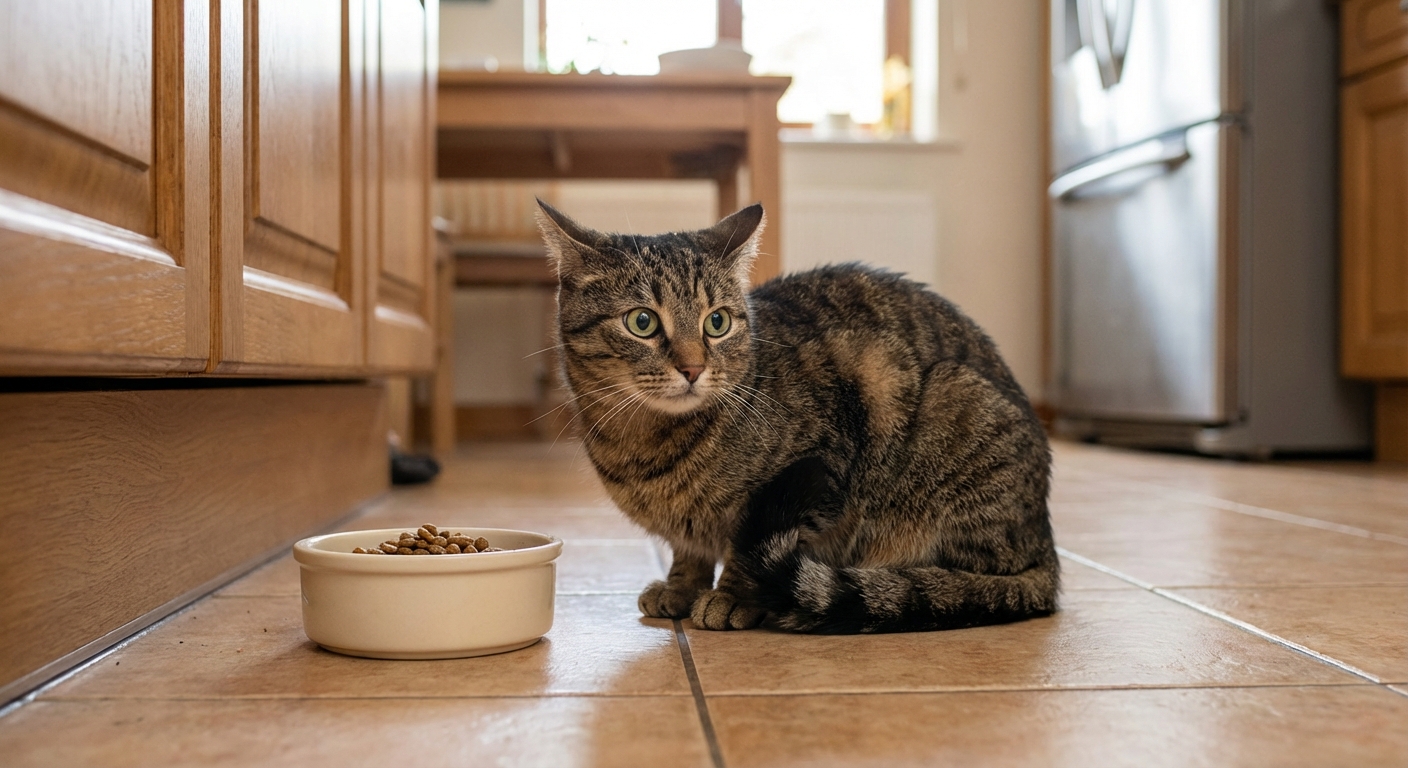
Slow down meals
- Offer smaller, more frequent meals.
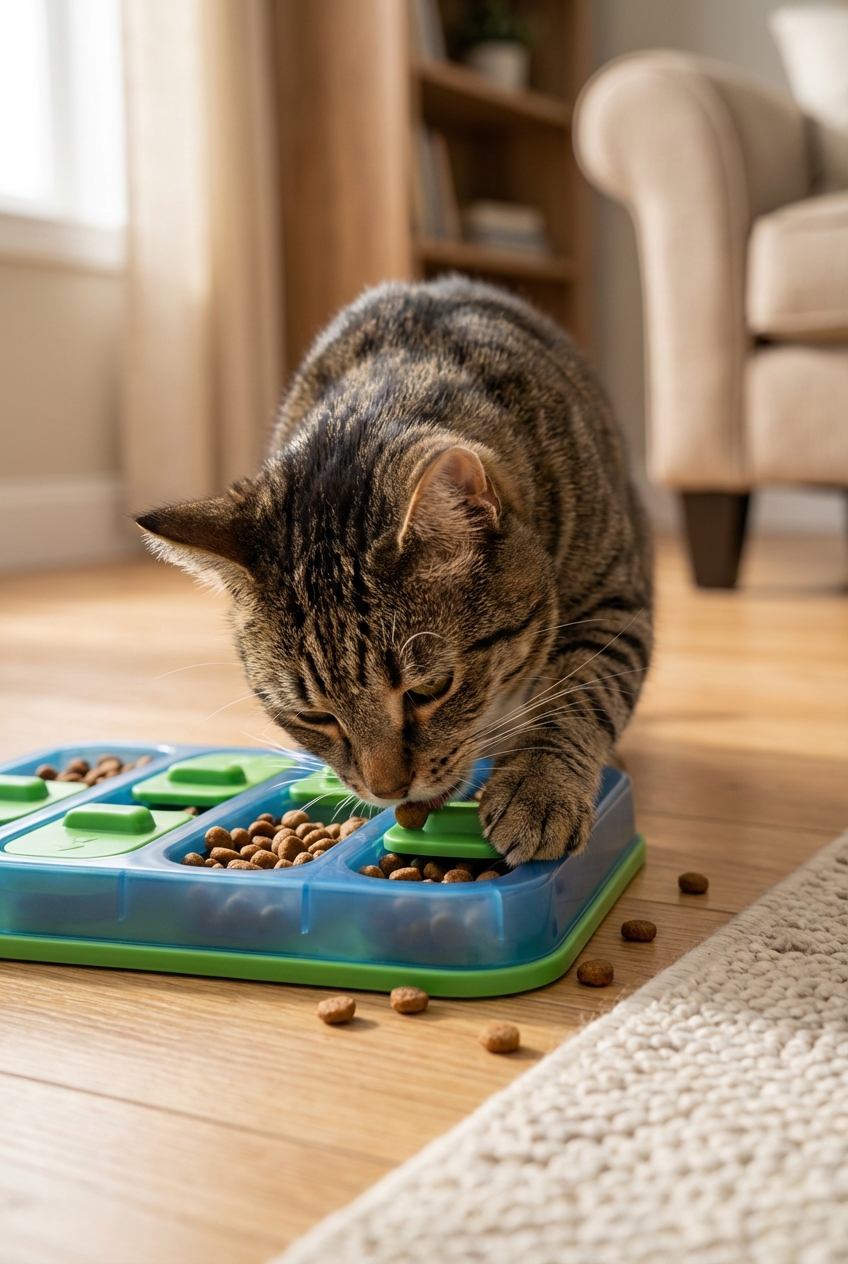
- Try a puzzle feeder or slow feeder bowl for kibble.
- In multi-cat homes, feed cats separately to reduce competition.
Support hairball control
- Brush regularly, especially for long-haired cats.
- Ask your vet about hairball gels, fiber support, or diet options if hairballs are frequent.
Transition foods slowly
Mix the new food in gradually. A simple schedule is 25% new for a few days, then 50%, then 75%, then 100% if your cat is doing well.
Reduce food extras
Too many treats, rich table foods, or flavored medications can irritate some cats’ stomachs. Keep things simple while you are troubleshooting.
Do not fast your cat without guidance
Many people want to withhold food after vomiting. In cats, especially overweight cats, fasting can sometimes do more harm than good. If vomiting continues or you are unsure what to do next, call your veterinarian for specific instructions. In the meantime, keep fresh water available and consider offering small, frequent meals if your cat is interested and keeping them down.
Track patterns
Write down: time of vomiting, what was eaten, how fast, what it looked like, and any other symptoms (diarrhea, lethargy, appetite changes). This is powerful information for your vet team.
When vomiting is an emergency
Please contact your veterinarian promptly or seek emergency care if you notice any of the following:
- Vomiting multiple times in a day or ongoing for more than 24 hours
- Blood in vomit or vomit that looks like coffee grounds
- Repeated retching or dry heaving with little coming up
- Ongoing hacking that could be coughing, especially if paired with fast breathing or any open-mouth breathing
- Signs of dehydration: sticky gums, sunken eyes, weakness
- Not eating, hiding, acting painful, or suddenly “off”
- Weight loss or vomiting that keeps recurring (for example more than 1 to 2 times per month, or any predictable weekly pattern)
- Possible foreign body exposure: string, ribbon, hair ties, toy pieces
- Possible toxin or medication exposure (examples include lilies, household cleaners, human pain medications like ibuprofen, or incorrect flea and tick products)
- Kittens, seniors, or cats with known conditions (kidney disease, diabetes, hyperthyroidism)
If you suspect your cat swallowed string or ribbon, do not pull anything you see from the mouth or rear end. Keep your cat calm and get veterinary help right away.
What your vet may check
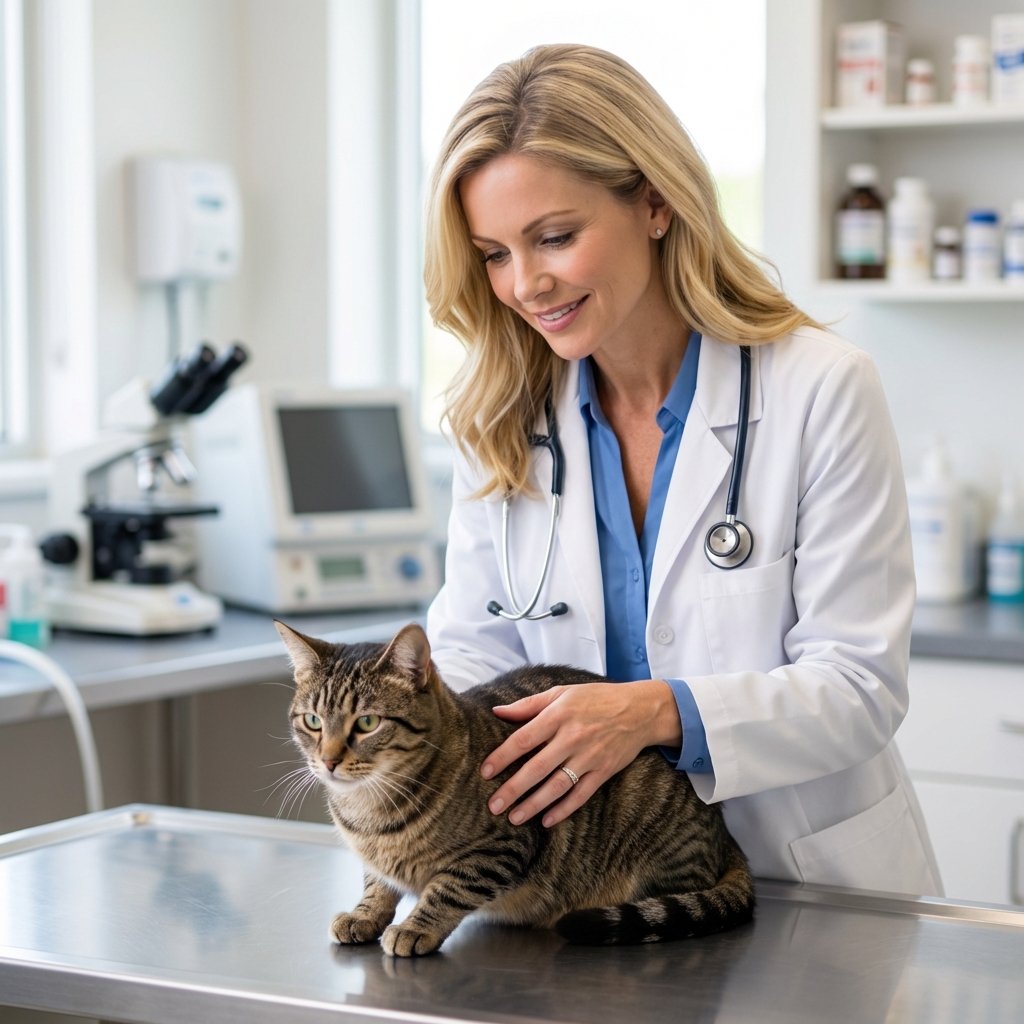
When vomiting is frequent, your veterinarian is not just trying to stop the vomiting. They are trying to identify the underlying reason so your cat feels better long-term.
- Physical exam: hydration, belly pain, body condition, dental health
- Fecal testing: checks for parasites and certain infectious organisms (sometimes via PCR testing)
- Bloodwork: looks at kidney and liver values, thyroid levels, inflammation markers
- Urinalysis: adds context for hydration and kidney function
- X-rays or ultrasound: checks for obstruction, inflammation, masses, or organ changes
- Diet trial: sometimes the most direct way to identify food sensitivity
The bottom line
Cats throw up their food for many reasons, from eating too fast to hairballs to medical conditions that need treatment. The most helpful thing you can do is look for patterns, make a few safe adjustments at home, and involve your veterinarian if vomiting is frequent, severe, or paired with any other changes.
You know your cat best. If your gut is telling you “this is not normal,” trust that instinct and call your vet.