Cat throwing up after meals? Learn the difference between vomiting and regurgitation, common causes (fast eating, hairballs, diet issues, illness), home step...
Article
•
Designer Mixes
Why Do Cats Throw Up So Much?

Shari Shidate
Designer Mixes contributor
As a veterinary assistant here in Frisco, Texas, I hear this concern all the time: “My cat throws up a lot… is that normal?” Occasional vomiting can happen, but frequent vomiting is not something to shrug off. The good news is that many common causes are manageable once you know what to watch for and when to call your veterinarian.
This guide breaks down the most likely reasons cats vomit often, what you can safely try at home, and the red flags that mean your cat needs medical care quickly.
How much vomiting is too much?
There is no perfect “normal” number, because it depends on your cat’s age, diet, health history, and even coat length. As a helpful rule of thumb, vomiting more than once or twice a month, vomiting repeatedly in a single day, or any vomiting paired with changes in appetite, thirst, energy, or weight deserves a veterinary check. When in doubt, your veterinarian can help you decide what is normal for your specific cat.
Spit-up vs vomiting
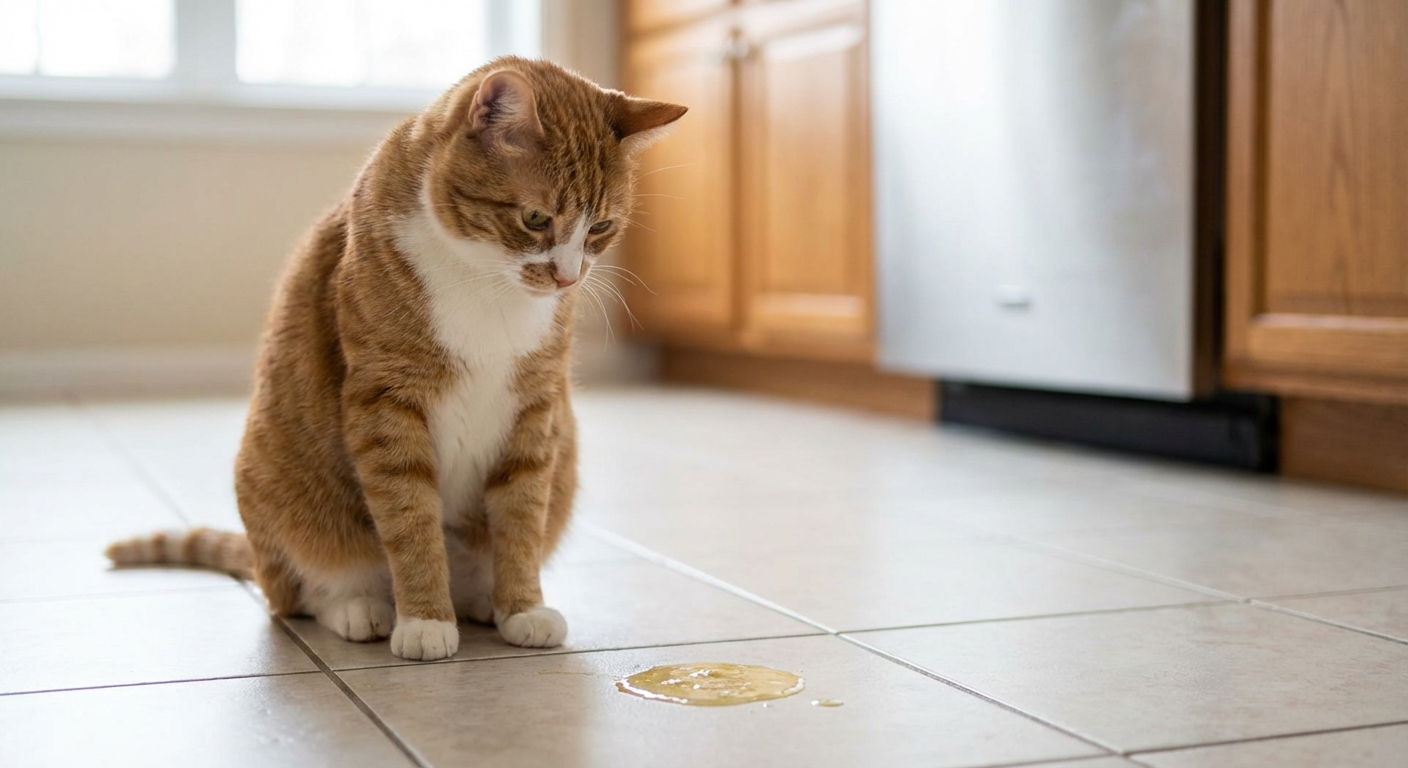
Pet parents often describe both vomiting and regurgitation as “throwing up,” but they are different.
- Regurgitation is passive. Food comes back up soon after eating, often undigested. It can sometimes look tube-shaped because it comes from the esophagus, but it is not always obvious. Regurgitation can point to esophagus issues.
- Vomiting usually includes heaving or abdominal contractions, and the material may be partially digested with fluid, foam, or bile. This can point to stomach or intestinal causes.
If you can, take a quick video for your veterinarian. It truly helps.
Quick clue: Vomit that is mostly food often happens shortly after eating (speed eating, intolerance, regurgitation). Yellow foam or yellow liquid can happen when the stomach is empty, but it can also show up with reflux, inflammation, or other illness. Pattern matters.
Common reasons cats vomit a lot
1) Hairballs and overgrooming
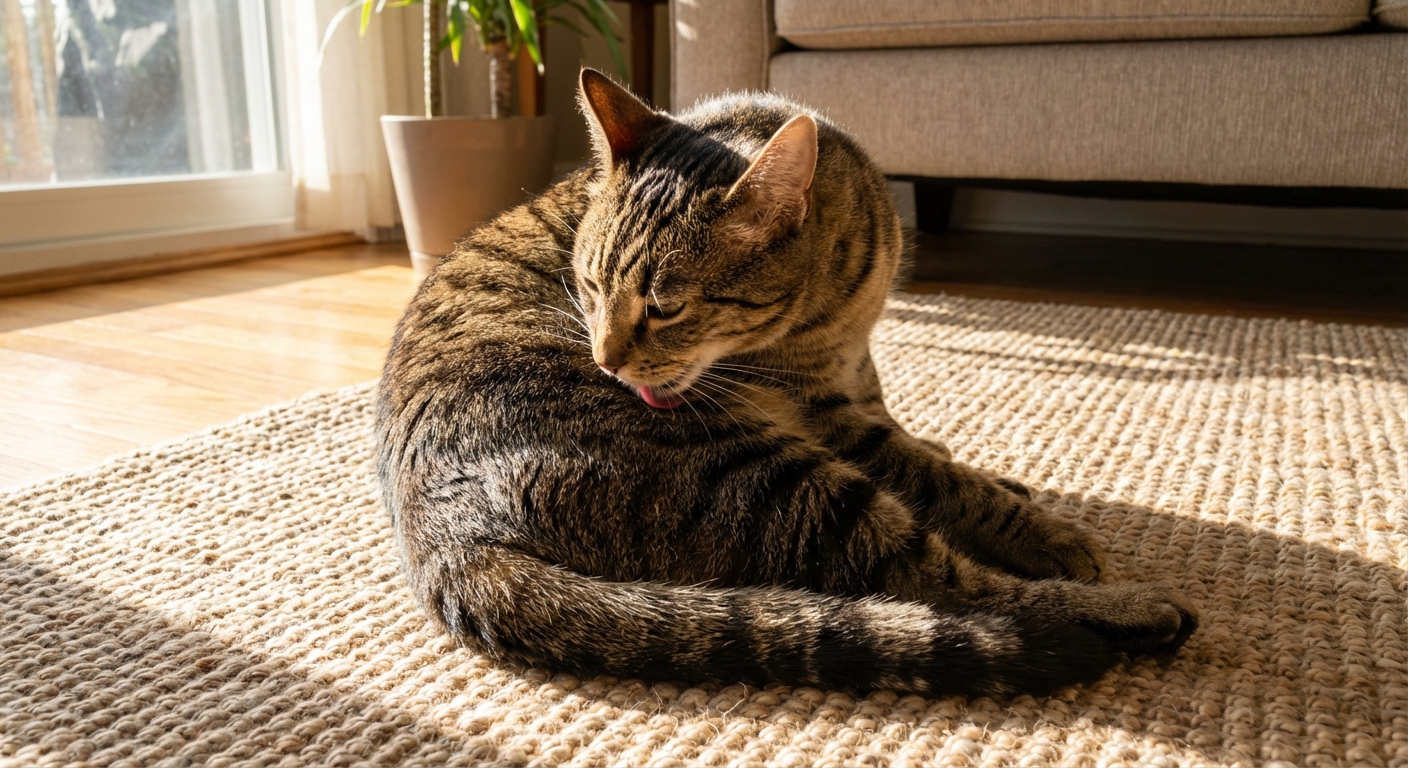
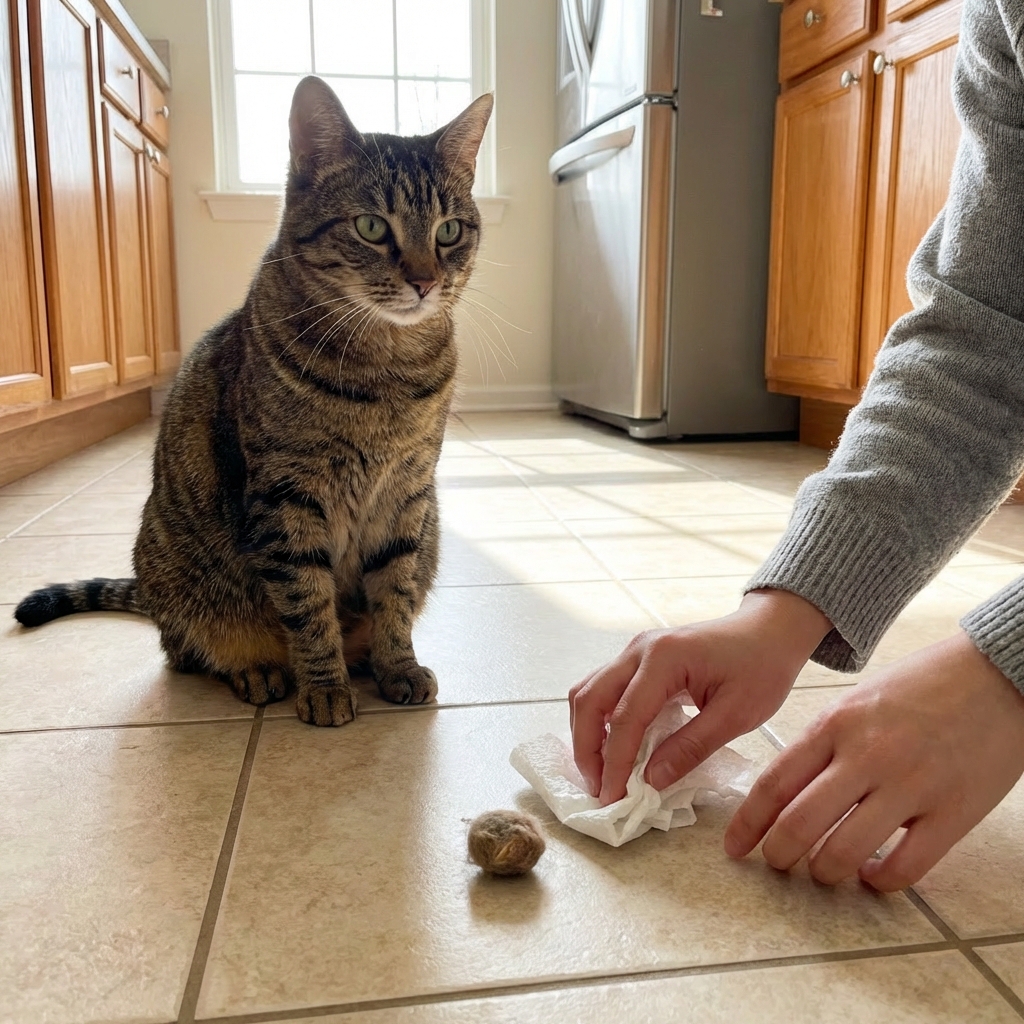
Hairballs are a common reason cats vomit, especially long-haired cats or cats with allergies, fleas, or stress-related overgrooming. A hairball now and then can be normal. Frequent hairballs can signal that something is driving too much grooming or that your cat’s GI tract is not moving hair through well.
What to notice: Hacking sounds, heavy grooming, vomiting tubular hairballs, dry skin, itchy spots, or fleas.
2) Eating too fast
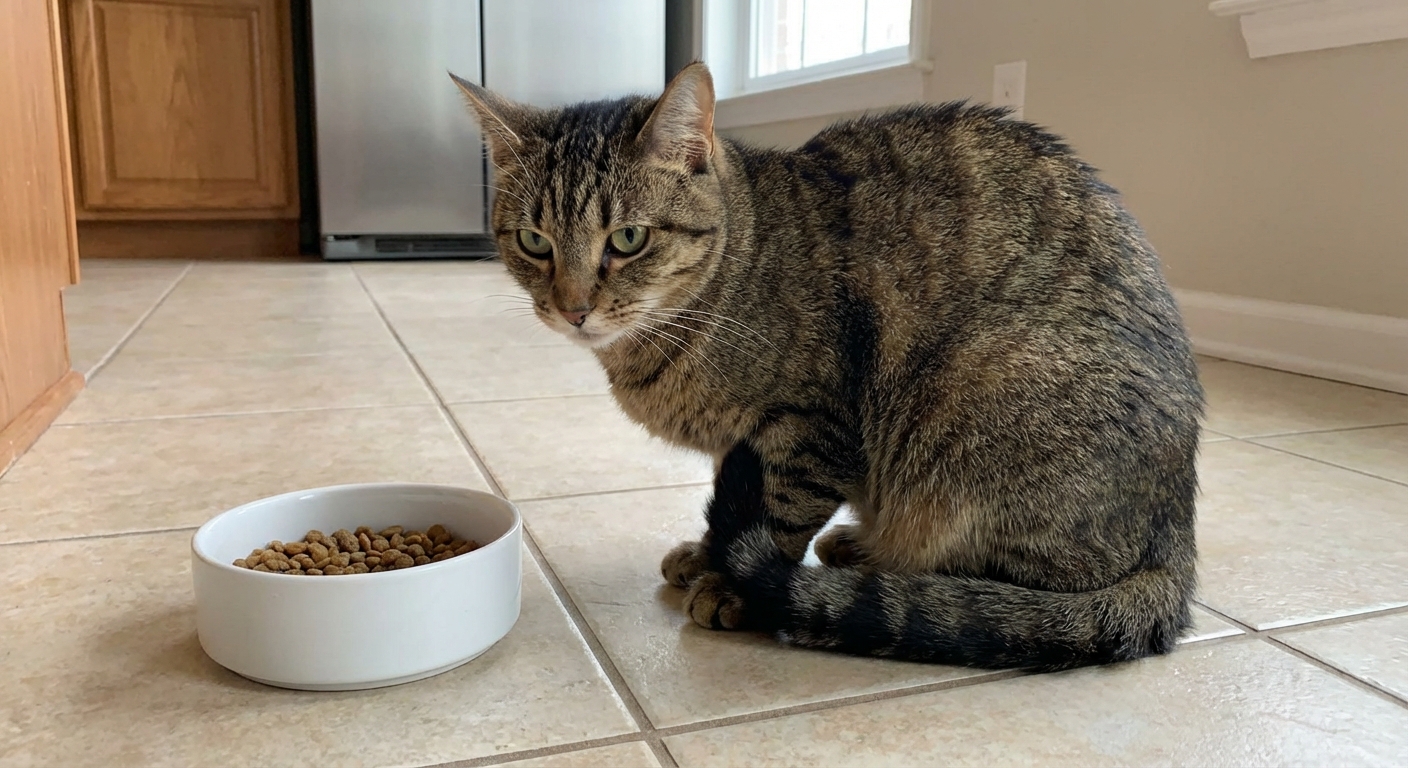
Some cats inhale their food and then vomit it right back up. This is especially common in multi-cat homes where cats feel they have to compete.
What to notice: Vomiting soon after meals, undigested kibble, gulping, or food-stealing behavior.
3) Diet sensitivity or food intolerance
Cats can react to certain proteins or ingredients. Unlike a true food allergy, intolerance often shows up as vomiting, soft stool, gas, or picky eating.
What to notice: Chronic vomiting, intermittent diarrhea, itchy skin or ear debris, and improvement when a diet changes (even accidentally).
4) Sudden diet change
Cats have sensitive digestive systems. Switching food abruptly can trigger vomiting, appetite changes, and diarrhea. Many cats do best with a gradual transition over 7 to 10 days.
What to notice: Vomiting or diarrhea starting within 24 to 48 hours of a new food bag or treats.
5) IBD and chronic GI inflammation
Inflammatory bowel disease (IBD) is a common cause of frequent vomiting, especially in middle-aged and older cats. The intestines become inflamed and can struggle to digest and absorb nutrients. In senior cats, chronic vomiting can also look similar to other conditions such as small-cell lymphoma, so diagnostics matter.
What to notice: Vomiting that persists for weeks to months, weight loss, inconsistent appetite, diarrhea or constipation, and sometimes a dull coat.
6) Parasites
Indoor cats can still get parasites. Kittens and newly adopted cats are at higher risk. Some intestinal parasites, like roundworms, can cause vomiting (sometimes along with diarrhea).
What to notice: Diarrhea, a pot-bellied appearance (in kittens), weight loss, or visible worms in stool or vomit.
7) Constipation
When stool backs up, cats can vomit from nausea and discomfort. This is common in cats who drink little water, eat low-moisture diets, or have mobility pain.
What to notice: Straining, small hard stools, stool outside the box, decreased appetite, or hunched posture.
8) Kidney disease, hyperthyroidism, and other illness
In older cats, frequent vomiting can be a sign of conditions that are not “just stomach-related.” Kidney disease and hyperthyroidism are two big ones that can cause nausea and vomiting. Other possibilities include pancreatitis, medication side effects, dental disease, and other chronic inflammatory conditions.
What to notice: Increased thirst, increased urination, weight loss, louder meowing, restless behavior, or a change in breath smell.
9) Foreign material or toxins
Cats chew on string, hair ties, ribbon, tinsel, plastic, and plants. Linear objects like string are especially dangerous. Some human medications are also toxic to cats.
What to notice: Repeated vomiting, hiding, drooling, abdominal pain, not eating, string seen near the mouth or in stool (do not pull it).

When vomiting is an emergency
Please seek urgent veterinary care if you notice any of the following:
- Repeated vomiting (more than 2 to 3 times in 24 hours)
- Vomiting plus lethargy, collapse, or weakness
- Vomiting plus not eating for more than 24 hours (or 12 hours for kittens). Call sooner if your cat is overweight, diabetic, or already ill.
- Blood in vomit or vomit that looks like coffee grounds
- Suspected string ingestion, lilies exposure, human medication exposure, or toxin exposure
- Abdominal pain, crying, a tense belly, or hiding more than usual
- Signs of dehydration (sticky gums, sunken eyes, very low energy)
Cats can dehydrate quickly and can develop serious complications from vomiting, so it is always better to call sooner than later.
What you can do at home
Track the pattern
Write down:
- How often vomiting happens
- Time of day and relation to meals
- What the vomit looks like (food, foam, hairball, bile)
- Any new foods, treats, plants, medications, or stressors
- Stool changes, thirst changes, weight changes
This simple “vomit diary” can shorten the time to diagnosis.
Support hairball control
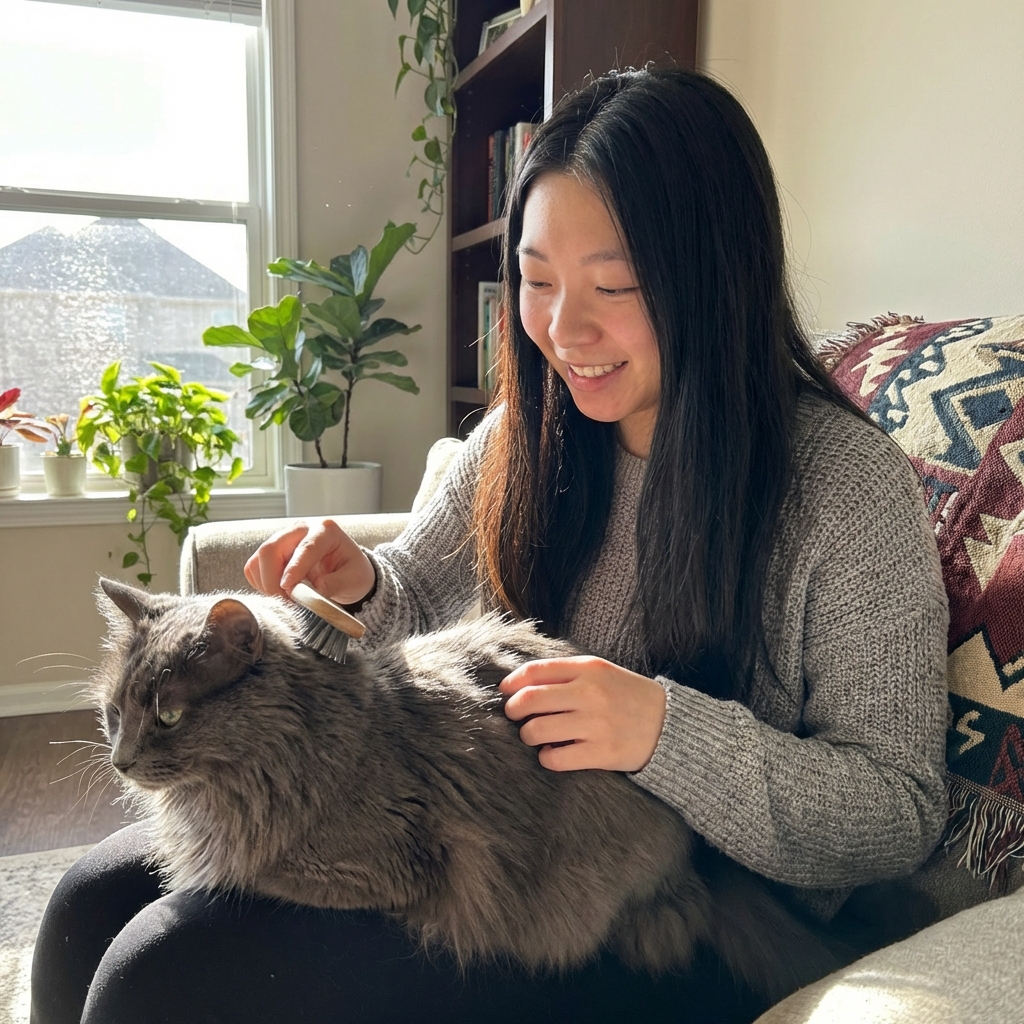
- Brush regularly, especially during seasonal shedding.
- Ask your veterinarian about a hairball lubricant or a hairball diet if hairballs are frequent.
- Reduce triggers for overgrooming: treat fleas, address itchiness, and enrich the environment.
Slow down fast eaters
- Use a puzzle feeder or slow feeder bowl for cats.
- Feed smaller meals more often.
- In multi-cat homes, feed separately so each cat feels secure.
Increase moisture
Many cats do better with more water intake.
- Add some wet food if appropriate for your cat.
- Try a cat water fountain.
- Offer multiple water stations, away from the litter box.
Skip random OTC meds and fasting
Please avoid giving human anti-nausea meds, antacids, or pain relievers unless your veterinarian specifically instructs you. Some common human medications are dangerous for cats.
Also avoid fasting your cat without veterinary direction. Cats are not small dogs, and skipping food can create other problems, especially in overweight cats or cats with underlying disease.
Tips to reduce triggers
Keep mealtimes calm
Cats thrive on routine. A predictable feeding schedule reduces stress and can help with scarf-and-barf behavior.
- Feed at consistent times.
- Create a quiet feeding spot.
- Use separate stations for multi-cat homes.
Reduce stress
Stress can affect the gut. You can “train” healthier daily patterns by building small routines your cat can count on.
- Two short play sessions daily (5 to 10 minutes)
- Window perches for safe “cat TV”
- Food puzzles to engage natural hunting behavior
- Scratching posts in key areas to prevent tension between cats
Practice carrier training
If your cat vomits often, you may need more veterinary visits. Carrier stress can worsen nausea, so it helps to make the carrier a normal, safe place.
- Leave the carrier out with a soft blanket inside.
- Toss a few treats in and let your cat explore on their own.
- Practice short “carrier naps” without going anywhere.
- Take brief car rides followed by a reward at home.
What your veterinarian may recommend
Because vomiting has many possible causes, your veterinarian may suggest a step-by-step workup based on your cat’s age and symptoms.
- Physical exam and weight trend
- Fecal testing for parasites
- Bloodwork to check kidney values, liver values, thyroid (especially in seniors), electrolytes, and signs of inflammation
- Urinalysis for hydration and kidney support
- Blood pressure checks for many older cats
- X-rays or ultrasound for foreign material, constipation, masses, or intestinal inflammation
- GI testing in select cases (your veterinarian may discuss cobalamin, folate, or feline pancreatic lipase)
- Diet trial with a veterinary prescription hydrolyzed or novel protein diet for suspected food sensitivity
Try to avoid frequent food switching without a plan. It can muddy the waters. A structured diet trial, done correctly, is often the fastest way to get answers.
Bottom line
If your cat vomits occasionally and otherwise feels great, it may be something simple like hairballs or eating too fast. But if vomiting is frequent, increasing, or paired with any changes in appetite, weight, thirst, stool, or energy, it is time to get your veterinarian involved. Early evaluation can prevent dehydration, catch chronic disease sooner, and get your cat comfortable again.
If you are ever unsure, call your veterinarian and describe the pattern. You do not need to diagnose it alone.