Wondering if your cat loves you? A vet assistant explains 12 bond and trust signals—slow blinks, bunts, purring, greetings, sleep habits—plus stress look...
Article
•
Designer Mixes
Why Do Cats Snuggle With You?

Shari Shidate
Designer Mixes contributor
If you have ever had a cat curl up on your chest, tuck themselves behind your knees, or press their forehead against your face, you have seen one of the sweetest parts of living with a feline. Snuggling can look like pure affection, and often it is. But as a veterinary assistant, I can tell you there is usually more going on: comfort, safety, communication, and sometimes health factors can all play a role.

Below are vet-informed, owner-friendly reasons cats snuggle, what your cat may be trying to tell you, and when snuggling is normal versus when it might be a sign you should call your veterinarian.
The science of snuggling
Cats are skilled hunters, but they are also potential prey for larger animals. That makes safety a big deal to them. When your cat chooses to sleep against you, they are making a deliberate decision to be vulnerable near you. That is a strong signal of trust.
Affection also has a body-chemistry component. We cannot measure a cat’s bonding hormones at home, but research suggests calm social contact and predictable routines can reduce stress. Some studies also suggest oxytocin may play a role in human and cat bonding. Your warm lap and steady breathing are basically a built-in relaxation soundtrack.
Top reasons cats snuggle with you
1) Warmth and comfort
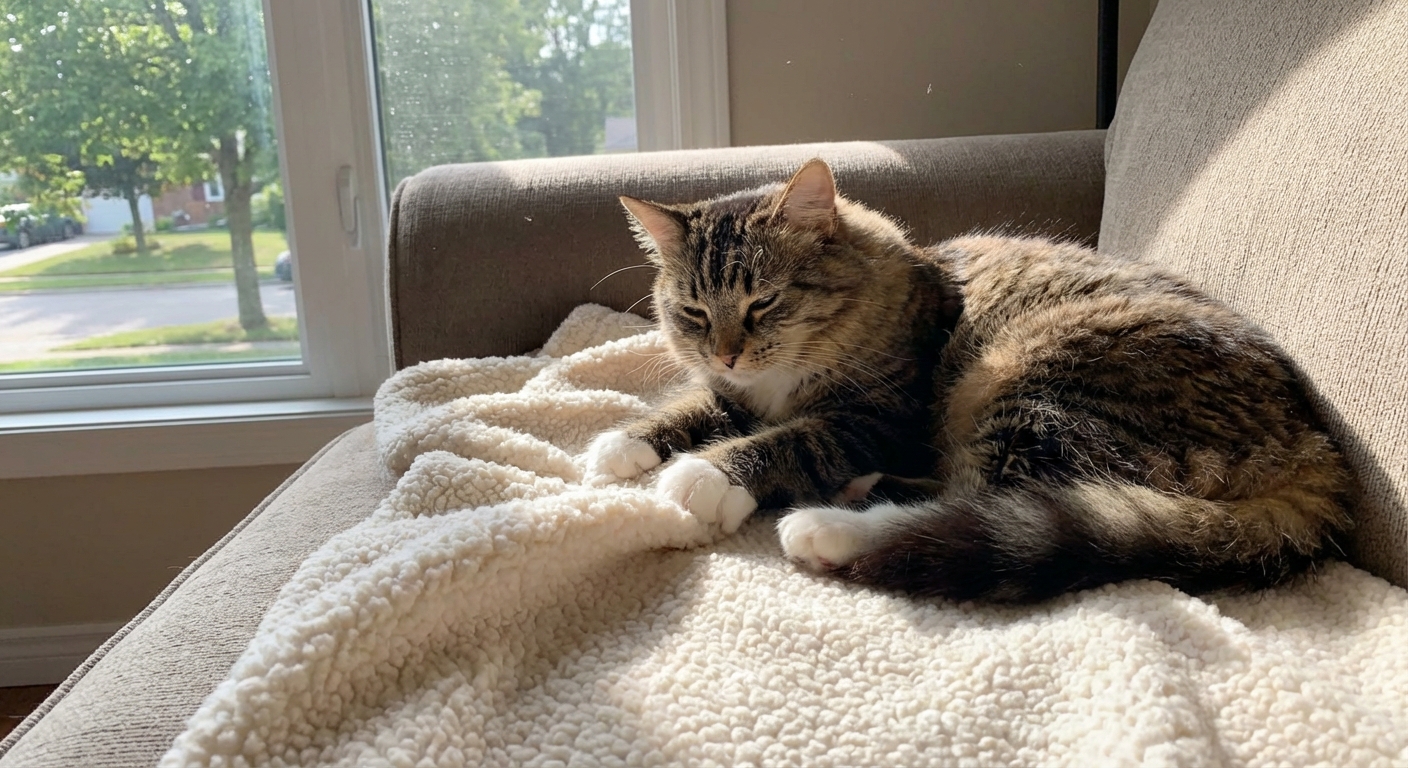
Cats love warmth, and many prefer a cozier temperature than the average home. Your body heat becomes an inviting spot. Snuggling may also help conserve heat, especially for kittens, seniors, and short-haired cats.
2) Safety and security
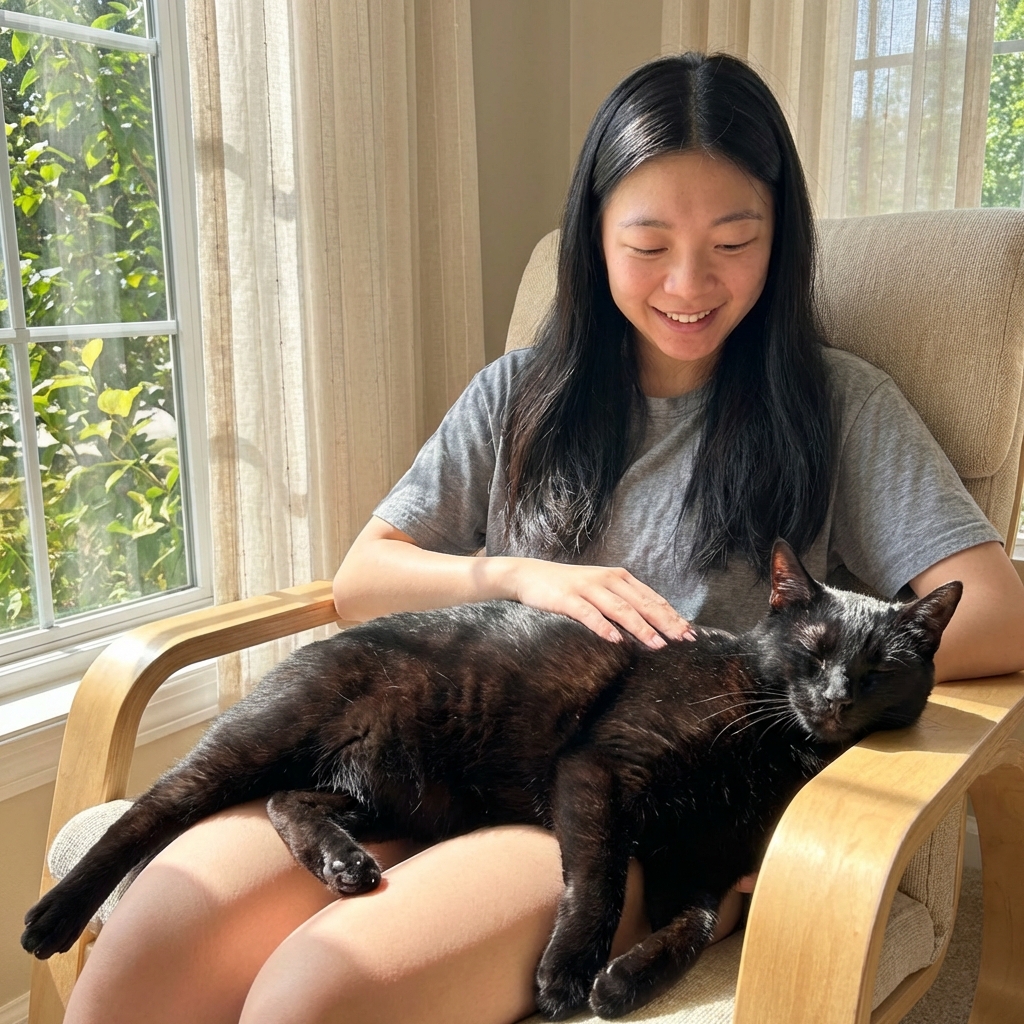
When a cat sleeps, they are vulnerable. Choosing to snuggle can mean, “I feel safest here.” Many cats also prefer elevated or tucked-in places, so if they wedge themselves beside you or under a blanket, they may be recreating that protected feeling.
3) Bonding and affection
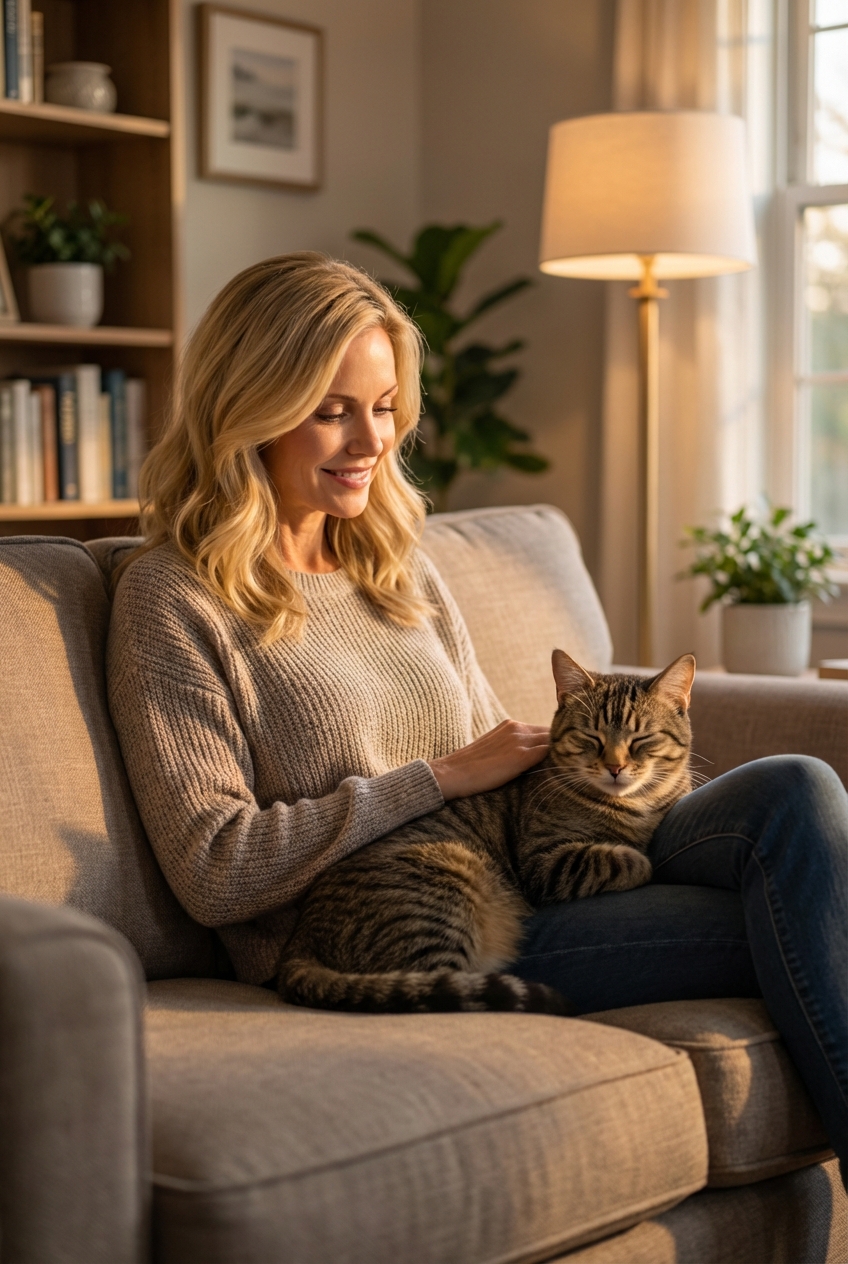
Yes, sometimes it is exactly what you hope it is. Cats form social bonds, and many express closeness through proximity rather than constant petting. A cat who sits pressed against your leg or sleeps next to your hip is often offering a quiet form of connection.
4) Scent mixing and social marking
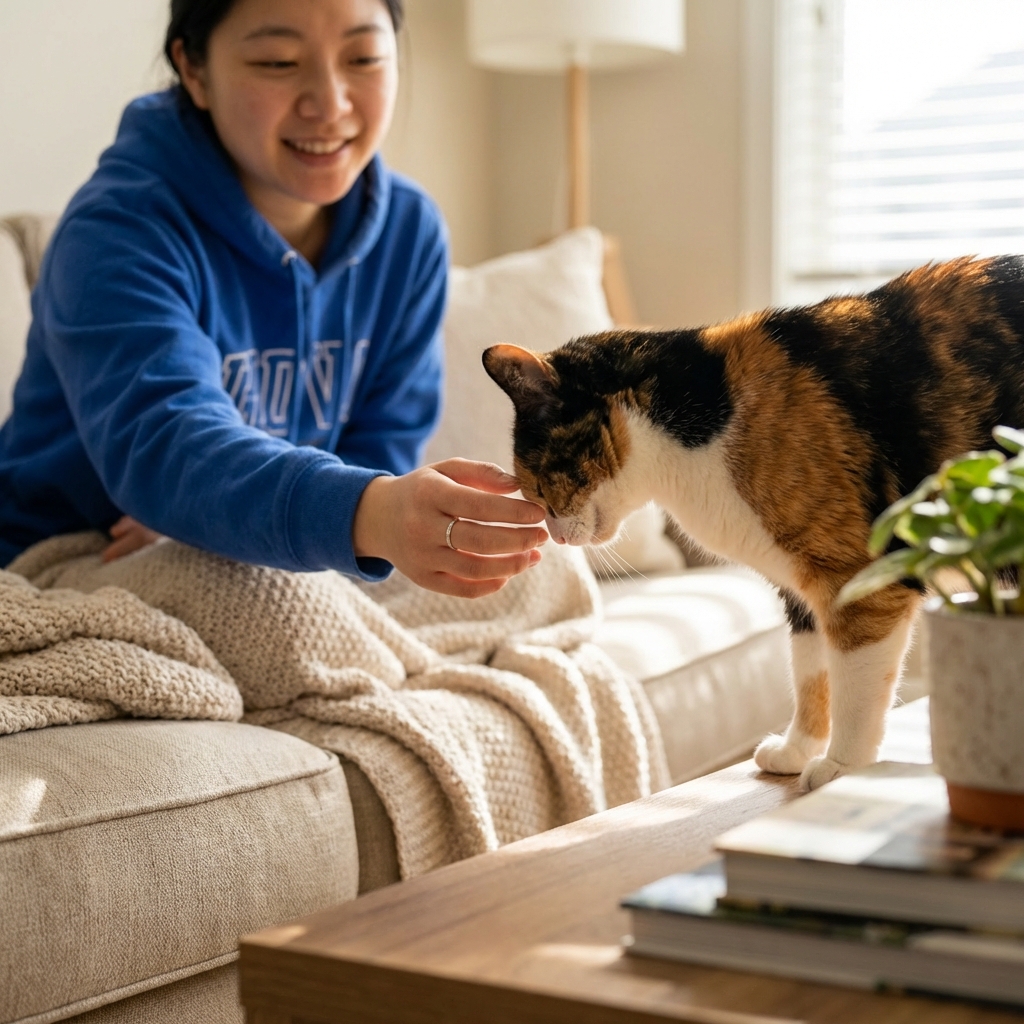
Cats use scent as a social tool. When they rub their cheeks on you, knead your lap, or settle in for a long cuddle, they may be exchanging scent. This is normal feline communication and can be a sign they consider you part of their safe home territory.
5) Stress relief
During changes like moving, new pets, visitors, storms, or schedule shifts, some cats snuggle more as a coping strategy. If your cat is suddenly extra clingy, look for recent stressors in the environment and support them with predictable routines and quiet spaces.
6) Routine and learning
Cats are excellent pattern-builders. If you watch TV every night and your cat snuggles at the same time, that is likely a learned routine that feels safe and rewarding. Over time, that cuddle becomes part of the expectation.
7) They are checking on you
Some cats are surprisingly attentive to human emotions and behavior. If you are sick, stressed, or unusually still, your cat may investigate and then settle close. It is not proof they can diagnose illness, but many owners notice cats becoming more present when something feels off.
What snuggle styles can mean
- On your chest: warmth, comfort, and often a strong bond. Some cats also like the rhythm of breathing.
- At your feet: companionship with a bit of distance, plus a warm spot. Also common in cats who like to keep an eye on the room.
- Behind your knees: a protected nook and steady heat. Many cats love this “nest” shape.
- Under the blanket: security and warmth. Let them come and go freely, avoid weighted blankets, and make sure they can easily breathe and reposition.
- Head-butting and cheek rubbing: friendly scent marking and social bonding.
- Kneading before settling: a normal comfort behavior rooted in kittenhood. Some cats knead more when they are very relaxed.
Why your cat snuggles with you but not others
From a cat’s perspective, snuggling is a high-trust activity. Cats usually choose the person who:
- respects their boundaries and lets them initiate contact
- moves calmly and predictably
- has a consistent routine
- offers comfortable spots and positive experiences
- smells familiar and safe
If someone tries to pick up your cat often or holds them too long, that person may get fewer cuddles, even if they mean well.
When extra snuggling can be a red flag
Most snuggling is normal. But a sudden change in clinginess can sometimes be linked to discomfort or illness. Cats may seek extra contact when they are in pain because your warmth and stillness can feel soothing.
Consider a veterinary check if you notice increased snuggling plus any of the following:
- hiding and then seeking you more than usual
- reduced appetite or weight loss
- changes in litter box habits (straining, accidents, blood, diarrhea)
- limping, stiffness, or reluctance to jump
- increased vocalizing, restlessness, or seeming “off”
- bad breath, drooling, pawing at the mouth
Here is the practical rule I share with owners: if the cuddling shift comes with other behavior or body changes, it is worth a call to your veterinarian. Cats are masters at being subtle, and early attention can make a big difference.
If your cat is not a snuggler
Some cats simply are not lap cats, and that can be completely normal. Early socialization, past experiences, personality, and even age can all influence how cuddly a cat feels.
Look for other signs of trust, like sitting nearby, following you from room to room, slow blinking, head rubs, or choosing to nap in the same space.
How to encourage snuggling
- Let your cat initiate: offer your lap, a blanket, or a spot next to you.
- Keep petting gentle and short at first: many cats prefer a few strokes, then a pause.
- Watch body language: tail flicking, skin twitching, ears turning back, or sudden grooming can mean “I’m done.”
- Offer warm options: a cozy bed near you or a heated cat pad (cat-safe, low temp) can help.
- Avoid forcing contact: prolonged restraint can turn snuggling into stress and can trigger overstimulation.
- Make it predictable: consistent quiet time each day builds trust.
Quick FAQs
Do cats snuggle because they love you?
Often, yes. But it is usually a mix of affection, trust, warmth, and comfort. Cats tend to show love through closeness and routine rather than constant attention.
Why does my cat only snuggle at night?
Nighttime is quieter and more predictable, and your cat may feel safer when the house is calm. Your bed is also warm and smells strongly like you.
Why does my cat purr when snuggling?
Purring commonly signals contentment, but cats also purr when they are anxious or not feeling well. Context matters. Relaxed posture plus purring usually means comfort.
Is it okay to let my cat sleep with me?
For most healthy adults, yes. If anyone in the home is immunocompromised, has severe allergies, or if your cat has parasites or an illness, ask your veterinarian for personalized guidance.
The bottom line
When your cat snuggles with you, they are telling you that you are a safe place. Warmth, scent bonding, routine, and stress relief can all blend together into that simple, cozy moment. Enjoy it, support it with gentle boundaries, and keep an eye out for sudden changes that come with other symptoms.
If you want to deepen the bond, the best “secret” is consistency: calm voice, predictable routine, and letting your cat choose closeness on their terms. That is how trust grows, one snuggle at a time.