From sneezing and congestion to low appetite, learn practical home care that helps cats with URIs feel better—plus red flags, antibiotics guidance, and pre...
Article
•
Designer Mixes
Why Do Cats Sneeze?

Shari Shidate
Designer Mixes contributor
Cats sneeze for many of the same reasons we do. It is a quick reflex that helps clear the nose when something irritates the delicate lining inside. Most of the time, an occasional sneeze is no big deal. But frequent sneezing, new nasal discharge, or a cat who seems “off” can be your cue to look closer.
As a veterinary assistant in Frisco, Texas, I have learned that sneezing can range from totally harmless to a sign your cat needs medical help. I am not a veterinarian, so think of this as practical education to help you decide what to monitor and when to call your vet. Let’s break it down in a clear, practical way so you know what to watch for and what to do next.
How a cat sneeze works
A sneeze happens when sensory nerves in the nasal passages detect irritation. The body responds with a forceful burst of air to push out whatever is bothering the nose, like dust, pollen, or mucus.
One important detail: cats usually do not catch the same “cold” viruses humans do. Most human cold viruses are not the reason your cat is sneezing. Cats do, however, get their own respiratory viruses and infections that can look a lot like a cold.
Common reasons cats sneeze
1) Dust, fragrances, and irritants
This is a common cause I see. Cats have sensitive noses, and many homes have invisible irritants floating around.
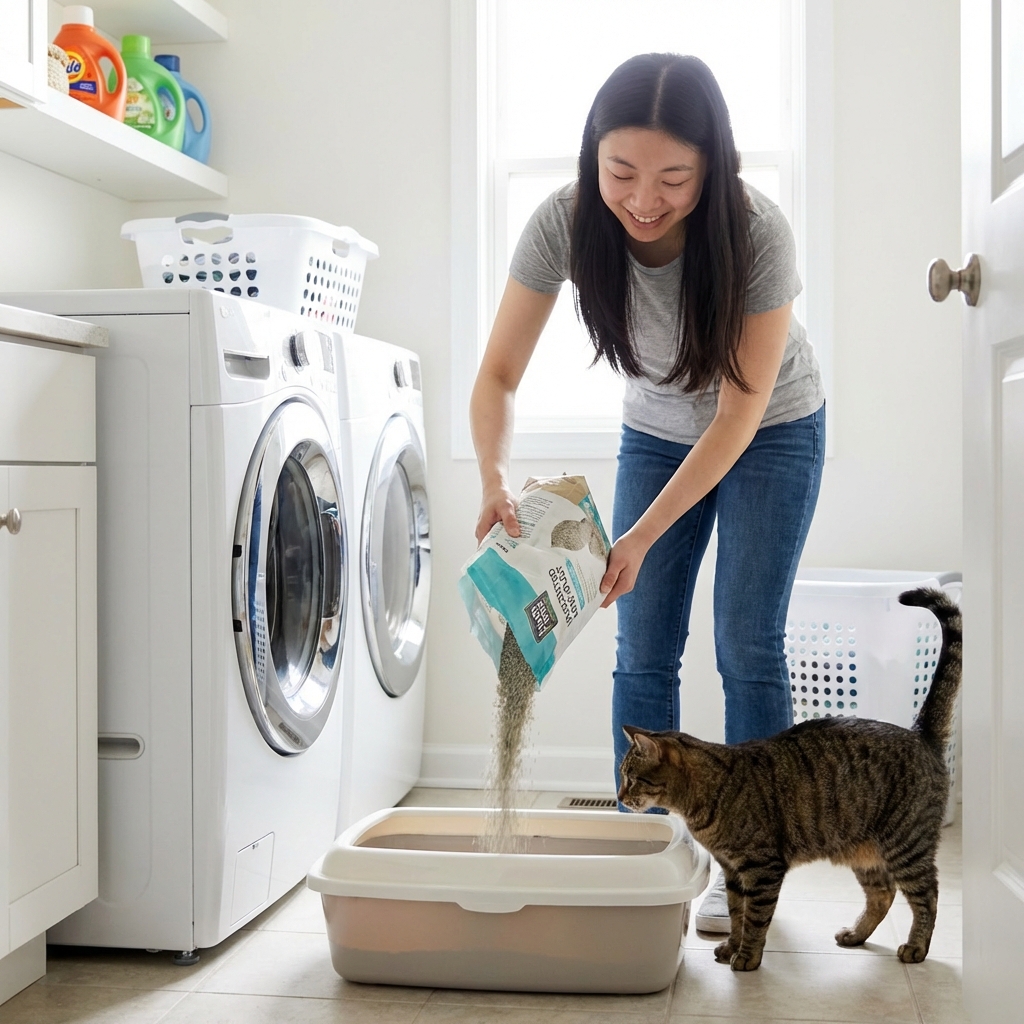
- Dusty litter or litter tracking dust
- Scented candles, plug-ins, incense
- Cleaning sprays, disinfectants, floor cleaners
- Smoke (cigarettes, vaping, fireplaces)
- Construction dust or seasonal pollen drifting in
Clue: Sneezing that happens right after cleaning, changing litter, or lighting a candle is often irritation rather than illness.
2) Upper respiratory infections (URI)
URIs are very common, especially in kittens, shelter cats, and multi-cat households. The biggest players are viruses like feline herpesvirus (FHV-1) and calicivirus, sometimes with bacteria joining in after the fact. In shelter or crowded settings, infections like Bordetella, Mycoplasma, or Chlamydia felis can also be involved.
Signs that suggest a URI rather than simple irritation:
- Frequent sneezing fits
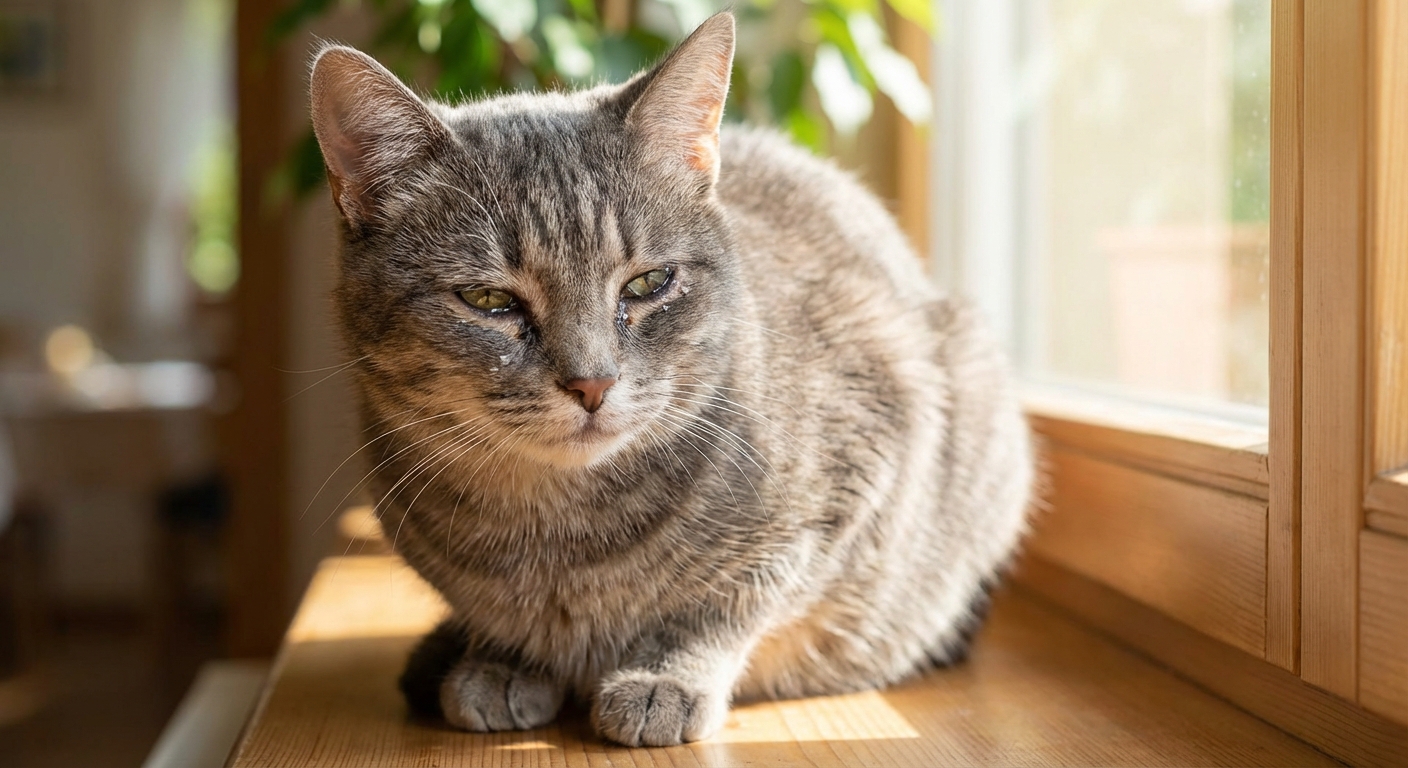
- Watery eyes or eye discharge
- Nasal discharge (clear, yellow, green)
- Congestion or noisy breathing through the nose
- Reduced appetite (often because they cannot smell food well)
- Lethargy
Good to know: Feline herpesvirus can flare up during stress, even years after the first infection. Some cats become long-term carriers with intermittent symptoms. Moving homes, new pets, boarding, or schedule changes can be enough to trigger a relapse.
Why color matters: Yellow or green discharge can mean heavier inflammation and sometimes a secondary bacterial infection. It is not a guarantee of bacteria, but it is a good reason to check in with your veterinarian.
3) Allergies
Cats can react to pollen, dust mites, molds, and sometimes household products. Unlike people, cats with allergies often show skin issues too, but sneezing can happen.
Clue: Seasonal sneezing, especially with itchy skin or over-grooming, can point toward allergies.
4) Dental disease that affects the nose
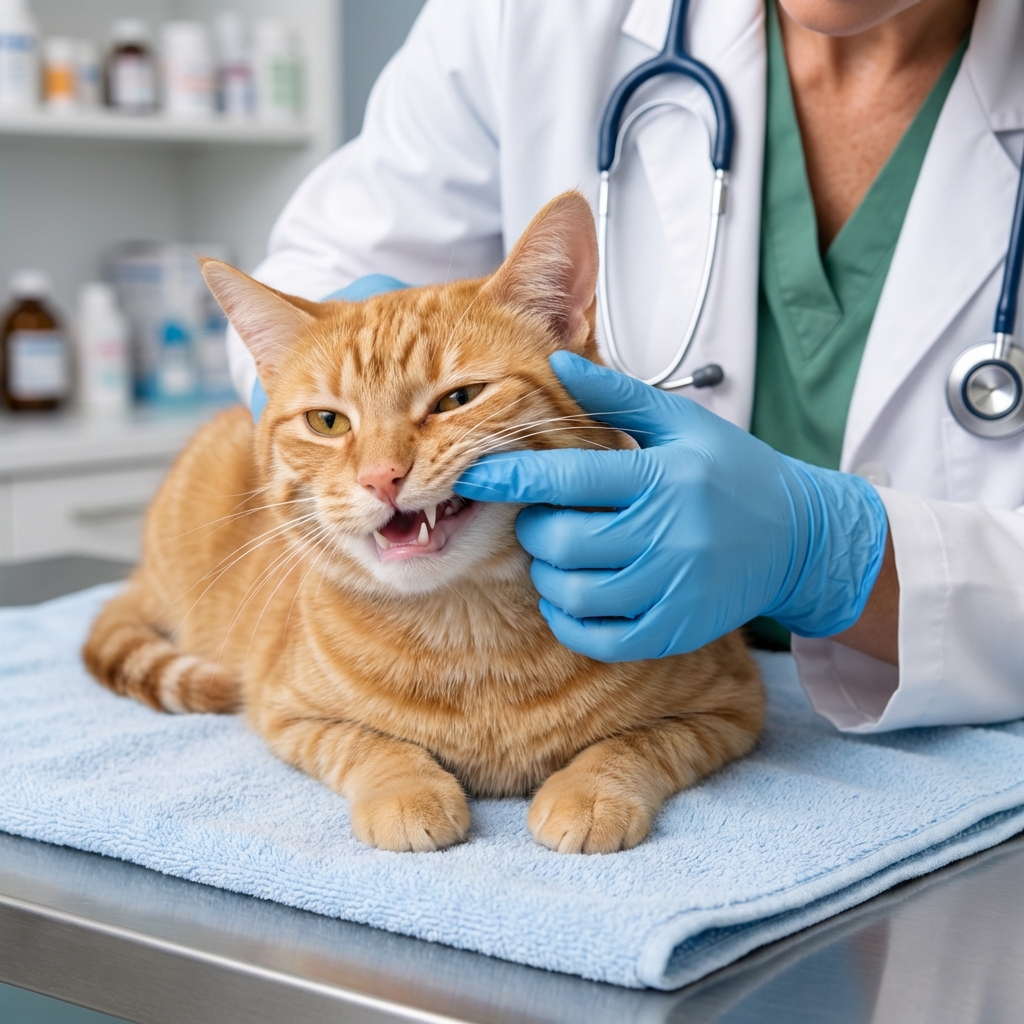
This one surprises many cat parents. The roots of upper teeth sit close to the nasal passages. Tooth-root abscesses and severe dental disease can contribute to nasal inflammation, drainage, and sneezing. In some cases, an oronasal fistula (an abnormal opening between the mouth and nose) can form, especially after advanced dental disease or extractions.
Clue: Bad breath, drooling, pawing at the mouth, chewing oddly, or tartar buildup plus sneezing is worth a vet visit. Unilateral (one-sided) nasal discharge can be a particularly helpful clue with tooth-root problems.
5) Polyps or growths
Polyps are non-cancerous growths that can develop in the nasal passages or behind the soft palate. They can cause chronic sneezing and noisy breathing.
Clue: Long-term one-sided congestion, snoring sounds while awake, or persistent discharge from one nostril.
6) Something stuck in the nose
A blade of grass, a seed, or a bit of debris can trigger sudden, intense sneezing. Outdoor cats are more at risk, but indoor cats can still get something up their nose from houseplants, dusty corners, or stringy toys.
Clue: A sudden onset of repetitive sneezing, pawing at the face, or sneezing with a little blood.
7) Less common, serious causes
Chronic fungal infections, certain parasites, trauma, clotting disorders, and nasal tumors can also cause sneezing. High blood pressure can be associated with nosebleeds in some cats, but it is not a common primary cause of sneezing by itself. These issues are more likely when symptoms are persistent, worsening, or one-sided.
Normal or not normal
Usually normal
- An occasional sneeze with no other symptoms
- Sneezing right after sniffing dust, litter, or a new smell
- A brief sneeze attack that stops and does not return
Call your vet
- Sneezing that lasts more than a few days
- Thick yellow or green nasal discharge
- Eye discharge, squinting, or red eyes
- Loss of appetite for 24 hours or more (especially in kittens)
- Open-mouth breathing or visible breathing effort
- Repeated sneezing with blood, or a nosebleed
- One-sided discharge that persists
- Lethargy, fever, or hiding more than usual
If your cat is working to breathe, breathing with an open mouth, or you notice blue or gray gums, treat it as an emergency and seek care right away.
What you can do at home
If your cat is bright, eating, and only mildly sneezy, supportive care can help while you monitor. These steps can make your cat more comfortable, but they do not treat infections on their own.
Make the air easier
- Switch to unscented, low-dust litter.
- Avoid candles, sprays, diffusers, and smoke indoors.
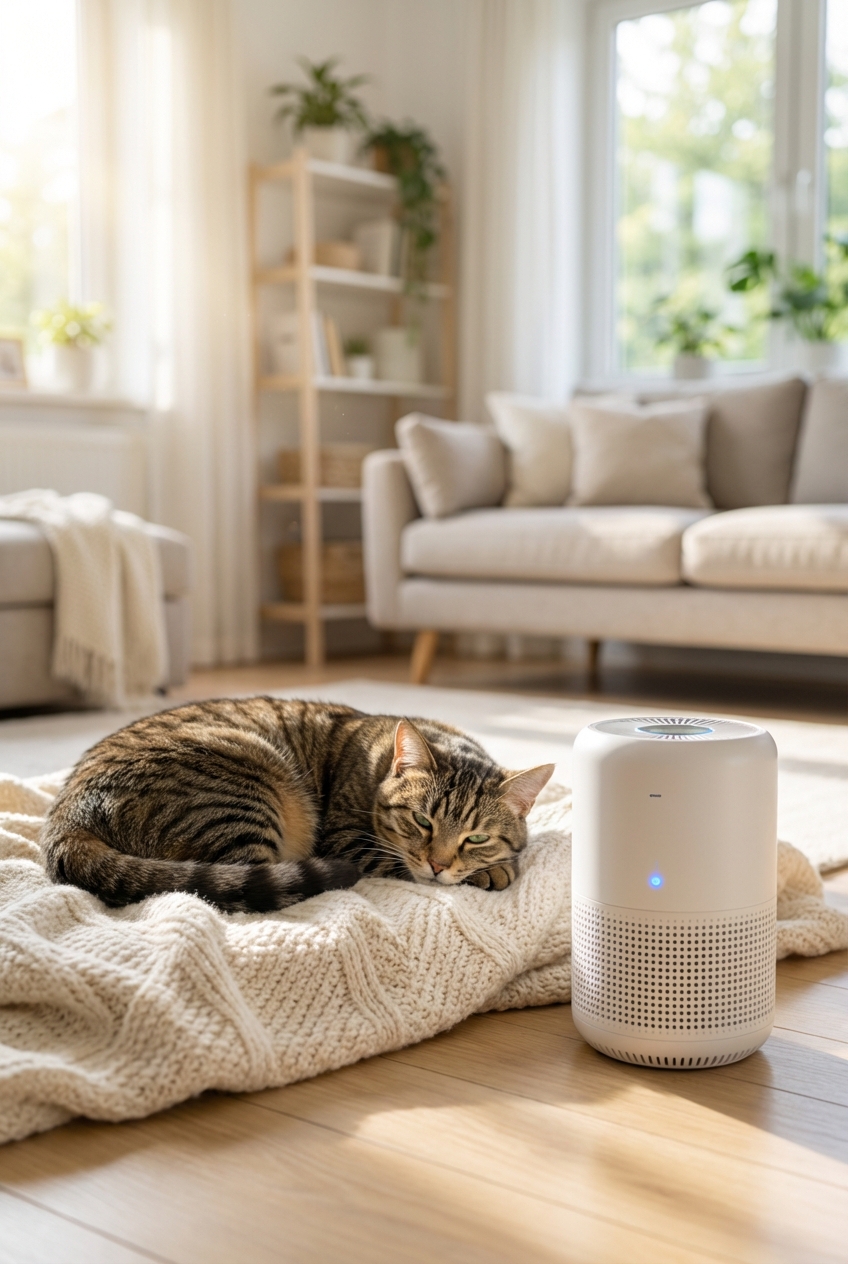
- Use a HEPA air purifier in the rooms your cat spends the most time in.
- Vacuum and dust regularly, especially around vents and windows.
Help mild congestion
- Steam session: Run a hot shower and sit with your cat in the steamy bathroom for 10 to 15 minutes (do not put them in the shower). Keep the door cracked or ensure your cat can leave, and stop if they seem stressed or overheated.
- Offer smelly, warmed foods like canned cat food warmed slightly to encourage eating.
- Keep fresh water available, and consider a pet fountain for hydration.
Lower stress
Stress can worsen respiratory signs, especially in cats with a herpesvirus history.
- Keep routines predictable
- Provide hiding spots and quiet zones
- Use feline pheromone diffusers if your cat tends to be anxious
Reduce spread in multi-cat homes
If you suspect a URI, it is smart to limit sharing until your cat is feeling better.
- Separate the sneezy cat if possible (a quiet room works well)
- Use separate bowls and litter boxes
- Wash hands between cats and wipe down high-touch surfaces
Please avoid: human cold medicines, essential oils applied to your cat, or medicated nasal drops unless your veterinarian specifically prescribes them. Many products that smell “natural” can be irritating or toxic to cats.
What the vet may do
If symptoms are persistent or concerning, your veterinarian will tailor the workup to what they see.
- Physical exam: listening to lungs, checking hydration, looking at eyes and nose
- Oral exam: dental disease, tooth-root infection, and ulcers can contribute
- Eye stain test: if squinting or eye discharge suggests corneal involvement
- Testing: sometimes PCR testing for respiratory pathogens in certain situations
- Imaging: dental X-rays, skull imaging, or CT if chronic or one-sided signs
- Rhinoscopy: a tiny camera in the nose to look for foreign material, polyps, or other issues
Treatment may include supportive care, antivirals in select cases, antibiotics if bacterial infection is suspected, pain control and dental treatment when needed, or procedures if a polyp or foreign body is present.
Prevention that helps
- Vaccinate: Core vaccines can reduce severity and shedding of common respiratory viruses, but they do not always prevent infection entirely.
- Quarantine new cats: A separate room for 10 to 14 days can reduce spread in multi-cat homes.
- Improve ventilation: Clean filters, avoid strong scents, and reduce smoke exposure.
- Prioritize dental care: Dental disease is common and can affect the nose too.
- Keep stress low: Especially for cats with a history of herpesvirus flare-ups.
Bottom line
A cat sneeze can be as simple as a dusty sniff or as significant as an infection that needs treatment. If your cat is acting normal and sneezing only occasionally, focus on reducing irritants and keep an eye on things. If sneezing comes with discharge, appetite changes, eye issues, or breathing trouble, it is time to call your veterinarian.
You know your cat best. Trust that instinct. When in doubt, a quick check can prevent a small problem from turning into a bigger one.