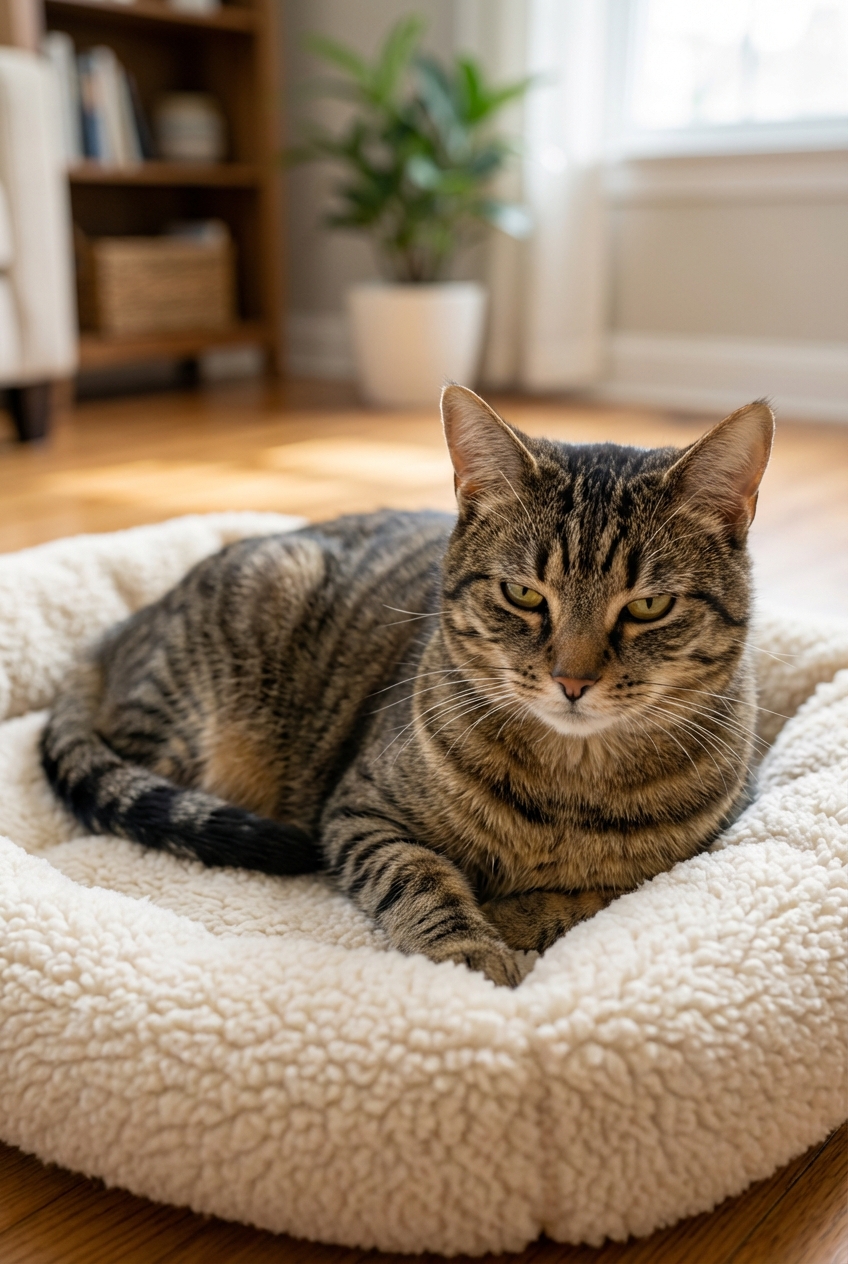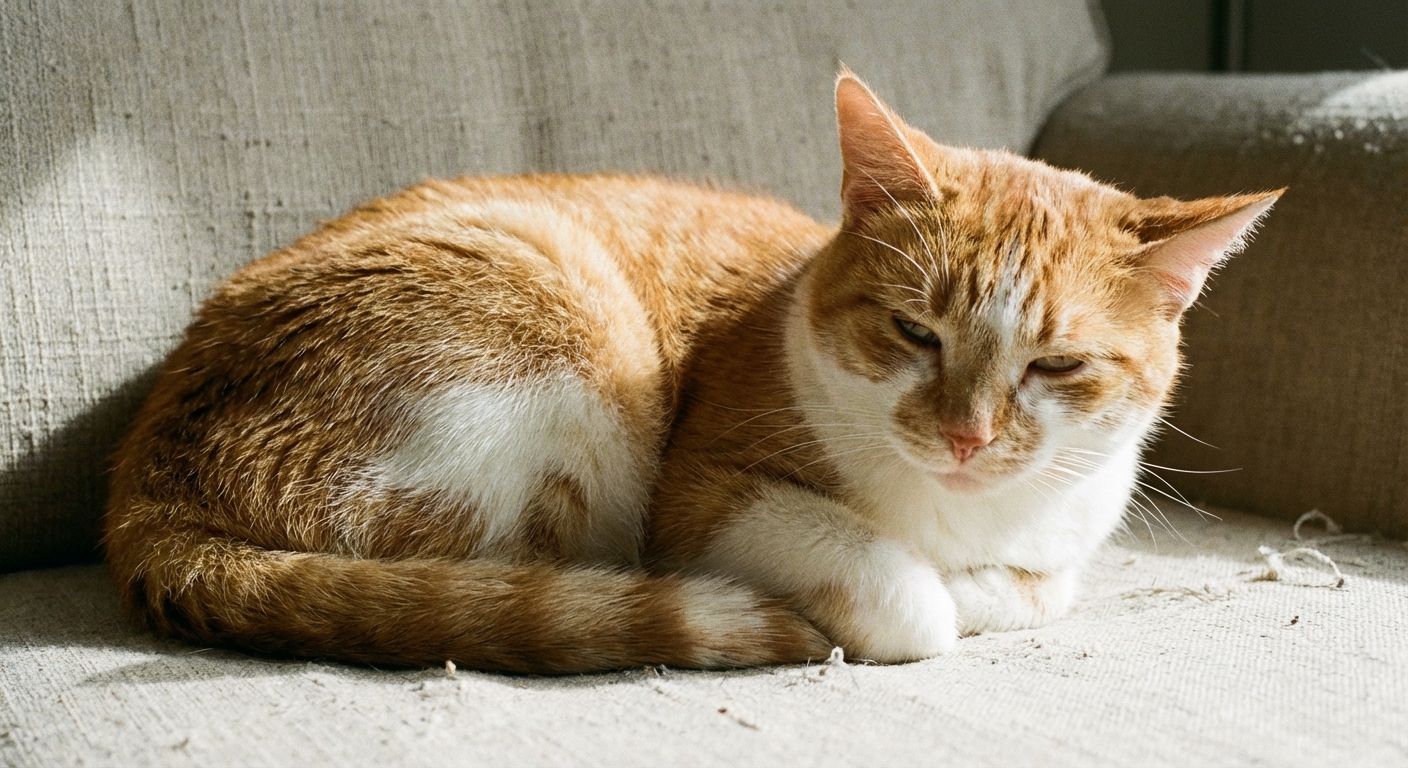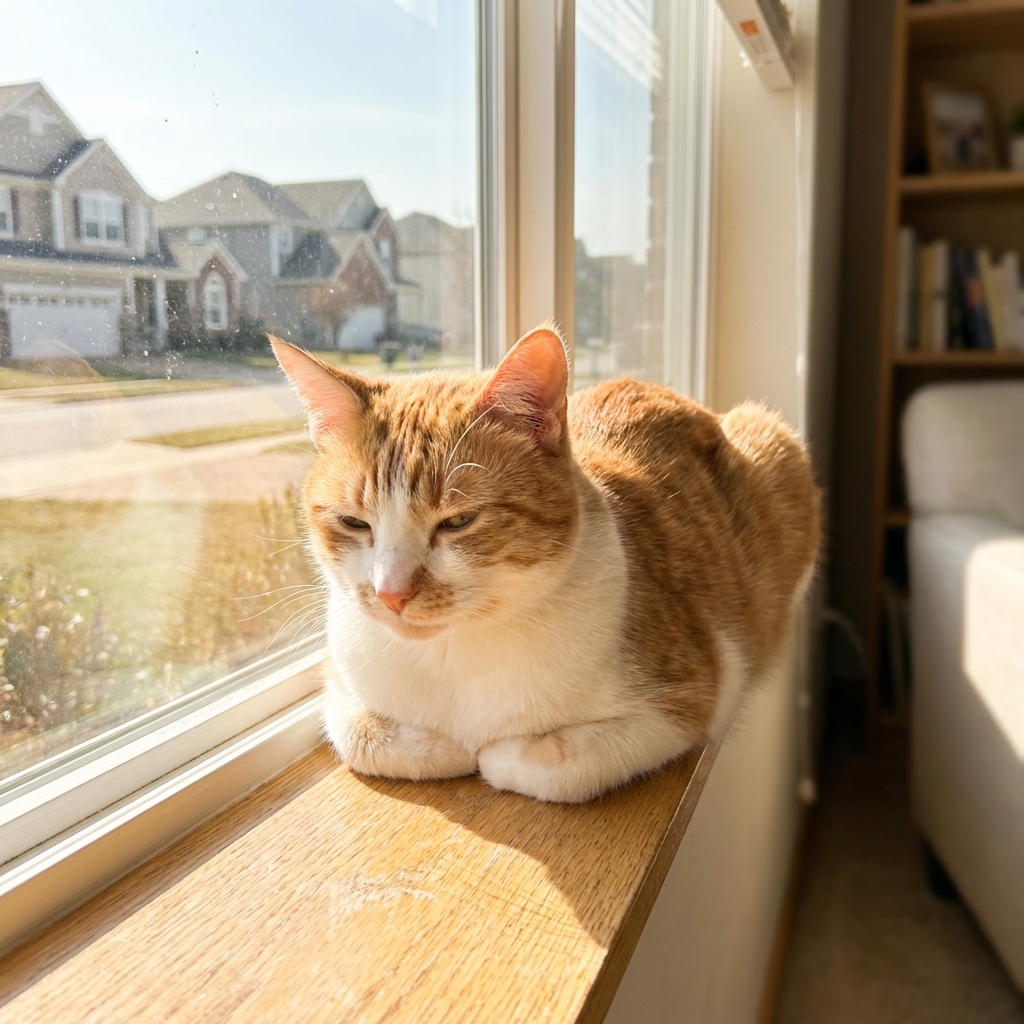
Cats loaf to feel safe, stay warm, and rest while alert. Learn the cat loaf meaning, plus body-language clues that separate a happy loaf from discomfort and ...
Article
•
Designer Mixes
Why Do Cats Loaf?

Shari Shidate
Designer Mixes contributor
If you have ever glanced over and seen your cat sitting like a little bread roll, paws tucked neatly underneath, you have witnessed the famous cat loaf. As a veterinary assistant in Frisco, Texas, I can tell you that in my experience it is one of the most common postures owners ask about. The good news is that loafing is usually a sign your cat feels safe and comfortable. The trick is learning when it is normal and when it might be a quiet clue that something is off.
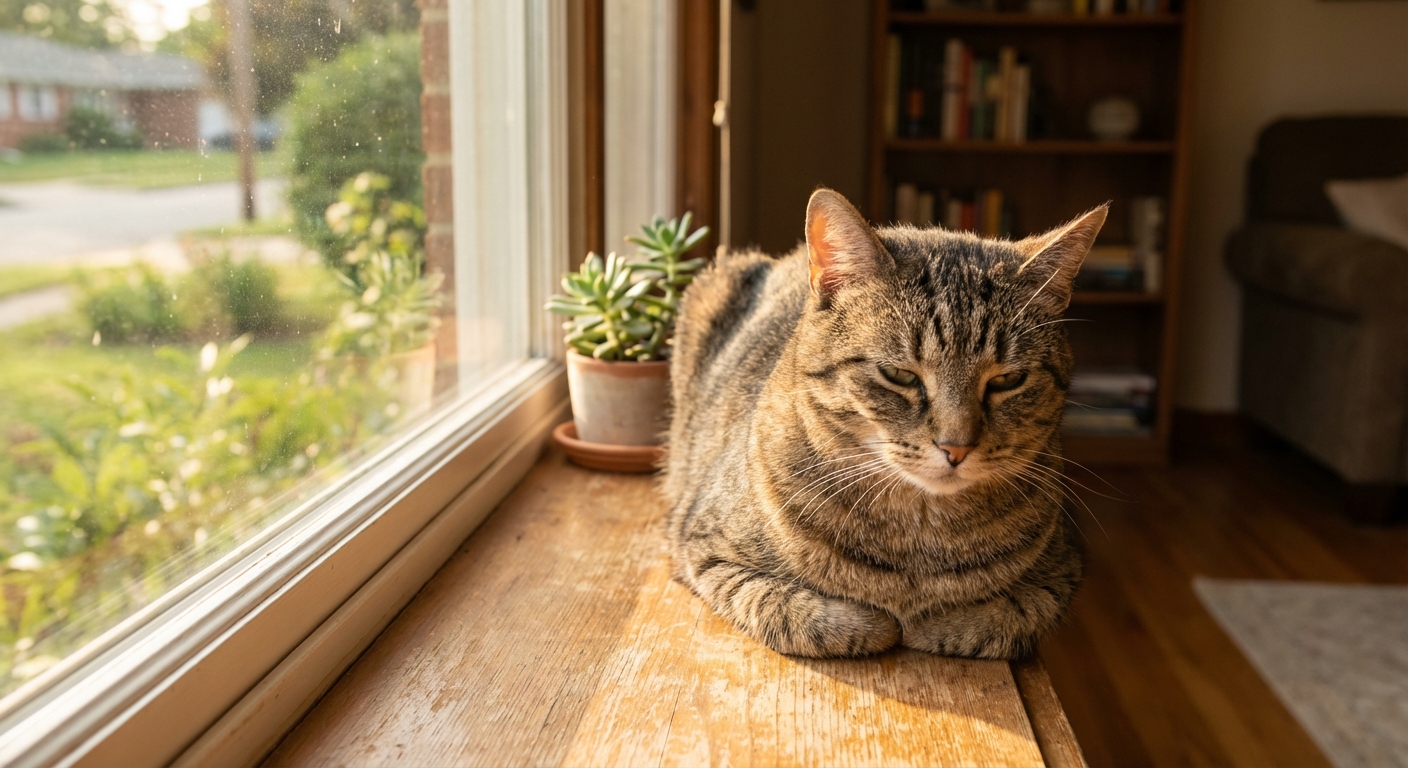
What a cat loaf is
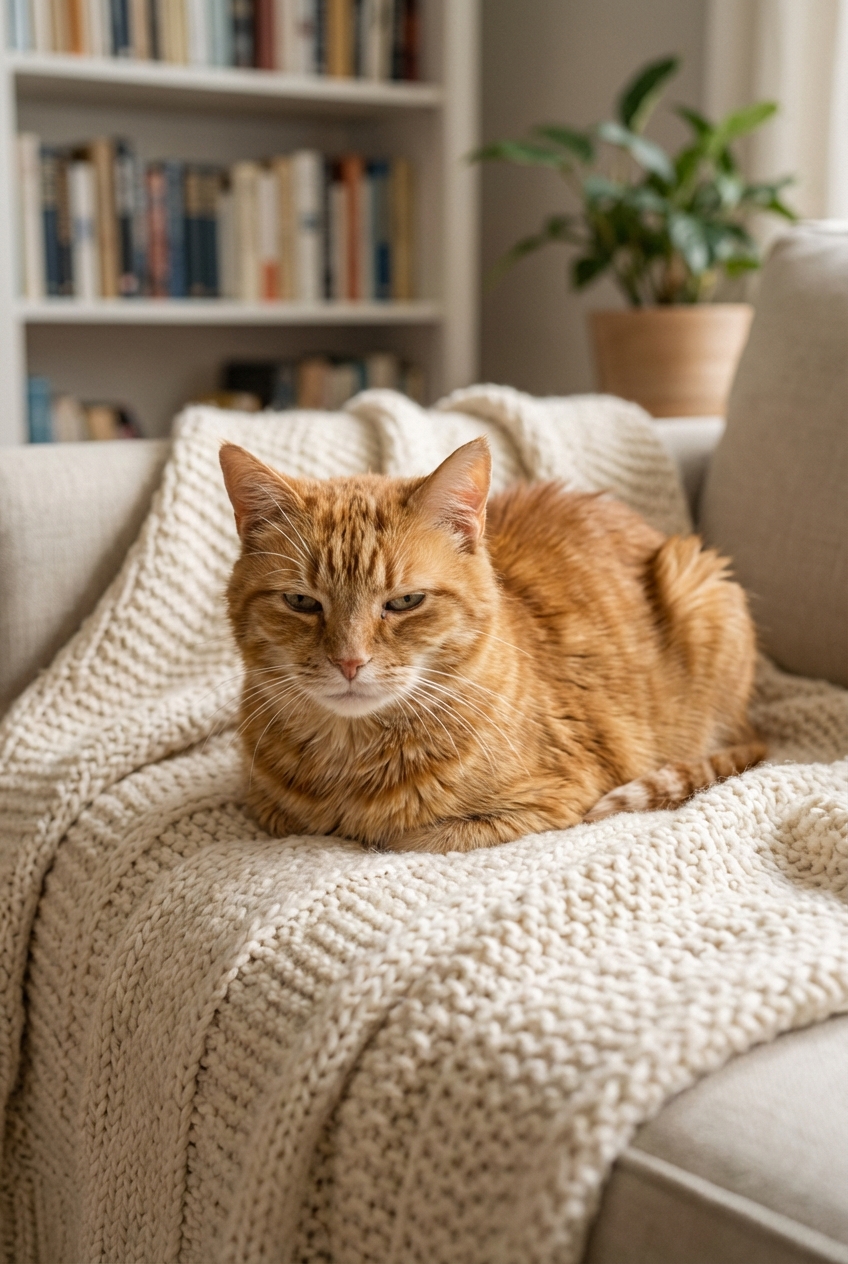
A cat is loafing when they sit upright with their paws and tail tucked under their body. From the side, it often looks like a smooth rounded shape, like a loaf of bread. You may also see a partial loaf, where one paw is tucked and the other is slightly out.
This is different from a cat who is lying flat on their side or belly. It is also different from the sphinx position, where the chest is down but the front legs are extended forward. Both can be normal, but they can tell you different things about how your cat is feeling in that moment.
Why cats loaf
1) Comfort and relaxation
Loafing is a stable, restful posture. Many cats choose it when they are calm but still mildly alert. Think of it as: “I am relaxed, but I am not totally checked out.”
2) Warmth and heat conservation
Tucking paws under the body helps conserve heat. Cats do this instinctively to stay warm, especially near windows in winter or in air-conditioned rooms in the summer.
3) Security and feeling safe
When a cat loafs in the middle of the room, near you, or in a favorite spot, it often means they feel secure in their environment. A cat that feels unsafe is more likely to crouch low, hide, or keep limbs ready to bolt.
4) Rest for joints and muscles
For some cats, loafing may feel more comfortable than standing for long periods. Older cats or cats after an active play session may tuck in to rest.
5) Social bonding
Some cats loaf near their people as a quiet form of companionship. They may not be a lap cat, but choosing to loaf within your space can be a gentle sign of trust.

Relaxed loaf vs. hunched posture
Most of the time, loafing is a relaxed posture. But sometimes what looks like a loaf is actually a tense, hunched position that can signal pain or illness. Use these quick cues to tell the difference.
Signs of a relaxed loaf
- Soft eyes, slow blinks, normal pupils
- Ears forward or gently neutral
- Normal breathing, no effort
- Responds to you in their typical way
- Gets up and moves normally when motivated (food, treat, toy)
Signs it could be discomfort
- Hunched posture with tension in the shoulders or back
- Squinted eyes, tight facial expression, ears slightly back
- Hiding more than usual or unusually quiet
- Not eating, or acting interested in food but walking away
- Rapid breathing, open-mouth breathing, or increased abdominal effort
- Not wanting to move, or seeming stiff or painful when they do
- Growling, swatting, or reacting when touched (especially around the belly)
Loafing by itself is not a diagnosis. It is the combination of posture changes plus other symptoms that matters most.
If your cat is hunched and also not eating, vomiting, having diarrhea, breathing oddly, or acting “not themselves,” it is worth calling your veterinarian the same day.
Medical reasons for more loafing
Loafing can be completely normal. But a sudden increase in time spent tucked up, especially paired with other changes, can happen with a number of conditions. Here are a few we see in clinics:
- Digestive upset: nausea, constipation, hairballs, or dietary intolerance can make cats sit still and look tense.
- Urinary tract issues: discomfort from cystitis or blockage can make cats posture differently and hide pain. Male cats with urinary blockage are an emergency.
- Arthritis or injury: cats are masters at masking pain. Some cats with arthritis cannot fully tuck their front paws, so you may notice a permanent partial loaf, stiffly extended front legs, or reluctance to settle. Sudden stiffness, limping, or reluctance to jump deserves a checkup.
- Fever or infection: low energy plus a tight, tucked posture can be an early sign something systemic is going on.
- Stress: changes in the home, new pets, or routine disruptions can lead to more stillness and tucked postures.
Quick loaf check
You do not need fancy tools to be a great observer. If you notice loafing that seems unusual, do a simple check-in:
- Appetite and water: Are they eating and drinking normally?
- Litter box habits: Any straining, frequent trips, accidents, diarrhea, or no stool?
- Energy: Do they respond to a favorite treat or toy?
- Breathing: Is breathing quiet and easy? If you see open-mouth breathing, that is urgent.
- Temperature cues: Are they seeking warmth unusually hard, shivering, or feeling noticeably hotter than normal to the touch?
- Comfort with touch: Gently pet along the back and sides. Do not press on the belly or force movement. Stop if they react defensively or seem painful.
Write down what you notice, including when it started. That kind of timeline helps your veterinary team a lot.
Support healthy loafing
If your cat loafs happily, you are already doing something right. Here are a few ways to support comfort and reduce stress:
- Create warm resting spots: a sunny window perch or a soft bed away from foot traffic.
- Add vertical space: cat trees and shelves let cats feel secure.
- Keep routines steady: predictable feeding and playtime lowers anxiety.
- Support mobility: for older cats, consider ramps, lower-sided litter boxes, and veterinarian-approved joint support.
- Prioritize hydration: many cats do better with water fountains or wet food added to the diet, especially for urinary health.
When to call the vet
Trust your gut if your cat’s loaf looks different from their normal. Contact your veterinarian promptly if loafing comes with:
- Not eating for a full day, or any prolonged refusal to eat (kittens and cats with health issues should be seen sooner)
- Vomiting repeatedly or vomiting plus lethargy
- Diarrhea that is frequent, bloody, or lasts more than a day
- Straining to urinate, crying in the litter box, or producing little to no urine
- Labored breathing, open-mouth breathing, or pale gums
- Sudden weakness, collapse, or severe pain
Cats are subtle. A small posture change can be the first hint that they need help. And when it is just a cozy loaf, you can enjoy it for what it is: your cat saying, “I feel safe here.”