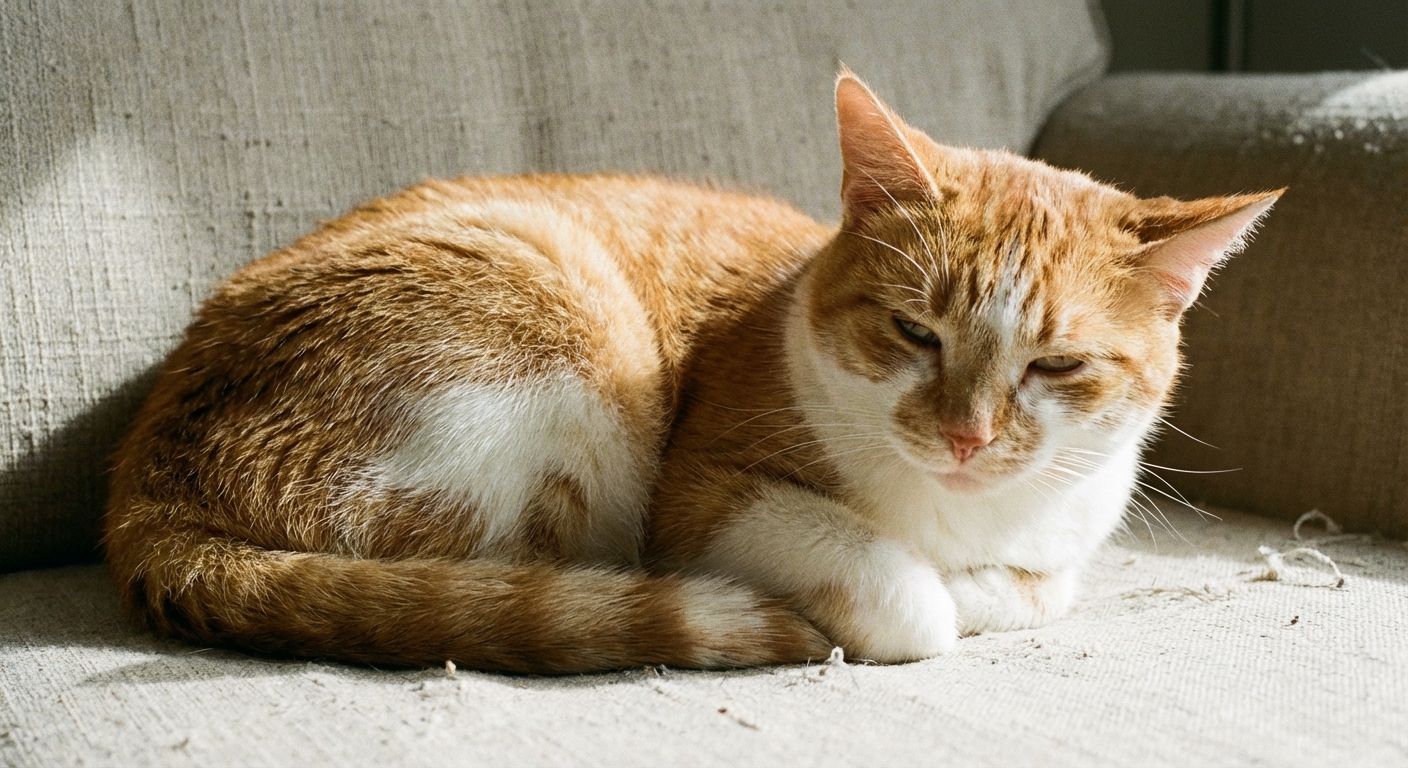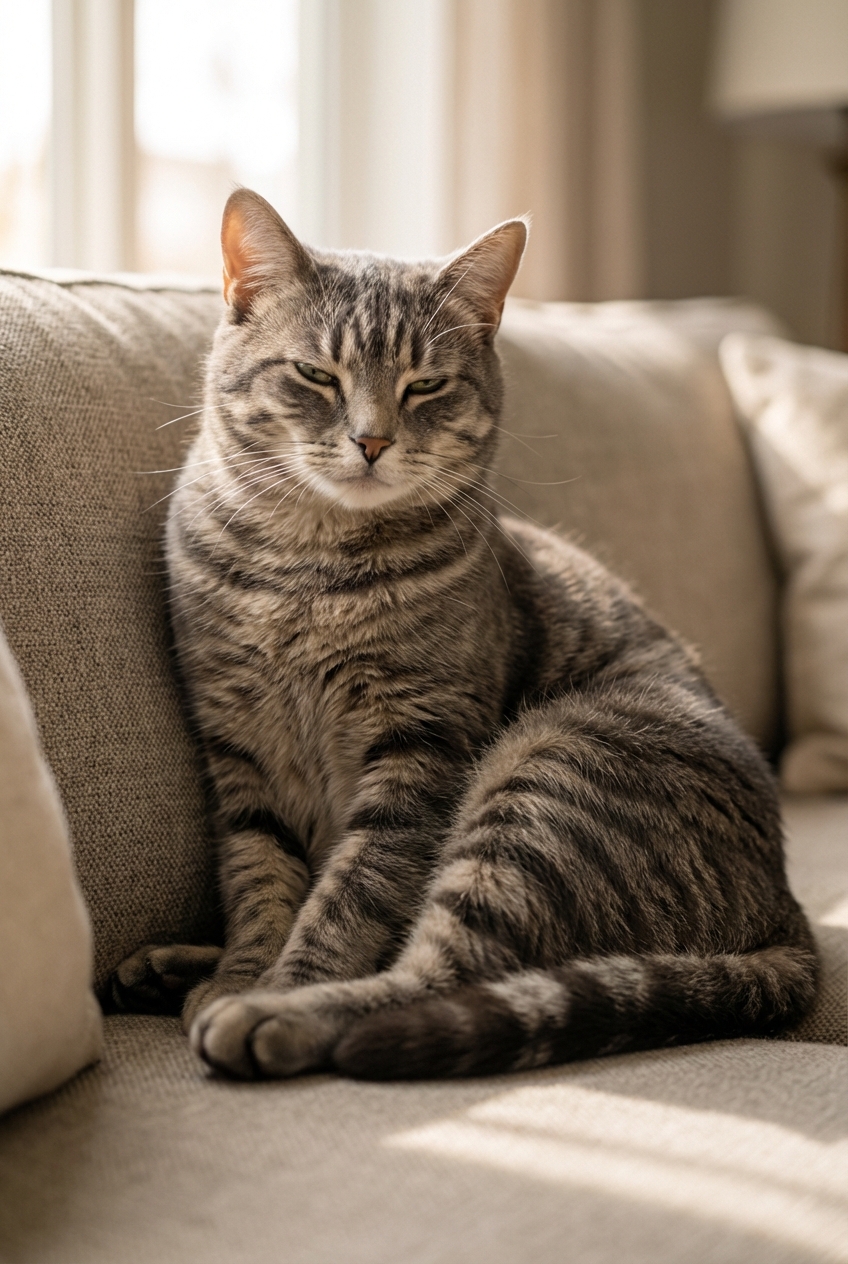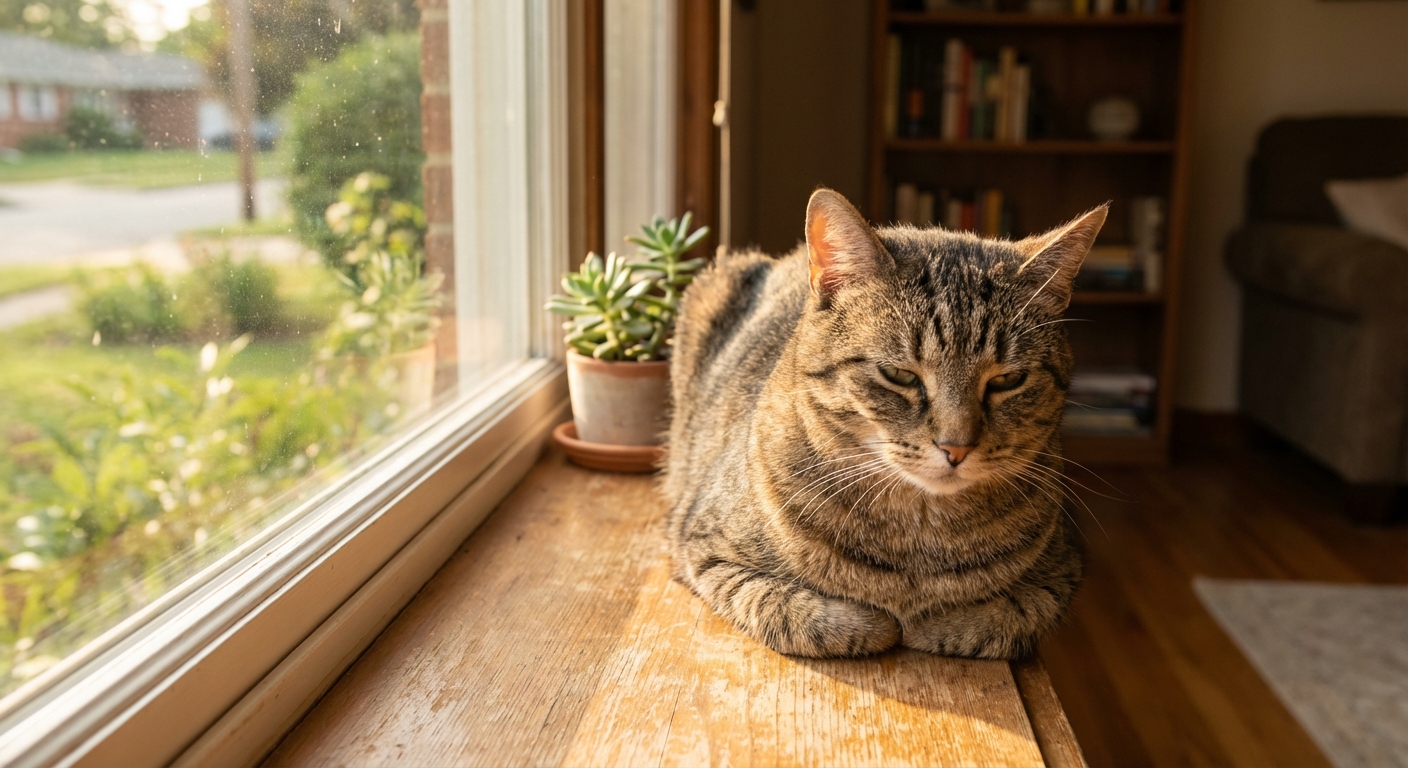
Wondering why your cat sits like a loaf? Learn what cat loafing means, the top reasons cats do it, how to tell relaxed vs hunched pain, and when to call your...
Article
•
Designer Mixes
Why Do Cats Loaf?

Shari Shidate
Designer Mixes contributor
That adorable moment when your cat tucks their paws under their chest and turns into a little bread-shaped “loaf” is more than just cute. In most cases, the loaf position is a sign of comfort, warmth, and quiet alertness. But like many cat behaviors, context matters. A relaxed loaf can mean “I feel safe,” while a tense, tight loaf can sometimes be a clue that your cat is uncomfortable or not feeling well.
Let’s break down what the loaf pose means, why cats do it, and how to tell a happy loaf from a “something is off” loaf.
Quick note: This is general information, not a diagnosis. If you are worried about your cat, contact your veterinarian.
What is the cat loaf?
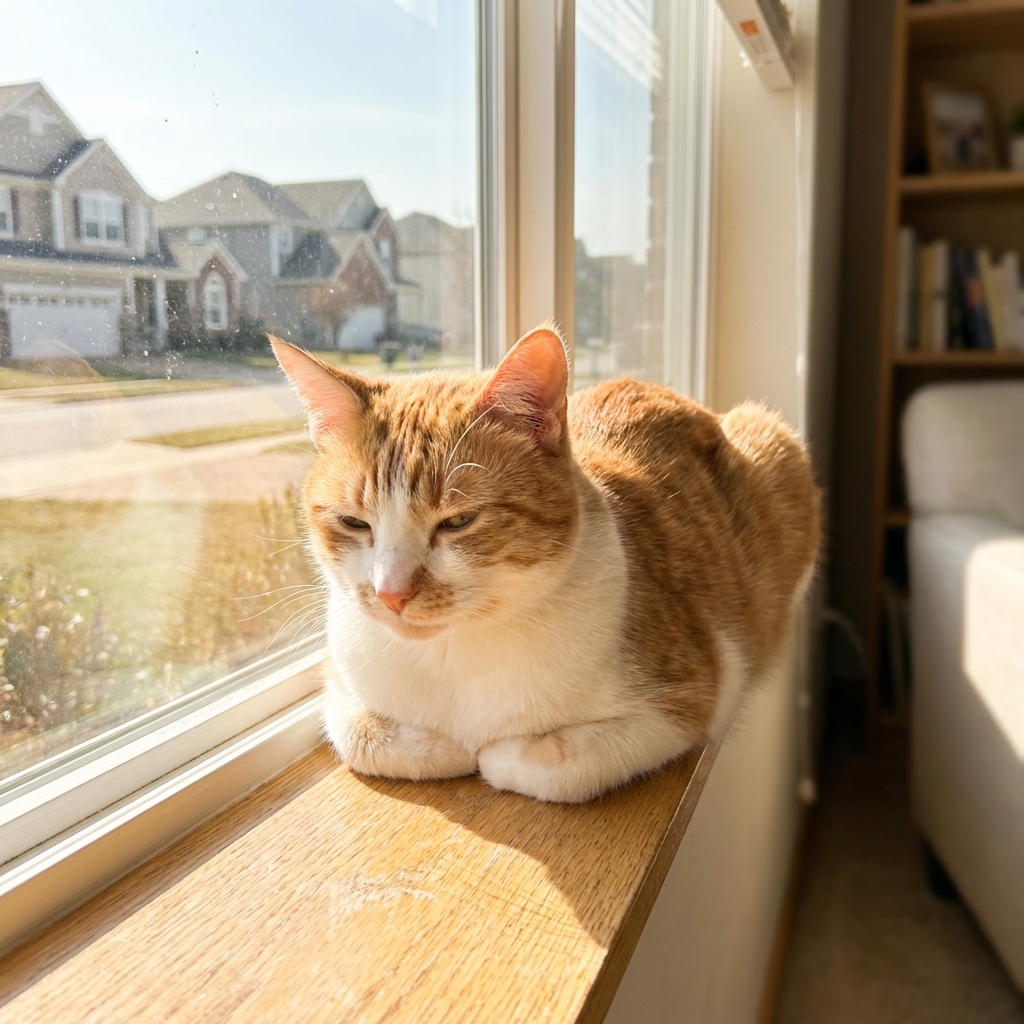
A cat is “loafing” when they sit upright with their paws tucked under their body, often with their tail wrapped close. From the side, their silhouette can look smooth and rounded, like a loaf of bread.
A classic relaxed loaf looks compact but soft. A pain or stress loaf often looks hunched and rigid , like they are bracing their belly or chest rather than simply resting.
This posture is different from:
- Splooting (legs stretched out behind)
- Side-sleeping (full relaxation with belly exposed)
- Meatball pose (curled into a tight ball, usually for warmth or security)
Loafing is a “middle ground” posture. Your cat is resting, but they are not fully asleep.
Why cats loaf
1) They feel safe and content
In a true relaxed loaf, your cat’s muscles look soft, their ears are neutral, and their eyes may be half-closed or slow-blinking. This is one of the biggest compliments a cat can give you. It means they trust their environment enough to settle in.
2) They are staying warm
Tucking paws under the body helps conserve heat. Cats naturally minimize exposed surface area when they want to stay cozy. You might notice more loafing in winter, on cool floors, or near drafty windows.
3) They are resting but staying alert
Cats are predators, but they can also be vulnerable to threats. Their bodies are wired for quick reactions. Loafing keeps their limbs tucked and protected while still allowing them to pop up quickly if something interesting happens.
4) They are protecting sensitive paws
Paws are sensitive. Cool floors, rough surfaces, damp fur after coming in from outdoors, or even a new texture can lead a cat to tuck their feet away. Some cats also loaf more after a nail trim or if litter feels irritating.
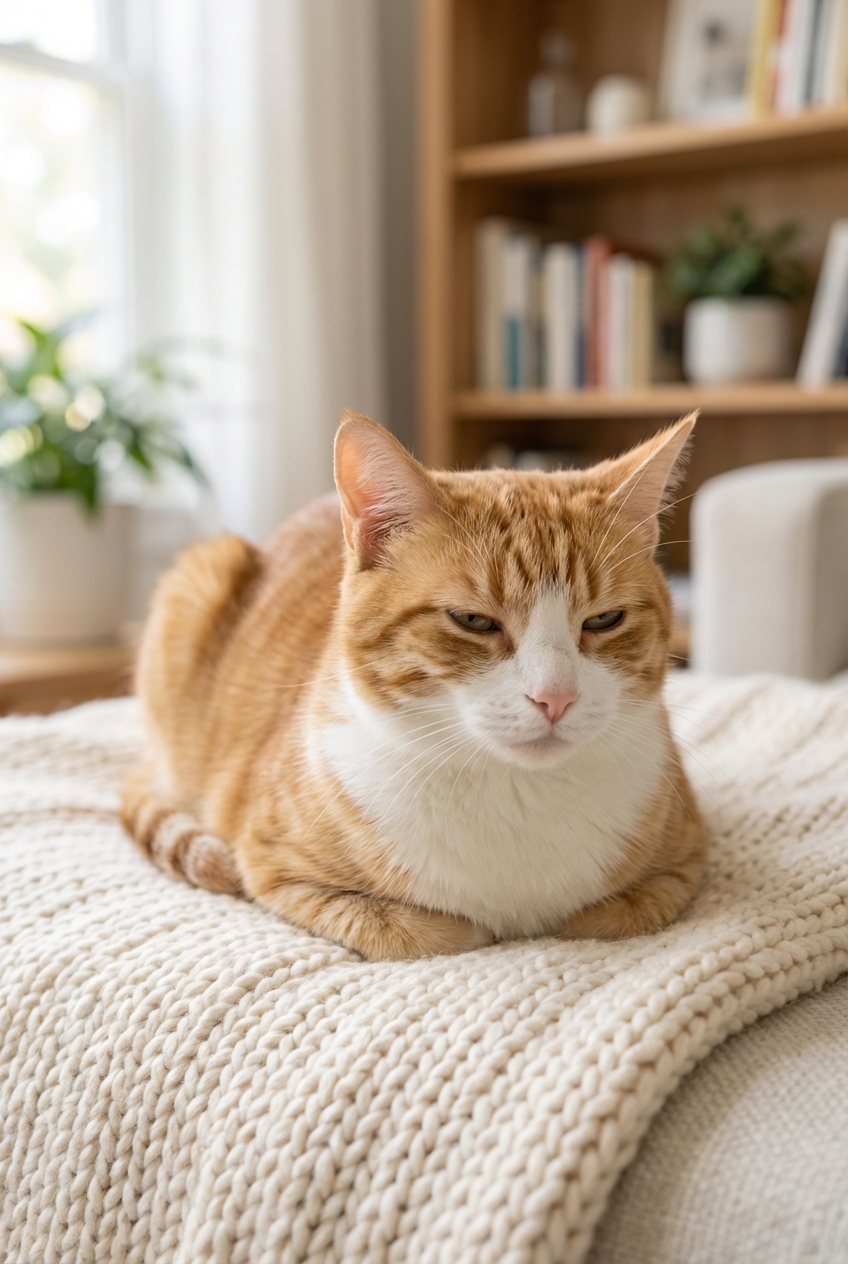
Relaxed vs painful loaf
Most loafing is perfectly normal. The key is to look at the whole cat, not just the pose.
Signs of a comfortable loaf
- Soft body and smooth posture
- Slow blinks, half-closed eyes, or gentle eye contact
- Normal breathing
- Ears facing forward or slightly to the side
- They shift position occasionally and respond normally to your voice or small sounds
Signs the loaf might mean discomfort
- Tense, hunched posture (looks rigid rather than rounded)
- Head held low or neck stretched forward
- Squinted eyes with a “pained” expression
- Fast breathing or open-mouth breathing (always urgent)
- Flattened ears, dilated pupils, or tail tightly wrapped and twitching
- Hiding more than usual or acting withdrawn
- Not eating, not drinking, or not using the litter box normally
- Trembling, growling when approached, or seeming unable to get comfortable
Veterinary teams often advise this: a single behavior rarely gives the full story. But a sudden change in posture plus changes in appetite, energy, grooming, or litter box habits is worth a call to your veterinarian.
If your cat loafs tightly and seems “stuck” in that position, especially with low appetite or lethargy, treat it as a medical clue, not just a cute pose.
One paw out
The “one paw out” loaf is very common. Usually it means your cat is relaxed but not fully settled. Think of it like keeping one foot out of the blanket.
Common reasons include:
- Temperature comfort (it may help with temperature regulation)
- Preference (some cats simply like it)
- Ready to move (they can stand up faster)
If your cat consistently keeps the same paw out and seems sensitive when you touch it, check for a limp, a tender toe, a cracked nail, or litter stuck between the toes.
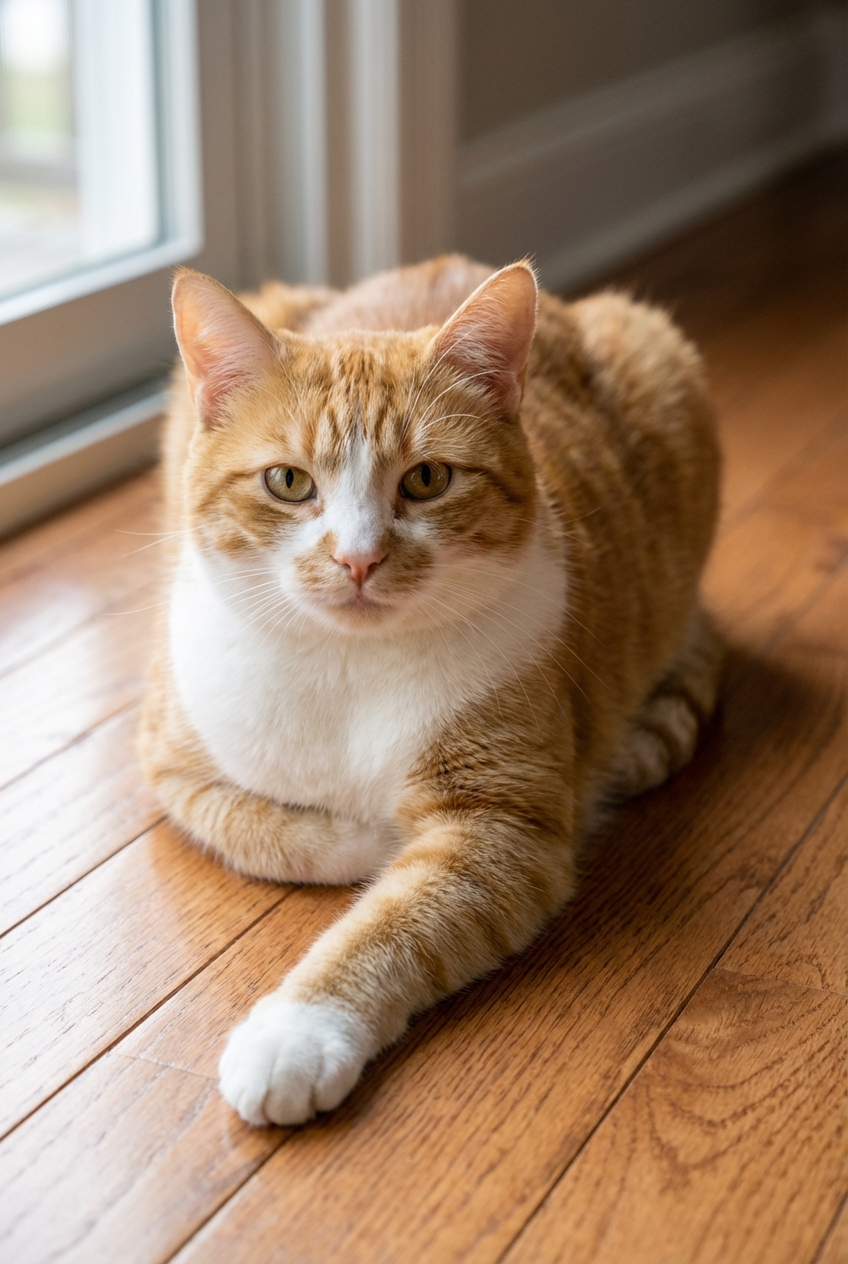
Does loafing mean love?
Loafing itself is not a direct “I love you” signal, but it often happens in places where your cat feels emotionally safe. If your cat loafs near you, faces you, or slow-blinks at you while loafing, that is a strong sign of comfort and trust.
If you want to “say it back,” try:
- Slow-blinking gently
- Speaking softly
- Offering a calm pet along their cheeks or head, if they enjoy it
- Letting them be, if they prefer quiet closeness
When to call the vet
Cats are masters at hiding illness, so subtle posture changes can matter. A guarded, hunched loaf can show up with pain, nausea, or fever.
Contact your veterinarian promptly if loafing is paired with any of the following:
- Not eating for 24 hours (or sooner if your cat seems unwell, and sooner for kittens)
- Vomiting repeatedly or diarrhea that persists
- Straining in the litter box, crying, or producing little urine
- Sudden hiding or unusual aggression
- Limping, sensitivity to touch, or refusing to jump
- Rapid breathing, open-mouth breathing, or gums that look pale or bluish
If you are unsure, it is always okay to call your clinic and describe what you are seeing. A quick conversation can help you decide whether to monitor at home or come in.
Encourage happy loafing
If your cat loves loafing, you can support that cozy, secure feeling with a few simple upgrades:
- Warm resting spots: soft beds, fleece blankets, and sunny windows (safe, supervised access)
- Vertical options: cat trees and perches so they can rest and observe
- Stress reduction: predictable routines, quiet hideaways, and gentle play
- Paw comfort: clean litter boxes and litter texture that does not irritate sensitive paws
And of course, regular wellness exams matter. When cats feel good physically, they are much more likely to relax in those sweet, tucked-paw poses we all love.
Bottom line
Cats loaf because it is comfortable, warm, and secure, and it lets them rest while staying ready. Most of the time, a loaf is a happy sign. Your job is simply to read the whole picture: body softness, facial expression, breathing, appetite, and behavior.
When in doubt, trust your instincts. You know your cat’s normal better than anyone, and small changes are worth paying attention to.