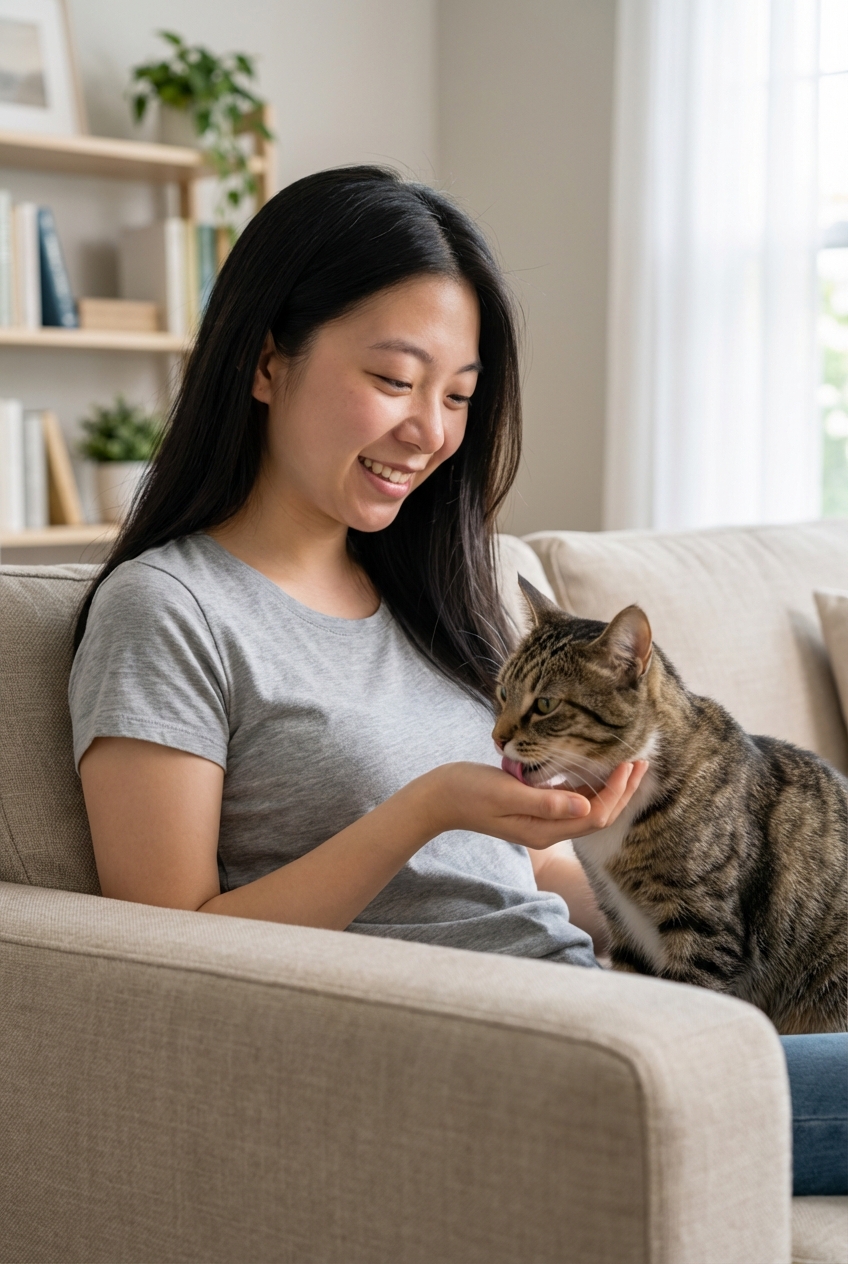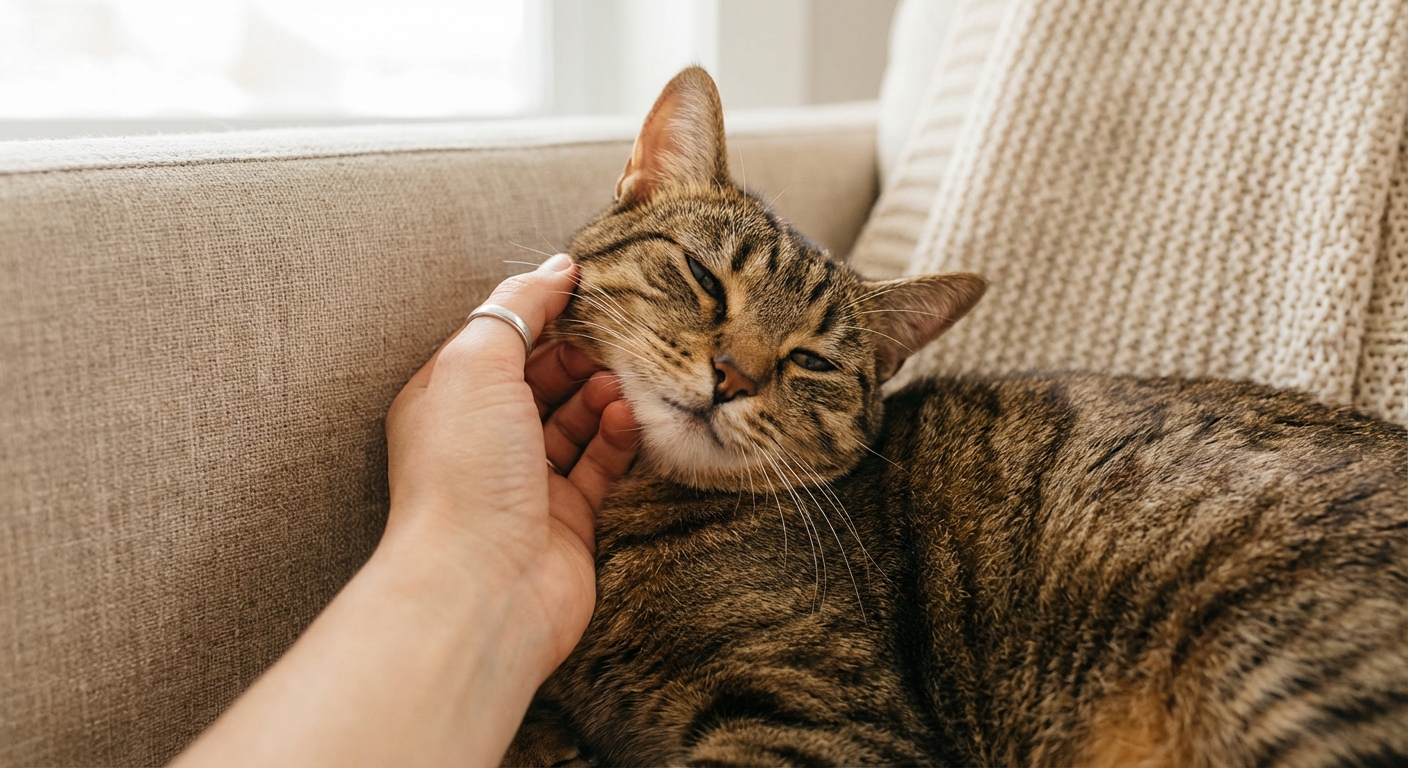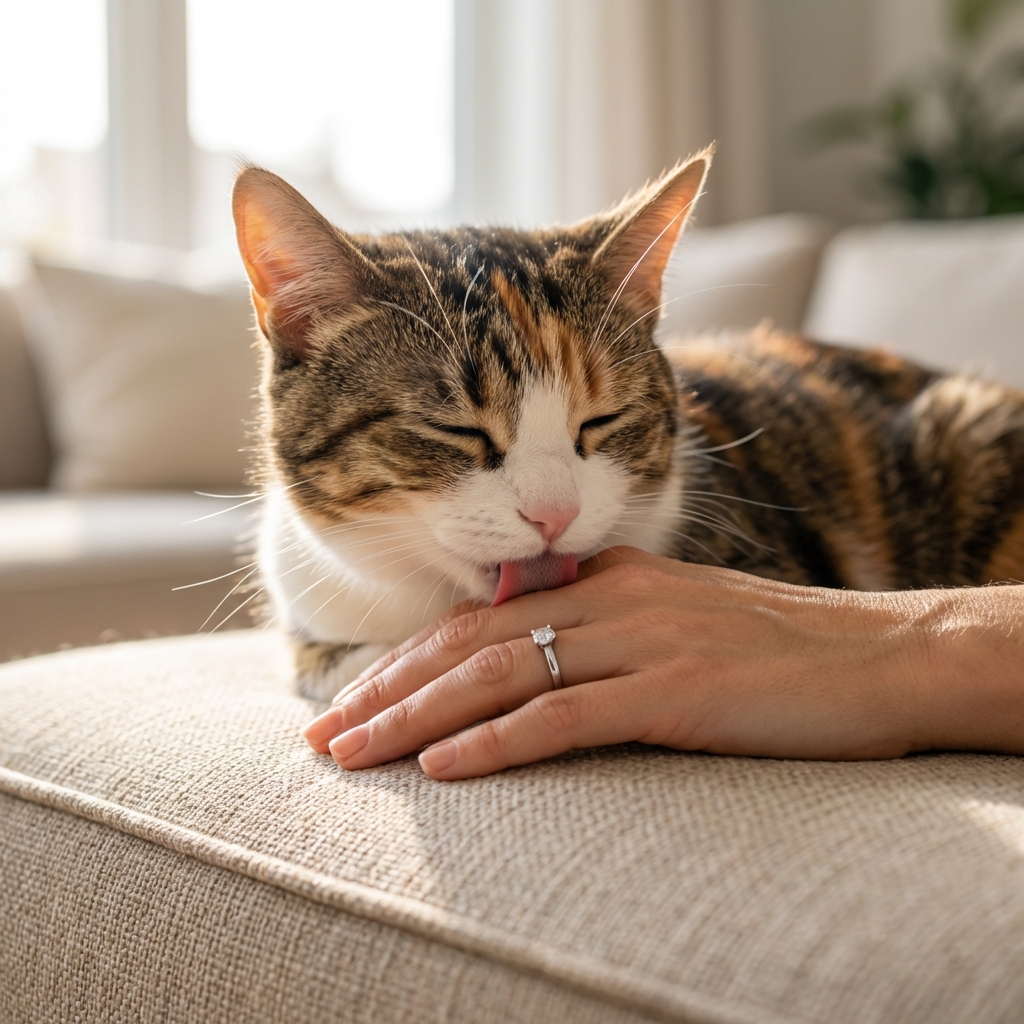
Wondering why your cat licks you? Explore common causes like bonding, taste, stress, and overstimulation—plus safety tips, warning signs, and kind ways to ...
Article
•
Designer Mixes
Why Do Cats Lick You?

Shari Shidate
Designer Mixes contributor
As a veterinary assistant here in Frisco, Texas, I get this question all the time: why does my cat lick me and what does it mean? Cat licking can be sweet, silly, and sometimes a little confusing, especially if it turns into gentle nibbles or feels nonstop.
The good news is that licking is usually normal feline behavior. It can be a sign of affection, social bonding, grooming instincts, stress relief, or even a polite request for something. The key is to watch the whole picture: your cat’s body language, the situation, and whether the licking is paired with other behaviors.
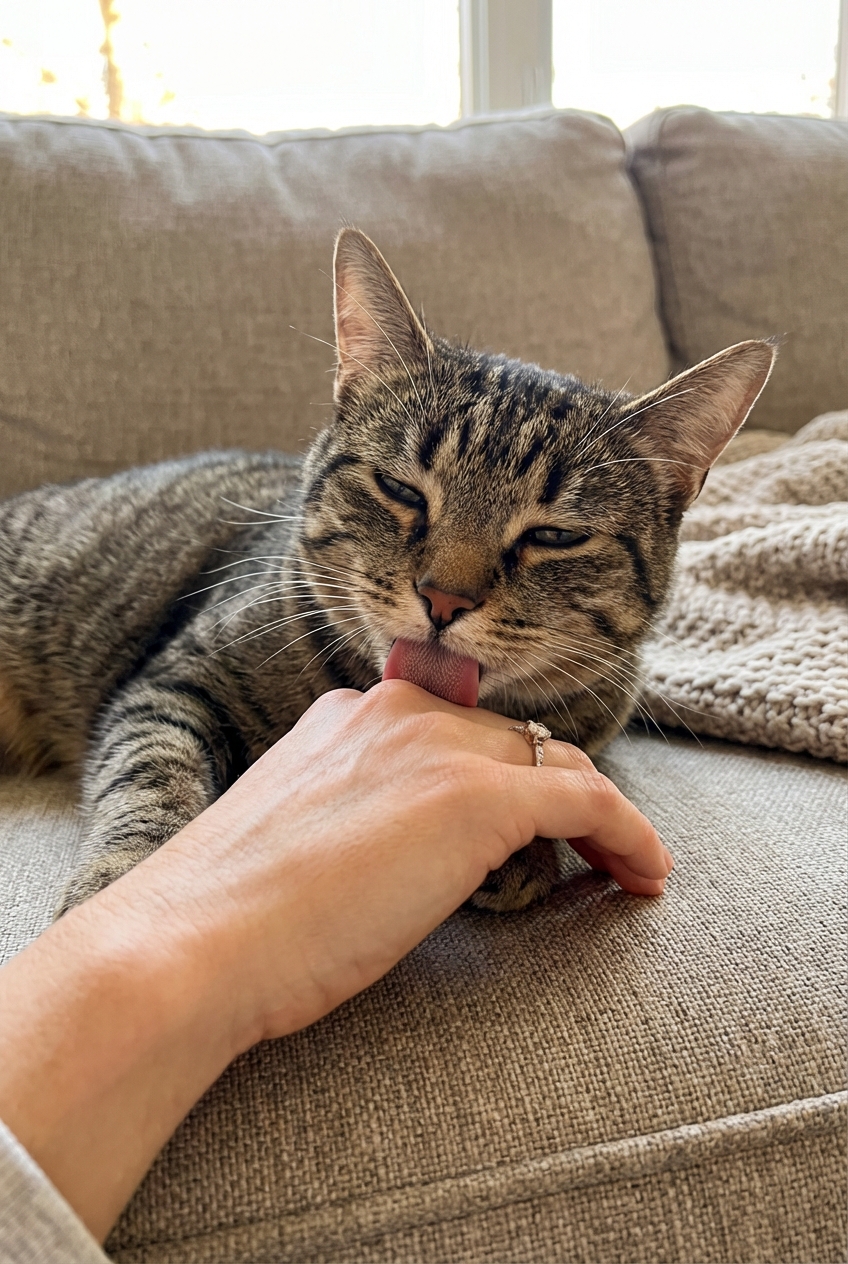
What cat licking means
1) Affection and social bonding
Cats often lick people (and pets) they trust. In multi-cat homes and other social groups, friendly cats groom each other in a behavior called allogrooming. If your cat licks you, you may be part of their “family group.” It is one of the ways they say, “You’re safe with me.”
2) Grooming you like they would groom another cat
Your cat may be treating you like a big, hairless cat who needs help grooming. This is especially common if your cat cuddles close, purrs, kneads, or settles into a relaxed loaf position.
3) Comfort and self-soothing
Licking can be calming. Some cats lick as a coping strategy when they are overstimulated, anxious, or trying to settle down. If your cat starts licking more during stressful times (new home, schedule change, visitors), it may be their way of regulating emotions.
4) You taste interesting
Human skin can taste like salt, lotion, soap, or whatever you recently handled in the kitchen. Some cats are curious tasters. This is not necessarily a problem, but it does mean you should be mindful of what is on your skin.
5) Attention-seeking
Licking can work very well as a strategy. If licking gets your eyes, hands, or voice focused on them, your cat learns quickly that it is an excellent way to say, “Hey, I’m here.”
6) Stress, boredom, or compulsive behavior
Occasional licking is normal. But frequent, intense licking of you or themselves can sometimes point to stress, insufficient enrichment, discomfort, or a compulsive pattern. Common rule-outs we think about in clinic include fleas or allergies, skin infection, dental disease, nausea or other GI issues, and pain (including arthritis). A veterinary exam is the best way to sort out the cause.
7) Kittens and early bonding
Kittens may lick more than adult cats. Licking can be tied to comfort and early memories of being groomed by mom, so some cats keep that soothing habit into adulthood.
Normal or a red flag
These cues can help you decide whether your cat’s licking is simply social grooming or something you should look into more closely.
Usually normal
- Soft body posture, relaxed ears, slow blinks, purring
- Licking happens briefly during cuddles or after petting
- Cat stops easily when redirected
Potential concern
- Licking escalates to biting, swatting, or sudden overstimulation
- Repetitive licking that seems hard for your cat to stop
- Other signs of stress: hiding, changes in appetite, litter box changes, overgrooming bald patches
- Signs of illness: drooling, bad breath, pawing at the mouth, vomiting, diarrhea, weight loss
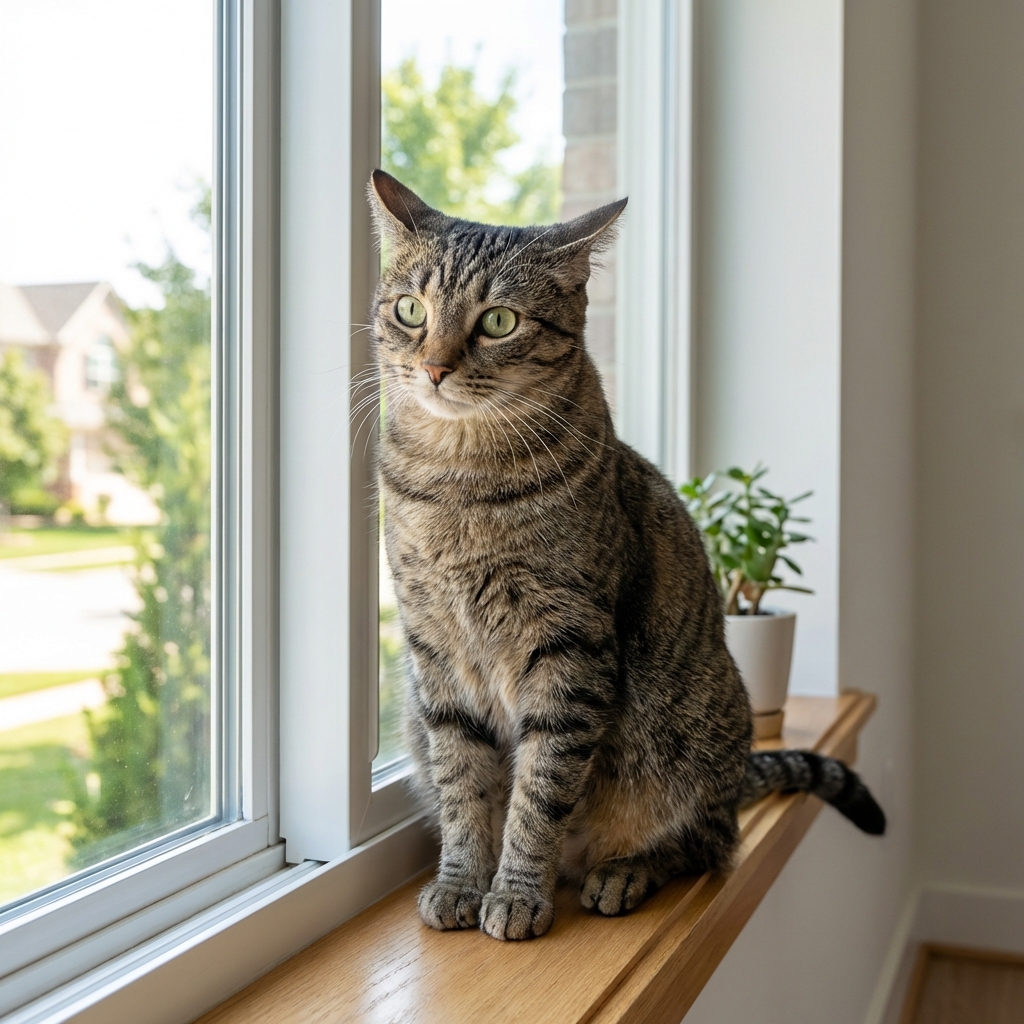
Why cats lick then bite
This is a classic scenario. Your cat is licking, you think it is sweet, and then suddenly there is a little nip.
Common reasons include:
- Overstimulation: petting and contact builds up until your cat says “too much”
- Play behavior: licking transitions into a gentle play bite
- Boundary setting: your cat likes closeness but wants control over the interaction
If you notice tail twitching, skin rippling, ears rotating sideways, or your cat getting more intense, take it as an early “I’m done” signal.
If it hurts
If your cat’s tongue feels scratchy or the licking turns into nipping, you can set a boundary without punishment.
- Calmly end the interaction and stand up or move your hands away
- Use a blanket as a barrier during couch cuddles
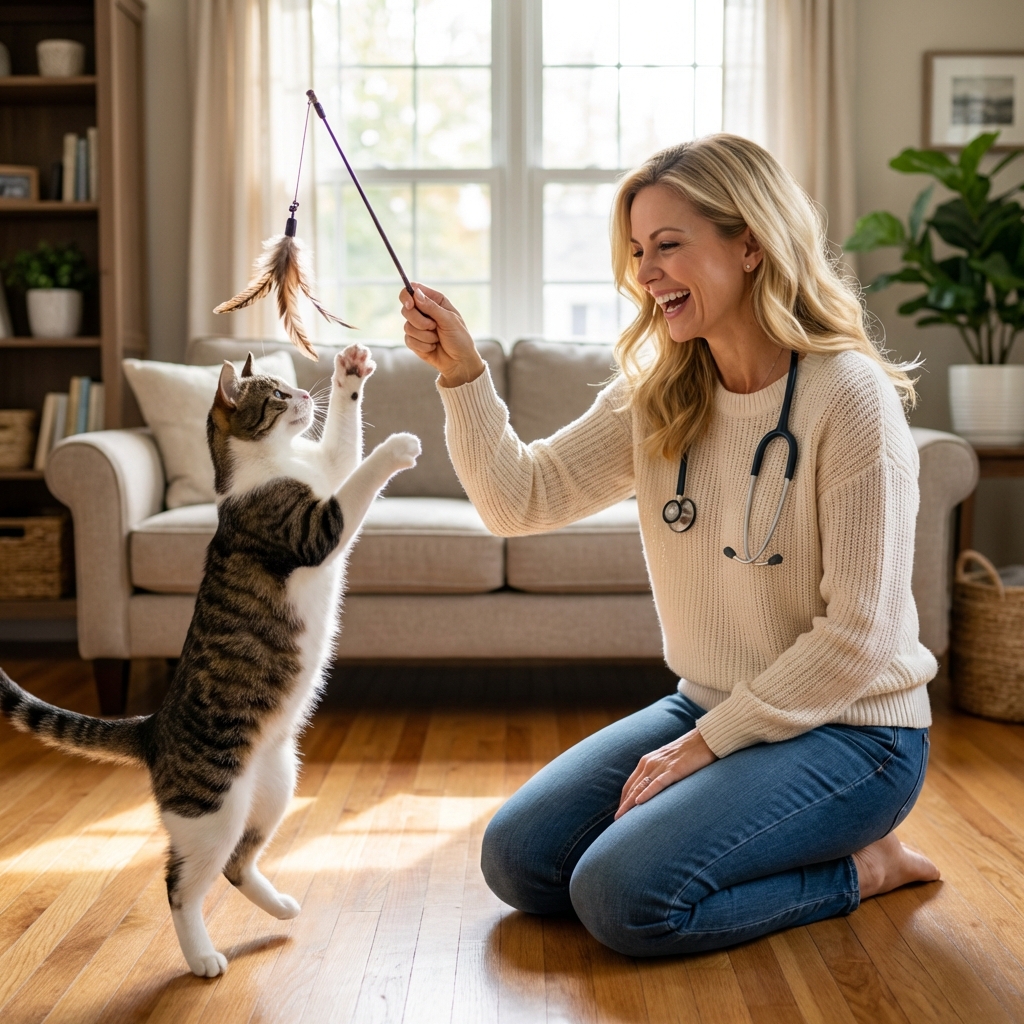
- Redirect to a kicker toy or wand toy (especially if your cat is getting bitey)
- If kneading is part of it, keep nails trimmed so it is more comfortable
How to respond
You do not have to tolerate licking if you do not enjoy it. You can respond kindly while still setting boundaries.
Step 1: Decide what you allow
If you love a quick lick, great. If you dislike it, it is okay to discourage it gently and consistently.
Step 2: Use calm redirection
- Offer a toy, wand teaser, or a kicker toy
- Move your hand away slowly and pause petting
- Reward calm behavior with gentle verbal praise or a treat
Step 3: Avoid rewarding licking
If licking is attention-seeking, big reactions can reinforce it. Keep your response low-key, then redirect to something appropriate.
Step 4: Add enrichment
Many cats lick more when they are bored. Helpful options include:
- Two to three short play sessions daily (5 to 10 minutes)
- Food puzzles or treat balls
- Cat-safe window perch for “cat TV”
- Scratching posts in multiple rooms
Fabric and hair licking
Some cats lick blankets, clothing, or hair instead of skin. Occasional fabric licking can be a comfort habit, but frequent wool sucking, chewing, or licking can overlap with stress behaviors or pica. If it is intense, new, or your cat is swallowing fabric, it is worth a vet visit and possibly a behavior consult.
Skin safety tips
Because cats may lick whatever is on you, try to keep these off areas your cat can access:
- Essential oils (many are unsafe for cats)
- Minoxidil hair products
- Medicated creams unless your veterinarian says it is safe
- Other topicals like retinoids, lidocaine products, steroid creams, and acne medications unless a professional confirms they are pet-safe
- Strongly fragranced lotions or products that cause your cat to drool or gag
If you suspect your cat licked something potentially toxic or you see drooling, vomiting, wobbliness, or lethargy, contact your veterinarian or an animal poison hotline right away (ASPCA Animal Poison Control or Pet Poison Helpline).
When to call your vet
Please reach out to your vet if:
- Licking behavior changes suddenly or becomes intense and repetitive
- Your cat is overgrooming with hair loss, scabs, or red skin
- You notice mouth pain signs like dropping food, pawing at the mouth, or bad breath
- There are major behavior changes with appetite or litter box habits
Sometimes the fix is as simple as treating itchy skin, fleas, dental pain, nausea, or addressing stress in the home. It is always worth checking when something feels “off.”
If your cat licking feels new, intense, or paired with other symptoms, trust your instincts. It is better to ask early than to wait and worry.
Quick answers
Is it okay to let my cat lick me?
For most healthy cats and people, occasional licking is fine. Avoid letting cats lick open wounds. If you are immunocompromised, it is safest to avoid saliva contact and check with your physician about what precautions make sense for you.
Do cats lick only people they like?
Often yes, but cats also lick for taste, attention, and comfort. Look for relaxed body language to confirm it is affectionate.
Why does my cat lick me at night?
Nighttime licking is commonly attention-seeking, comfort behavior, or a routine your cat has learned. A late play session and a small bedtime meal can help some cats settle.