Cats knead for comfort, scent marking, bonding, and sometimes stress relief. Learn what kneading means, how to read body language, and what to do if claws, b...
Article
•
Designer Mixes
Why Do Cats Knead?

Shari Shidate
Designer Mixes contributor
If you have ever looked over to see your cat rhythmically pressing their paws into a blanket, your lap, or your favorite sweater, you have witnessed kneading . A lot of people call it “making biscuits,” and honestly, it is one of the most endearing cat behaviors.
But kneading is not just cute. It is communication, comfort, and instinct all rolled into one. Let’s unpack the adorable truth behind why cats knead, what it can mean, and when (rarely) it can signal something you should address.
What is kneading?
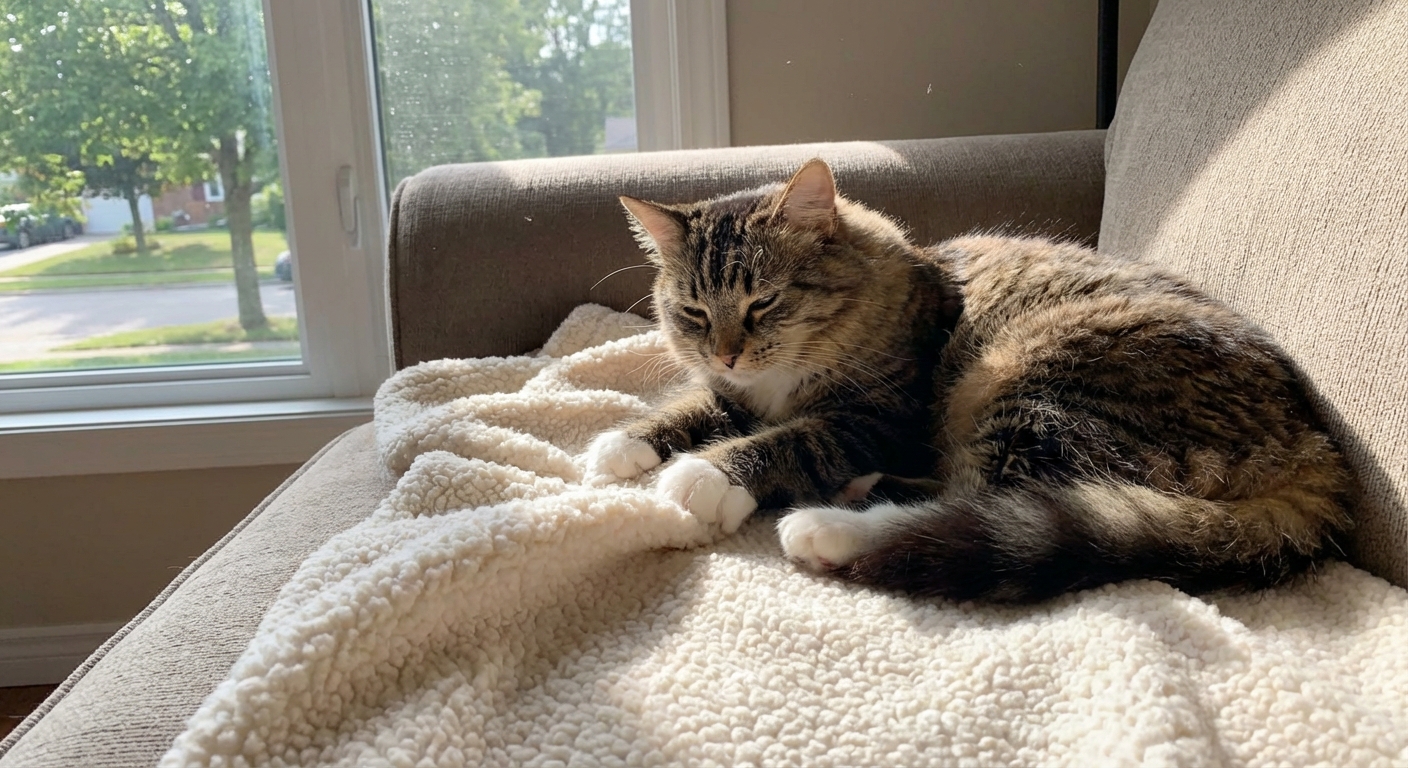
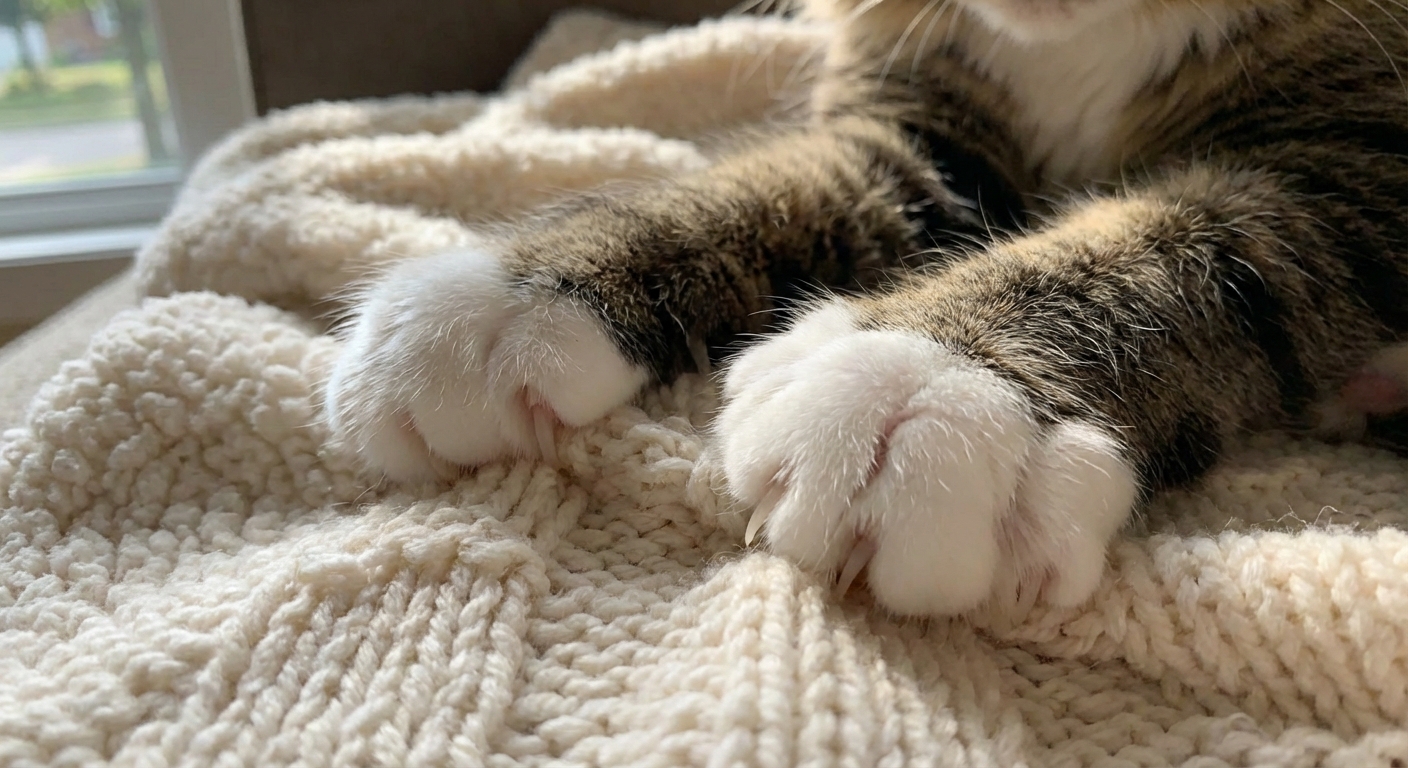
Kneading is when a cat alternates their front paws in a pressing motion, usually into something soft. Many cats purr while they do it. Some drool a little , close their eyes, or “zone out” like they are in total bliss.
Most cats knead with their front paws, but a few will use all four paws or even do a little “march” in place. The surface matters too. Cats usually choose something warm, plush, and familiar.
Top reasons cats knead
1) A kitten comfort habit
One leading theory is that kneading begins in kittenhood. Kittens knead their mother’s belly while nursing, and that motion is thought to help stimulate milk letdown. Over time, the behavior becomes linked with feeling secure, fed, and protected.
As adult cats, many keep the habit because it still triggers that same comfort response. This is why kneading is so common when your cat is sleepy, cuddly, or settling down for a nap.
2) Scent marking
Cats have scent glands in and around their paws (including between the toes). When they knead, they may deposit subtle scent markers onto the surface they are pressing. To us, it looks like affection. To them, it can also be a way to say, “This is mine. This is safe.”
If your cat kneads your lap, it often means you are part of their trusted “territory.” That is a compliment in cat language.
3) Making a comfy spot
Another common explanation is that kneading can be an instinctive “prep the bed” behavior. Cats may press down soft materials to create a stable, nest-like resting area before lying down.
It is also why many cats turn in circles before they flop down. They are arranging their little relaxation zone.
4) Relaxation and self-soothing
Kneading often shows up alongside purring and slow blinking , which usually signal contentment. (Quick note: purring can also happen with stress or pain, so it is best read in context with the rest of your cat’s body language .)
In behavior terms, kneading can be a self-soothing action. Some cats knead more when they are trying to calm themselves, especially during change, in new environments, or after excitement.
5) Bonding and hormones
Some cats knead more when they are feeling affectionate, especially toward a favorite person. Some owners of unspayed females also report increased kneading around heat cycles, but it is not considered a reliable, standalone sign of being in heat.
Is kneading a sign of love?
In many cases, yes. If your cat kneads you, purrs, leans in, or relaxes their body, those are strong signs of trust and affection.
That said, kneading is not always “love” in the human sense. Sometimes it is purely self-comforting. The good news is that either way, it usually means your cat feels secure in that moment, and you are part of what makes them feel that way.
Kneading with biting, licking, or drooling
These extra behaviors often ride along with kneading because they are also linked to comfort and early kitten memories.
- Kneading and drooling: Often a sign of deep relaxation. Some cats drool when they are extremely content.
- Kneading and licking: Your cat may be grooming you as a social bonding behavior .
- Kneading and gentle biting: Sometimes called “love bites.” It can happen when a cat gets overstimulated or intensely affectionate.
If biting is hard, frequent, or escalating, that is not something to ignore. It can be overstimulation, stress, or an unmet need . Your veterinarian can help rule out medical issues, and a veterinary behaviorist or qualified behavior professional can help with a plan if it is becoming a pattern.
Does kneading mean early weaning?
This is a popular idea online, but the truth is more nuanced. Some cats that were weaned early may knead and suckle on fabric more often, but many cats who were weaned normally knead throughout life too.
If your adult cat kneads and also suckles or chews blankets, talk with your veterinarian, especially if they are ingesting fibers. Fabric ingestion can lead to intestinal blockage, which is a true emergency.
When to worry
In most healthy cats, kneading is completely normal and typically a positive behavior.
Usually normal
- Kneading during cuddles, naps, or bedtime routines
- Purring, relaxed posture, soft eyes
- Kneading blankets, plush beds, or your lap
Worth a closer look
- Sudden increase in kneading combined with restlessness, hiding, or irritability
- Kneading paired with pain signs like flinching, vocalizing, limping, or avoiding jumping
- Compulsive kneading that seems frantic, constant, or hard to interrupt
- Fabric chewing or swallowing along with kneading
If your cat’s kneading looks “off” compared to their normal, or it comes with other changes in appetite, litter box habits, or mobility, a vet visit is a smart next step.
Stop scratches, keep the biscuits
Sometimes the biscuits come with needles. Here are gentle, cat-friendly ways to protect your skin while still letting your cat enjoy their ritual.
- Use a barrier: Place a thick blanket or pillow on your lap before cuddle time.
- Keep nails trimmed: Regular nail trims make a big difference. If you are unsure how, your vet clinic or groomer can help.
- Offer a kneading spot: Put a plush throw in your cat’s favorite area and reward them for using it.
- Redirect, do not punish: If it hurts, calmly end the interaction or set your cat next to you, then offer the blanket instead.
- Consider nail caps: Soft nail caps can reduce scratches for some cats. They are not for every cat or household, so ask your vet or groomer whether they are a good fit.
Declawing is not a recommended solution. It is a major surgical procedure that can lead to pain and long-term behavior issues. Nail trims, enrichment, and redirection are far safer options.
The takeaway
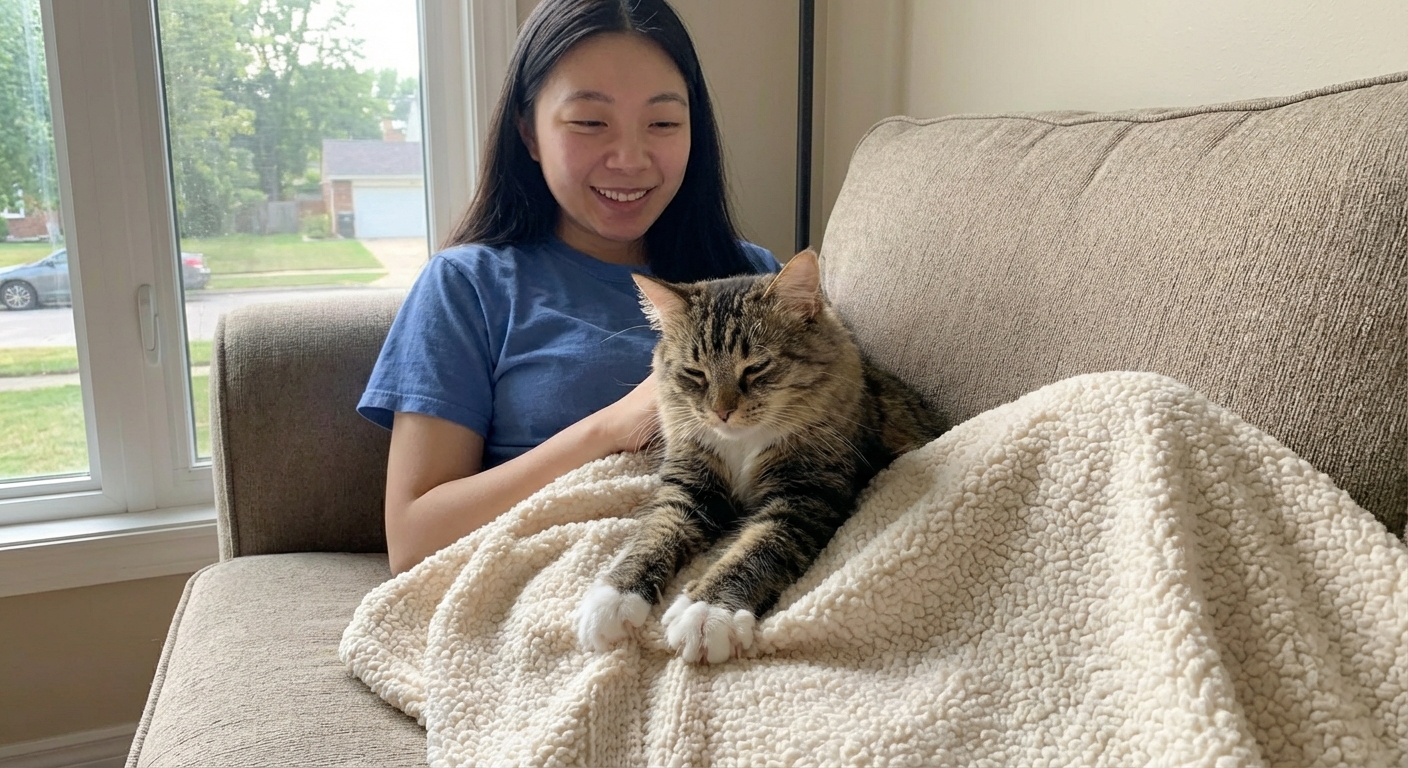
Kneading is one of those behaviors that reminds us cats are beautifully instinctual. It is tied to kittenhood, comfort, scent marking, and the simple act of settling into a safe place.
So the next time your cat starts making biscuits, you can smile knowing it usually means one thing: they feel secure. And in a cat’s world, that is a very big deal.