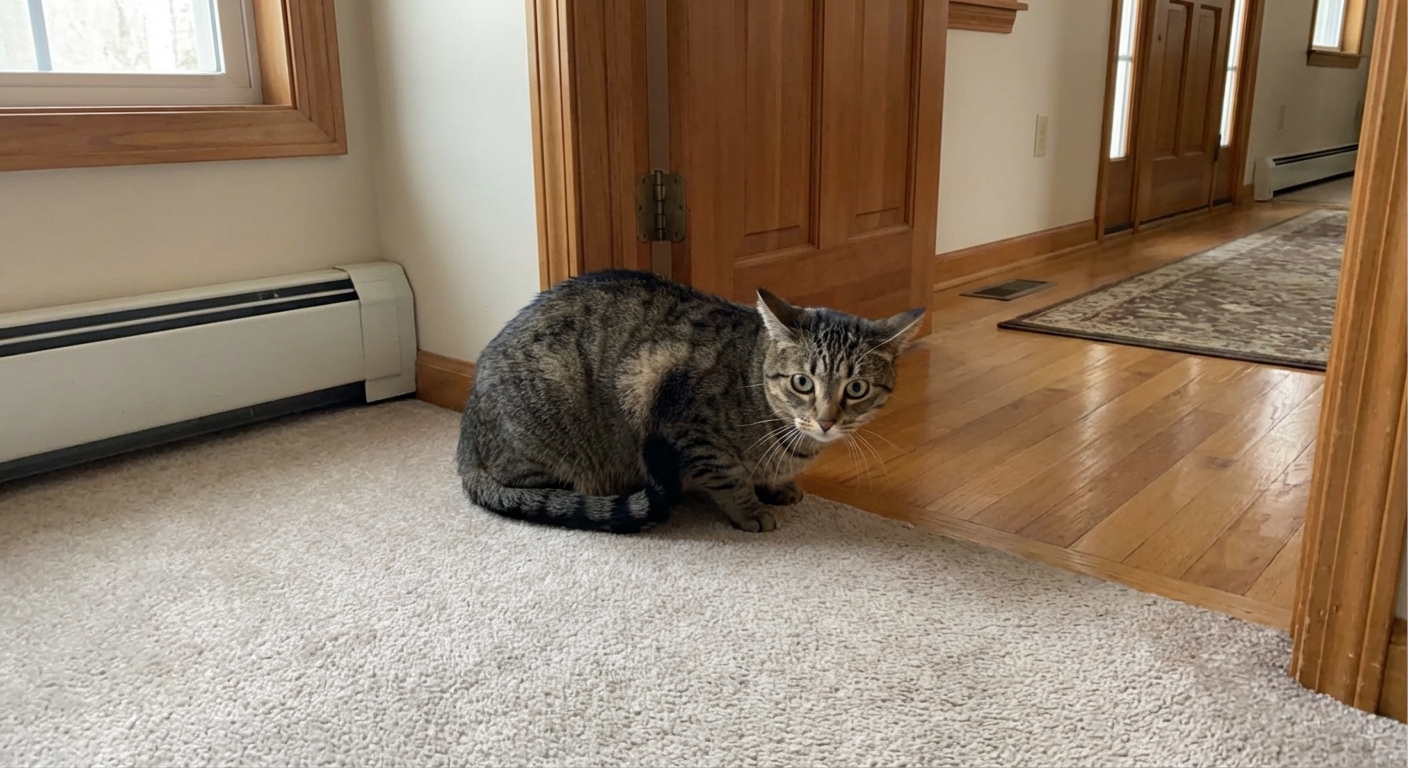
Sudden hissing, swatting, or biting is usually communication—not “bad behavior.” Learn the main types of cat aggression, how to spot triggers, de-escal...
Article
•
Designer Mixes
Why Do Cats Hiss?

Shari Shidate
Designer Mixes contributor
As a veterinary assistant, I like to remind cat parents of one simple truth: a hiss is communication, not “bad behavior.” In most cases, your cat is saying, “I’m scared,” “I’m overwhelmed,” or “Please give me space.” Understanding what’s behind the sound helps you respond in a way that keeps everyone safe and reduces stress for your cat.
What a hiss means
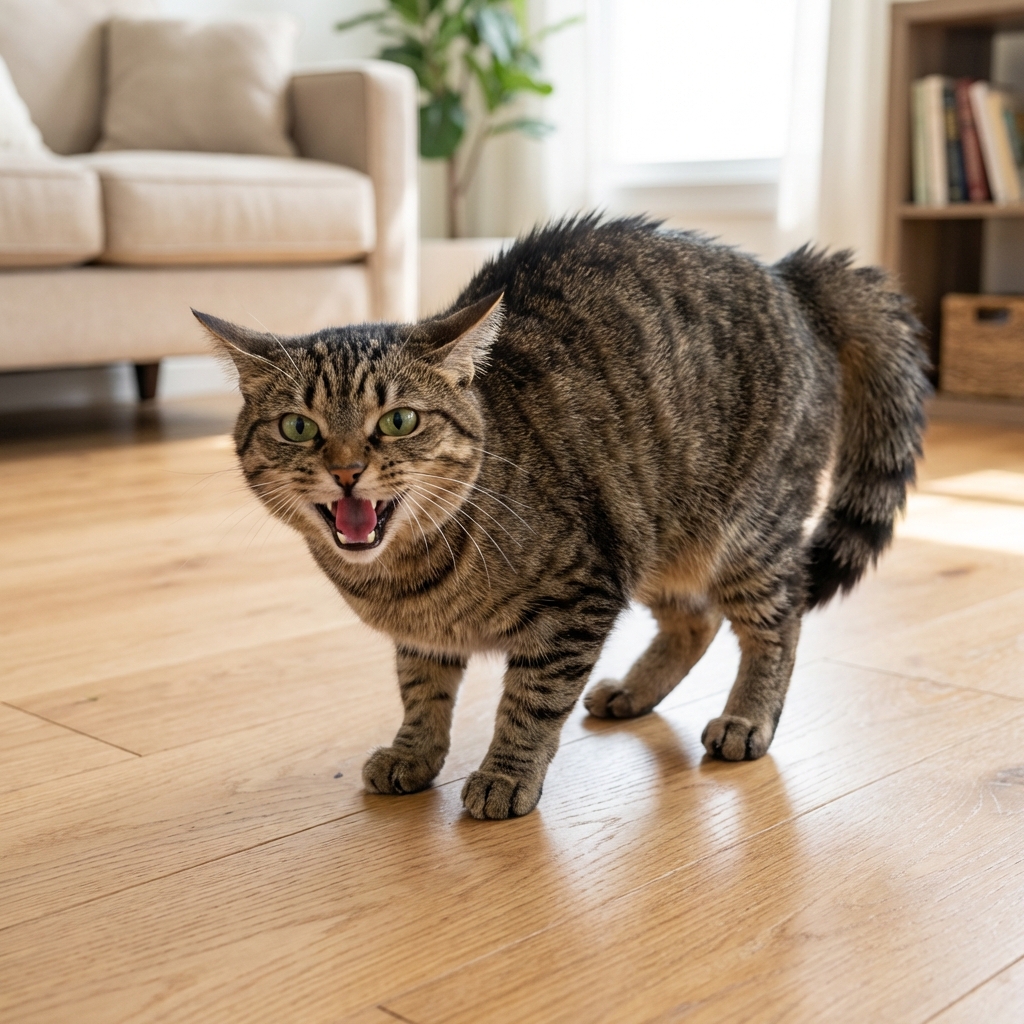
Hissing is a normal feline distance-increasing signal. Cats are both predators and prey, so when they feel threatened, their bodies switch into self-protection mode. A hiss is often a warning designed to stop an interaction before it becomes a fight.
Think of it as your cat setting a boundary. Many cats would rather avoid physical conflict, and the hiss is their way of asking for distance.
How the sound is made
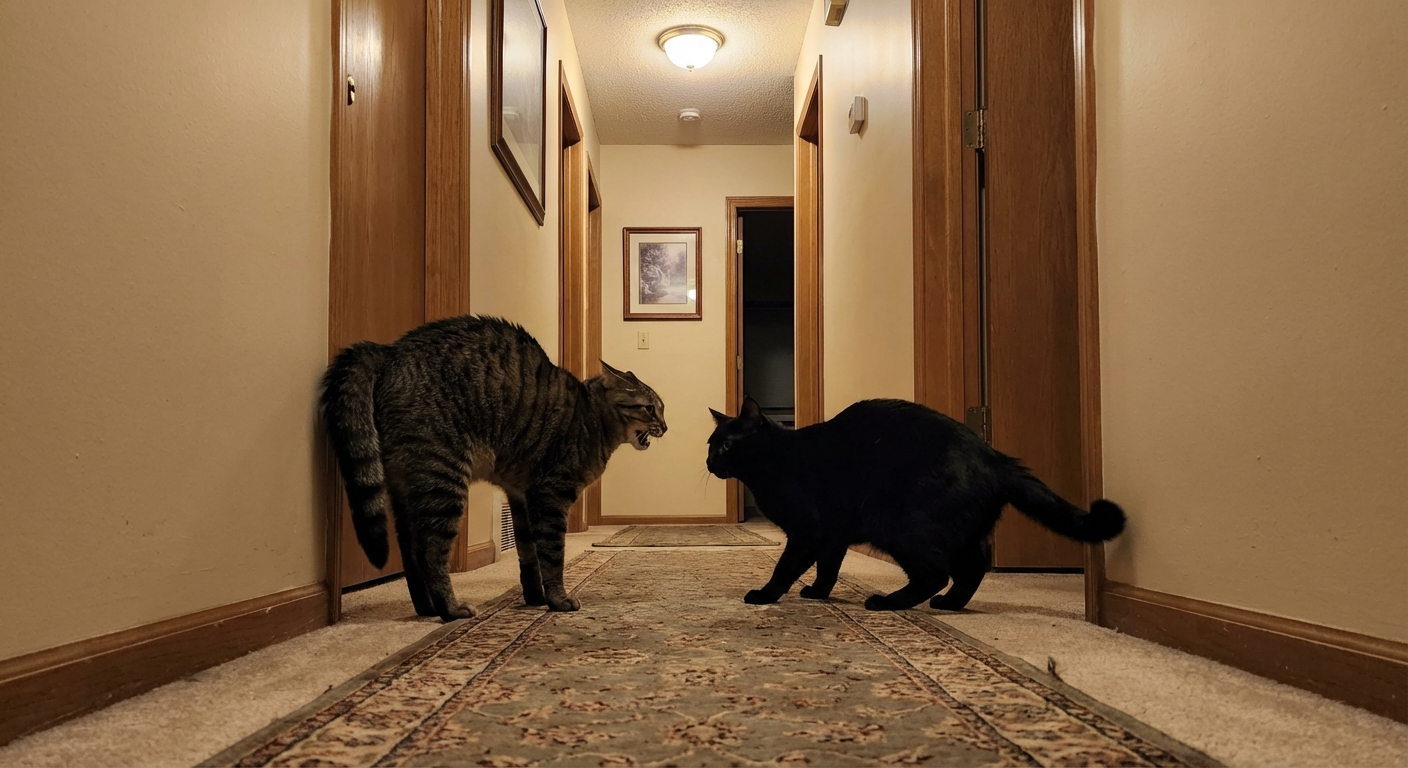
A hiss is a forceful exhale with the mouth open, creating turbulent airflow (often across the teeth) that makes a sharp, “snake-like” sound. The goal is to sound intimidating and buy time to escape. You may also notice other defensive body language at the same time, including:
- Ears turned sideways or pinned back
- Pupils dilated
- Body low to the ground or arched
- Piloerection (fur standing up)
- Tail puffed, tucked, or lashing
- Growling, spitting, or swatting
Common reasons cats hiss
Cats hiss for a variety of reasons, but they almost always boil down to fear, overstimulation, pain, or protection. Here are the most common triggers I see in real homes.
1) Fear and feeling cornered
If a cat can’t retreat, they may hiss to create space. This can happen when:
- A guest approaches too quickly
- A child follows or grabs at the cat
- A dog rushes into their safe area
- The cat is trapped in a carrier or small room
2) Pain or illness
A cat that suddenly starts hissing when touched may be hurting. Pain can make even the sweetest cat reactive. Common culprits include dental disease, arthritis, skin issues, an injured limb, urinary discomfort, or abdominal pain.
Important: If hissing is new, intense, or paired with hiding, decreased appetite, limping, vomiting, or litter box changes, it is worth scheduling a veterinary exam. Pain is a very common driver of defensive aggression.
3) Overstimulation during petting
Some cats love attention until they suddenly do not. Petting can build up sensory input, and once a cat crosses their threshold, they may hiss, whip around, or swat. Warning signs usually appear first, but they can be subtle:
- Skin twitching along the back
- Tail tip flicking faster
- Ears rotating back
- Sudden freeze or tense posture
If you see these, pause petting and let your cat decide whether to continue.
4) Territorial stress and multi-cat conflict
Cats are sensitive about space and resources. Hissing can occur when cats disagree about access to:
- Food and water stations
- Litter boxes
- Favorite napping spots
- Doorways and hallways
- Human attention
Even cats that used to get along can start hissing if something changes, such as moving homes, adding a new pet, or a schedule shift.
Other common triggers
Not all hissing is about a person or another cat in the moment. Sometimes it is about stress, surprise, or handling.
Handling and grooming
Nail trims, brushing mats, giving medication, or being picked up when they are not ready can lead to hissing, especially if your cat has learned those routines predict something unpleasant.
Vet visits and unfamiliar scents
Carriers, car rides, and veterinary clinics can be overwhelming. New smells also matter. A cat may hiss at a housemate who “smells like the vet” or like a strange animal after a visit.
Redirected aggression
This one surprises many people. A cat may see an outdoor cat through the window, hear a loud noise, or get startled, then hiss or lash out at the nearest person or pet. It is not personal. It is stress spilling over.
Defensive vs. offensive
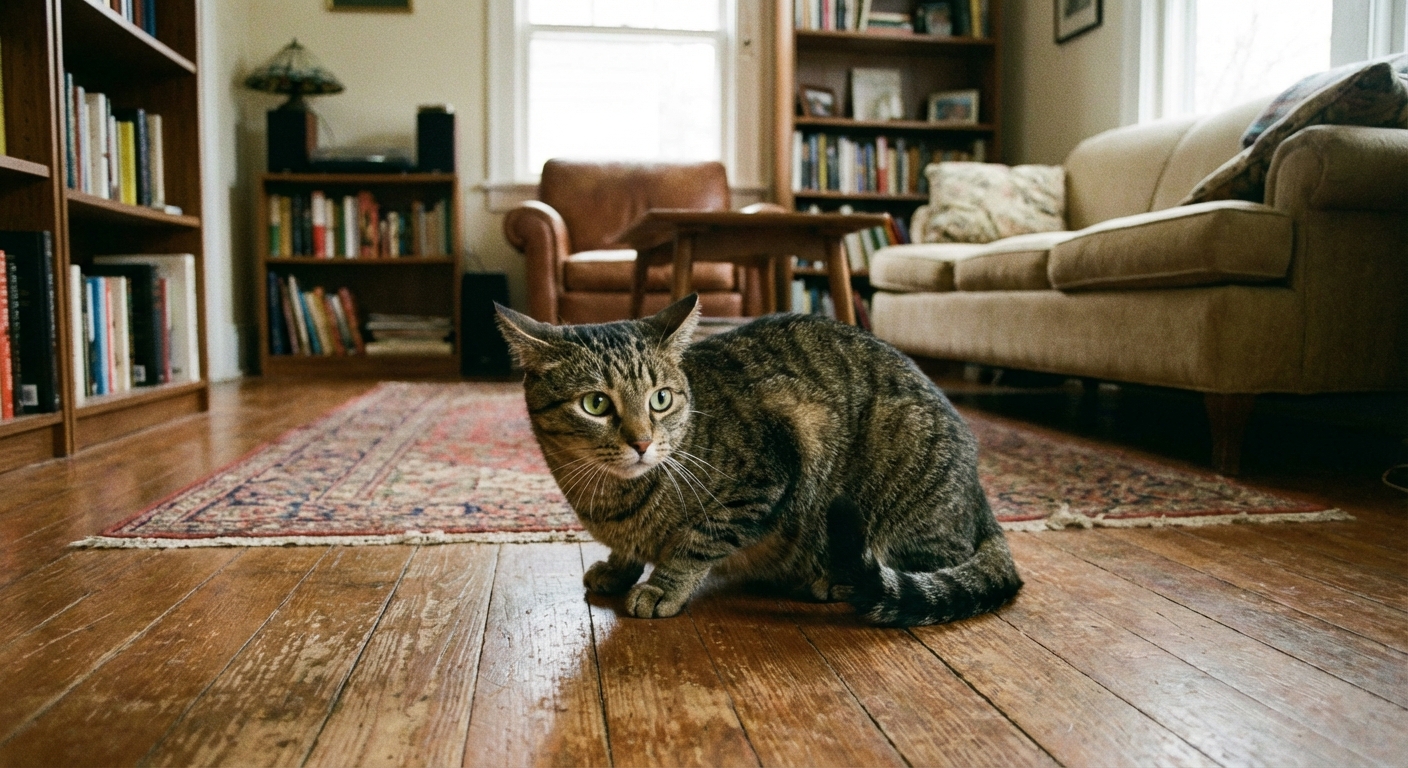
Hissing is most commonly linked with defensive aggression, meaning the cat is trying to increase distance from something they perceive as a threat. The cat is often tense, low, and ready to bolt.
Offensive aggression is less common and can look different. The cat may stalk forward, stare, and appear more confident or intent on approaching.
Real life is not always neat, though. Many situations are mixed, and a frightened cat can hiss while advancing if they feel there is no safe way to retreat.
Signs your cat is defensive
- They back away, hide, or try to escape
- Their body looks “small” or crouched
- They hiss when you get close, especially if they are cornered
Signs things are escalating
- Your cat cannot retreat (blocked exits)
- They are staring, stiff, and not blinking
- Growling deepens or becomes continuous
- Swats may occur with little warning (or with very subtle warnings)
What to do when your cat hisses
Your response in the next few moments matters. The goal is to reduce pressure, increase safety, and help your cat feel in control again.
In the moment
- Stop and give space. Do not lean in, reach, or try to “comfort” with more touching.
- Stay quiet and slow. Fast movement and loud voices can raise fear.
- Create an escape route. Step aside so your cat can leave without passing you.
- Separate pets calmly. If two cats are involved, use a barrier like a door or baby gate. Avoid grabbing a hissing cat with bare hands.
- Use safe tools if needed. To interrupt a brewing fight, place a piece of cardboard between cats, gently drop a towel or blanket near (not on) them to create a visual break, or make a brief noise from a distance. Prioritize separating, not “teaching a lesson.”
- Do not punish. Yelling or spraying water can increase anxiety and worsen future reactions.
After things calm down
- Identify the trigger. What changed right before the hiss? A new person, a loud sound, a window visitor, handling, or a new scent can all be clues.
- Adjust the environment. Add more hiding spots, vertical perches, and separate resources.
- Use positive reinforcement. Reward calm behavior at a safe distance from the trigger with treats or play.
If your cat hisses, they are telling you they have hit their limit. Respecting that boundary builds trust faster than trying to push through.
One note on limits: general behavior tips are helpful, but they cannot replace care from your veterinarian or a qualified feline behavior professional, especially if someone is getting hurt or the pattern is worsening.
Prevention at home
Many hissing episodes become less frequent when we support a cat’s need for predictability, safe spaces, and control.
Easy upgrades
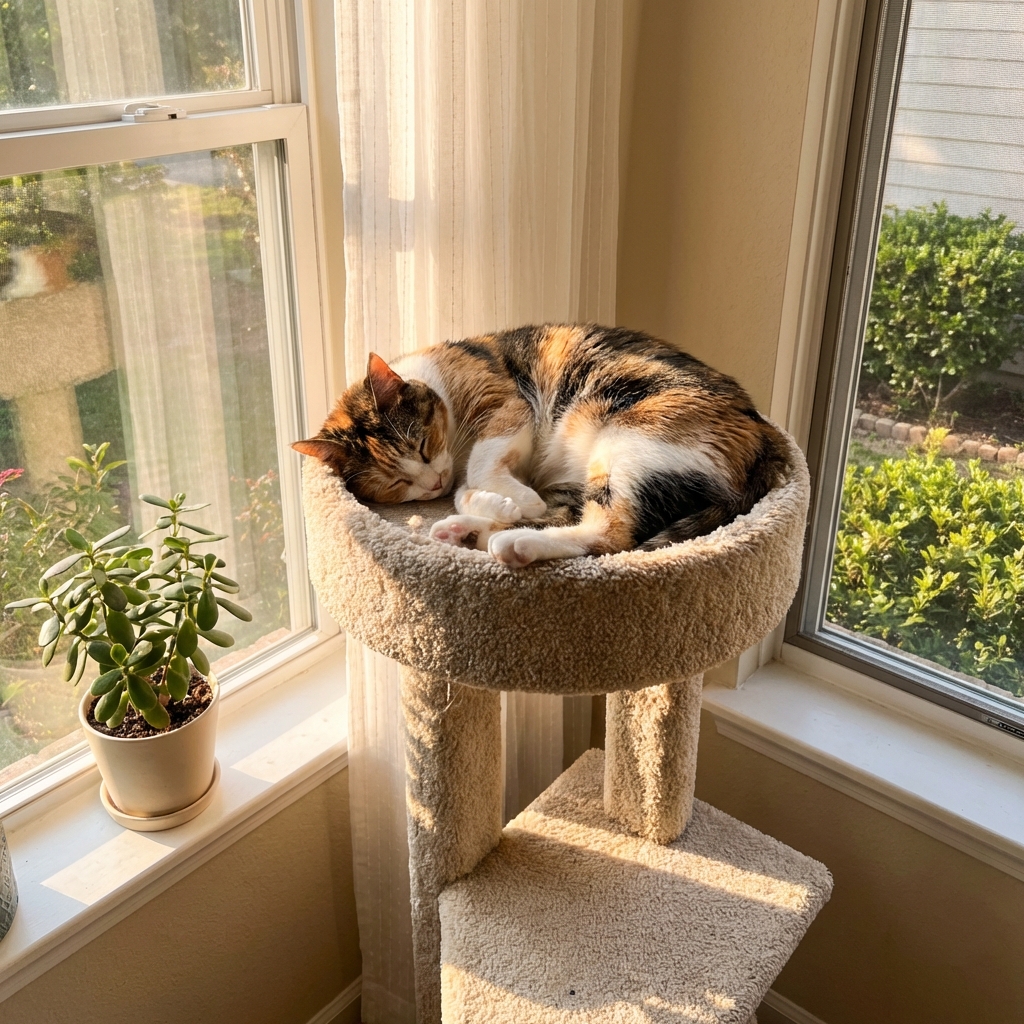
- Vertical space: cat trees, shelves, or window perches help cats avoid conflict.
- Resource spacing: separate food, water, and litter areas so no one has to guard them.
- Litter box tip: many behavior pros recommend one box per cat, plus one extra, in different locations.
- Quiet zones: a room or corner where kids and dogs do not follow.
- Routine: consistent feeding and play times reduce anxiety.
- Pheromone support: synthetic feline facial pheromone diffusers or sprays may help some cats feel more secure, especially during transitions.
For multi-cat homes, slow introductions and reintroductions matter. If conflict is ongoing, consider working with your veterinarian and a qualified feline behavior professional.
When to call the vet
Hissing is normal, but persistent or sudden changes deserve a closer look. Contact your veterinarian if:
- Your cat starts hissing out of the blue, especially when touched
- There are signs of pain or illness (limping, hiding, appetite changes, vomiting, litter box issues)
- Aggression is escalating in intensity or frequency
- There are bite wounds from cat fights, even small punctures
Cat bites and scratches can become infected or form abscesses quickly, and some punctures seal over and look minor while the tissue underneath is not. Prompt veterinary care is the safest choice.
Medical problems and pain can drive behavior changes, and treating the underlying issue often improves temperament.
Takeaway
Cats hiss to protect themselves, not to be “mean.” When you treat the hiss as useful information, you can respond calmly, reduce triggers, and help your cat feel safe again. And if the hissing is new, intense, or paired with other changes, a vet visit is a smart next step to rule out pain or illness.