Indoor cats thrive with choice and stimulation. Learn a simple daily plan with play sessions, vertical space, food enrichment, scratching setup, litter box t...
Article
•
Designer Mixes
Why Do Cats Chase Their Tails?

Shari Shidate
Designer Mixes contributor
Tail chasing can be completely normal cat behavior, or it can be your cat’s way of saying, “Something is not right.” As a veterinary assistant, I like to look at context: how often it happens, how intense it is, and whether your cat seems comfortable or distressed.
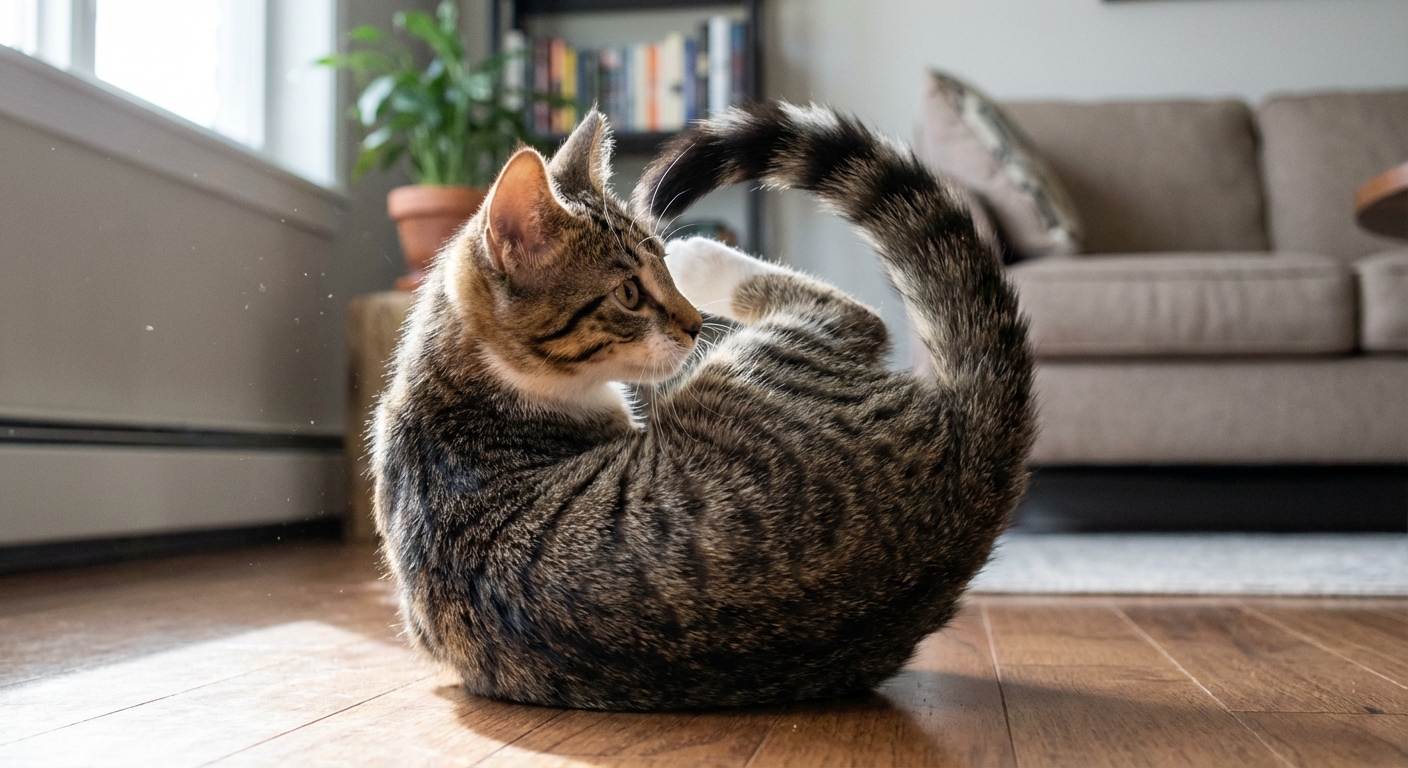
Below, we’ll sort tail chasing into two buckets: playful behavior you can manage at home, and medical or stress-related issues that deserve a closer look.
When tail chasing is normal
Many cats chase their tails for the same reason they pounce on a shoelace: it moves, it’s interesting, and it triggers their natural hunting instincts. This is especially common in kittens and young cats with lots of energy. Some cats do brief bursts as kittens and grow out of it as they mature.
Common harmless reasons
- Play and practice hunting: The tail flicks like prey, and your cat “tests” their coordination.
- Boredom: Indoor cats often invent their own entertainment if they are under-stimulated.
- Overexcitement: After zoomies, a cat may suddenly spin and grab at their tail.
- Attention seeking: If tail chasing makes you react quickly, some cats repeat it.
Signs it is likely just play
- It happens occasionally and stops easily when you redirect them.
- Your cat’s ears and body look relaxed, not tense or panicked.
- No hair loss, scabs, swelling, or sensitivity around the tail.
- No sudden change in overall behavior, appetite, or litter box habits.
If your cat is otherwise healthy and the behavior is mild, think of tail chasing as a cue that your cat needs more appropriate “hunt and catch” outlets.
How to handle playful tail chasing
You do not need to “correct” your cat. You want to replace tail chasing with a better activity that meets the same need.

Simple ways to redirect
- Schedule two short play sessions daily: 10 to 15 minutes of wand toy play can make a big difference.
- Use prey-like movement: Move the toy away from your cat and let them stalk, chase, and “catch.”
- End with a reward: Offer a small treat or meal after play to complete the hunt cycle.
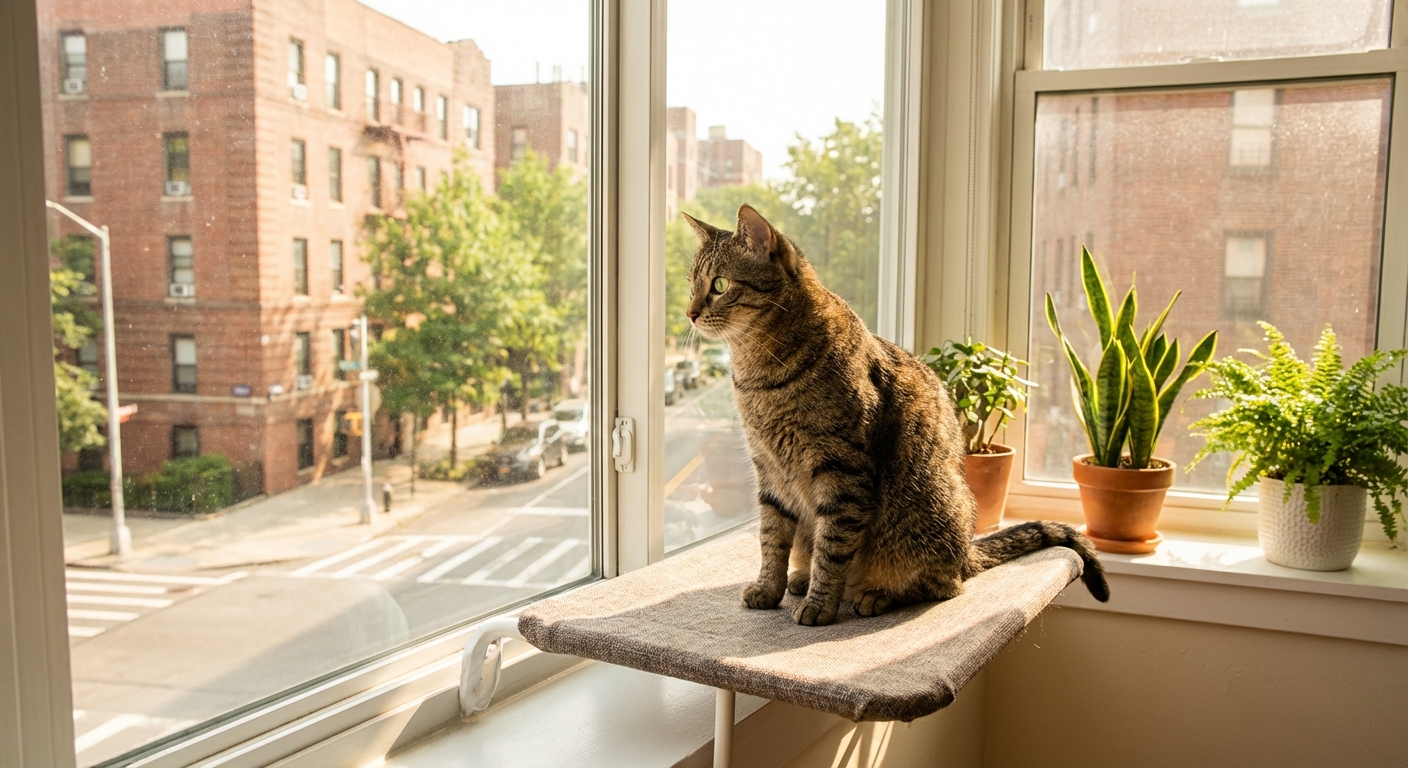
- Add enrichment: Puzzle feeders, window perches, rotating toys, and supervised bird videos can reduce boredom. If videos seem to frustrate your cat, skip them and offer more interactive play instead.
- Avoid using hands or feet as toys: It can increase over-arousal and nippy behavior.
Tip from the clinic: if you notice tail chasing at a predictable time (like evenings), plan playtime right before that “witching hour.”
When it may be medical
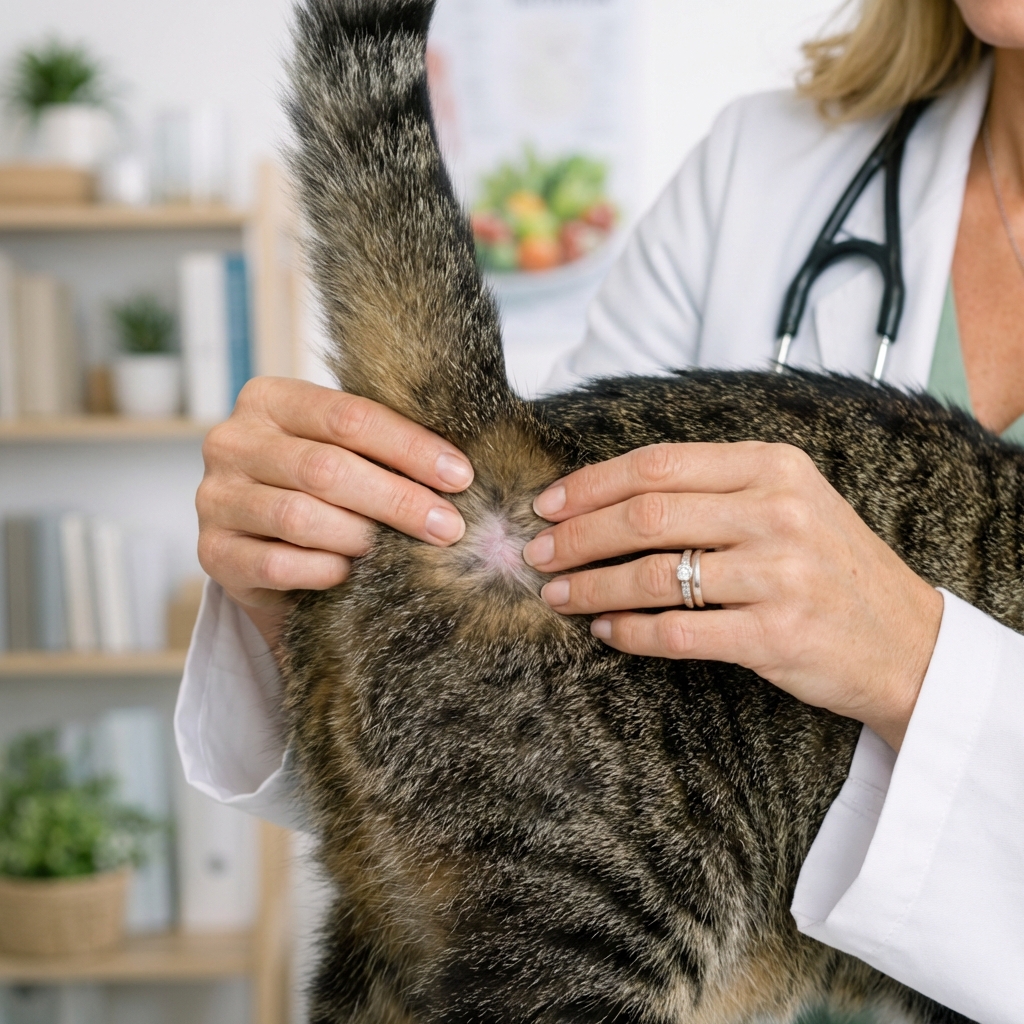
If this behavior becomes frequent, frantic, or leads to biting hard enough to cause wounds, it is time to consider discomfort, skin disease, or neurologic causes. Cats are masters at hiding pain, so behavior changes matter.
Possible health causes
- Fleas or flea allergy dermatitis: In allergic cats, even a bite or two can be enough to trigger intense itching, often near the base of the tail.
- Skin infection or parasites: Mites, ringworm, or bacterial skin infections can cause skin irritation. Ringworm is not always very itchy, so watch for hair loss, scaling, or circular lesions.
- Anal gland discomfort: Uncommon in cats, but possible. You may also see scooting, a strong odor, or excessive licking under the tail.
- Allergies: Environmental or food-related allergies can show up as itchy skin and self-trauma.
- Supracaudal gland issues (stud tail): Some cats develop greasy, matted fur or a waxy look and odor at the tail base, sometimes with irritation.
- Hyperesthesia syndrome: Some cats have episodes where the skin ripples on the back, they act startled, and they may chase or bite the tail. It can look dramatic, and a veterinarian will typically rule out skin pain, parasites, and other neurologic problems first.
- Pain in the tail or spine: Injury, arthritis, or nerve pain can make cats fixate on the tail area.
Red flags for a vet visit
- Sudden onset in an adult cat who never did it before.
- Hair loss, scabs, redness, swelling, or bleeding on the tail or rump.
- Yowling, hissing, or acting panicked during episodes.
- This behavior that wakes your cat from sleep or happens many times a day.
- Litter box changes, hiding, decreased appetite, or sensitivity when touched.
- Any self-injury from biting.
- Urgent signs: A limp or drooping tail, inability to lift the tail, trouble walking, or accidents (urine or stool leakage). These can suggest a tail or spine injury and should be checked promptly.
If you are unsure, record a short video of an episode. Videos are incredibly helpful for your veterinary team, especially when the behavior does not happen on command in the exam room.
Safety note: if your cat seems panicked or is biting hard, avoid grabbing them or reaching for the tail. Use a calm distraction (toss a treat, use a toy, or gently create space) and call your veterinarian.
Play vs stress habits
Sometimes tail chasing is not about itchiness at all. It can be a stress response or a compulsive behavior that becomes self-reinforcing over time.
Stress triggers to consider
- A new pet, baby, roommate, or change in routine.
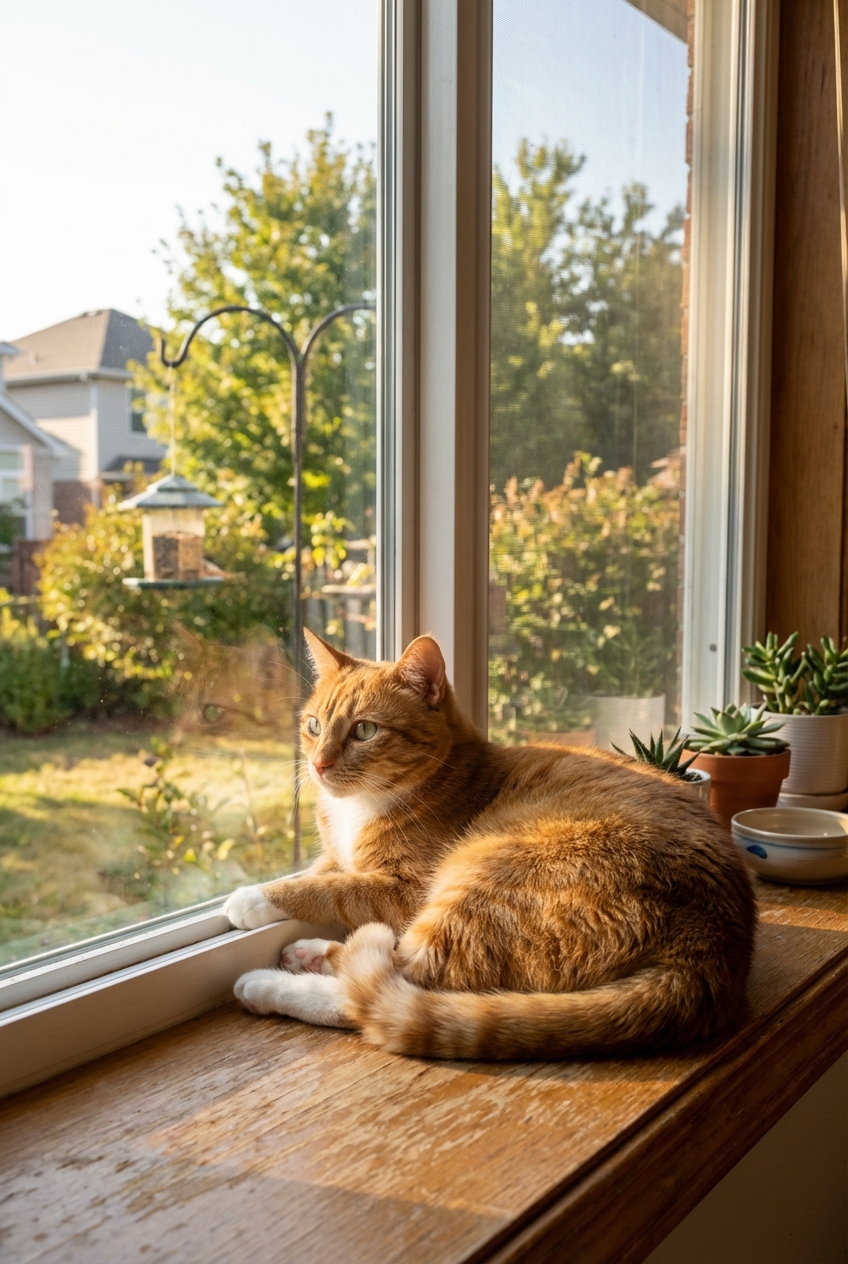
- Outdoor cats visible through windows, which can create frustration.
- Not enough resources in multi-cat homes (litter boxes, resting spots, food stations).
- Noise, construction, or frequent visitors.
Supportive steps at home
- Increase predictability: Feed and play on a schedule.
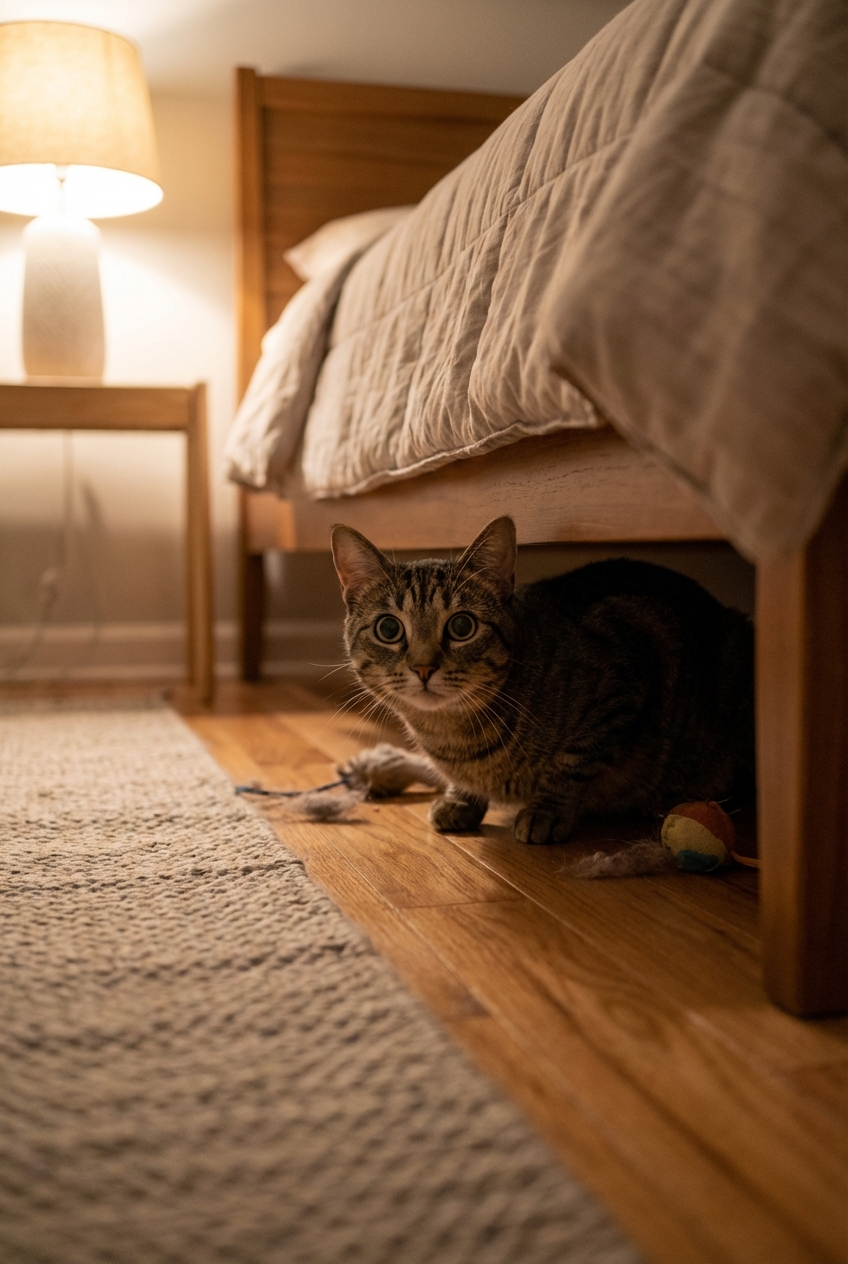
- Create safe zones: Provide vertical spaces, hideaways, and quiet rooms.
- Improve litter box setup: A common guideline is one box per cat plus one extra, placed in different locations.
- Ask your vet about calming options: Pheromone diffusers and behavior plans can help, especially when paired with medical evaluation.
It is important not to punish your cat for this behavior. Punishment can raise anxiety and make it worse. Calm redirection and meeting your cat’s needs works better and supports trust.
What the vet may check
In clinic, we typically start with a physical exam and a close look at the skin near the tail base. Depending on what we find, your veterinarian may recommend:
- Flea combing and a discussion of consistent flea prevention, even for indoor cats.
- Skin tests (like tape prep, skin scraping, or fungal testing) if infection or parasites are suspected.
- Evaluation for pain or neurologic issues if your cat reacts strongly to touch, has a limp tail, or has abnormal tail movement.
- Diet trial guidance if allergies are on the list of possibilities.
- Behavior support if compulsive behavior or hyperesthesia is suspected.
Trust your instincts. If your cat’s tail chasing looks frantic, painful, or new, you are not overreacting by calling your vet.
Quick checklist
- Occasional and easy to interrupt? Increase play and enrichment.
- Focused on tail base with licking or chewing? Think fleas, allergies, skin discomfort, or stud tail changes.
- Sudden change, distress, or self-injury? Schedule a veterinary exam soon.
- Episodes with rippling skin or extreme sensitivity? Ask your vet about hyperesthesia and pain causes (and what to rule out first).
- Limp tail, weakness, or accidents? Seek veterinary care promptly.
Your goal is simple: keep this behavior from becoming a habit, and catch medical issues early when they are easier to treat.