
A vet assistant’s practical guide to chocolate poisoning in dogs: why it’s toxic, which chocolates are most dangerous, symptom timing, emergency steps, a...
Article
•
Designer Mixes
Why Chocolate Is Bad for Dogs

Shari Shidate
Designer Mixes contributor
Chocolate is one of those treats that feels harmless because it is so normal in our homes. But for dogs, chocolate can be a true medical emergency. As a veterinary assistant here in Frisco, Texas, I have seen how quickly things can go from “he just grabbed a brownie” to “we need to treat this right now.”
This quick guide will help you understand why chocolate is dangerous, what signs to watch for, and exactly what to do if your dog gets into it.
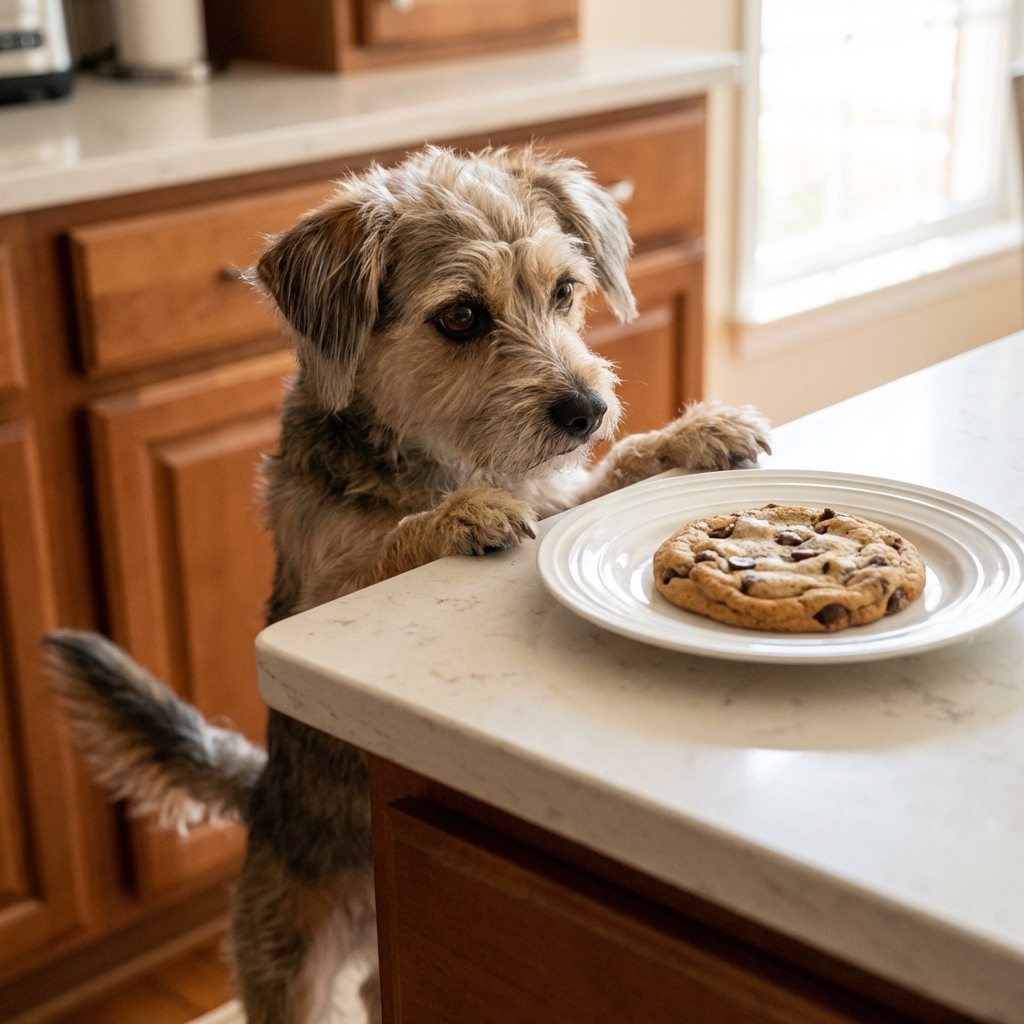
What makes chocolate toxic?
Chocolate contains two stimulants that dogs process very differently than humans do:
- Theobromine
- Caffeine
Dogs break these down slowly, so the chemicals can build up to unsafe levels. The biggest concerns are effects on the heart, nervous system, and digestive tract.
Risk depends on the type of chocolate, the amount eaten, and your dog’s weight and sensitivity. This is why your vet or a poison hotline may talk in terms of “dose” (mg/kg of theobromine) when deciding what to do.
Which chocolate is the worst?
In general, the darker and more concentrated the chocolate, the more theobromine it contains.
- Most dangerous: cocoa powder, baking chocolate
- Very dangerous: dark chocolate, bittersweet chocolate
- Still risky: milk chocolate
- Lowest theobromine: white chocolate (still not safe because it is high in fat and sugar and may cause stomach upset and, in some dogs, may increase pancreatitis risk)
Important: Many “chocolate” foods also include other dog-toxic ingredients like xylitol (also called birch sugar), macadamia nuts, raisins, or high-fat dairy. That combination can make a bad situation worse.
Also keep in mind the non-food hazards. Wrappers, foil, and plastic packaging can cause choking or an intestinal blockage, especially in fast eaters.

How much is too much?
There is no single “safe” amount because dogs vary, and the type of chocolate matters a lot. A large dog might handle a tiny amount of milk chocolate with mild stomach upset, while a small dog can become seriously ill from what looks like a small portion of dark chocolate.
Here is the most practical rule:
If your dog ate any amount of baking chocolate or cocoa powder, or a significant portion of dark chocolate, call for help right away. Toxicity is dose-dependent, but these products are so concentrated that even small exposures can be serious, especially for small dogs.
If you are unsure, call your veterinarian, an emergency clinic, or a pet poison hotline. It is always better to ask early while treatment options are simplest.
Signs of chocolate poisoning
Symptoms often start within 2 to 12 hours, but they can take longer depending on what was eaten. Some signs can also last a while because theobromine hangs around in the body.
Watch closely for:
- Vomiting and diarrhea
- Restlessness, hyperactivity, pacing
- Increased thirst or urination
- Rapid breathing or panting
- Fast heart rate
- Tremors, muscle twitching
- Seizures
- Collapse (a true emergency)
Even if your dog seems fine at first, toxicity can build as theobromine is absorbed. That is why calling early matters.
What to do right now
1) Remove access and gather info
Move your dog away from any remaining chocolate. If possible, find out:
- What type of chocolate it was (milk, dark, baking, cocoa powder)
- How much was eaten (ounces, number of squares, percentage cacao)
- Your dog’s weight
- When it happened
- Whether any wrappers, foil, or plastic were swallowed
If you can, bring the packaging or take a photo of the label. If you are not sure how much was eaten, estimate the maximum possible amount.
2) Call a vet or poison hotline
Call your veterinarian or a local emergency clinic immediately. If you cannot reach them, contact a pet poison hotline such as ASPCA Animal Poison Control or Pet Poison Helpline. Fees may apply, but they can calculate risk based on your dog’s weight and the chocolate type and guide you step by step.
3) Do not try home remedies
Please avoid giving salt, oil, milk, or other DIY “fixes.” Also do not force vomiting unless your veterinarian specifically tells you to.
Inducing vomiting is time-sensitive and not safe for every dog, especially if your dog is already showing symptoms (like tremors, weakness, or seizures) or is a flat-faced breed that is at higher risk of aspiration.
4) Expect supportive care if needed
Depending on the situation, treatment may include:
- Decontamination (like inducing vomiting soon after ingestion, if appropriate)
- Activated charcoal to reduce absorption
- IV fluids
- Medications to control heart rate, nausea, or tremors
- Monitoring, sometimes hospitalization
The goal is to keep your dog stable while their body clears the toxins.
Prevention tips
- Store chocolate up high or in a closed pantry. Dogs are surprisingly talented climbers when brownies are involved.
- Use a lidded trash can. Wrappers and cocoa powder containers in the trash are common trouble.
- Be extra cautious on holidays like Halloween, Christmas, Easter, and Valentine’s Day.
- Teach “leave it” and reward it generously. It is one of the most helpful safety cues you can train.
- Keep baked goods secured. Brownies and cookies can hide extra hazards like raisins or nuts, plus the fats can be rough on a dog’s stomach.
- Offer dog-safe treats so your pup still gets to join the fun.
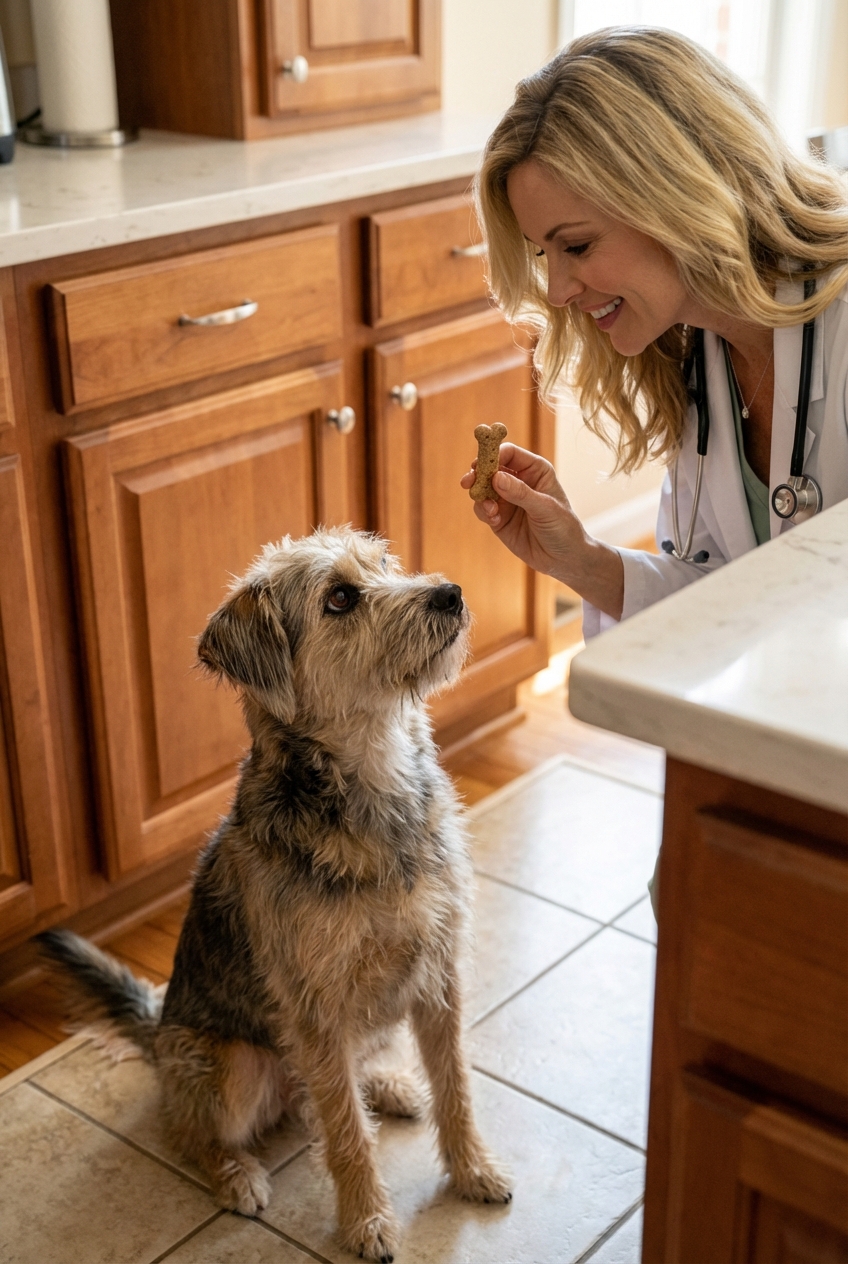
Dog-safe alternatives
If you want a “chocolate-like” moment, look for carob treats made for dogs. Carob does not contain theobromine like cocoa does.
Other simple options include:
- Frozen banana slices (small portions)
- Plain pumpkin puree in a lick mat
- A spoonful of plain yogurt if your dog tolerates dairy
- Single-ingredient treats like freeze-dried chicken
When in doubt, keep it boring and simple. Simple is usually safest for dog stomachs.
Quick takeaway
Chocolate is bad for dogs because it contains theobromine and caffeine, which can overstimulate the heart and nervous system. Dark and baking chocolate are the biggest dangers. If your dog eats chocolate, call your vet, an emergency clinic, or a pet poison hotline right away with the type, amount, timing, and your dog’s weight.
You are not “overreacting” by asking for help. Quick action can make a huge difference.