Cats don’t pee on the bed out of spite. Learn how to tell urine vs spraying, rule out FLUTD/UTIs, improve litter box setup, reduce stress, and clean properly.
Article
•
Designer Mixes
Why Cats Urinate on Furniture

Shari Shidate
Designer Mixes contributor
What it means when a cat pees on furniture
When a cat urinates on a couch, bed, or favorite chair, it is rarely “spite”. In clinic, we treat this as a medical or behavioral red flag. Furniture is soft, absorbent, and holds scent well, so it can become a target when a cat is uncomfortable, stressed, or trying to communicate.
The most important first step is separating two very different problems:
- Inappropriate urination: the cat squats and leaves a normal-sized puddle. This often points to litter box aversion, stress, or a medical issue like bladder pain.
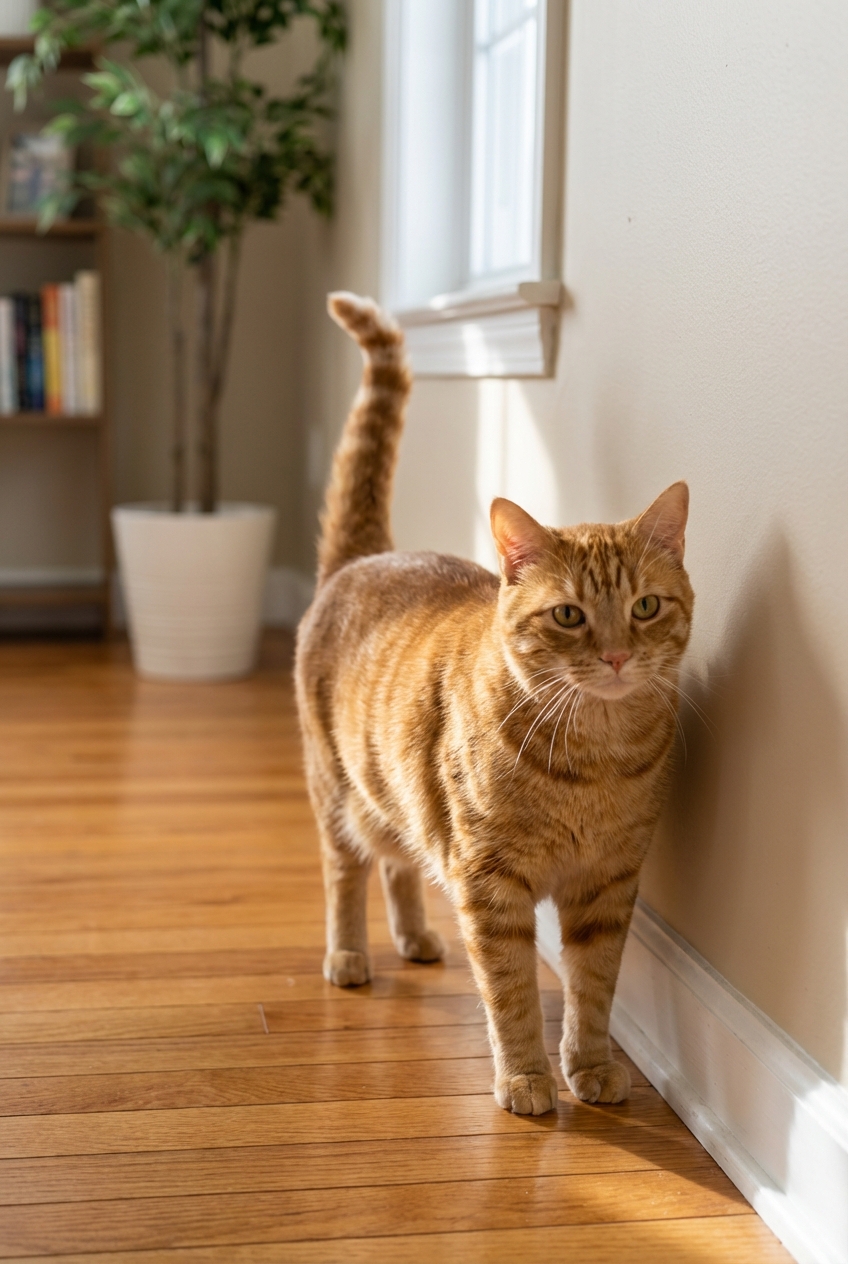
- Urine marking: the cat usually stands, tail up and quivering, and sprays a smaller amount on vertical surfaces. This is more tied to territory and social stress.
Medical causes (rule these out first)
If your cat suddenly starts peeing on furniture, assume there could be pain or urgency until proven otherwise. Many cats with urinary discomfort still act “mostly normal,” so waiting it out can backfire.
FLUTD
Feline lower urinary tract disease (FLUTD) is an umbrella term for problems that cause lower urinary tract irritation and signs like frequent urination, straining, blood in urine, and accidents. When peeing hurts, some cats start associating the litter box with pain and choose a softer surface like a bed or couch instead.
UTI
True bacterial urinary tract infections are more common in older cats and cats with other health issues. When present, they can cause frequent urination, accidents, and straining.
Stones and plugs
Bladder stones and urethral plugs can cause irritation, blood in the urine, urgency, and repeated small urinations. Crystals may show up on a urinalysis without causing symptoms, but in the wrong context they can contribute to inflammation or blockage risk, especially in male cats.
Arthritis and mobility issues
Senior cats may avoid climbing into a high-sided box or walking to a box that is far away. The couch can become the closest option.
Kidney disease, diabetes, and high urine volume
When a cat drinks more and urinates more, accidents become more likely, especially if litter boxes are limited, hard to access, or not kept very clean.
Other pain or discomfort
Sometimes litter box problems are the only visible sign of discomfort elsewhere, such as constipation, orthopedic pain, or other conditions that make getting to the box unpleasant.
When it is an emergency
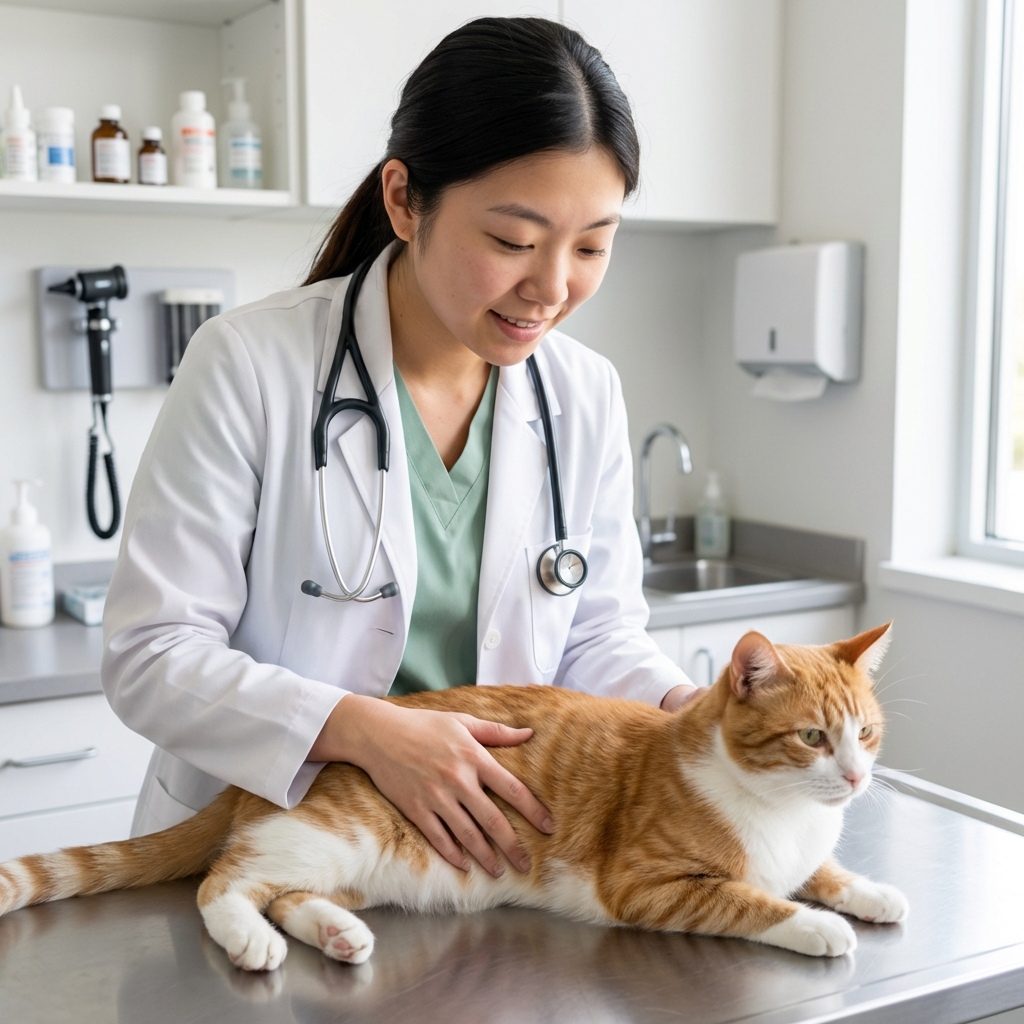
Go to an emergency vet right away if your cat is straining with little or no urine produced, crying in the box, vomiting, acting weak, or hiding. A urinary blockage is life-threatening, especially in male cats.
When to call your regular vet
Call your regular vet promptly (same day or within 24 to 48 hours) for new accidents, blood-tinged urine, increased frequency, straining, or any sudden litter box avoidance. If you have a male cat with urinary signs, err on the side of urgent evaluation.
What your vet may recommend: a urinalysis, urine culture, bloodwork, and sometimes X-rays or ultrasound. This is not busywork. It is how we safely distinguish stress-related cystitis from infection, stones, obstruction risk, or systemic disease.
Behavior and environment (very common)
If medical causes are ruled out or treated, the next most common drivers are litter box issues and stress. Cats are clean animals, but they are also extremely sensitive to changes in their environment.
Litter box aversion
- Box is not clean enough: many cats want scooping at least once daily.
- Box location feels unsafe: loud laundry rooms, near barking dogs, or high-traffic hallways can be a problem.
- Wrong litter texture or scent: heavily scented litters can drive some cats away.
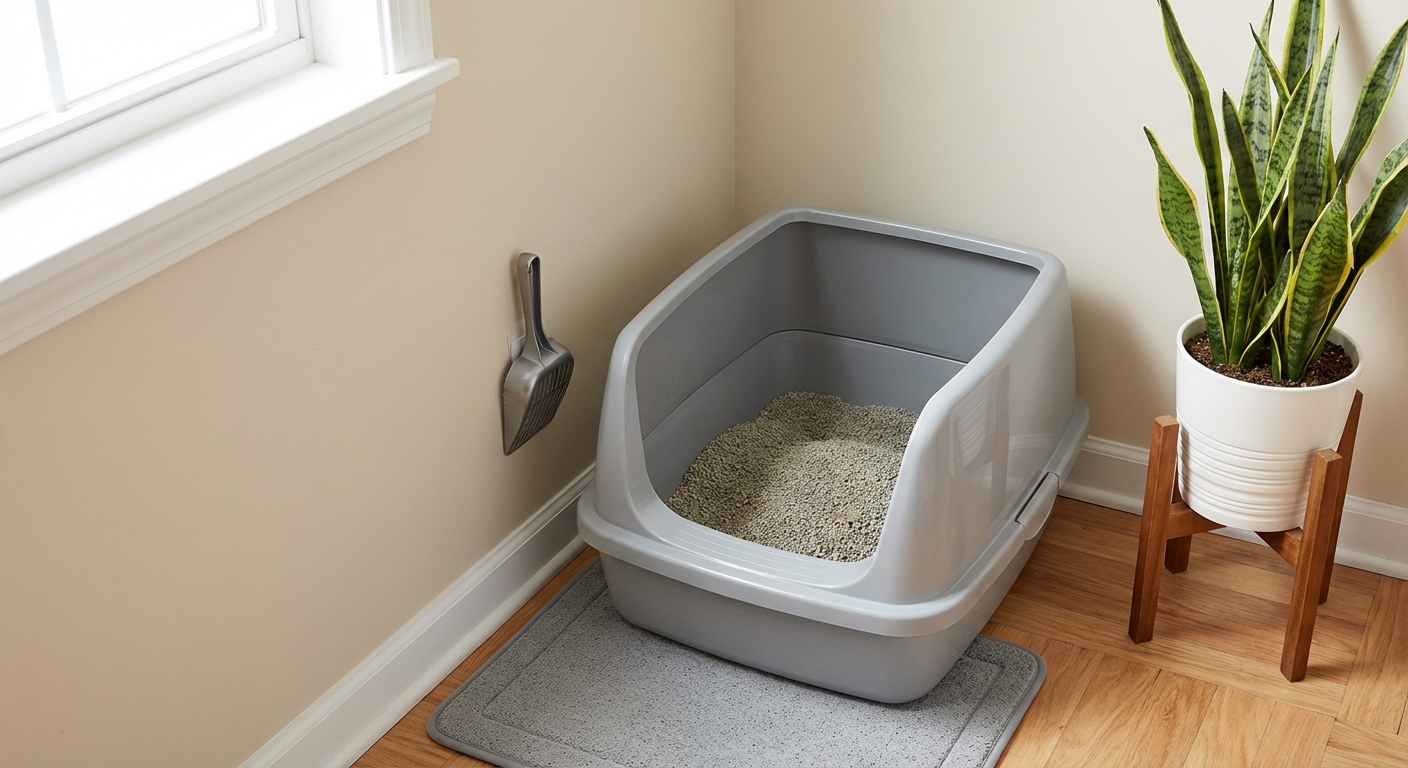
- Covered boxes: they can trap odor, and some cats feel cornered in them. Others prefer the privacy. If you are troubleshooting, offering at least one large open box is often a helpful test.
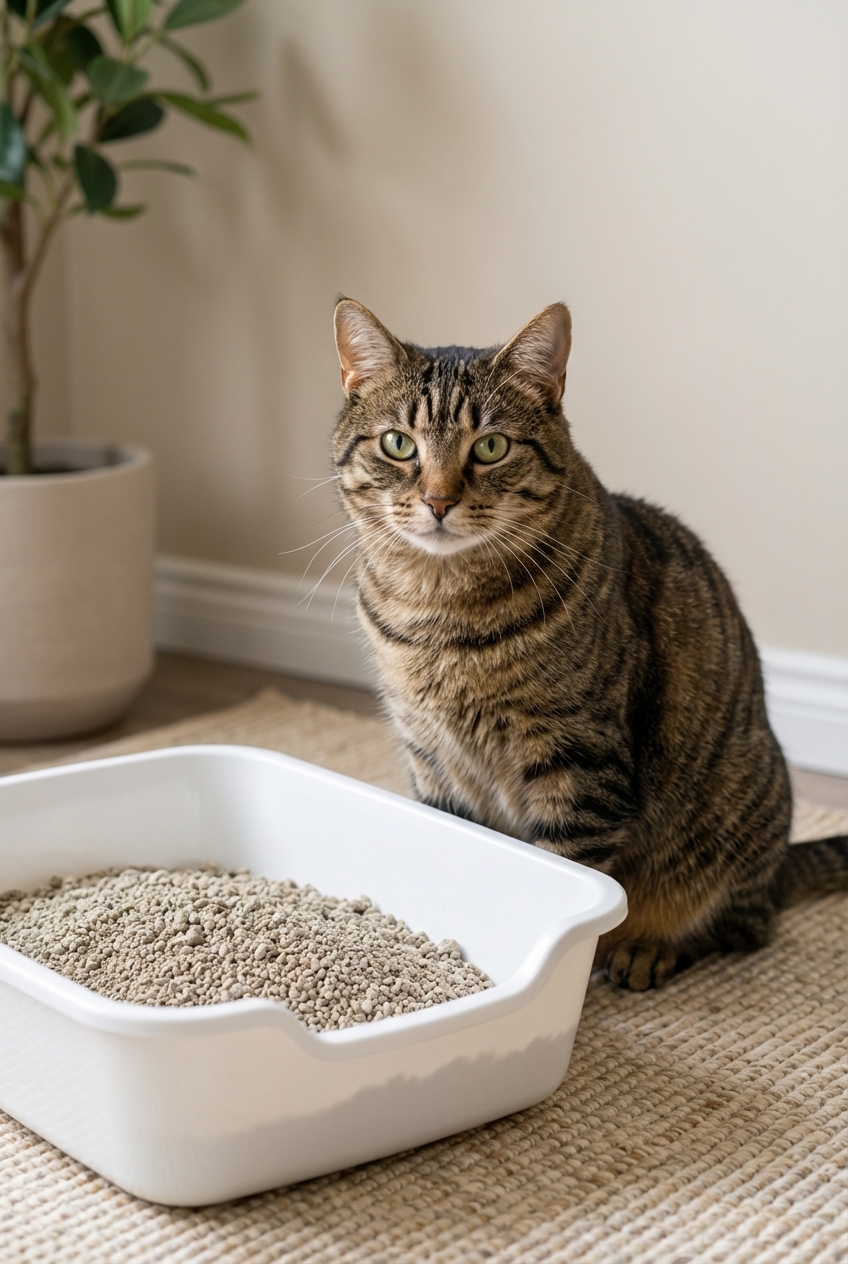
- Not enough boxes: a classic guideline is one box per cat, plus one extra, spread across the home.
Stress and social tension
Stress-related urinary issues are well documented, including feline idiopathic cystitis (FIC), where stress and environmental factors can contribute to bladder inflammation. Common triggers include:
- Moving homes, remodeling, or new furniture
- A new baby, partner, roommate, or pet
- Outdoor cats visible through windows (territory pressure)
- Conflict between cats in the home, including subtle blocking, staring, or resource guarding
Territorial urine marking
Spraying is more likely in unneutered cats, but it can happen in neutered cats too. It often increases when a cat feels their territory is threatened. Windows, doors, and new items brought into the home can become targets. If your cat is not neutered or spayed, scheduling that procedure is one of the most effective first steps to reduce marking.
Why furniture is a common target
From a cat’s perspective, couches and beds are appealing because they are:
- Soft and paw-friendly, especially if the litter is unpleasant
- Highly scented, meaning urine odor sticks and signals strongly
- Socially important, since furniture often smells like you, which can be comforting or a way to communicate stress
How to stop it
The key is to do two things at the same time: remove the odor cues and make the litter box the easiest, safest choice.
1) Schedule a vet visit and bring details
Write down when it started, where it happens, litter type, box setup, diet changes, and any recent stressors. If possible, bring a fresh urine sample if your clinic advises it.
2) Clean correctly so the spot does not call them back
Use an enzymatic cleaner designed for cat urine. Many home remedies do not fully break down uric acid. Avoid ammonia-based cleaners, which can smell urine-like to cats and may encourage repeat marking.
- Blot, do not rub.
- Saturate to the depth of the cushion if needed.
- Allow full dry time per the product instructions.
- Consider using a blacklight to find old spots you may be missing.
- Test cleaners on an inconspicuous area first.
- Avoid heat and steam cleaning until urine is fully treated, since heat can set odors and stains.
3) Reset the litter box setup
- Add boxes to reach the cats + 1 guideline.
- Use large boxes (many cats prefer an open, spacious option).
- Try an unscented, clumping litter with a sand-like texture.
- Scoop daily and fully change litter on a schedule that keeps odor low.
- Place boxes in quiet, accessible locations on each level of the home.
4) Reduce stress with predictable routines
Stress is not “in their head.” It affects the body, including the bladder. Helpful steps include:
- Daily play sessions that mimic hunting (wand toys are great)
- Multiple feeding stations and water sources to reduce competition
- Vertical space like cat trees or shelves for confidence and escape routes
- In multi-cat homes, spread out litter boxes, food, water, and resting spots so one cat cannot guard them
- Blocking outdoor cat views with window film if that is a trigger
5) Consider behavior support tools
Your veterinarian may suggest pheromone diffusers, anxiety support, or a behavior plan if marking or stress persists. For some cats with recurrent FIC, prescription diets and targeted medication can make a big difference.
6) Protect furniture during the reset
- Use washable covers or waterproof pads temporarily.
- Limit access to targeted rooms while you rebuild litter box habits.
- Place a litter box near the frequent accident area short-term, then gradually move it.
Mistakes that prolong the problem
- Punishing the cat: it increases fear and stress, and can worsen inappropriate urination.
- Assuming it is just behavioral without a medical check.
- Not cleaning deeply: lingering odor is one of the biggest reasons cats return to the same spot.
- Changing too many things at once: constant experimenting can stress sensitive cats. Change one variable at a time.
Quick self-check
If you are unsure whether you are seeing spraying or squatting, watch for these clues:
- Spraying: tail up, backing toward a surface, small amount on vertical areas.
- Squatting: normal pee posture, larger puddle on horizontal soft surfaces.
Also note frequency, straining, blood-tinged urine, changes in thirst, and any litter box avoidance. These details help your vet move faster toward the right solution.
The hopeful part
Most cats can return to consistent litter box use once the underlying trigger is addressed. The sooner you respond, the easier it is to break the cycle of odor, habit, and anxiety. If you are feeling overwhelmed, you are not failing your cat. You are noticing a real health signal, and that is exactly what a good caretaker does.