Keep your long-haired cat comfortable with a simple grooming routine: how often to brush, tools that work, mat safety, hairball prevention, coat nutrition, a...
Article
•
Designer Mixes
Why Cats' Tongues Are So Rough

Shari Shidate
Designer Mixes contributor
If you have ever been “kissed” by a cat, you know it is not exactly silky. One lick can feel like gentle sandpaper, and that is not an accident or a weird quirk. A cat’s tongue is a specialized grooming tool built for cleaning fur, pulling off loose hair, and even scraping meat from bone. In this article, we will unpack the science behind those famously rough tongues and what they can tell you about your cat’s health.
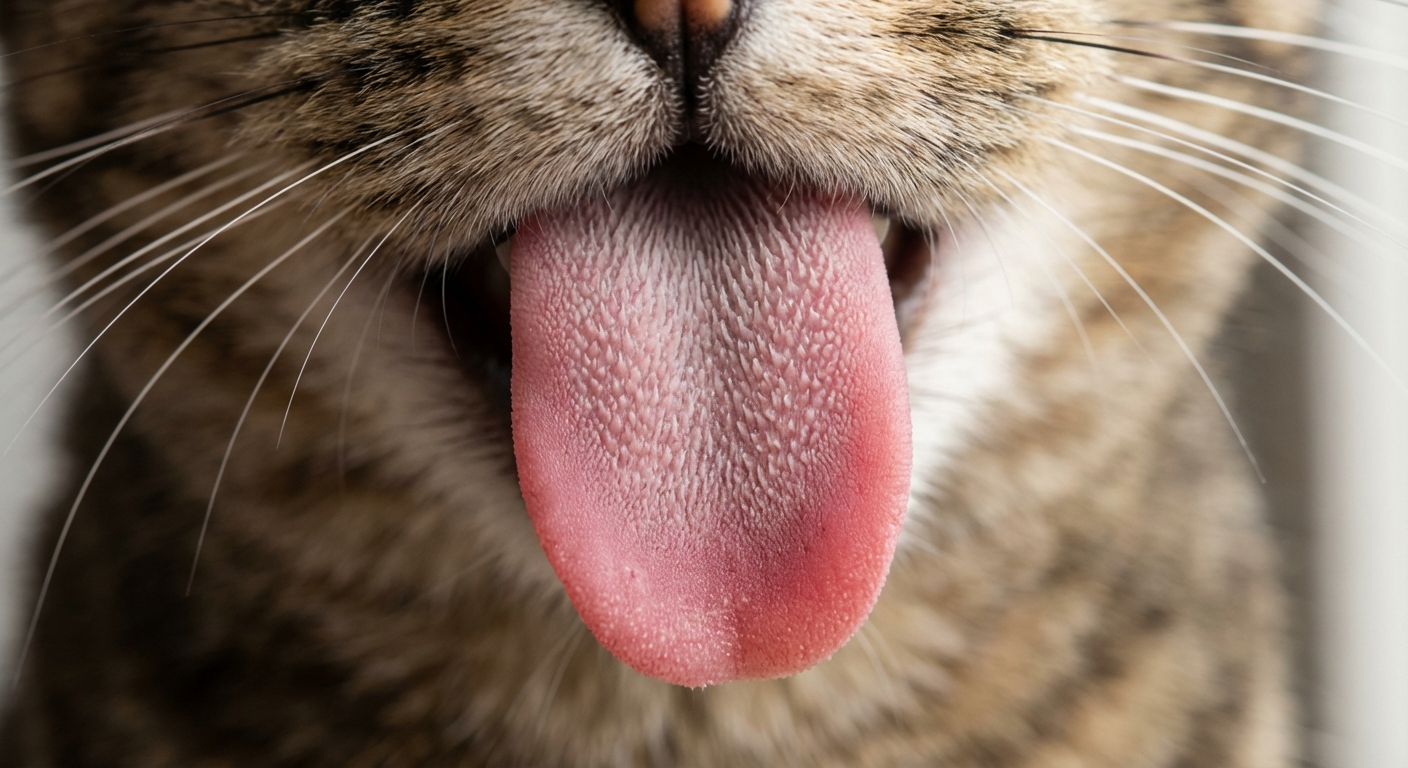
The secret is in tiny hooks
The roughness comes mostly from filiform papillae, small backward-facing, hook-like spines that cover much of the top (dorsal surface) of a cat’s tongue. Cats have other types of papillae too, including ones involved in taste, but the filiform papillae are the ones responsible for that sandpapery feel.
These hooks are made of keratin, the same tough protein found in claws and hair. Keratin is durable, slightly rigid, and perfectly suited for a daily grooming routine that involves friction, pulling, and scraping.
- Direction matters: The hooks point toward the throat, helping pull material inward during grooming and eating.
- Texture has a job: That “sandpaper” feel is the hooks catching on loose hair and debris.
- Built for utility: The tongue functions like a built-in brush and comb, with a little bit of washcloth energy too.
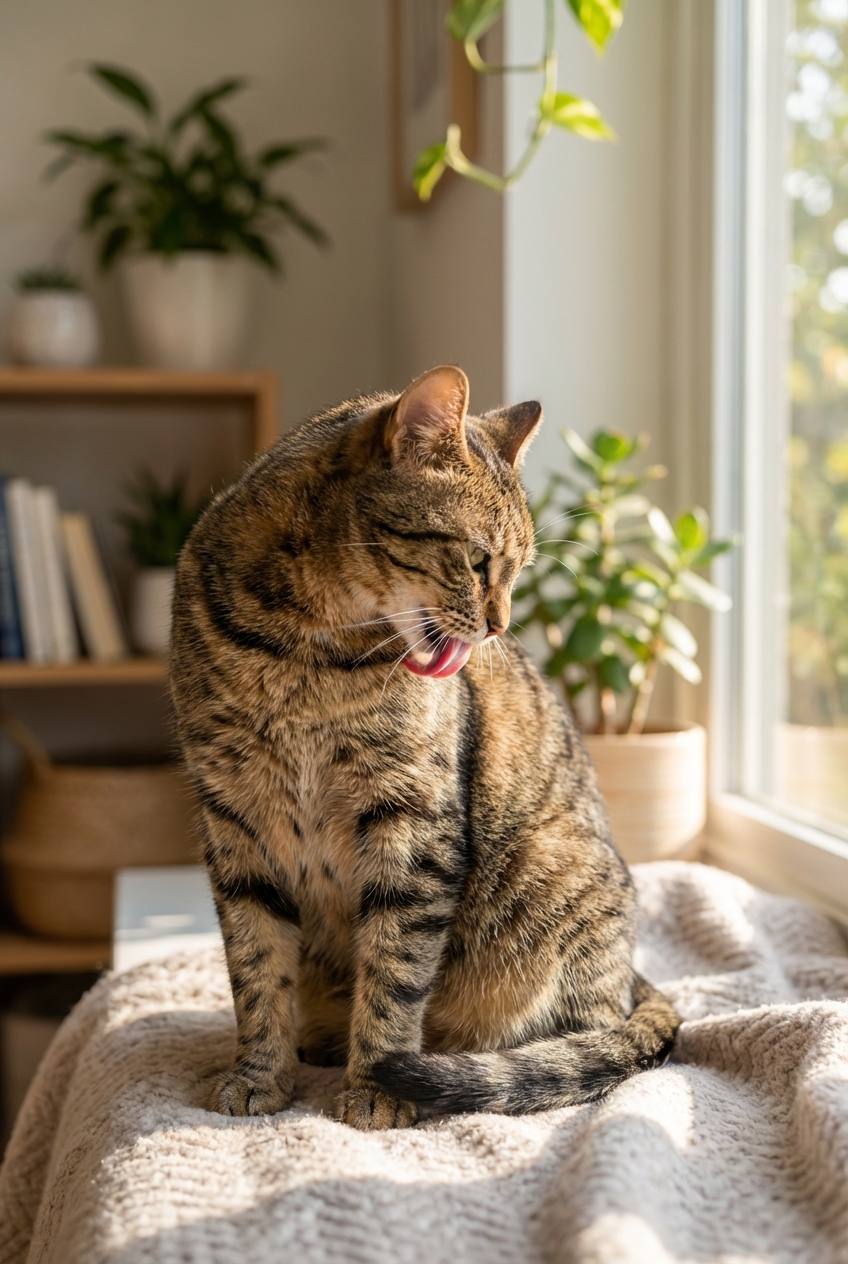
How it helps with grooming
Cats are serious groomers. Many spend a large portion of their waking hours cleaning themselves, and the tongue is the primary tool.
1) Lifts loose hair and dirt
When a cat licks, the hooks grab loose fur and pull it away from the coat. This helps reduce matting and clears out debris from outdoor adventures or dusty indoor corners.
2) Spreads natural oils
Grooming is also skincare. Licking distributes sebum, the coat’s natural oils, which helps fur look smooth and can help the coat shed light moisture.
3) Supports cooling
Cats sweat minimally (mostly through their paw pads) and do not rely on sweating the way humans do. When a cat grooms, saliva dampens the fur, and as it evaporates it can provide a small cooling effect. This is one reason grooming may ramp up in warm weather.
Why it feels rough on skin
Human skin is relatively delicate compared to a fur coat. Cats are also not the only species with mechanical papillae. Humans have papillae too, but a cat’s are far more pronounced and more heavily keratinized for combing fur. So on your arm, face, or ankle, those hooks can feel scratchy.
For most people, a few licks are harmless. If your cat is repeatedly licking the same spot on you, it can cause mild irritation, especially if you have sensitive skin.
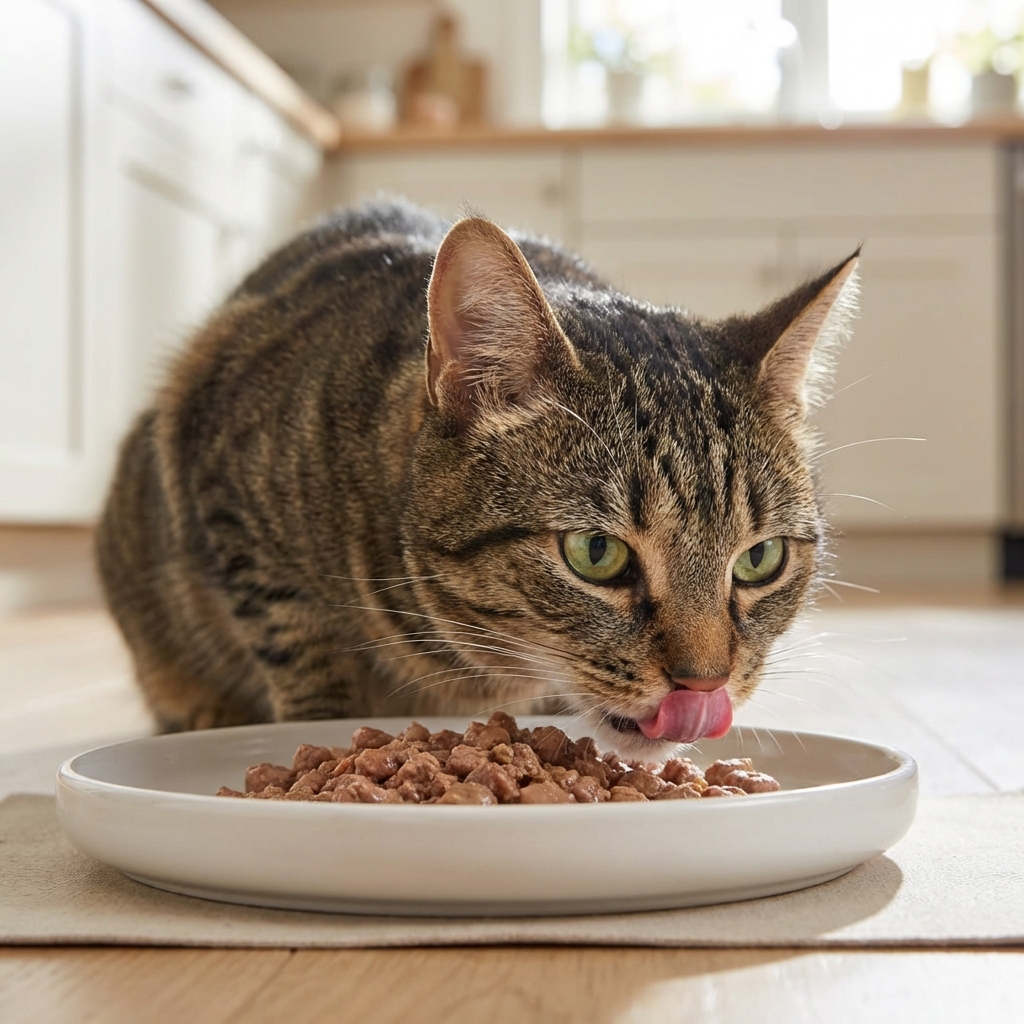
Eating perks: a meat scraper
Cats are obligate carnivores, and their tongue design reflects that. The backward-facing hooks can help a cat:
- Grip food: The rough surface helps hold slippery pieces of meat.
- Scrape meat: Those hooks can pull flesh from bone in a way that fits a natural prey-based pattern.
- Move food back: The texture helps guide food toward the throat for swallowing.
The hairball connection
Here is the trade-off: the same tongue that makes cats excellent groomers also causes them to swallow hair. Often, that hair passes through the digestive tract without issue. Sometimes it gets vomited up. More rarely, hair and other material can contribute to a blockage, which is one reason it is important to pay attention to the pattern, not just the occasional hairball.
Occasional hairballs can be normal, especially for long-haired cats or heavy seasonal shedders. Frequent hairballs, however, can be a sign that something else is going on, including overgrooming due to stress, skin disease, fleas, or allergies.
How to reduce hairballs
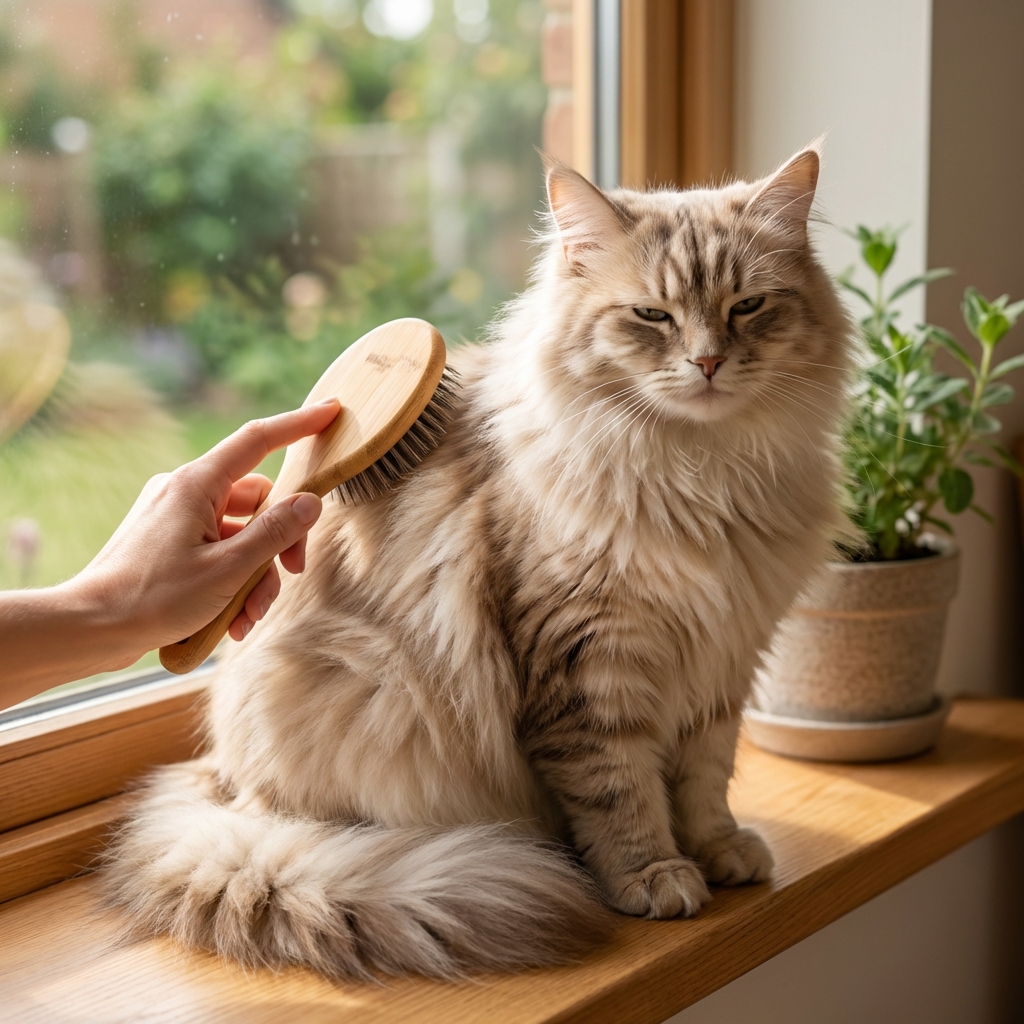
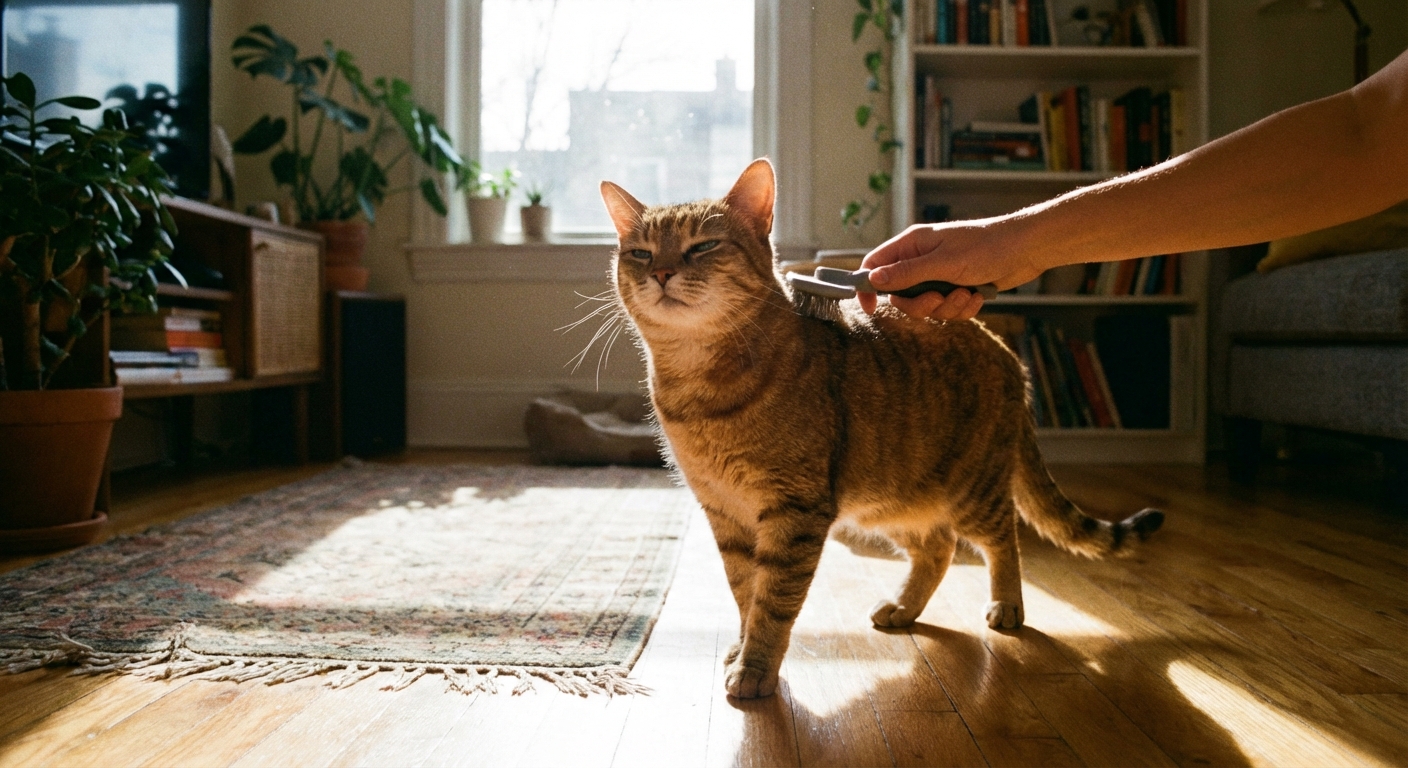
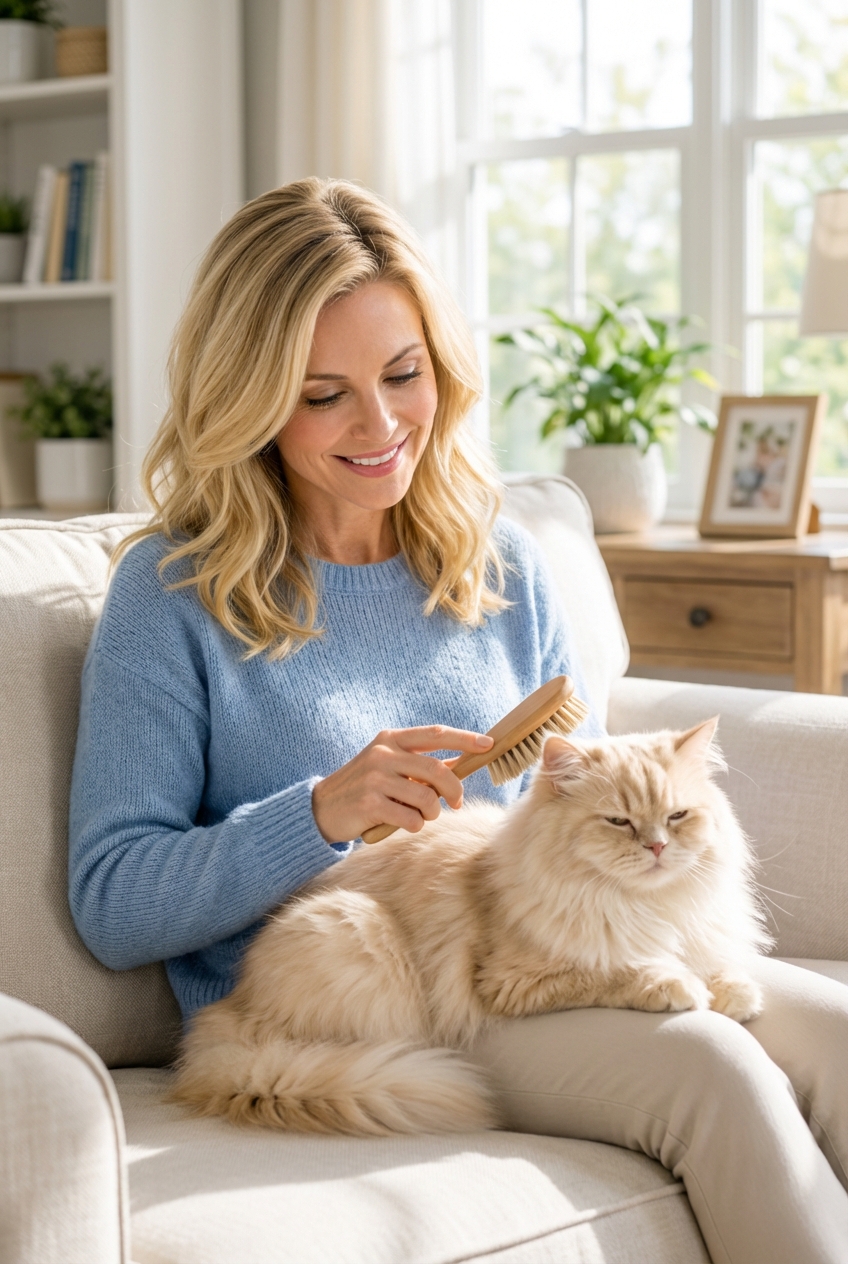
- Brush regularly: Brushing removes loose fur before the tongue can swallow it.
- Support hydration: Moisture supports healthy digestion. Many cats do better with some wet food or added water, if your veterinarian agrees.
- Ask about diet and fiber: Some cats benefit from veterinary-approved hairball formulas or added fiber, depending on health history.
- Stay on parasite control: Fleas can trigger intense grooming, which increases swallowed hair.
When to seek urgent care
Contact a veterinarian promptly if you see repeated vomiting, unproductive retching (trying to vomit but nothing comes up), a distended or painful belly, constipation, lethargy, or your cat stops eating. Those signs can be more serious than a routine hairball.
When tongue or grooming changes
A cat’s tongue should be rough, but comfort and grooming habits matter. Schedule a veterinary visit if you notice:
- Sudden overgrooming or bald spots
- Bad breath, drooling, pawing at the mouth, or difficulty eating (possible dental disease or oral pain)
- Mouth sensitivity or a cat that suddenly resists being touched around the face (possible ulcers, stomatitis, or tongue injury)
- A coat that looks greasy, dull, or unkempt (pain, arthritis, obesity, or illness can make grooming difficult)
- Hairballs that become frequent, large, or paired with vomiting, constipation, poor appetite, or low energy
If something changes with grooming or eating, trust your instincts and call your veterinary clinic. A quick check can prevent a small issue from becoming a bigger one.
The bottom line
Cats have rough tongues because they are built for the job: cleaning fur, maintaining the coat, and handling a meat-based diet. Those tiny keratin hooks are one of nature’s most effective grooming tools. And yes, they make “sandpaper kisses” feel a little funny on our skin.
If licking seems excessive, hairballs increase, or grooming suddenly drops off, a veterinarian can help you find the cause and get your cat comfortable again.