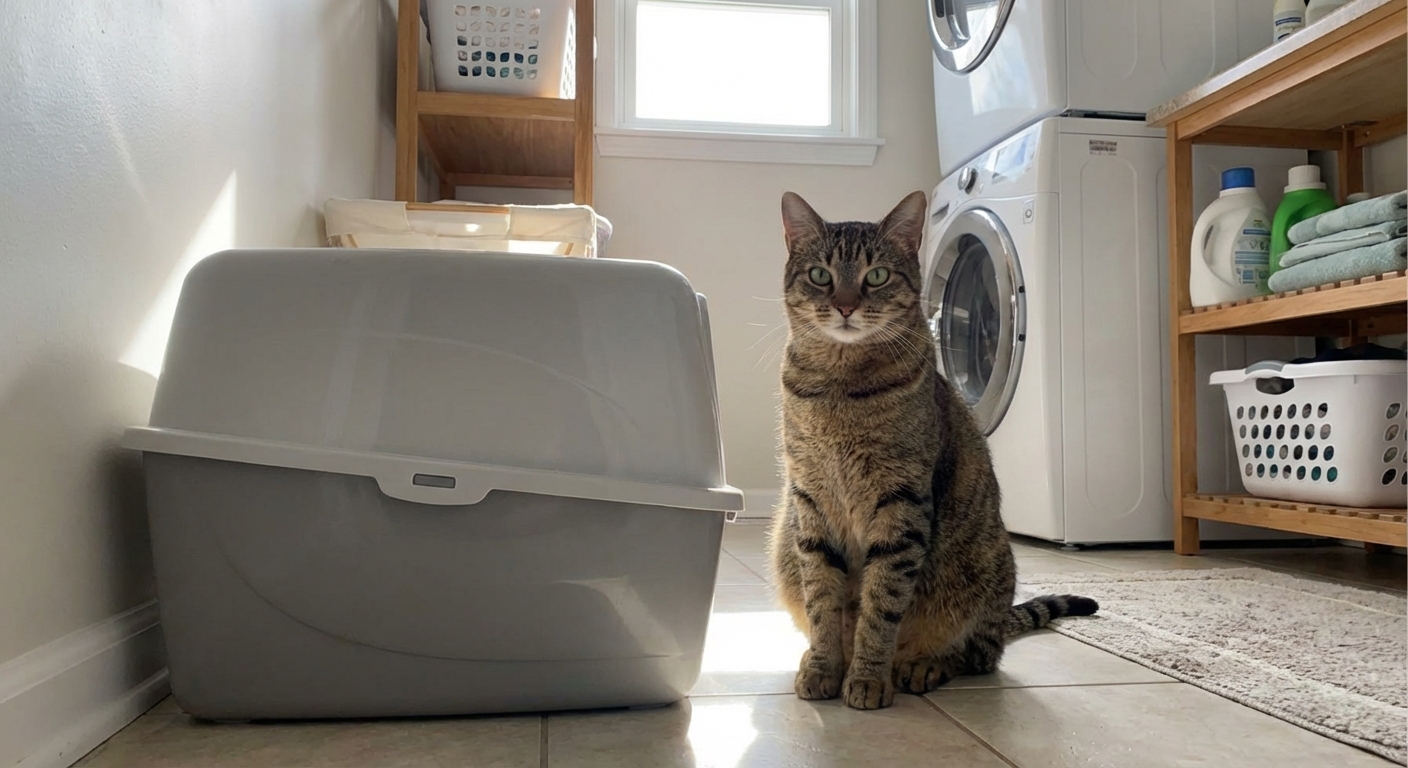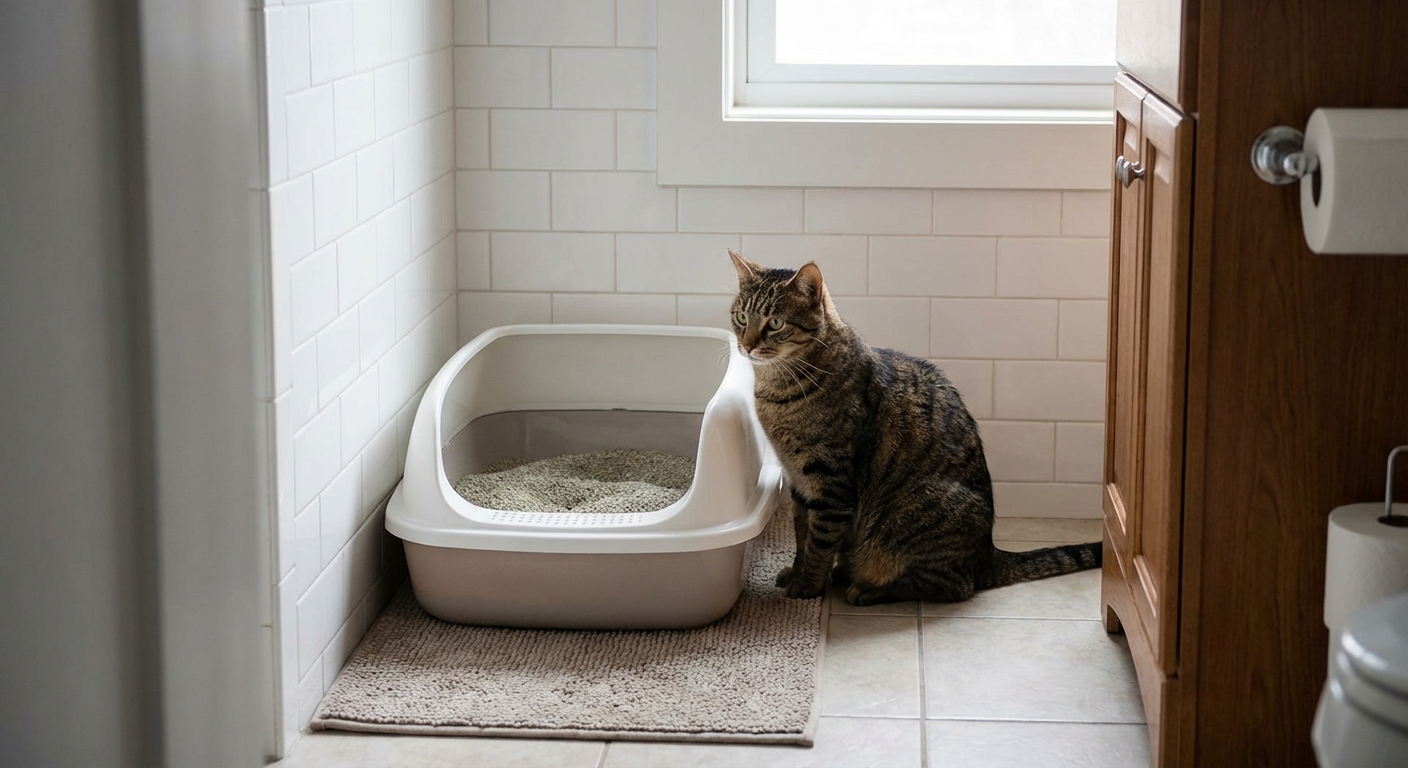
Poop outside the litter box is usually a clue—not a “bad cat.” Learn medical red flags, common causes (pain, diarrhea, stress, box setup), and practica...
Article
•
Designer Mixes
Why Cats Poop Outside the Litter Box

Shari Shidate
Designer Mixes contributor
When a cat starts pooping outside the litter box, it can feel personal. I promise, it almost never is. In my work as a veterinary assistant in Frisco, Texas, I have seen this happen in loving homes with attentive pet parents. Most commonly, your cat is trying to communicate some mix of pain, stress, or a litter box problem.
The good news is that this is usually fixable once you identify the real trigger. Below are evidence-informed reasons cats avoid the box, plus practical steps you can try today. (For deeper guidance, see the American Association of Feline Practitioners and International Cat Care (ISFM) resources on litter box and house-soiling problems.)
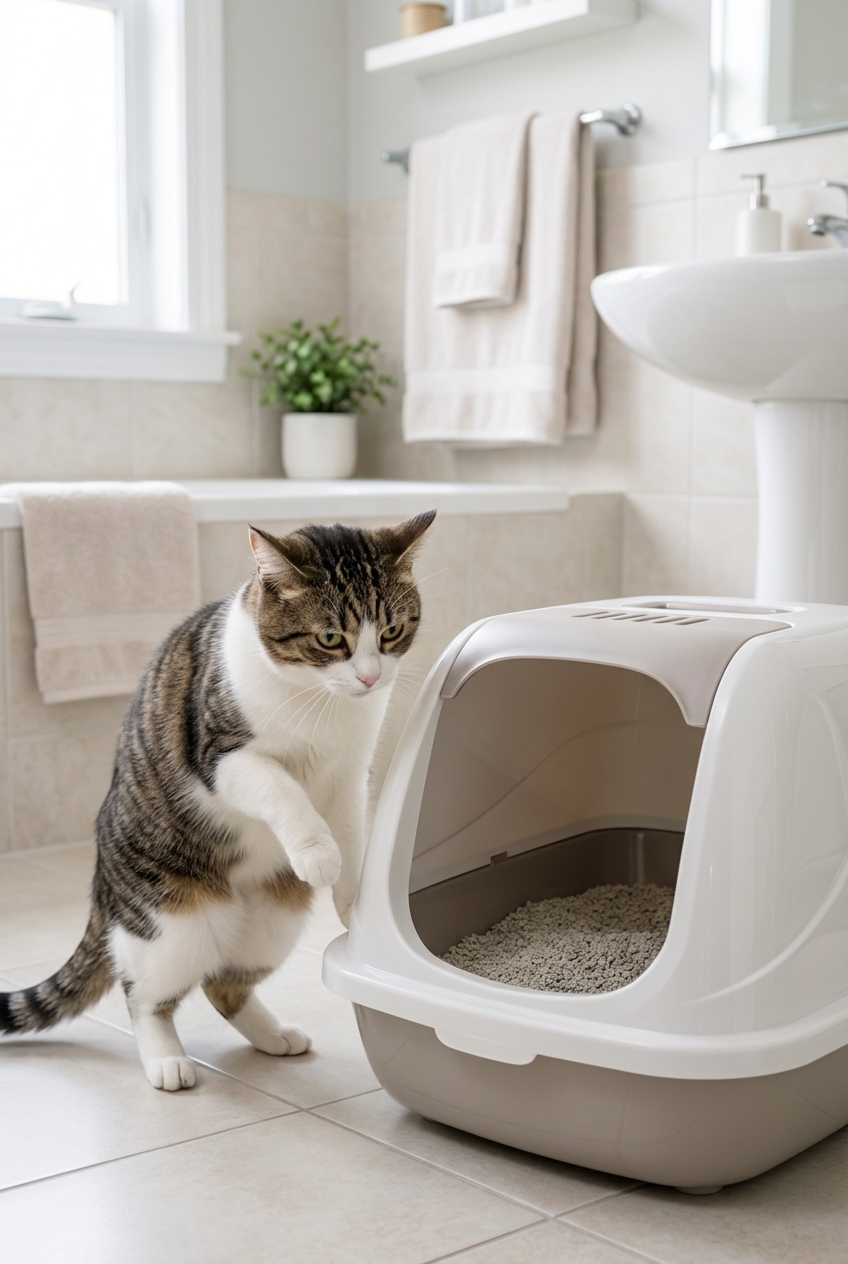
First rule: treat it like a health clue
If your cat is still urinating in the box but pooping elsewhere, that pattern matters. Some cats will tolerate peeing in a box they dislike but refuse to poop there because defecation requires more time and a more vulnerable posture. Also, stress and medical pain can overlap. Stress can trigger GI upset, and pain can create a long-term litter box aversion.
Before assuming “behavior problem,” think like a detective. Ask:
- Did anything change in the home, litter, location, or routine?
- Is poop soft, hard, large, or coated in mucus?
- Is your cat straining, vocalizing, or running away after pooping?
- Is the poop placed on soft surfaces (carpet, laundry) or near the box?
- Is there stool stuck to fur (long hair, diarrhea, mobility issues) that could be dropping off outside the box?
Medical causes (and why they matter)
Medical issues are very common contributors to litter box avoidance. Cats are masters at hiding discomfort, so stool changes and location changes may be your first big clue. If your article is labeled “evidence-based,” this is where AAFP and ISFM guidance is especially aligned: rule out medical causes early.
Constipation and painful bowel movements
If pooping hurts, many cats begin to associate the litter box with that pain and choose a new location. Constipation can look like:
- Small, dry, hard stools
- Straining or frequent box visits with little output
- Pooping less often than normal for your cat (many cats go often daily to every other day, but it varies)
- Low appetite or hiding
Constipation can be linked to dehydration (very common in cats), obesity, arthritis, stress, kidney disease, or other underlying problems. A vet visit is important because severe constipation can progress to obstipation, which is dangerous. Avoid DIY laxatives or human medications unless your vet specifically directs you.
Diarrhea or urgency
Loose stool creates urgency. A cat may not make it to the box in time, especially if the box is far away, blocked by a door, or if there is conflict with another pet. Diarrhea may come from diet changes, parasites, inflammatory bowel disease, infections, food sensitivities, or stress. If diarrhea is ongoing, ask your vet about a fecal test and parasite screening. Even indoor cats can get intestinal parasites.
Arthritis and mobility issues
Senior cats often stop using a box with high sides because stepping in hurts. They might still want privacy, but their body cannot comfortably do the “climb, turn, squat” routine. This is one of the most overlooked causes.
Anal gland irritation (less common, but possible)
Anal gland problems are more typical in dogs, but cats can get anal sac infections or irritation. Signs can include scooting, overgrooming under the tail, and discomfort while pooping.
Cognitive changes in older cats
Some seniors experience cognitive dysfunction and can seem disoriented or forget where the box is, especially if they are also dealing with vision changes or stress.
When to call your vet quickly: blood in stool, repeated straining, crying, vomiting, not eating, lethargy, sudden onset in a previously consistent cat, or no stool produced for 48 hours when that is unusual for your cat, especially if paired with discomfort or appetite changes.
Litter box setup problems
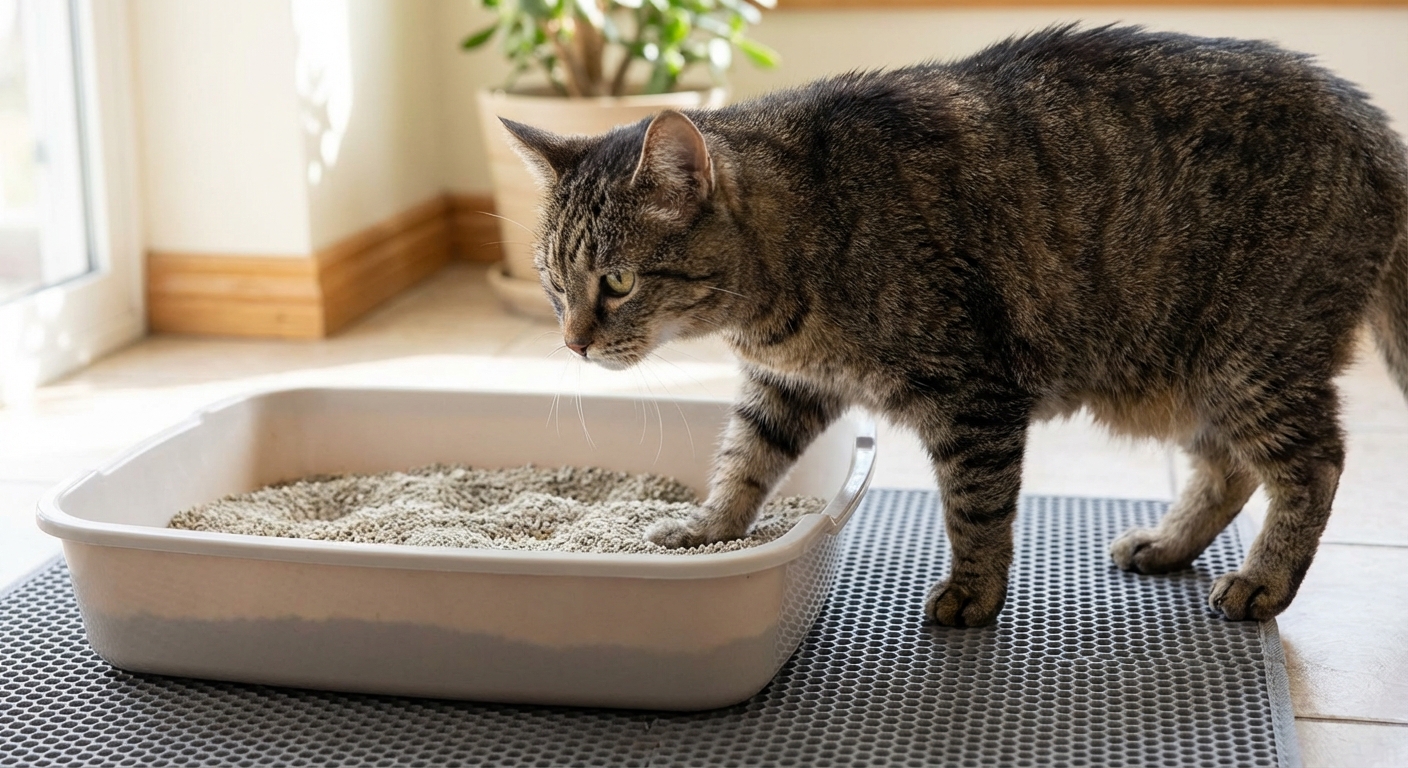
If your cat gets a clean bill of health (or you are waiting on an appointment), the box itself is the next place to focus. Cats are clean, particular, and sensitive to texture and smell. Small issues can add up until they say “nope.”
Not enough boxes
A reliable rule is: one box per cat, plus one extra. In multi-cat homes, cats may avoid a box that feels “claimed” by another cat.
Location feels unsafe
Cats prefer a spot that is easy to access and allows them to keep an eye on their surroundings. Avoid:
- Dead ends where they can be cornered by another pet
- High-traffic or noisy areas (next to washer, furnace, loud vents)
- One box tucked far away on another floor
Also, avoid placing the box right next to food and water. Many cats dislike that.
Dirty box or lingering odor
Most cats want a clean bathroom. A common baseline:
- Scoop at least once daily (twice daily is even better)
- Wash box with mild soap and water regularly
- Replace litter fully on a schedule that matches your litter type and household
Strong ammonia smell can repel cats and is unpleasant for you, too.
Wrong litter texture or scent
Many cats prefer unscented clumping litter with a soft, sand-like texture. Scented litters can be overwhelming. Pellet litters or crystal litters are great for some cats and a hard no for others. If you recently switched, consider switching back or offering a second box with the old litter as a “vote.”
Box style and size
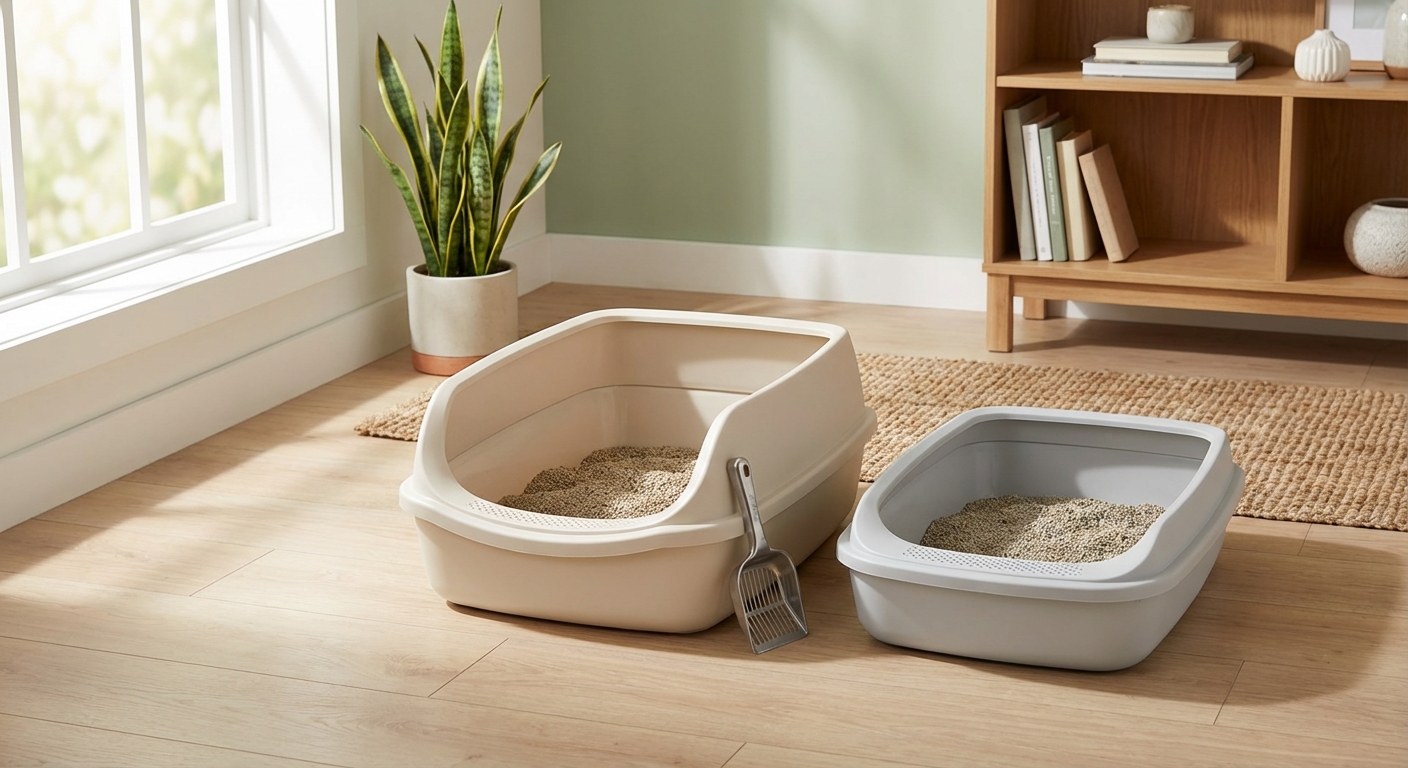
Covered boxes can trap odor. Some cats dislike them. Others love the privacy. High-sided boxes may help with scatter but can block older cats. If you have a big cat, small boxes can feel cramped. A helpful guideline is a box about 1.5 times your cat’s length (nose to base of tail) when possible.
Litter depth
Many cats do well with about 2 to 3 inches of litter, but preference varies. Too little can feel hard to dig in, and too much can feel unstable.
Stress triggers
If health and litter box setup look good, zoom out to stress. Cats are creatures of habit, and stress can show up as litter box avoidance even when the box is “perfect.” It can also contribute to constipation or diarrhea, which then creates a new box aversion.
Common triggers include:
- New pet, new baby, or house guests
- Moving homes or rearranging furniture
- Construction noise or strong odors (paint, cleaners)
- Outdoor cats visible through windows
- Conflict between cats in the home, even subtle staring and blocking
Territory and safe bathroom needs
In multi-cat households, one cat may guard the path to the box or ambush after a cat exits. The bullied cat may choose a hidden corner instead. Adding boxes in multiple areas and creating escape routes can be a game changer.
What about spite?
Cats do not poop outside the box out of revenge. They do not connect your emotions to their bathroom choices in that way. They choose locations based on comfort, safety, and learned associations.
What the poop location can tell you
Where your cat poops can help narrow the cause:
- Right next to the box: often box cleanliness, litter texture, box size, or pain association.
- On soft items like laundry or rugs: may indicate comfort seeking, stress, mobility issues, or avoiding painful squatting on litter.
- In secluded corners: often fear, stress, or feeling unsafe around the box.
- Random places with loose stool: urgency and diarrhea are high on the list.
Step-by-step plan
Here is a practical approach I recommend because it is gentle, clear, and it helps you isolate the cause.
Step 1: rule out medical causes
Schedule a vet visit if this is new or worsening. Bring:
- Photos of the stool (yes, really helpful)
- A fresh stool sample if possible
- A list of diet changes, treats, and supplements
Your vet may recommend a fecal test (including parasite screening), diet trial, imaging, or constipation support depending on findings.
Step 2: upgrade the litter box experience
- Add at least one extra box
- Try an uncovered, large, low-entry box
- Offer unscented clumping litter in at least one box
- Keep litter depth around 2 to 3 inches as a starting point
- Scoop daily and keep the area calm
Step 3: put a temporary box at the accident spot
This is not “giving in.” It is smart behavior shaping. If your cat keeps choosing the same spot, put a box there for 2 to 3 weeks, then slowly move it a few inches per day toward your preferred location.
Step 4: clean correctly
Use an enzymatic cleaner designed for pet waste on the accident area. Regular household cleaners may not remove odor molecules that cats can still smell. Skip ammonia-based cleaners, since that smell can read like urine to pets. Also be cautious with steam cleaning on soiled areas. Heat can set stains or odors depending on the surface and product.
Step 5: reduce stress
- Keep routines consistent for feeding and play
- Provide vertical space (cat tree, shelves)
- Ensure each cat has separate resources (food, water, resting spots, boxes)
- Talk to your vet about pheromone diffusers if stress seems likely
Step 6: avoid punishment
Scolding increases anxiety and can worsen avoidance. Instead, reward the behavior you want. For many cats, that means offering a treat, play session, or favorite attention after you notice they used the box (some cats will not take treats in the moment). Use what your cat actually values.
Prevention tips
- Keep boxes easy: accessible, clean, and roomy.
- Monitor stool: constipation and diarrhea are early warning signs for many conditions.
- Support hydration: wet food, water fountains, and multiple water stations can help many cats.
- Make changes slowly: if switching litter or box type, offer both options for a transition period.
- Watch multi-cat dynamics: add resources and separate key areas if conflict is present.
Bottom line: when a cat poops outside the litter box, your cat is giving you information. With a little detective work and a few smart adjustments, most households can get back to clean floors and a confident, comfortable cat.
Quick FAQ
Why does my cat poop outside the litter box but still pees in it?
Pooping can feel more vulnerable and can be more painful if constipation or arthritis is present. It can also mean your cat dislikes the box for longer “bathroom sessions” even if they tolerate it for urination.
Should I change the litter right away?
If the problem started after a litter change, yes, consider switching back or offering a second box with the previous litter. If there was no change, add a second box with unscented clumping litter to test preference without removing the familiar option.
How many litter boxes do I need?
One per cat plus one extra is a strong starting point, especially if you see tension between cats or accidents near the box.
When is this an emergency?
Straining with no stool, repeated vomiting, lethargy, or blood in stool should be addressed urgently. If your cat cannot pass stool, that can become serious quickly.