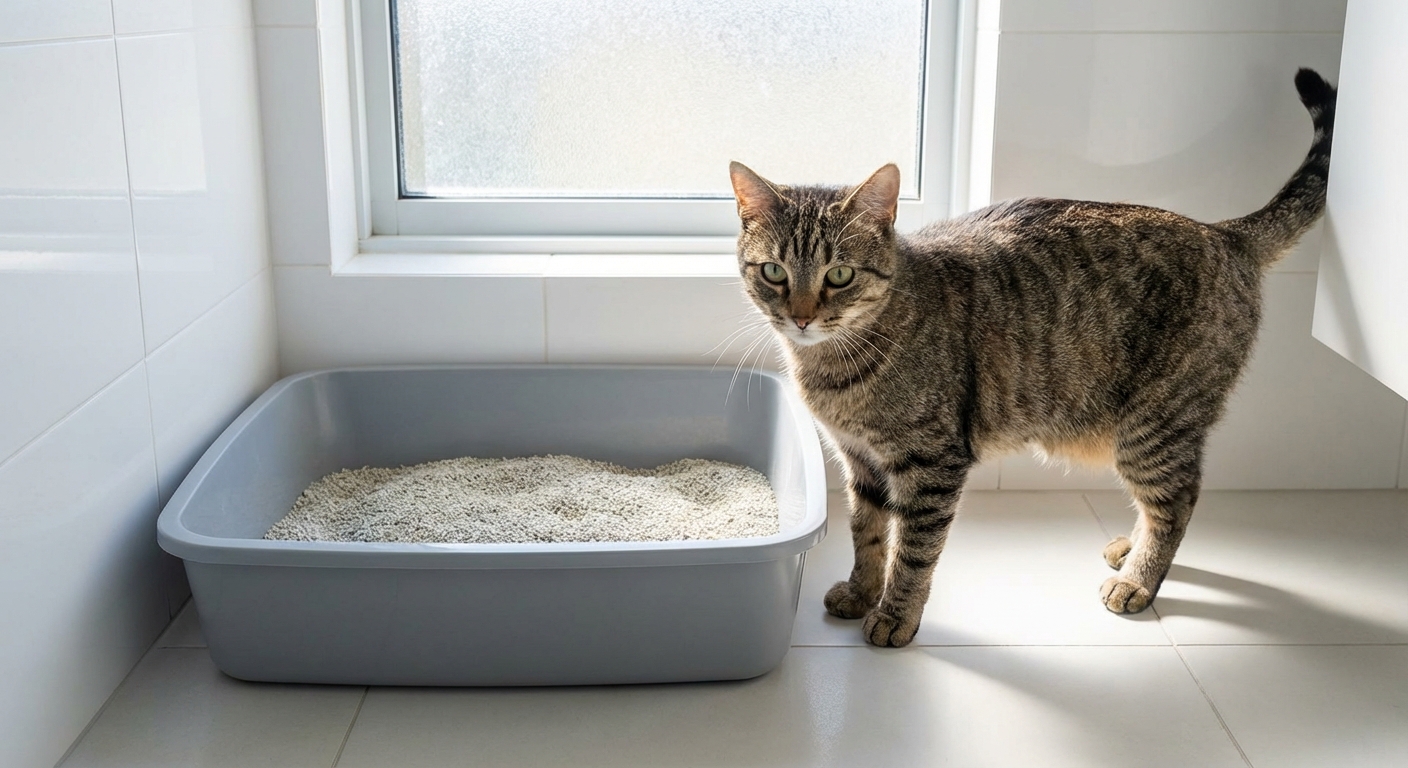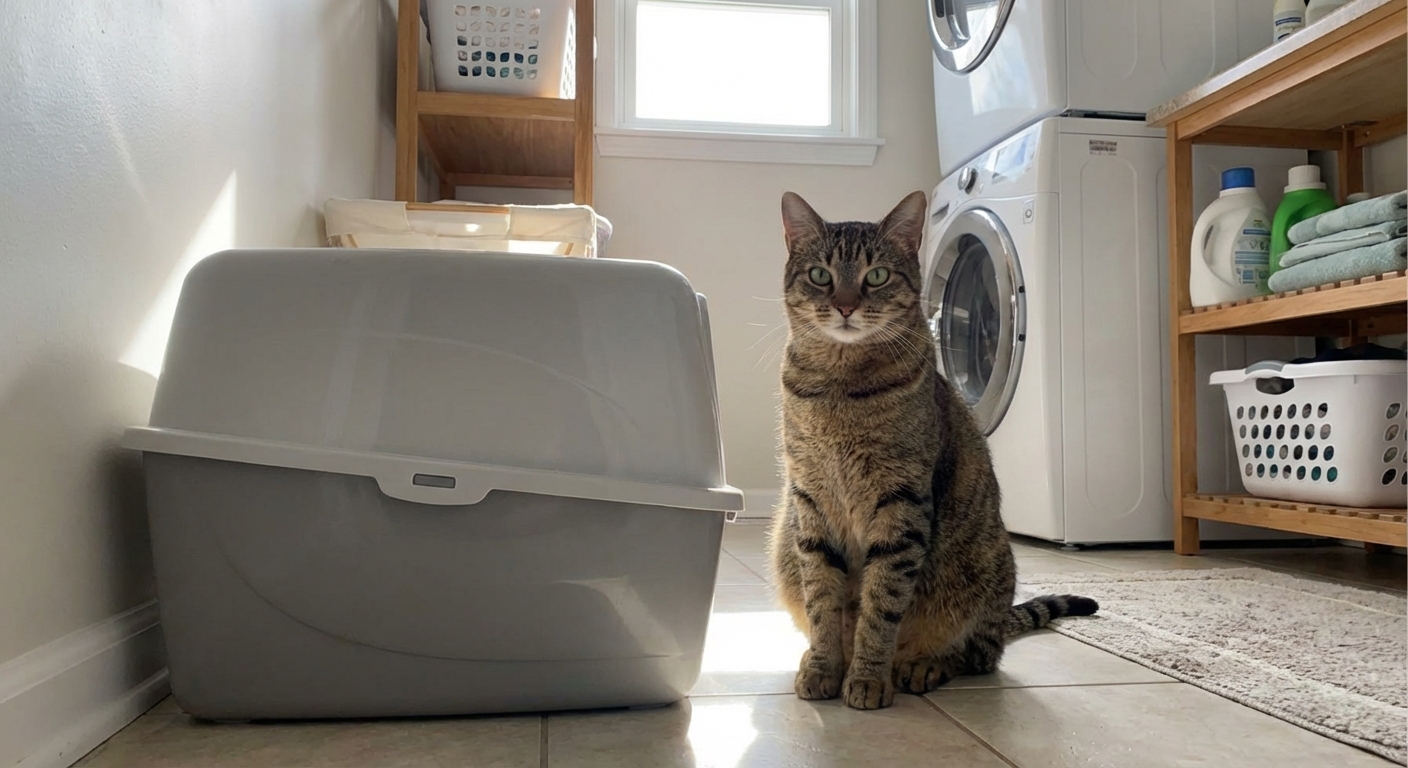
A vet-assistant guide to stop cats pooping on the floor: red flags to watch, proper cleaning, a full litter box reset, stress fixes, multi-cat tips, and a 10...
Article
•
Designer Mixes
Why Cats Poop on the Floor

Shari Shidate
Designer Mixes contributor
Cats are famously clean, so when poop shows up on the floor it can feel confusing, frustrating, and honestly a little alarming. In most cases, it is not “spite” or “bad behavior.” It is your cat trying to tell you something is off: the litter box, their body, their stress level, or their routine.
As a veterinary assistant, I always encourage families to treat this as a clue. With a few smart checks, you can often solve it quickly and prevent it from becoming a long-term habit.
Quick note: This article focuses on pooping outside the box. If your cat is also peeing outside the box, or you notice increased thirst or urination, call your vet. Different conditions can be involved, and urinary issues can become urgent.
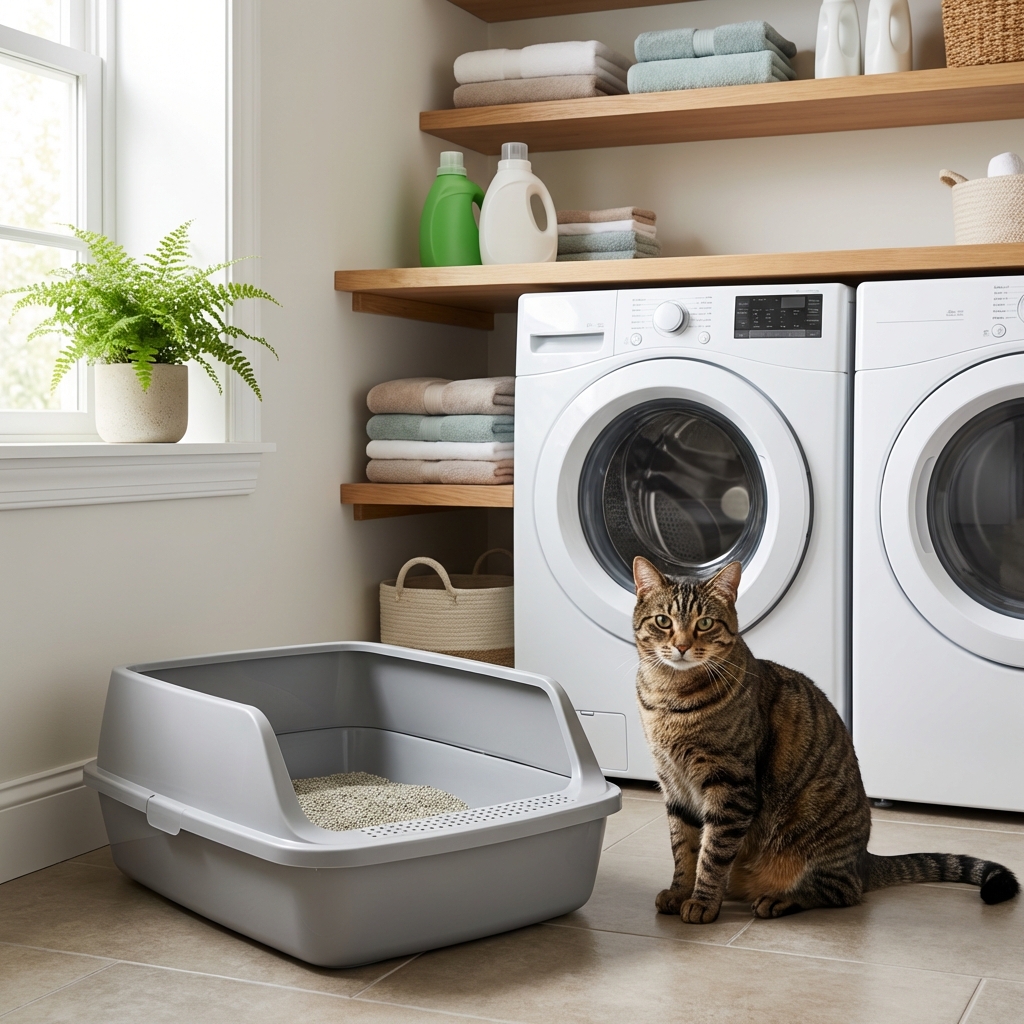
First rule out a health problem
If your cat is suddenly pooping outside the box, a medical issue should be on the list. Cats are masters at hiding discomfort, and the litter box is where pain often becomes obvious.
Common medical reasons
- Constipation (hard stool, straining, crying out, small dry poops)
- Diarrhea (urgent accidents, poop that cannot be held long enough to reach the box)
- Arthritis or mobility pain (difficulty stepping into a high-sided box, especially in older cats)
- Inflammatory bowel disease, food intolerance, parasites (ongoing soft stool, weight loss, poor coat)
- Anal gland irritation or rectal pain (less common in cats, but possible: scooting, overgrooming under the tail, discomfort after pooping)
- Cognitive or neurologic changes (less common: seniors who seem confused, miss the box, or struggle with routine changes)
When to call your vet today:
- Blood in stool
- Repeated straining, crying, or signs of pain
- Vomiting, lethargy, or refusing food
- Sudden weight loss
- Frequent diarrhea or ongoing watery stool
- No poop for about 48 hours, or sooner if your cat is straining, seems painful, has a firm belly, or appetite is reduced
If you can, bring a fresh stool sample. It also helps to take a quick photo of the stool (or a short video if your cat is straining) and jot down when the symptoms started.
Litter box issues: the most fixable cause
Once health concerns are addressed, the next step is the litter box itself. In my experience, litter box setup and cleanliness are some of the most common reasons otherwise healthy cats poop on the floor. The good news is that small changes often make a big difference.
Cleanliness and routine
- Scoop at least once daily, and twice daily for multi-cat homes.
- Wash the box weekly with mild soap and warm water. Avoid strong fragrances or bleach smells.
- Replace old boxes if they hold odor or have scratches that trap waste.
Box size, style, and access
- Bigger is better: aim for about 1.5 times your cat’s body length.
- Low entry for seniors: if your cat is older or stiff, try a low-cut box.
- Covered boxes: some cats love privacy, others feel trapped. If accidents started after switching to a covered box, try uncovered.
Litter type and depth
- Many cats prefer unscented, clumping litter.
- Start with about 2 to 3 inches of litter and adjust to your cat’s preference. Some cats want it a bit deeper for digging, others prefer it shallower and more stable.
- If you recently changed litter, consider going back and transitioning more slowly.
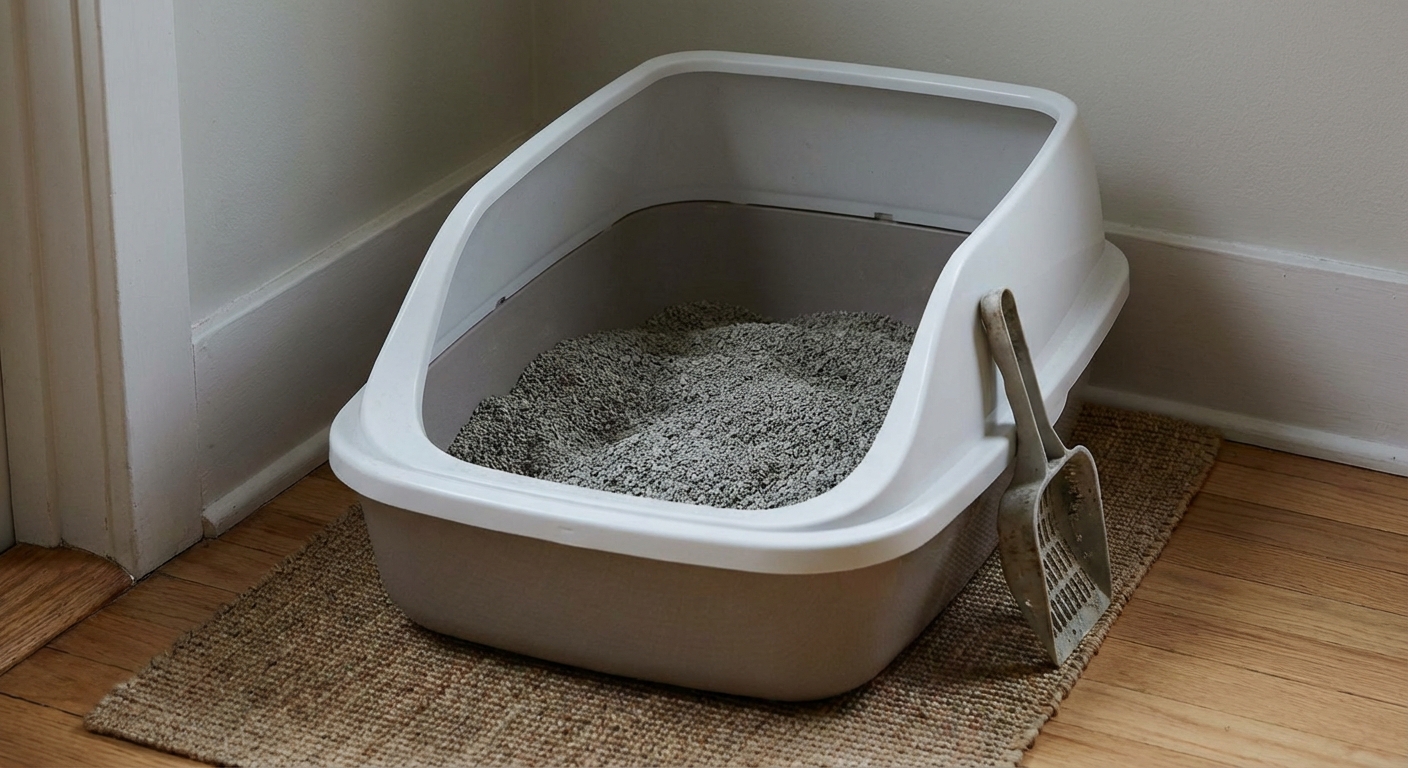
Location matters
Cats want a bathroom that feels safe and predictable. If the litter box is in a high-traffic or noisy spot, your cat may choose the floor instead.
Better placement tips
- Choose a quiet area away from loud appliances.
- Avoid tight spaces where your cat can be cornered by kids, dogs, or other cats.
- Keep the box away from food and water.
- In larger homes, place boxes on the floors where your cat spends time.
- One box per floor is a helpful baseline in multi-level homes, even for a single cat.
Stress and territory
Cats are sensitive to change. Even changes that seem small to us can affect litter box habits.
Common stressors
- New pet or new baby
- Moving, remodeling, new furniture
- Schedule changes, travel, guests
- Conflict with another cat in the home
- Outdoor cats visible through windows
What helps
- Predictable routine: feeding and play at consistent times.
- More resources: multiple litter boxes, water stations, scratching posts, resting spots.
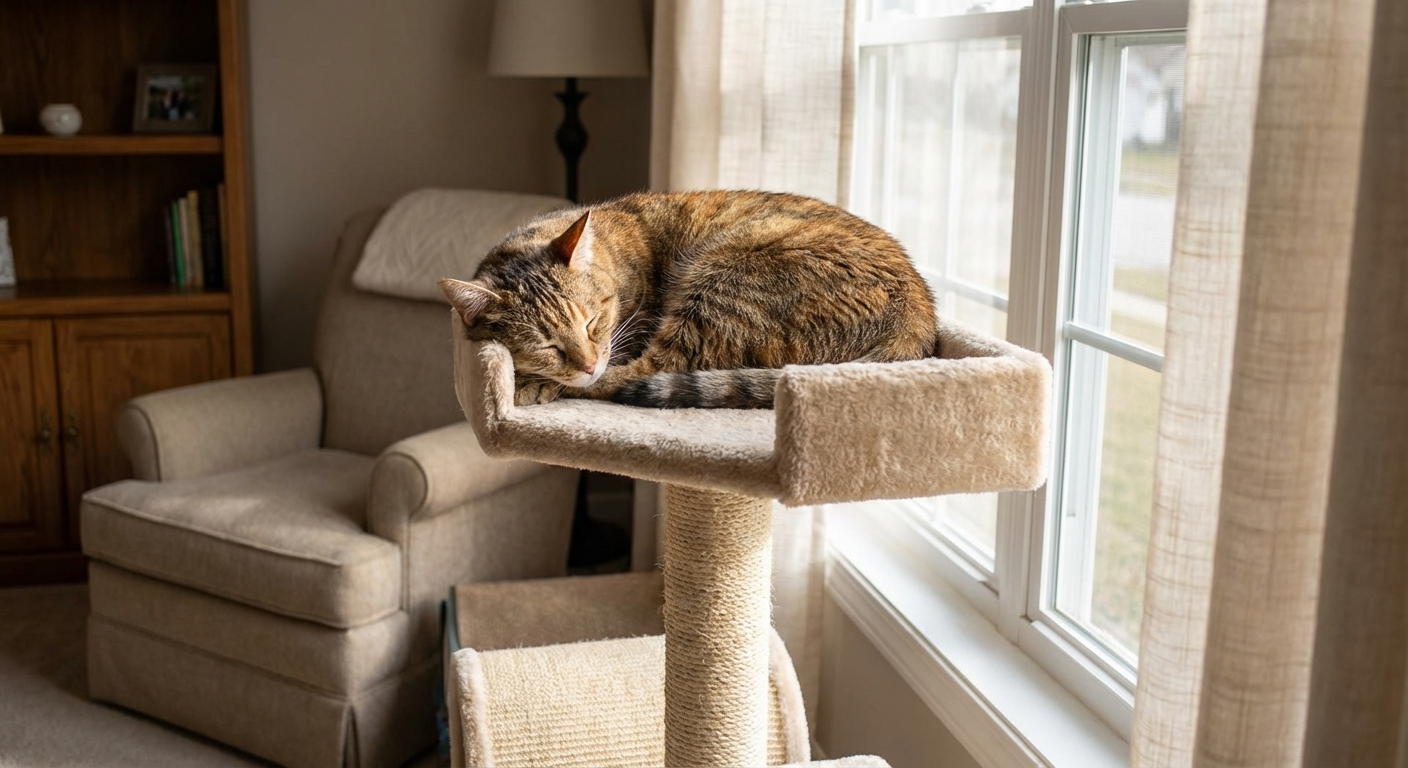
- Safe zones: quiet rooms or vertical space like cat trees and shelves.
- Pheromone support: feline pheromone diffusers may help some cats feel more secure.
Multi-cat rule
If you have more than one cat, a commonly recommended guideline used by many behavior professionals is:
Number of litter boxes = number of cats + 1
Also, spread boxes out across your home (and ideally across floors). If all boxes are in one room, a cat who is bullied at the doorway may never feel comfortable using them.
Litter box aversion
Sometimes the litter box is not the problem, but your cat’s memory of it is. After a painful episode like constipation or diarrhea, some cats start avoiding the box because they associate it with discomfort.
How to rebuild comfort
- Add a second box in a new, quiet location.
- Try a low-entry, uncovered box with familiar unscented litter.
- Keep it very clean for a while, so it feels “fresh” every time.
- Make changes gradually and stick with them long enough to see a pattern.
Clean accidents the right way
If a spot still smells like a bathroom to your cat, they are more likely to use it again. Regular household cleaners may not fully remove odor proteins.
- Blot up waste and moisture first.
- Use an enzymatic pet cleaner and follow label contact time.
- Keep your cat away from the area until fully dry.
- Block access temporarily or place a litter box near the accident spot during retraining.
Step-by-step plan
- Do a quick health check: appetite, energy, stool quality, straining, vomiting. Call your vet if anything is off.
- Track patterns: note time of day, location, stool consistency, and any household changes. A simple log, stool photos, or a short video of straining can be very helpful for your vet.
- Scoop and reset: clean boxes thoroughly and add fresh, unscented litter.
- Improve the setup: large, uncovered box, low entry if needed, quiet location.
- Add a box if you have multiple cats, multiple floors, or a long walk to the current box.
- Support calm: routine play, safe spaces, reduce conflict, consider pheromones.
If there is no improvement within 7 to 10 days, or if the issue is sudden and severe, it is time for a veterinary exam. Litter box problems are much easier to fix early.
What not to do
- Do not punish your cat. It increases stress and often makes the problem worse.
- Do not drag your cat to the box after an accident. Focus on prevention and comfort.
- Do not keep changing everything at once. Adjust one variable at a time so you know what worked.
When to get extra help
If your vet rules out medical causes and you have tried the litter box adjustments above, ask about a behavior-focused plan. In some cases, a referral to a veterinary behaviorist can be truly life-changing for cats with anxiety, inter-cat conflict, or long-standing litter box avoidance.