Stop your cat from peeing on the bed with a step-by-step plan: rule out UTIs and cystitis, improve litter box setup, reduce stress, clean urine properly, and...
Article
•
Designer Mixes
Why Cats Pee on Beds

Shari Shidate
Designer Mixes contributor
Finding cat pee on your bed is one of those moments that makes your stomach drop. As a veterinary assistant, I want you to know two things can be true at once: this is incredibly frustrating, and it is also valuable information. Cats are naturally clean, so when they pee on a bed it often points to discomfort, a litter box issue, stress, or sometimes urine marking or a learned preference for soft surfaces.
First: treat it as medical
If your cat suddenly starts peeing on the bed, assume a health problem until proven otherwise. Cats are experts at hiding pain, so urinary discomfort can look like a “behavior problem” when it is actually a symptom.
Common medical causes
- Feline lower urinary tract disease (FLUTD): A broad category that includes inflammation, crystals, and urinary obstruction risks.
- Idiopathic cystitis (often stress-related): Bladder inflammation without bacteria is very common, especially in younger to middle-aged cats.
- Urinary tract infection (UTI): True bacterial UTIs can happen, especially in older cats or cats with other conditions, and may be more common in females than males.
- Kidney disease: Can increase urine volume and accidents.
- Diabetes: Can cause increased thirst and urination.
- Arthritis or mobility pain: Cats may avoid stepping into a high-sided litter box.
- Cognitive changes in seniors: Older cats can become disoriented.
Urgent red flags
- Straining to urinate, crying out, or frequent trips with little or no output
- Blood in the urine
- Hiding, vomiting, refusing food
- Any male cat with urinary signs
- Unable to pass urine (especially a male cat): go to an emergency vet immediately
Bed peeing is a symptom, not a personality flaw. A quick vet visit can save you weeks of cleanup and your cat a lot of pain.
Your vet may recommend a urinalysis and sometimes a urine culture to sort out inflammation, crystals, and infection.
Peeing vs spraying
This matters because management can differ.
- Inappropriate urination (peeing): Your cat usually squats and leaves a larger puddle on a horizontal surface (like a bed or laundry).
- Urine marking (spraying): Your cat is often standing with the tail up and may “twitch” it, leaving a smaller amount on vertical surfaces (like walls, doors, or the side of furniture).
Intact (not spayed or neutered) cats are more likely to spray, and inter-cat tension or neighborhood cats outside can make it worse.
Why the bed?
From a cat’s perspective, the bed is soft, absorbent, and strongly scented with their favorite humans. When a cat feels unwell or insecure, that comfort and scent can make the bed an easy, “safe” choice.
- Comfort: Soft surfaces can feel better when urinating is painful.
- Scent: Your scent can be calming, especially when your cat is stressed.
- Privacy: Bedrooms are often quieter or less chaotic than the area around a litter box.
- Association: If the litter box has become unpleasant (pain, a scary noise, another cat ambushing), your cat may avoid it.
Litter box triggers
Even small litter box issues can be a big deal to a cat. The good news is that these are usually very fixable.
Common culprits
- Not enough boxes: Aim for one box per cat, plus one extra.
- Dirty box: Many cats want scooping daily.
- Box location: Too noisy, too exposed, near the washer, or blocked by a closed door.
- Litter changes: New texture or fragrance can be a dealbreaker.
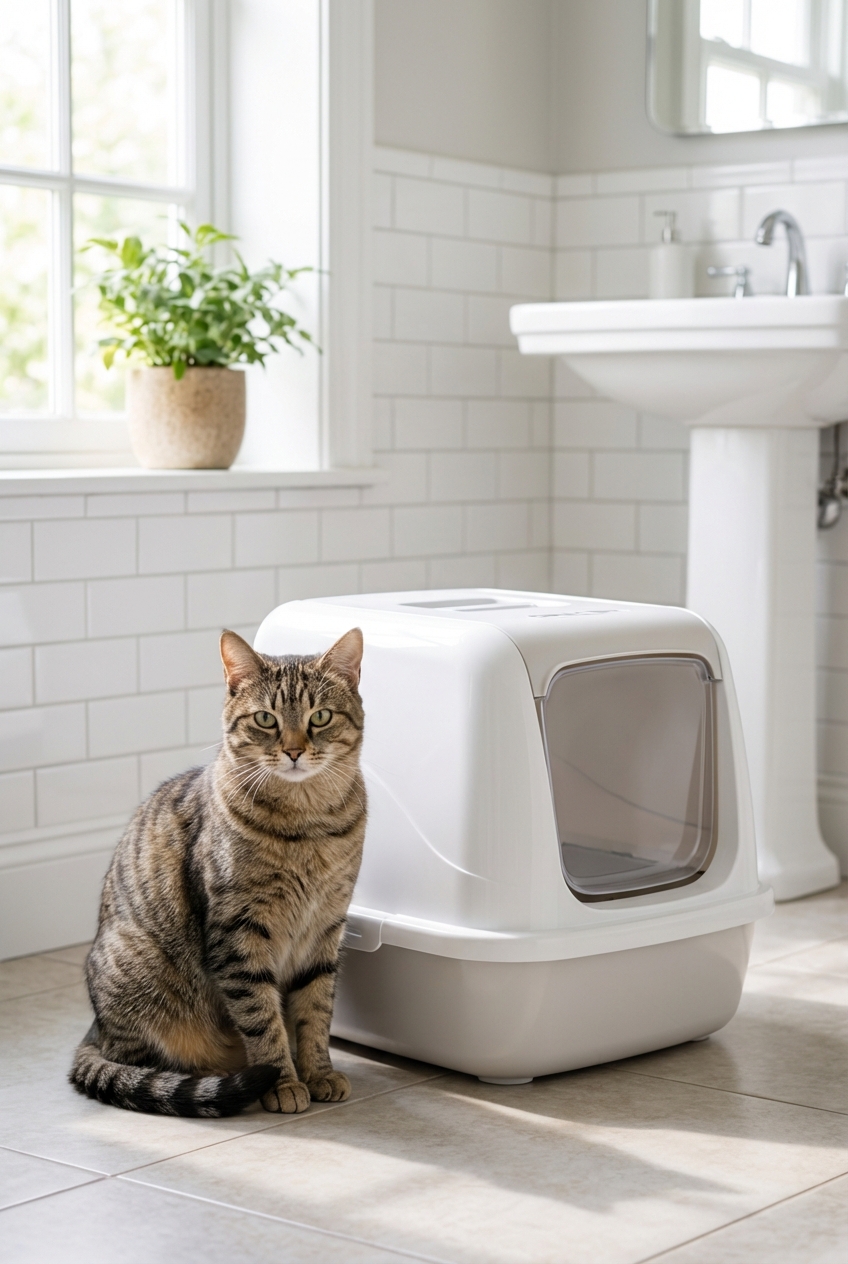
- Box style: Covered boxes can trap odors. High sides can be tough for seniors.
- Competition: Another cat may be guarding the box or the hallway leading to it.
Quick litter box reset
- Add one extra box in a quiet, easy-to-reach area
- Scoop at least once daily (twice is even better in multi-cat homes)
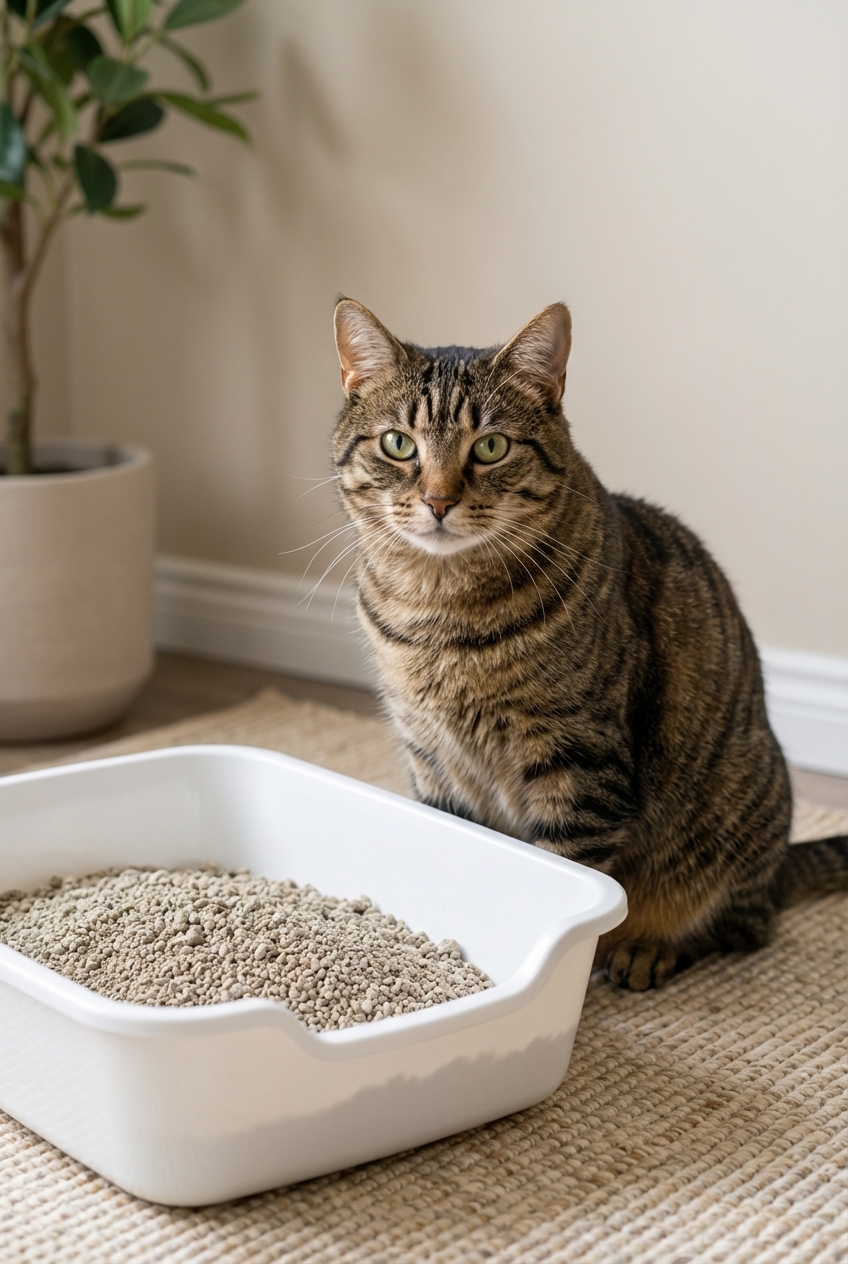
- Use an unscented, clumping litter (unless your vet advised otherwise)
- Try a large, open box with low entry for older cats
- Full dump and wash: about weekly for many households, or every 1 to 2 weeks depending on the number of cats, boxes, and how quickly odor builds up
Stress and behavior
Cats are sensitive to change. Peeing on the bed can happen when your cat feels their territory, routine, or social dynamic has shifted.
Common stressors
- New pet, new baby, or visiting animals
- Moving homes or rearranging furniture
- Construction noise or neighborhood cats outside
- Changes in your schedule, travel, or guests
- Tension between cats in a multi-cat home
Fun fact: cats use scent
Cats communicate with pheromones from their cheeks and paws. When they feel unsettled, urine can become a stronger scent signal. It is not revenge. It is biology plus emotion.
Ways to lower stress
- Predictable routine: Feed and play at consistent times.
- Daily play: 10 to 15 minutes of interactive play can reduce anxiety.
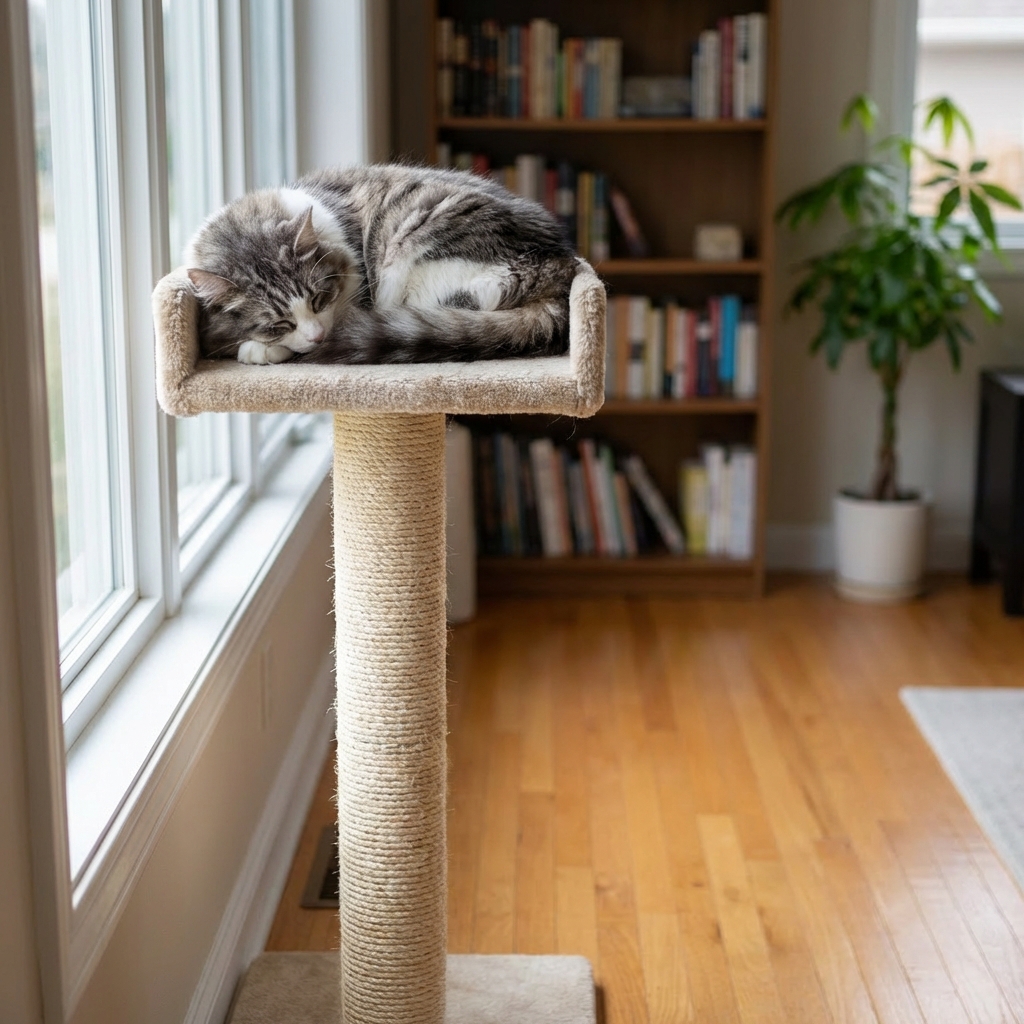
- Vertical space: Cat trees or shelves help cats feel safe.
- Safe rooms: Especially for shy cats or during transitions.
- Pheromone diffusers: Many households find them helpful during change.
- Reduce conflict: Separate key resources (food, water, boxes) so one cat cannot “control” them.
What to do now
1) Protect the bed
- Close the bedroom door when you cannot supervise
- Use a waterproof mattress protector
- Layer washable blankets you can swap quickly
2) Book a vet visit
Bring a timeline of when it started, any diet changes, recent stressors, and whether your cat is drinking more, licking their genitals more, or making frequent box trips. If possible, ask your clinic how to bring a urine sample, or whether they prefer to collect it in-house.
3) Clean the right way
- Use an enzymatic cleaner designed for pet urine
- Avoid ammonia-based cleaners (they can smell like urine to pets)
- Launder bedding with enzyme detergent if possible
- Avoid high heat (hot dryer, steam) until you are confident the odor is gone, because heat can set smells
If urine has soaked into a mattress, a second enzyme treatment plus thorough drying time often helps.
What not to do
- Do not punish, yell, or rub your cat’s nose in it
- Do not restrict water (hydration protects the urinary tract)
- Do not switch litters or move boxes abruptly without a transition, unless there is a safety reason
- Do not use strong-smelling cleaners (including ammonia) that can confuse or attract repeat marking
Punishment increases stress and can make the problem worse. Focus on comfort, safety, and making the litter box the easiest choice again.
Preventing repeats
Once the medical piece is addressed and the litter box setup is improved, most cats stop this behavior. Consistency is key.
Prevention checklist
- Keep litter boxes easy to access and calm
- Stick with a litter your cat accepts
- Support hydration (wet food, fountains, multiple water bowls)
- Manage multi-cat tension (separate resources, more boxes, more space)
- If spraying is part of the issue, talk with your vet about spay or neuter status and a behavior plan
- Schedule routine wellness exams, especially for senior cats
If you fix the “why,” the “where” usually fixes itself.
Quick Q&A
Is my cat mad at me?
Almost never. Think discomfort, anxiety, urine marking, or litter box aversion first.
Why does it happen even when the box is clean?
Clean is important, but not the only factor. Pain, stress, box location, litter texture, and social conflict can still drive accidents.
Should I switch litter?
Sometimes, but do it slowly. Many cats prefer unscented, fine-grain clumping litter. If your cat has been successful on a litter before, it is often best to return to that option.