Cats can’t make enough taurine, so diet matters. Learn AAFCO minimums, top taurine-rich foods (heart, dark meat, seafood), cooking losses, and deficiency s...
Article
•
Designer Mixes
Why Cats Need Taurine

Shari Shidate
Designer Mixes contributor
Cats are wonderfully unique little carnivores. And one of the biggest differences between cats and many other animals is this: cats cannot synthesize enough taurine to meet their needs . Taurine is an amino-acid-like nutrient that supports the heart, eyes, reproduction, digestion, and overall well-being. Without it, cats can become seriously ill.
If you have ever wondered why taurine shows up on so many cat food labels, this is why. Taurine is not a trendy add-on. It is a true essential.
What is taurine?
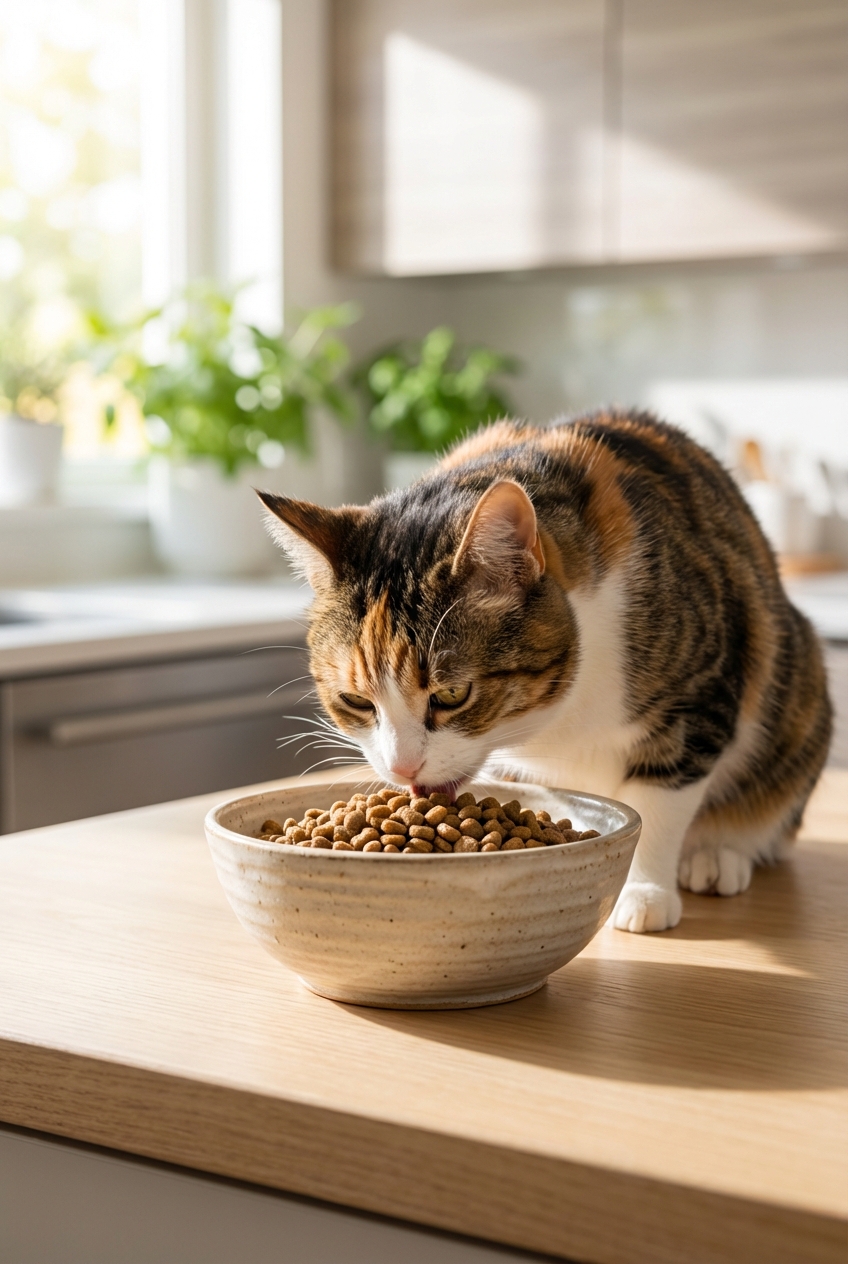
Taurine is a sulfur-containing amino acid that is found naturally in animal-based foods. It is especially concentrated in heart, dark muscle meats, and many organ meats. Unlike many species, cats have a limited ability to make taurine from other amino acids. They also use taurine to form bile acids, which creates normal, ongoing losses that must be replaced through diet.
That combination means taurine has to come from the diet, consistently, for life.
Why cats cannot live without it
In veterinary nutrition, taurine is considered an essential nutrient for cats . A prolonged deficiency can lead to life-altering, and sometimes irreversible, disease. The most well-documented conditions include:
- Heart disease: Taurine deficiency can cause dilated cardiomyopathy (DCM), where the heart becomes enlarged and weak.
- Vision damage: Low taurine is linked to feline central retinal degeneration, which can progress to blindness.
- Reproductive and developmental problems: Queens may have trouble conceiving or carrying kittens to term, and kittens may have poor growth and development.
- Digestive and systemic effects: Taurine supports bile acid function and many aspects of cellular health, which can affect digestion and whole-body resilience.
What makes this so important is that early signs can be subtle. In many cases, deficiency develops over months on an incomplete diet, and by the time a cat shows obvious symptoms, damage may already be underway.
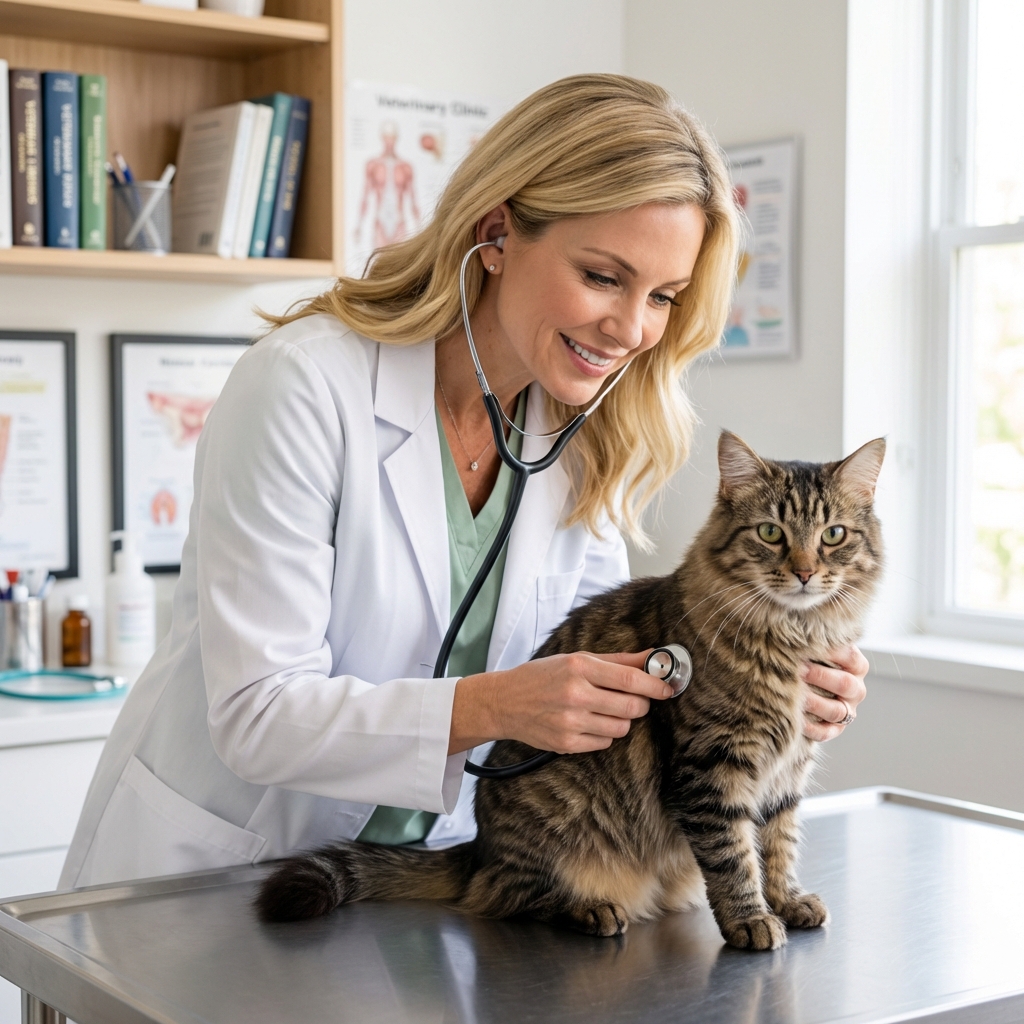
Signs of taurine deficiency
Taurine deficiency tends to develop over time, especially when a cat is fed a diet that is not complete and balanced for cats. Signs can vary depending on which body system is most affected.
Possible red flags
- Decreased energy or exercise tolerance
- Labored breathing or coughing (can relate to heart changes)
- Weight loss or poor body condition
- Dull coat and reduced overall vitality
- Vision changes, bumping into objects, hesitation in dim light
- In kittens: slow growth or weakness
These symptoms are not taurine-specific, which is why it is so easy to miss at home. If you notice any of the above, your veterinarian can help evaluate heart function, eye health, and overall nutrition.
Dietary sources of taurine
Taurine is naturally found in animal tissues. In practical terms, that means cats get taurine from foods like:
- Dark poultry meat
- Turkey and chicken hearts
- Beef and lamb
- Fish and shellfish (varies by type)
- Organ meats in general
One quick note on fish: while many types contain taurine, a fish-heavy or fish-only diet can create other nutrition and safety issues. It is best used as part of a balanced formula rather than a primary, long-term plan.
Commercial cat foods that meet recognized nutritional standards are formulated to include enough taurine. This is one reason veterinarians and veterinary nutritionists strongly encourage feeding a diet labeled as complete and balanced for cats , with an AAFCO (US) or FEDIAF (Europe) nutritional adequacy statement.
Cooking and processing
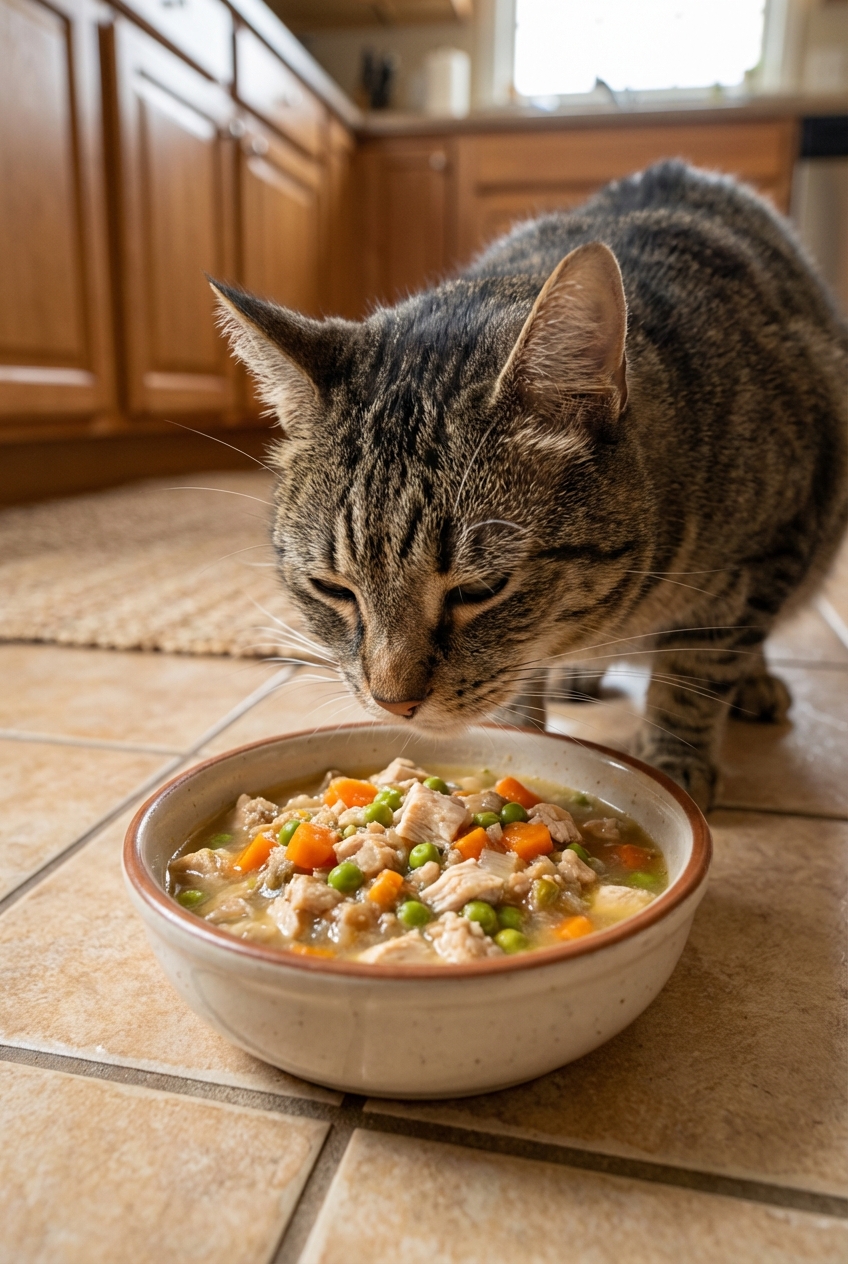
Yes, preparation can affect taurine levels. Taurine is water-soluble, so boiling meat and discarding the cooking liquid can reduce taurine content. Grinding can increase surface area and can increase losses during handling, and storage conditions can also affect nutrient retention over time.
That does not mean cooked food is bad. It simply means that homemade diets must be formulated carefully, because a cat cannot rely on guesswork for taurine.
Homemade and raw diets
I am all for pet parents being thoughtful about ingredients. But with cats, taurine is one of the biggest nutritional deal breakers. Many well-meaning homemade diets (especially those built from plain meat and rice, or recipes pulled from random internet posts) are not complete .
If you are considering homemade
- Work with a board-certified veterinary nutritionist , or use recipes from trusted veterinary nutrition sources.
- Use a complete feline supplement as directed, including taurine, rather than trying to DIY the micronutrients.
- Do not assume a dog-safe or human-healthy recipe is cat-appropriate. Cats have different requirements.
If raw feeding is on your mind, it is worth an extra conversation with your veterinarian about parasite risk, bacterial contamination, and how to keep the diet nutritionally complete.

Choosing a food with taurine
For most families, the simplest and safest approach is to choose a reputable commercial diet that is complete and balanced for your cat’s life stage. Here is what I recommend looking for:
- A nutritional adequacy statement indicating the food is complete and balanced for cats (kitten, adult maintenance, or all life stages). Look for AAFCO or FEDIAF wording, depending on where you live.
- Taurine listed in the ingredient panel or guaranteed analysis area (label placement varies by brand and region).
- Appropriate life stage for your cat, especially for kittens, pregnant cats, and seniors.
- Consistency and quality control from the manufacturer.
If your cat has a medical condition, your veterinarian may recommend a therapeutic diet. Those formulas are also designed with taurine requirements in mind.
Taurine supplements
Sometimes supplementation is appropriate, but it should be guided by a veterinarian, especially if a cat has heart disease, is on a homemade diet, or has other underlying issues. Taurine is generally considered very safe, but the bigger concern is this: supplementing taurine does not automatically fix a diet that is missing other essential nutrients.
If you are worried your cat may not be getting enough taurine, the best first step is to bring your cat’s diet details to your vet, including brand, formula, treats, and any toppers. If there is concern about DCM or retinal changes, your veterinarian may recommend specific testing rather than supplementing blindly.
The takeaway
Taurine is one of those nutrients that reminds us cats are true carnivores, not just picky eaters. They need taurine every day to support healthy eyes, a strong heart, and a body that can thrive long-term.
If you want to make one simple, high-impact nutrition choice for your cat today, feed a complete and balanced feline diet, and avoid untested homemade recipes that may leave taurine and other essentials too low.
If you would like, share your cat’s age, current diet, and any health concerns, and I can help you think through what questions to ask your veterinarian and what to look for on labels.