Ever wonder why your cat kneads blankets or your lap? Discover the instinctive reasons—from kitten comfort to scent marking—plus when it may signal stres...
Article
•
Designer Mixes
Why Cats Knead Their Owners

Shari Shidate
Designer Mixes contributor
If you have ever settled onto the couch only to have your cat start rhythmically “making biscuits” on your lap, you are in very good company. Kneading is one of the most common cat behaviors I get asked about in my work as a veterinary assistant. It can be incredibly sweet, mildly confusing, and sometimes downright painful.
The good news is that kneading is usually normal, healthy feline behavior. With a few small tweaks, you can keep the bonding and lose the bruises.
What kneading looks like
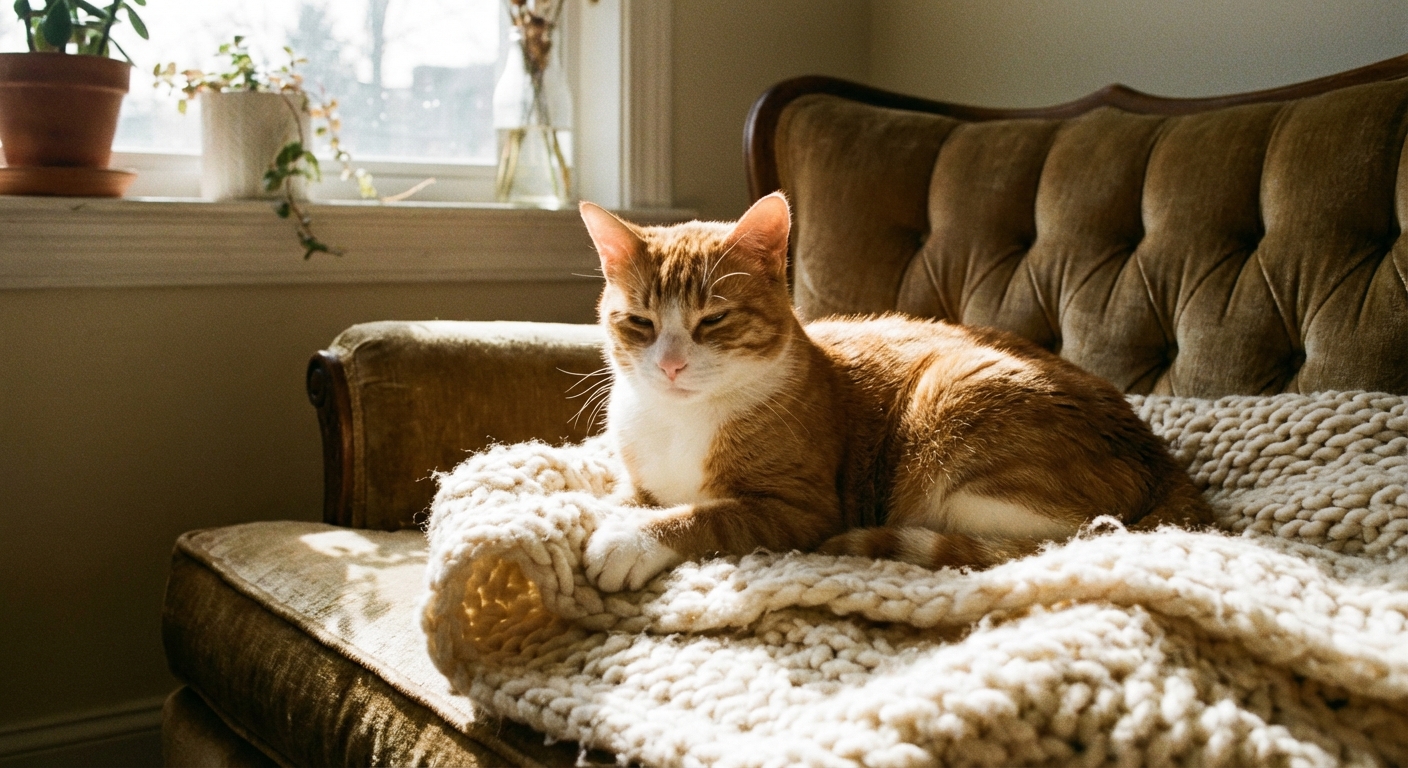
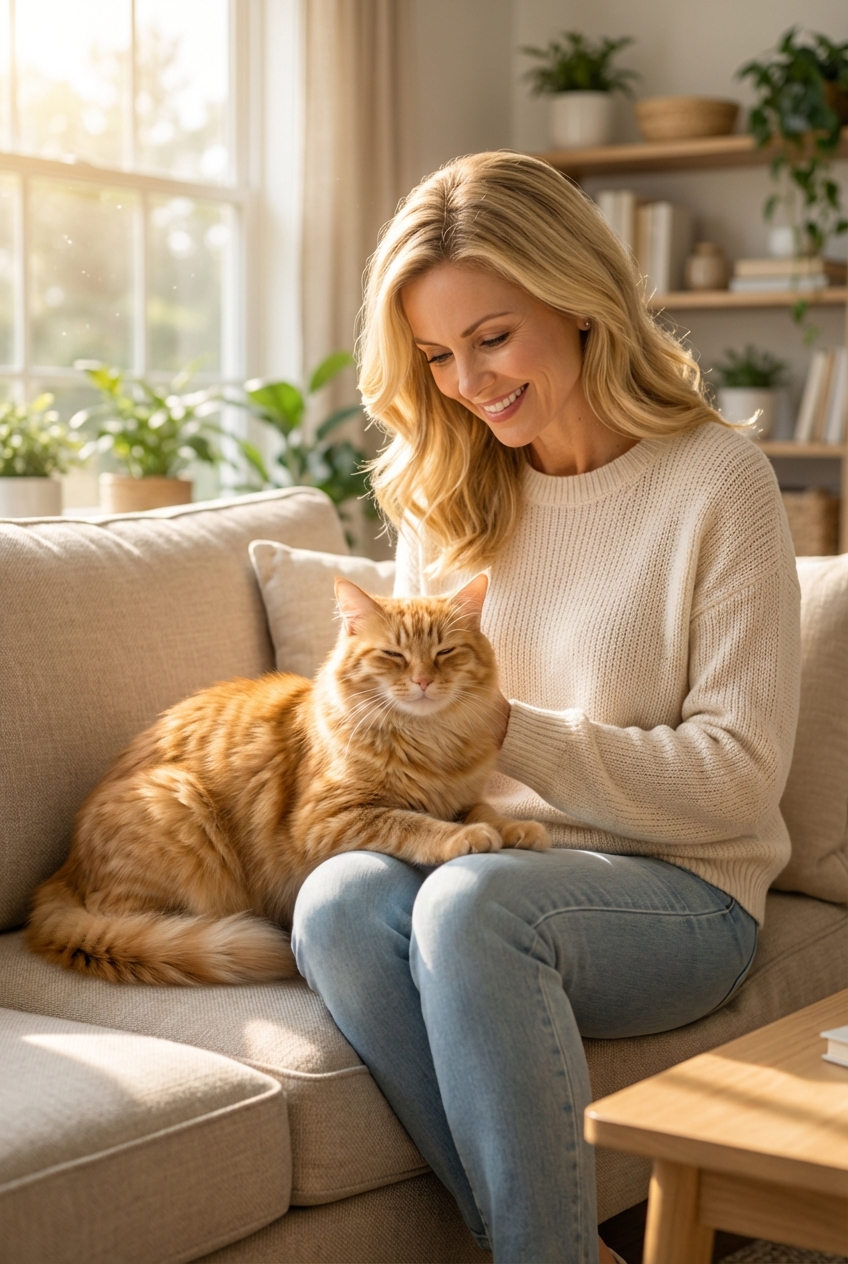
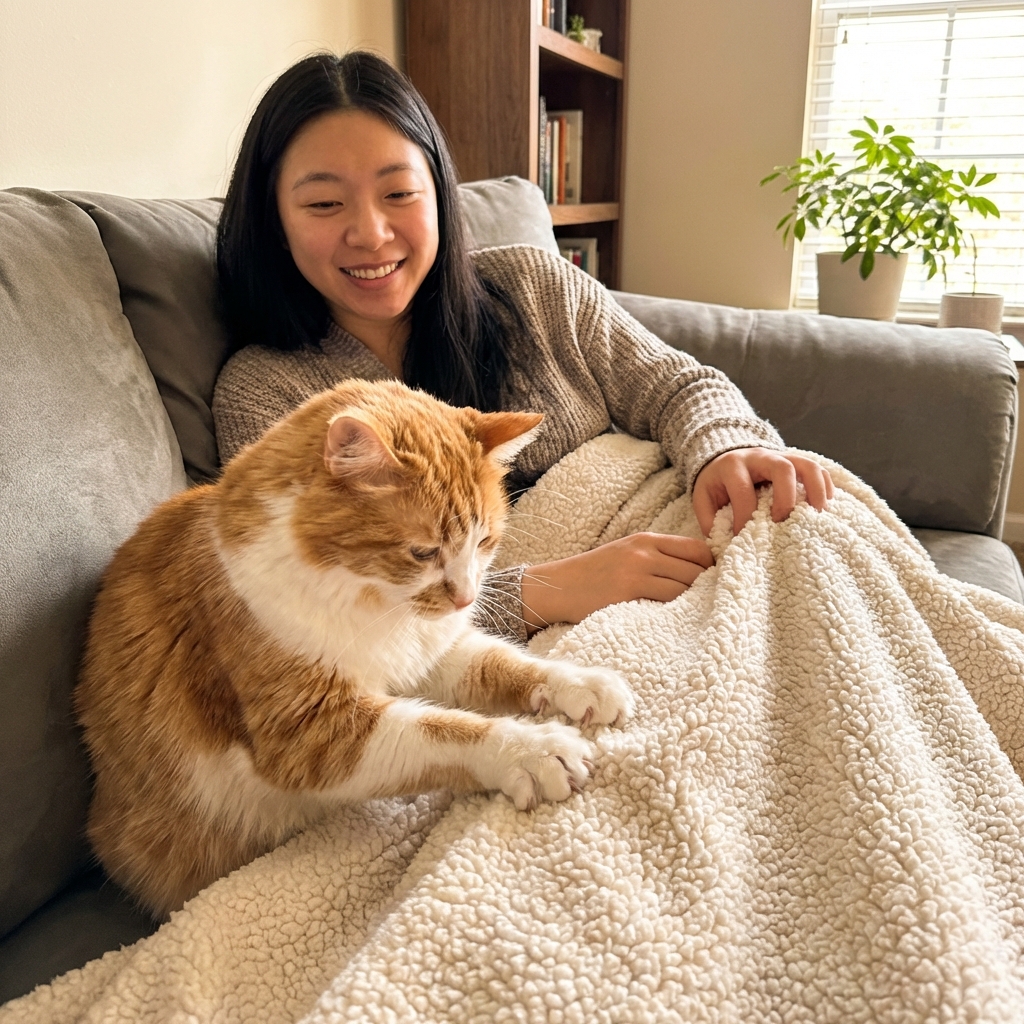
Kneading is the repetitive pushing motion cats do with their front paws, alternating left and right. Many cats purr, drool, or appear half asleep while they do it. Some cats knead blankets, some knead other pets, and some very specifically choose one favorite human.
Most of the time, kneading is a sign your cat feels safe and content. It can also be a way of self-soothing or communicating a need, like attention or comfort.
Why cats knead owners
1) A comforting kitten reflex
When kittens nurse, they knead their mother’s belly to help stimulate milk flow. That early association can stick. As adults, many cats knead when they are relaxed because it is a familiar, soothing behavior tied to warmth and security.
2) Affection and bonding
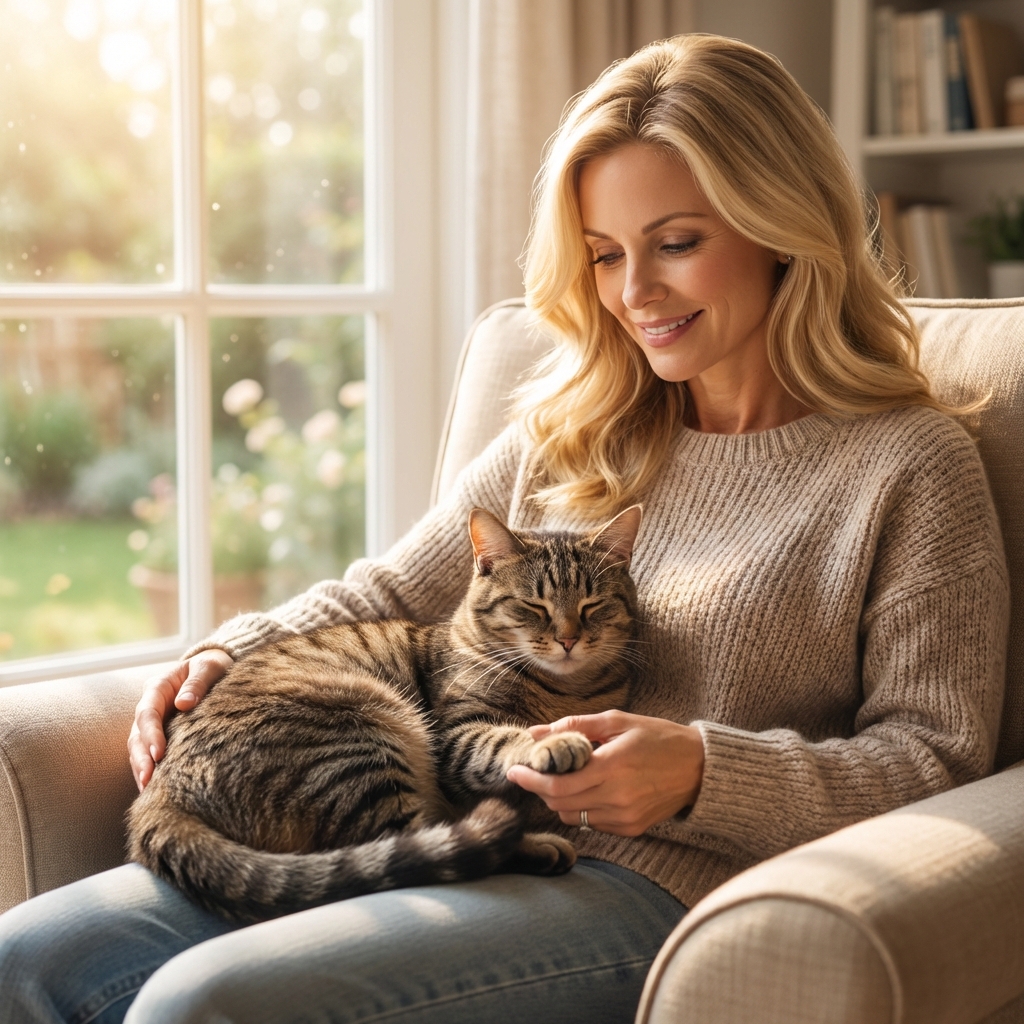
When your cat kneads you, they are often treating you like a trusted “safe place.” It is a compliment in cat language. Many cats knead right before curling up to nap, which is essentially them saying, “I choose you.”
3) Scent sharing
Cats have scent glands in their feet. Some behavior experts believe kneading may help transfer scent to a person or a favorite blanket, which can make that spot feel familiar and comforting. This may also be why some cats knead the same hoodie, throw, or corner of the couch again and again.
4) Settling in
Some experts think kneading also relates to making a comfortable resting area, like pressing down soft material before lying down. Your lap is warm, soft, and conveniently available, so your cat may be “prepping the nest” before settling in.
5) Stress relief
Kneading can function like a self-calming tool. Some cats knead more when there are changes at home such as visitors, a move, a new baby, a new pet, loud construction, or even schedule changes. If kneading increases suddenly, it can be a clue your cat needs more stability and enrichment.
When kneading is a problem
Kneading itself is not typically a sign of illness. But it can become an issue in a few situations:
- It hurts. Claws plus thin pajama pants can be a lot.
- It escalates into biting or overstimulation. Some cats get wound up during petting sessions.
- It becomes excessive or starts suddenly. A big change in behavior can signal stress or discomfort.
- There is new drooling, vocalizing, or clinginess. Sometimes this is still normal affection, but it is worth paying attention.
If your cat’s kneading is paired with other changes such as hiding, appetite changes, litter box accidents, limping, sensitivity when touched, or unusual agitation, check in with your veterinarian. Pain and anxiety can show up as behavior changes first.
How to stop the pain
Use a “kneading buffer”
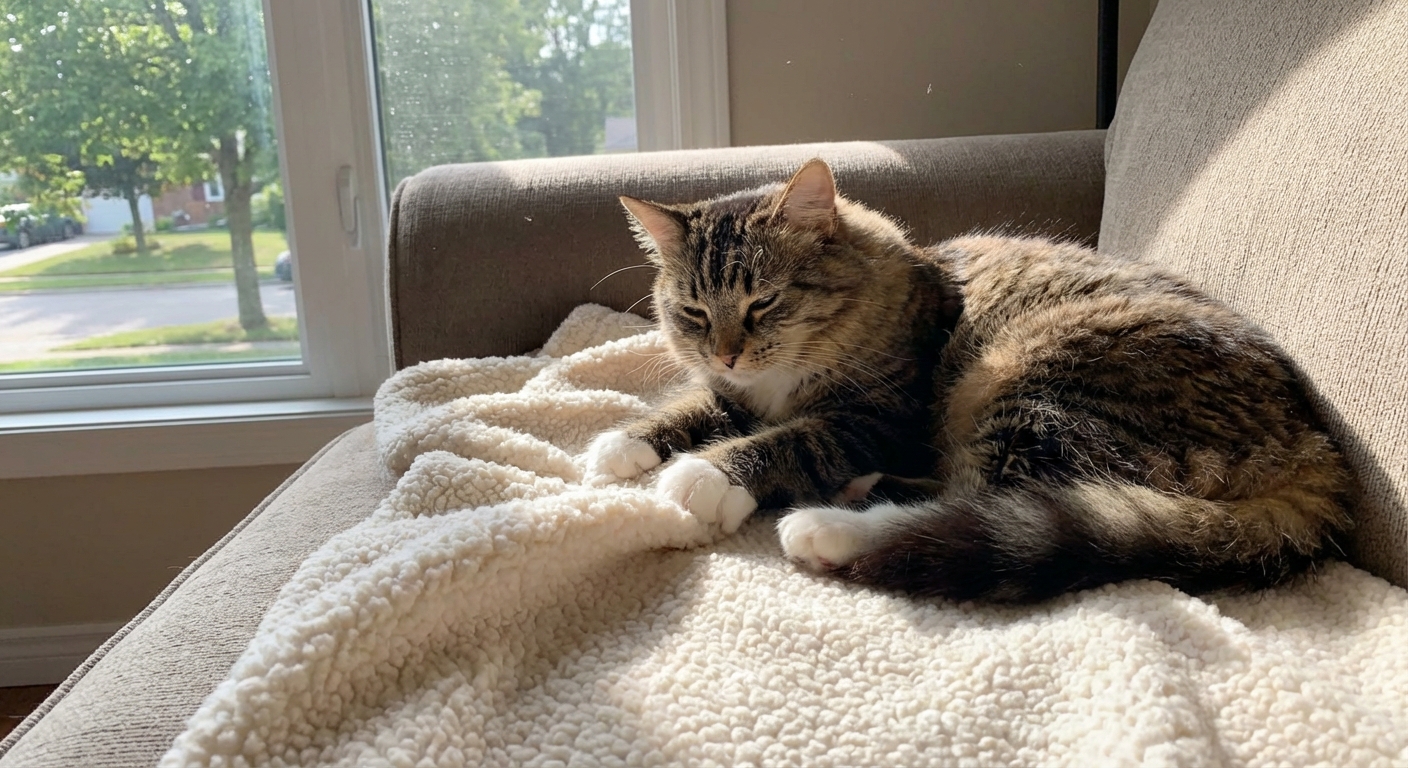
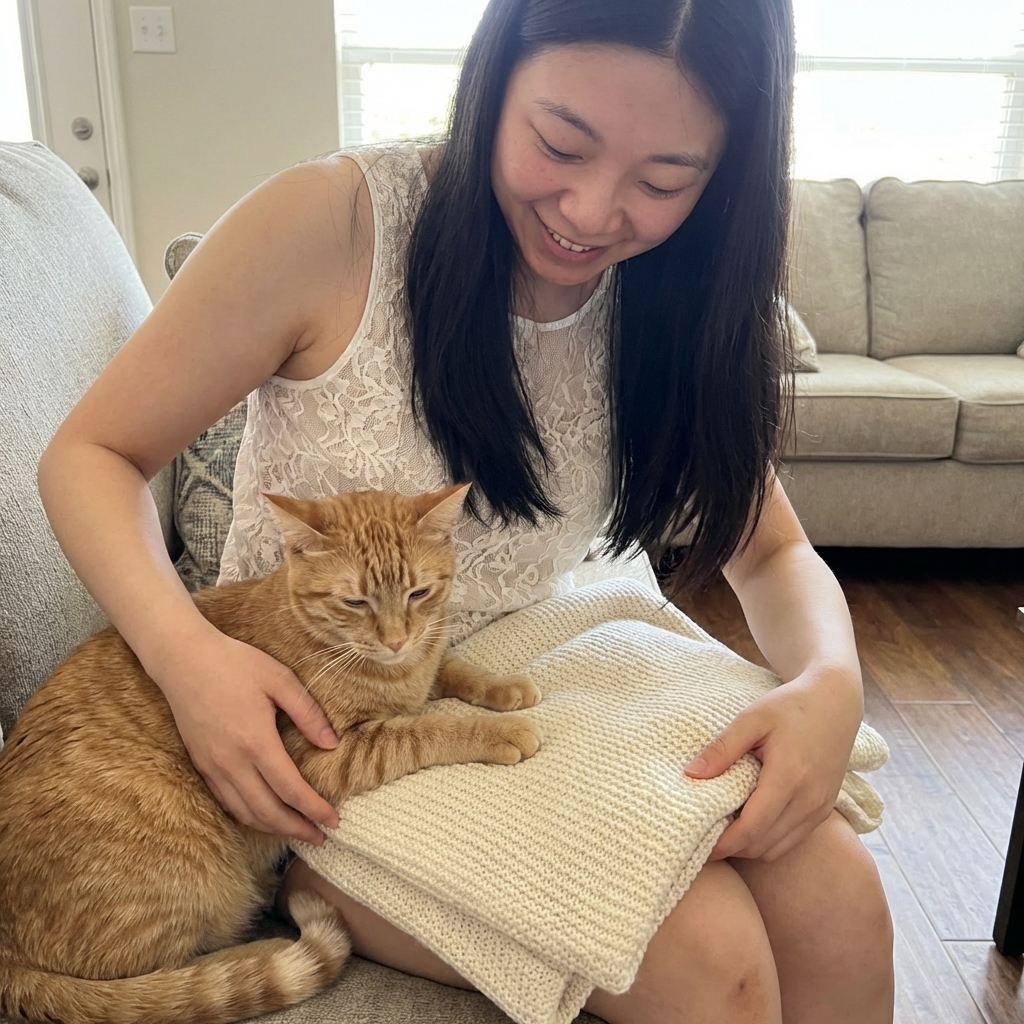
This is the simplest fix and it works beautifully. Keep a thick blanket, folded towel, or a cat-specific lap pad nearby. When your cat starts to knead, gently slide the buffer under their paws.
- Choose fleece, sherpa, or quilted fabric for more padding.
- Leave the buffer in your cat’s favorite spot so it builds a comforting scent.
Trim nails and consider caps
Regular nail trims can turn kneading from painful to pleasant. If your cat tolerates it, a trim often every 2 to 4 weeks is a common schedule, but some cats need more or less.
Soft nail caps can be an option for some cats, especially if kneading is causing scratches. They should be applied correctly, checked regularly, and replaced as they grow out. Some cats will chew at them or develop irritation, so they are not the best fit for every household. If you are unsure, ask your vet team to demonstrate proper application and what to monitor.
If nail trims are a struggle, ask your vet clinic or groomer for help. Many clinics can show you safe handling and how to avoid the quick.
Redirect gently
When kneading hurts, it is tempting to push your cat away. The trouble is that sudden reactions can startle sensitive cats and may increase anxiety.
Try this instead:
- Stay calm and pause petting.
- Place the blanket buffer under paws.
- If needed, lure your cat to a nearby bed or blanket with a treat or toy.
- Reward when they knead the appropriate surface.
Offer better kneading spots
Some cats knead because they want a soft, secure surface. Give them a few options:
- A plush cat bed with raised sides
- A fleece throw on the couch
- A heated cat pad made for pets (follow safety directions)
You can place the blanket where they already like to knead. If your cat responds well to catnip, a tiny pinch rubbed into the fabric can make it extra appealing.
Reduce stress and add enrichment
If kneading increases during stressful times, focus on making your cat’s day more predictable and fulfilling:
- Keep feeding and playtime on a steady schedule.
- Add a daily 5 to 10 minute interactive play session (wand toys are great).
- Provide vertical space like a sturdy cat tree or window perch.
- Use pheromone diffusers in multi-cat or high-change homes.
A note on declawing
If kneading is hurting you, it is understandable to look for a fast fix. Declawing is not a behavior solution. It is a painful surgery that can lead to long-term issues, including litter box and biting problems. Talk with your veterinarian about kinder alternatives like trimming, buffers, training, and nail caps when appropriate.
Common questions
Does kneading mean my cat is happy?
Often, yes. Most cats knead when they feel safe, comfortable, and affectionate. Context matters, though. If your cat also seems tense, startles easily, or is kneading constantly after a stressful event, think of it as self-soothing rather than pure happiness.
Why does my cat knead and bite me?
This can happen when your cat becomes overstimulated. Some cats go from relaxed to “too excited” quickly. Try shorter petting sessions, avoid sensitive areas (often the belly and lower back), and redirect with a toy before arousal spikes.
Why does my cat drool while kneading?
For some cats, drooling during kneading is a normal sign of deep relaxation. If drooling is new, heavy, or paired with bad breath, pawing at the mouth, gagging, decreased appetite, or hiding, schedule a vet visit to rule out dental disease, oral pain, nausea, or exposure to an irritant or toxin.
Do male and female cats knead?
Yes. Kneading is common in cats of any sex. Individual personality, early weaning, stress levels, and learned comfort routines tend to matter more than whether a cat is male or female.
When to call the vet
Reach out for veterinary guidance if you notice:
- Sudden, intense increase in kneading along with clinginess or agitation
- Behavior changes plus appetite loss, vomiting, hiding, or litter box changes
- Signs of pain such as flinching, growling, limping, or avoiding touch
- New drooling, mouth odor, difficulty eating, or pawing at the mouth
Most kneading is perfectly normal, but you know your cat best. If something feels “off,” it is worth checking.
Bottom line
Kneading is one of those behaviors that reminds us cats are both wild and wonderfully sentimental. It is typically a comforting habit from kittenhood, mixed with affection and scent sharing. With a simple lap blanket, routine nail trims, and gentle redirection, you can keep kneading as a cozy bonding moment instead of a painful one.