Discover the Turkish Van’s bold, athletic personality—plus why many love water. Get practical grooming, nutrition, litter box, and enrichment advice to p...
Article
•
Designer Mixes
Why Cats Hate Water (And the Breeds That Don’t)

Shari Shidate
Designer Mixes contributor
Most cats are famous for giving water a hard no. But from a veterinary assistant perspective, that “hate” is usually a mix of biology, comfort, and past experience, not attitude. The fun twist is that some cats genuinely enjoy water, and a few breeds are known for splashing, fishing toys out of bowls, or even hopping into the shower with their people.
Let’s break down why water is such a big deal for many cats, which breeds tend to like it, and how to keep water exposure safe and low-stress.
Why many cats dislike water
1) Their coat gets heavy and uncomfortable
Cat fur is designed to insulate and protect. When it gets soaked, it can feel heavy, clingy, and cold. Many cats also have an undercoat that holds moisture close to the skin, so the “wet feeling” can linger long after the splash.
2) Cats are meticulous about feeling “right”
Cats spend a significant portion of their day grooming. A wet coat disrupts the feel and scent they work so hard to maintain. From your cat’s perspective, water can undo a whole day’s worth of careful self-care.
3) Startle response and sensory sensitivity
Cats are wired to react fast to sudden stimuli. Unpredictable splashes, the sound of running water, and the sensation of being wet can all trigger a startle response. Many cats are also sensitive to touch and noise, so water can simply be too intense.
4) Slippery footing feels unsafe
A wet tub, sink, or shower floor is slick. Cats rely on secure footing for confidence and escape routes. If they feel unstable, they will avoid the entire situation. This is a big reason some cats panic during baths, even when the water itself is warm.
5) Negative early experiences
One stressful bath as a kitten, a slip in the tub, or being sprayed as punishment can create lasting avoidance. Cats learn quickly through association. If water equals “I felt trapped,” the dislike can be strong and persistent.
6) Evolution plays a role, but not the whole story
Domestic cats descend primarily from the African wildcat, a species adapted to relatively arid environments where swimming was not a daily survival skill. That said, many wild felines hunt near water, and some are strong swimmers. So it is less “cats hate water by nature” and more “many cats did not evolve to enjoy being soaked without a reason.”
Do cats hate water or just baths?
This is an important distinction. Plenty of cats dislike being submerged or restrained for a bath, but are perfectly fine with water on their own terms. You may notice your cat:
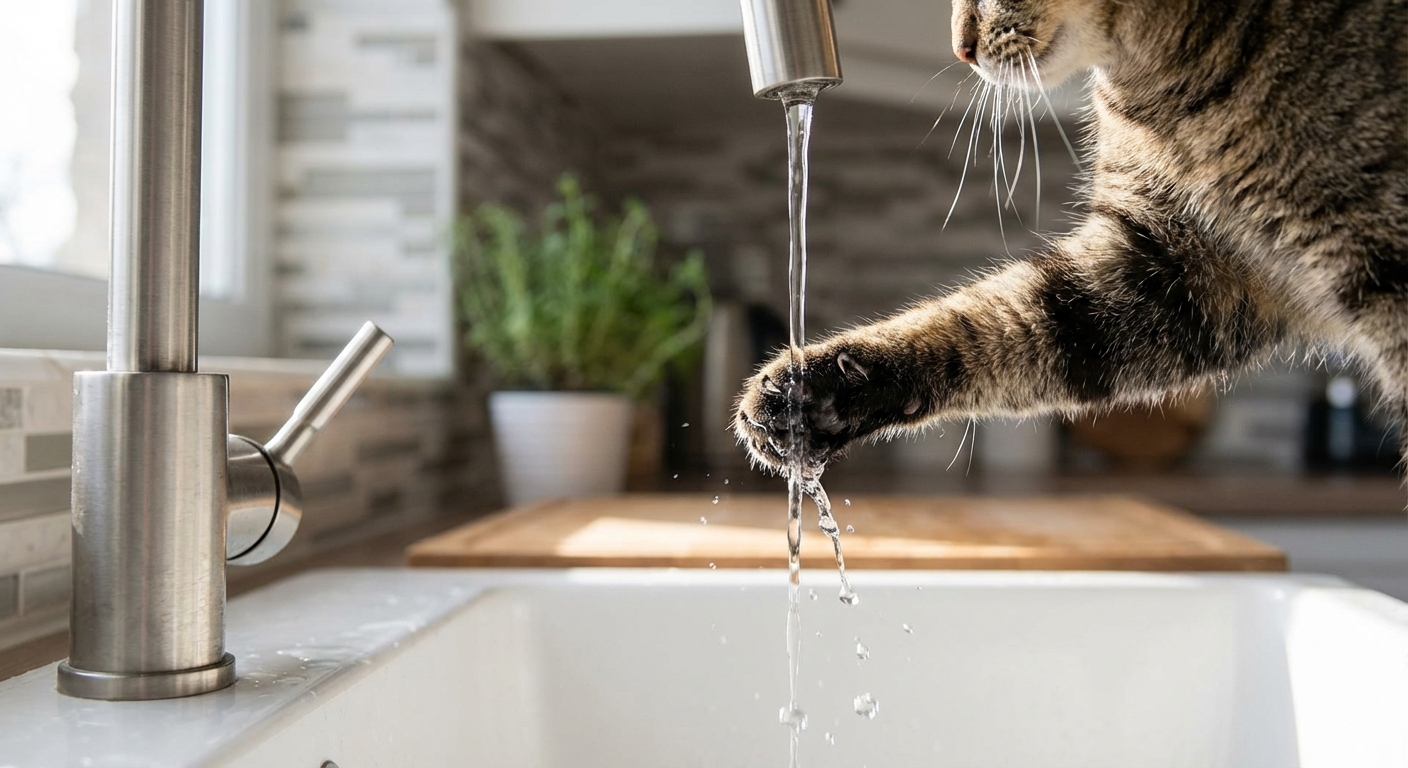
- Drinks from a dripping faucet
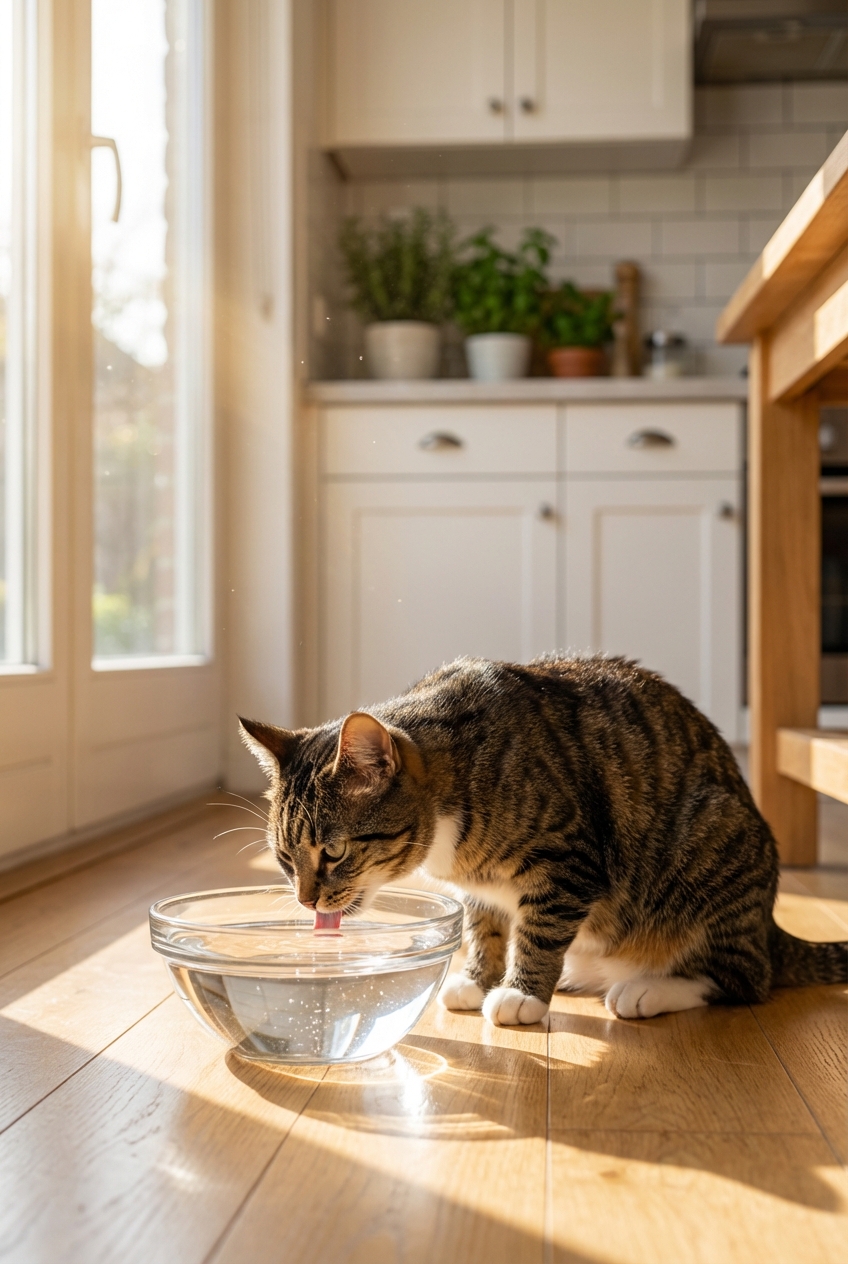
- Pats the water in their bowl
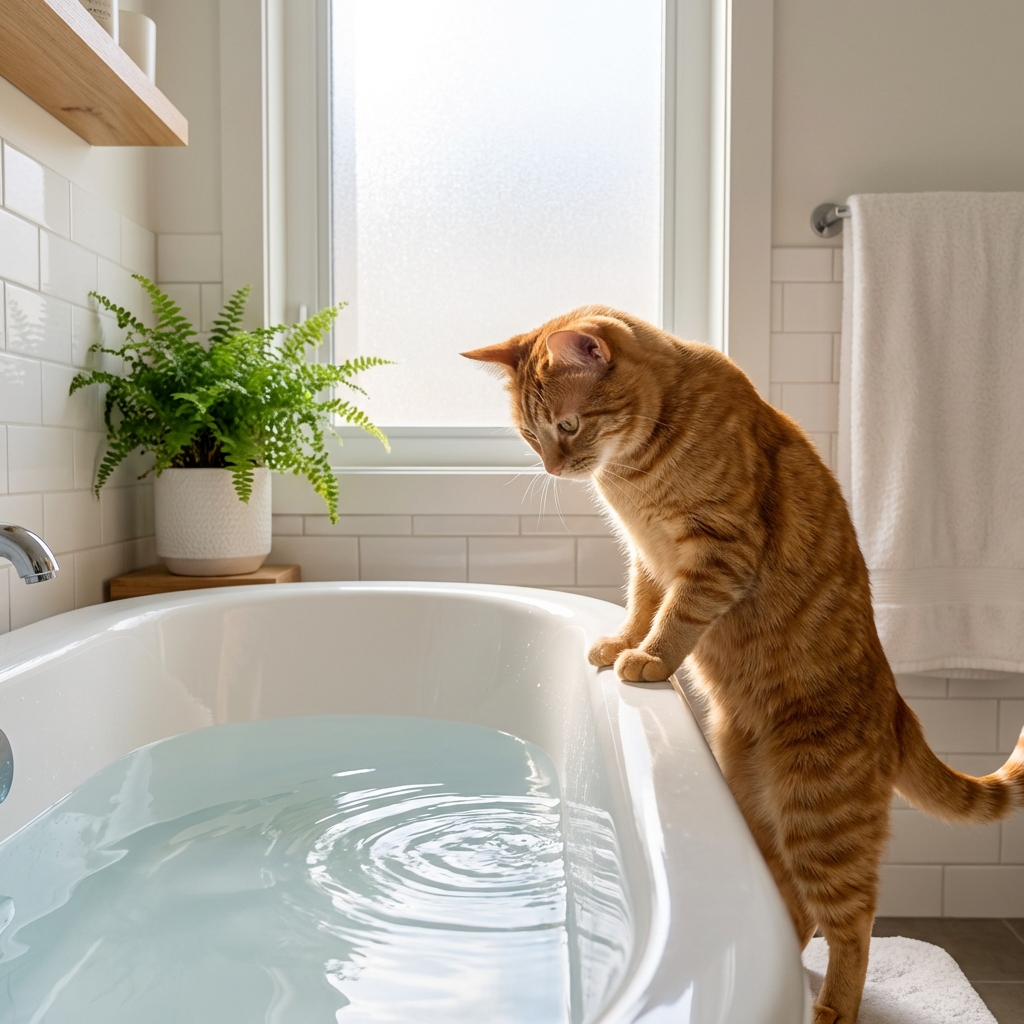
- Sits on the edge of a tub and watches water run
- Plays with ice cubes in the sink
When the cat has choice, traction, and control, “water hate” often softens into cautious curiosity.
Breeds that often like water
Every cat is an individual, and personality matters more than a pedigree. Still, some breeds have a well-known tendency to be water-tolerant or water-curious. Quick note: evidence here is mostly anecdotal and based on owner reports, and individual variation is huge.
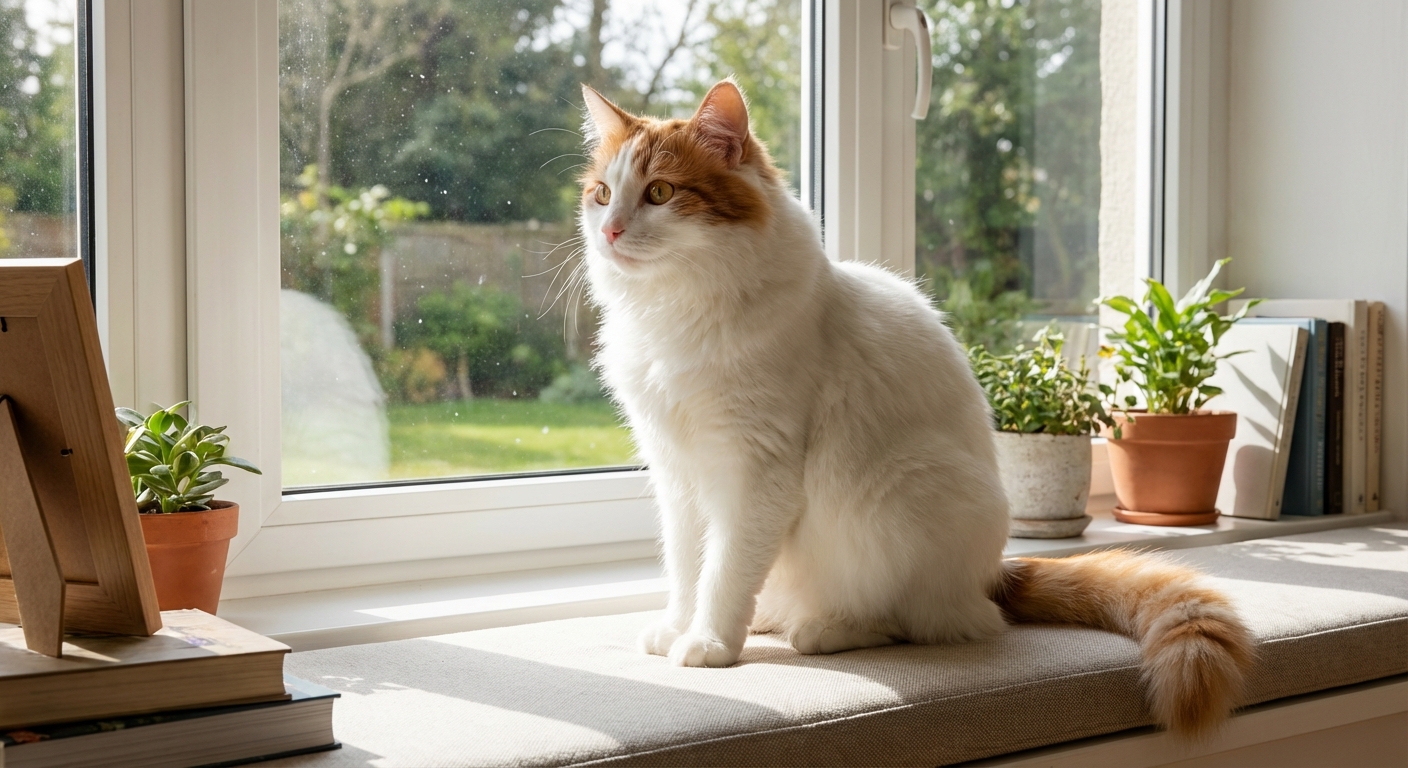
Turkish Van
Often nicknamed the “swimming cat,” Turkish Vans are one of the most famous water-friendly breeds. Many enjoy playing in shallow water and may willingly step into a tub.
Maine Coon
Maine Coons commonly show water curiosity, like dipping paws, playing with running water, or joining you in the bathroom. Their coat is somewhat water-resistant, which may make the experience less unpleasant.
Bengal
High-energy and playful, Bengals frequently seek out water as entertainment. It is not unusual for them to splash in bowls or follow faucets.
Abyssinian
Abyssinians tend to be bold, active, and curious. Many will investigate water and “help” you with sinks and showers.
Norwegian Forest Cat
This breed’s thick coat can be more water-repellent than the average cat’s, and many Norwegian Forest Cats show less aversion to getting wet.
American Shorthair and mixed-breed cats
You do not need a rare breed to get a water-loving cat. Plenty of domestic shorthairs and mixed-breed cats enjoy water play, especially if they were exposed gently when young.
Reality check: Some individuals of these breeds will still hate water. And some “typical bath-haters” like Persians or Siamese may surprise you. Your cat’s early experiences and confidence level matter a lot.
Signs your cat is water-curious
Look for these behaviors:
- They hang around when you run the faucet or shower.
- They paw at water and do not immediately flee.
- They like toys that float or bob.
- They tolerate a damp washcloth during grooming.
- They show curiosity rather than panic around the tub or sink.
If your cat shows fear signals like dilated pupils, crouching, tail tucked, ears pinned back, growling, or frantic scrambling, take it as a clear “not today.”
Water play without stress
If you want to explore water play, keep it gentle and optional. The goal is confidence, not compliance.
Start shallow
Use a baking tray, a shallow dish, or a clean sink with just a thin layer of lukewarm water. Add a floating toy. Let your cat choose whether to step in.
Offer traction
Place a towel or non-slip mat in the sink or tub. This one change can make a huge difference because it eliminates the slippery panic.
Use positive reinforcement
Toss treats near the water, then gradually closer over multiple sessions. Praise calmly. If your cat backs away, you went too fast.
Avoid forcing and punishment
Spraying a cat with water as discipline often increases stress and can create negative associations with both you and the environment. For behavior issues, use enrichment, redirection, and feline-friendly management instead.
Keep it safe
- Never leave a cat unattended around a full tub, pool, or bucket.
- Keep toilet lids closed, especially with curious kittens.
- Avoid hot water and sudden temperature changes.
- Skip deep water. Most “water cats” still prefer shallow play.
Keep sessions short
One to three minutes is plenty at first. End on a good note.
When baths are needed
Most healthy cats rarely need full baths because grooming does the job. Baths may be recommended for situations like:
- Flea infestations (along with vet-approved flea prevention)
- Sticky or greasy substances in the coat
- Medical needs, such as certain skin conditions, only under veterinary guidance
- Senior or obese cats who cannot groom well
If you are dealing with mild dirt or dander, you can often skip a full bath and use alternatives like brushing and combing, spot-cleaning with a damp cloth, pet-safe grooming wipes, or a veterinarian-approved waterless shampoo.
Extra caution: Cats with wounds, significant skin disease, respiratory illness, or extreme fear should be bathed only with veterinary guidance.
If a bath is necessary, here are vet-assistant-approved comfort tips:
- Trim nails first and have everything ready before you bring your cat in.
- Use lukewarm water and keep the water level low.
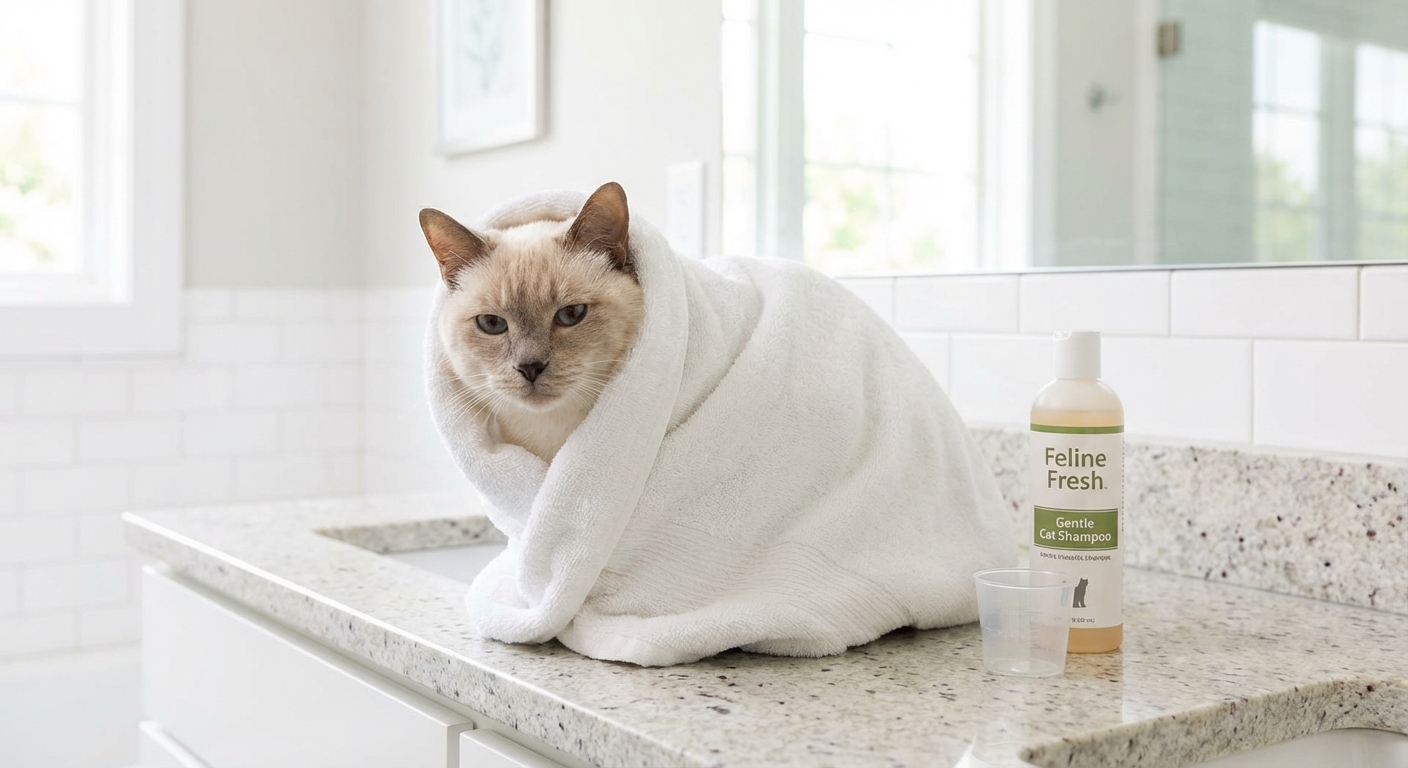
- Use a cat-specific shampoo. Never use human shampoo. Avoid products with essential oils or strong fragrances, since they can irritate skin and some ingredients can be toxic to cats.
- Go slow and support the body. Avoid spraying the face. Use a damp cloth for the head.
- Dry thoroughly with towels. Some cats tolerate a low, quiet dryer at a distance, but many do not.
If your cat becomes aggressive or panicked during bathing, talk with your veterinarian. Sometimes the kindest plan is professional grooming support, or a medical strategy for sedation only when truly necessary.
Hydration still matters
Even if your cat does not like getting wet, they still need good hydration. Many cats naturally drink small amounts and may get a lot of their water from food, especially if they eat wet diets. Cats on dry food often take in less total water unless we help them out.
Inadequate water intake is associated with lower urine volume and more concentrated urine, and it may contribute to urinary tract problems in susceptible cats.
Simple hydration upgrades you can try:
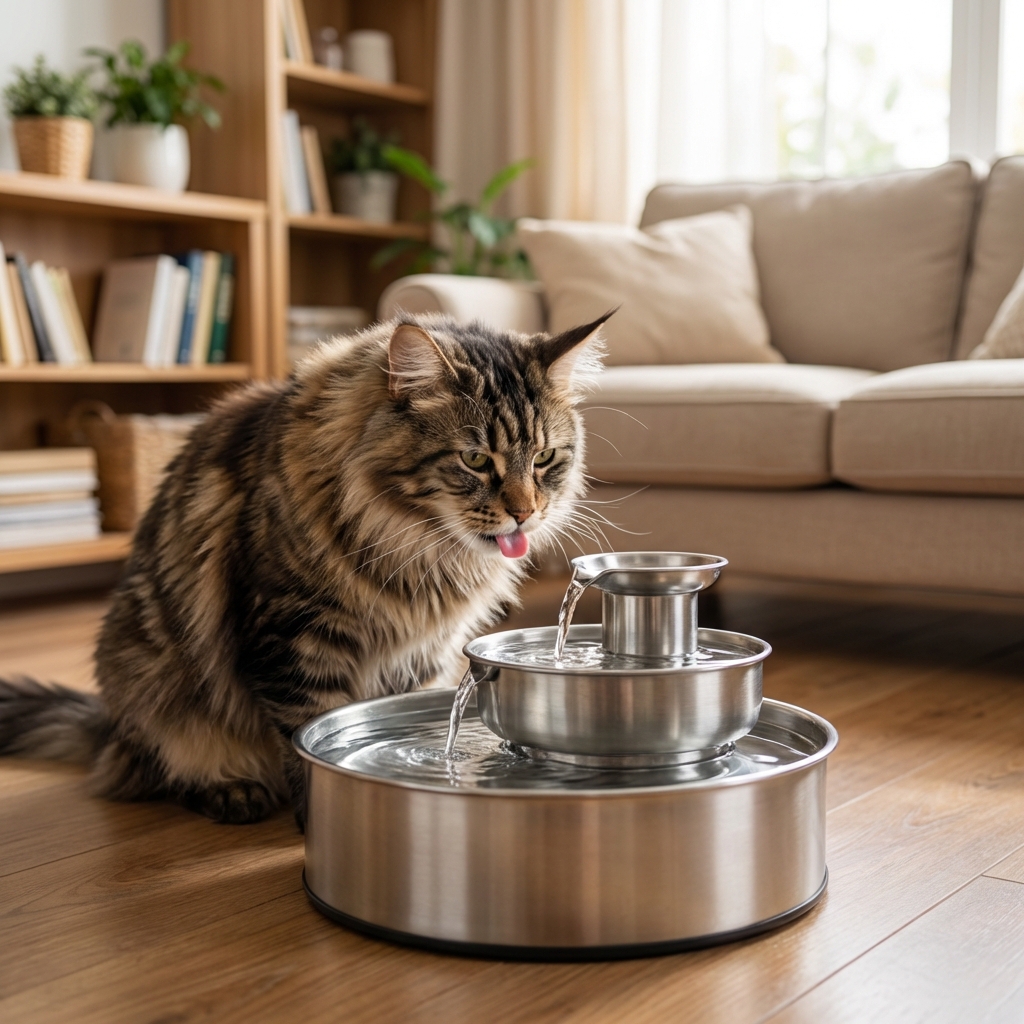
- Offer a cat water fountain (many cats prefer moving water).
- Keep bowls wide and shallow to reduce whisker stress.
- Place water in multiple quiet locations away from litter boxes.
- Add wet food or mix a little water or cat-formulated broth into meals.
Quick takeaways
- Most cats avoid water because wet fur feels heavy, cold, and uncomfortable, and slippery surfaces feel unsafe.
- Many cats do not hate water itself. They hate forced baths.
- Breeds often known for water curiosity include Turkish Van, Maine Coon, Bengal, Abyssinian, and Norwegian Forest Cat, but it varies widely by individual.
- If you introduce water play, keep it shallow, warm, non-slip, supervised, and 100% optional.
- Hydration is essential, and fountains and wet food can help even “water-haters.”