Cats may eat grass from instinct, nausea, fiber-like effects, or boredom. Learn why vomiting happens, what’s normal vs a red flag, and safer options like i...
Article
•
Designer Mixes
Why Cats Eat Grass

Shari Shidate
Designer Mixes contributor
If you have ever watched your cat wander over to a patch of grass and start nibbling like a tiny lawn mower, you are not alone. Many cats eat grass, even cats who live indoors and have a perfectly balanced commercial diet. As a veterinary assistant, I can tell you this behavior is often normal, but it can also be a clue that something needs attention.
Quick note on scope: This article can help you decide what is typical versus concerning, but it cannot diagnose your cat. When in doubt, a call or visit with your veterinarian is the safest next step.
The short answer
Cats may eat grass for a few evidence-based reasons: to support digestion, to help move hair through the GI tract, to relieve nausea, and sometimes simply because they like the texture and taste. Grass is not considered an essential nutrient for cats, but it can act like a natural source of fiber and roughage.
Is it normal?
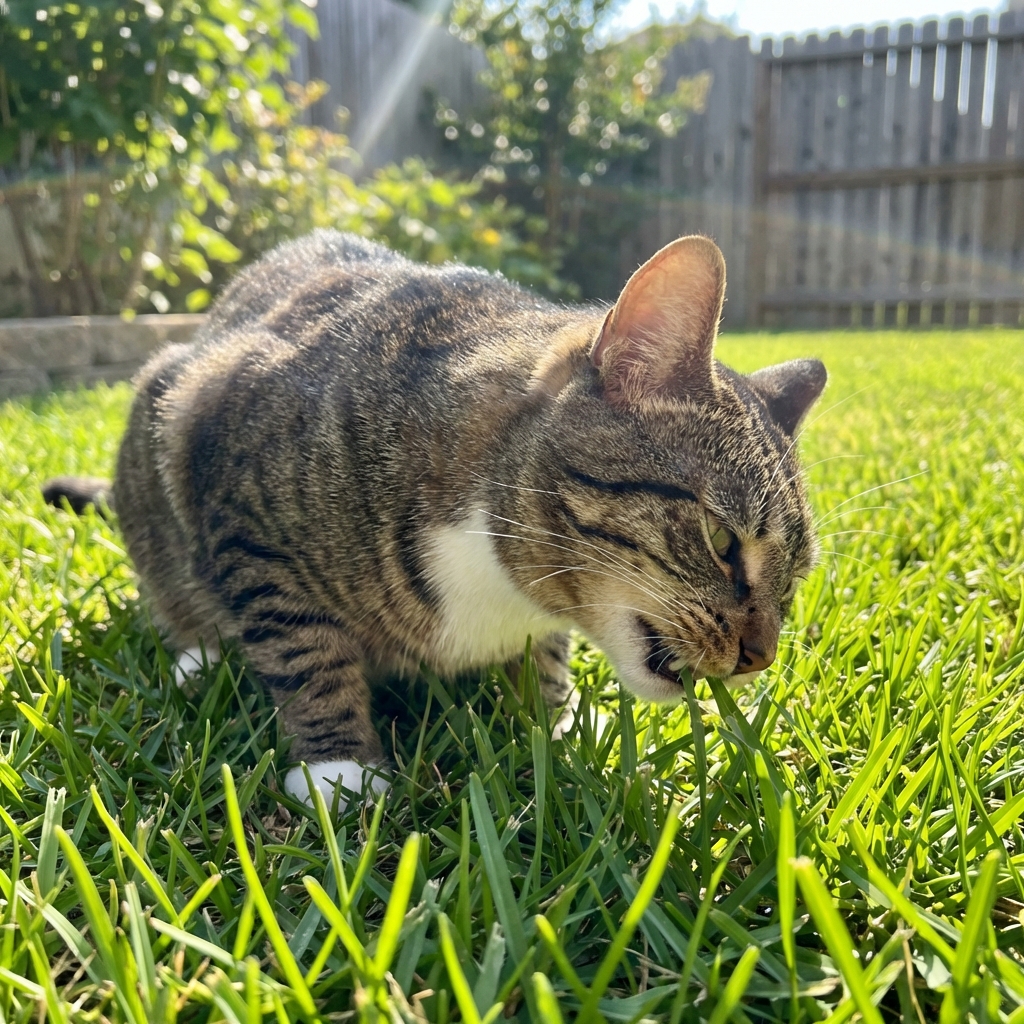
For many cats, yes. Survey-based studies and day-to-day veterinary experience suggest grass eating is common in otherwise healthy cats. Some cats will nibble a small amount and walk away. Others may eat it and then vomit. That can look alarming, but occasional grass-related vomiting can be part of the pattern for that individual cat.
That said, common does not always mean harmless. What matters most is how often it happens, how your cat acts afterward, and what they are actually chewing.
Top reasons cats eat grass
1) Fiber for digestion
Grass contains insoluble fiber, which can help stimulate intestinal movement. Some cats may be drawn to grass when their stool is a little firm, their routine changes, or their gut is moving more slowly than usual.
2) Hair management
Cats swallow hair during grooming. Fiber and rough plant material can help move hair through the digestive tract. Some cats vomit after eating grass, but others simply pass hair in the stool more easily.
3) Nausea or tummy discomfort
Some cats seek out grass when they feel mildly nauseated. In these cases, you might see other subtle signs too, like lip licking, drooling, lip smacking, crouching, hiding, or eating less.
4) Instinct and enrichment
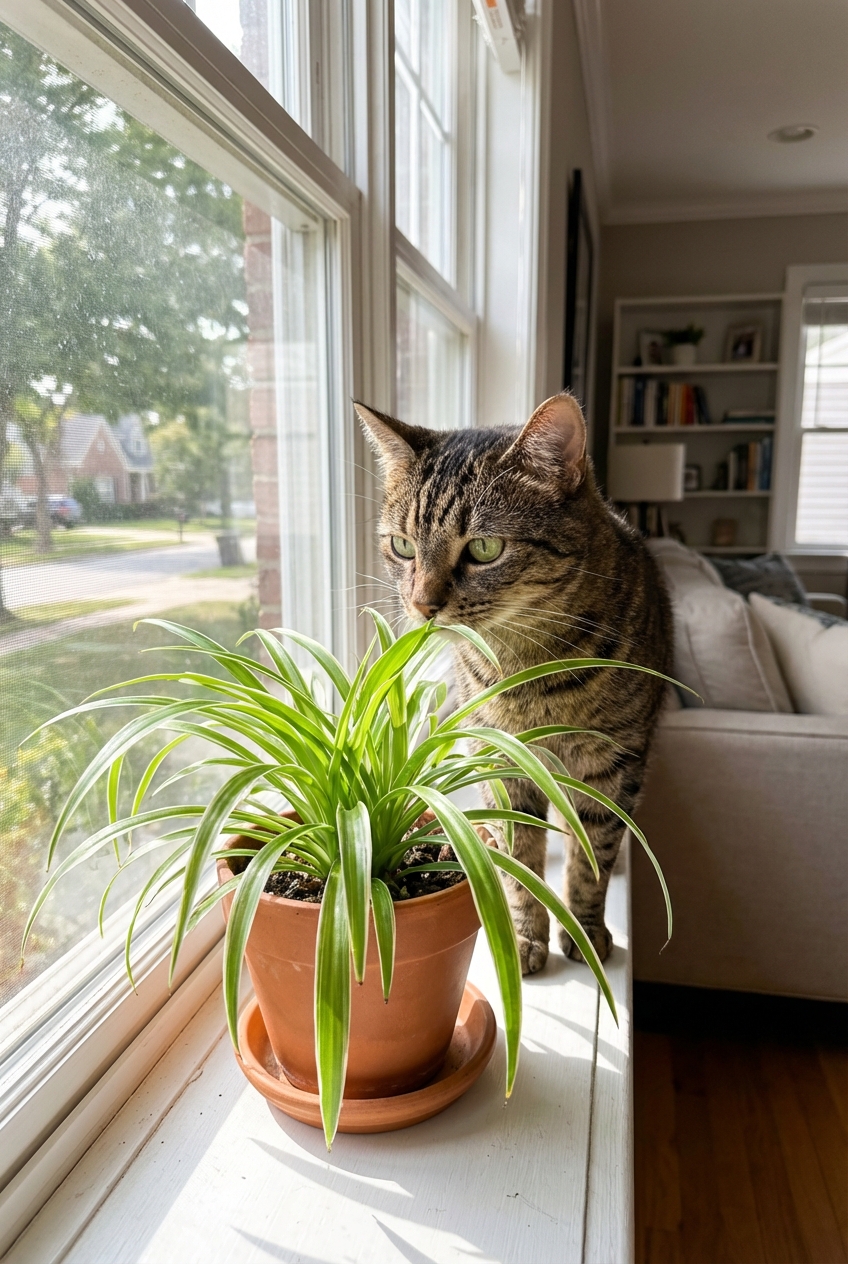
Even well-fed cats have strong instinctive behaviors. Chewing plants can be a form of sensory enrichment, similar to chewing on safe toys. Indoor cats, especially, may explore grass-like houseplants out of curiosity or boredom.
5) Micronutrients (possible but not the main reason)
Grass has small amounts of vitamins, including folic acid, and other plant compounds. But cats are obligate carnivores. Most cats are not eating grass because they “need greens” the way some other animals do. It is more likely about fiber, stomach sensation, or instinct.
Why some cats vomit after
Not every cat vomits after eating grass, but it does happen. Grass may trigger vomiting due to its rough texture, especially if a cat eats quickly or swallows longer blades. Vomiting can also happen if the cat already feels nauseated and then adds rough plant material on top of that.
Occasional vomiting with grass may be normal for your cat, but vomiting should not become a routine event you ignore. Frequent vomiting can lead to dehydration and weight loss, and it can be a sign of underlying disease.
When it can be a red flag
Please consider a veterinary visit if you notice any of the following:
- Frequent vomiting (as a general guideline, more than once a week, or any pattern that is increasing)
- Retching with little or no vomit (could indicate a foreign body or obstruction)
- Diarrhea, especially persistent or bloody stool
- Loss of appetite or weight loss
- Lethargy or hiding more than normal
- Excessive plant chewing that feels frantic or new
- Signs of abdominal pain such as hunched posture, growling when picked up, or reluctance to move
Cats are masters at acting “fine,” so trust your instincts. If something feels off, it is worth getting checked.
Also worth mentioning: If your cat starts chewing non-food items (strings, plastic, fabric) or obsessively eats plants, that can be a form of pica and warrants a vet conversation.
Biggest safety issue
Outdoor grass and many indoor plants come with risks that have nothing to do with the grass itself.
Lawn chemicals
Herbicides, insecticides, slug bait, and fertilizer can be very dangerous. Even if your yard is untreated, a shared apartment green space or neighbor’s lawn may not be.
Toxic houseplants
Many cats who “eat grass” are actually chewing houseplants. Some common plants are poisonous to cats. Lilies are the classic emergency example, but other common concerns include sago palm, pothos, philodendron, and dieffenbachia. If you are unsure what a plant is, treat it as suspicious until you confirm it is cat-safe.
Parasites and bacteria
Outdoor exposure can increase the risk of intestinal parasites and GI bugs, mainly from contaminated soil, standing water, feces, or wildlife traffic in the area rather than from grass itself.
If you are going to let your cat chew greenery, offering a safe option at home is one of the simplest ways to reduce risk.
Safe ways to satisfy the urge
Offer cat grass or catnip
Cat grass is typically wheatgrass, oat grass, rye grass, or barley grass grown specifically for pets. It is a safer alternative to random outdoor greenery or mystery houseplants. Choose products grown without pesticides or fungicides, and discard any tray that smells musty or shows mold.
- Place it where your cat naturally likes to hang out.
- Lightly water or mist it to keep it fresh (avoid soaking the soil).
- Replace it when it wilts, gets muddy, or shows any mold.
- Introduce it slowly if your cat tends to gorge and vomit.
- If your cat gulps long blades and gags, trim the grass shorter or limit access to supervised nibbling.
Support hairball control
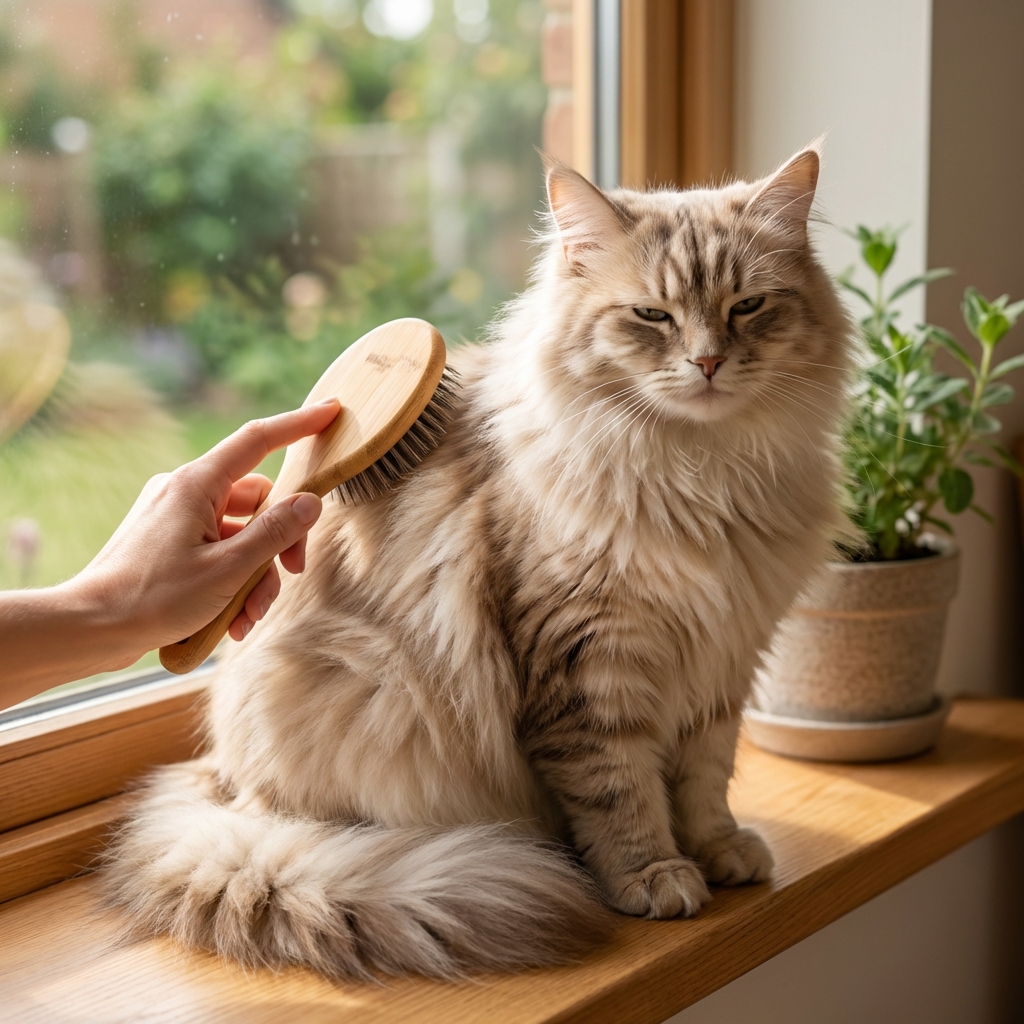
- Brush regularly, especially long-haired cats.
- Ask your vet about evidence-based hairball diets or fiber options if hairballs are frequent.
- Hydration matters. Consider a water fountain or adding wet food for moisture if appropriate for your cat.
Add enrichment
If plant chewing seems boredom-related, increase play, climbing spaces, and food puzzles. Many “weird” habits reduce once a cat’s day has more structure and stimulation.
Quick FAQ
Should I stop my cat from eating grass?
If it is pesticide-free cat grass and your cat is otherwise healthy, you usually do not need to stop it. The goal is to make sure the plant is safe and the behavior is not masking an illness.
Is vomiting after eating grass normal?
It can be common, but it is not something you want happening often. If vomiting is frequent, escalating, or paired with appetite or weight changes, schedule an exam.
What if my cat eats houseplants?
Treat that as a safety issue first. Identify the plant and confirm if it is toxic to cats. When in doubt, remove it and offer cat grass instead. You can also call your veterinarian for guidance.
A gentle next step
If your cat occasionally nibbles cat-safe grass and acts totally normal, you can usually consider it a quirky, cat-like behavior. If it is new, intense, or comes with vomiting, appetite changes, or low energy, it is time to look deeper. Keep a simple log of when it happens, what your cat chewed, and whether vomiting occurred. That little bit of information can be surprisingly helpful for your veterinarian.