That “chitter-chitter” at the window is usually normal prey-drive behavior. Learn why cats chirp, when it signals overstimulation, and how to keep it fun...
Article
•
Designer Mixes
Why Cats Chatter at Pests

Shari Shidate
Designer Mixes contributor
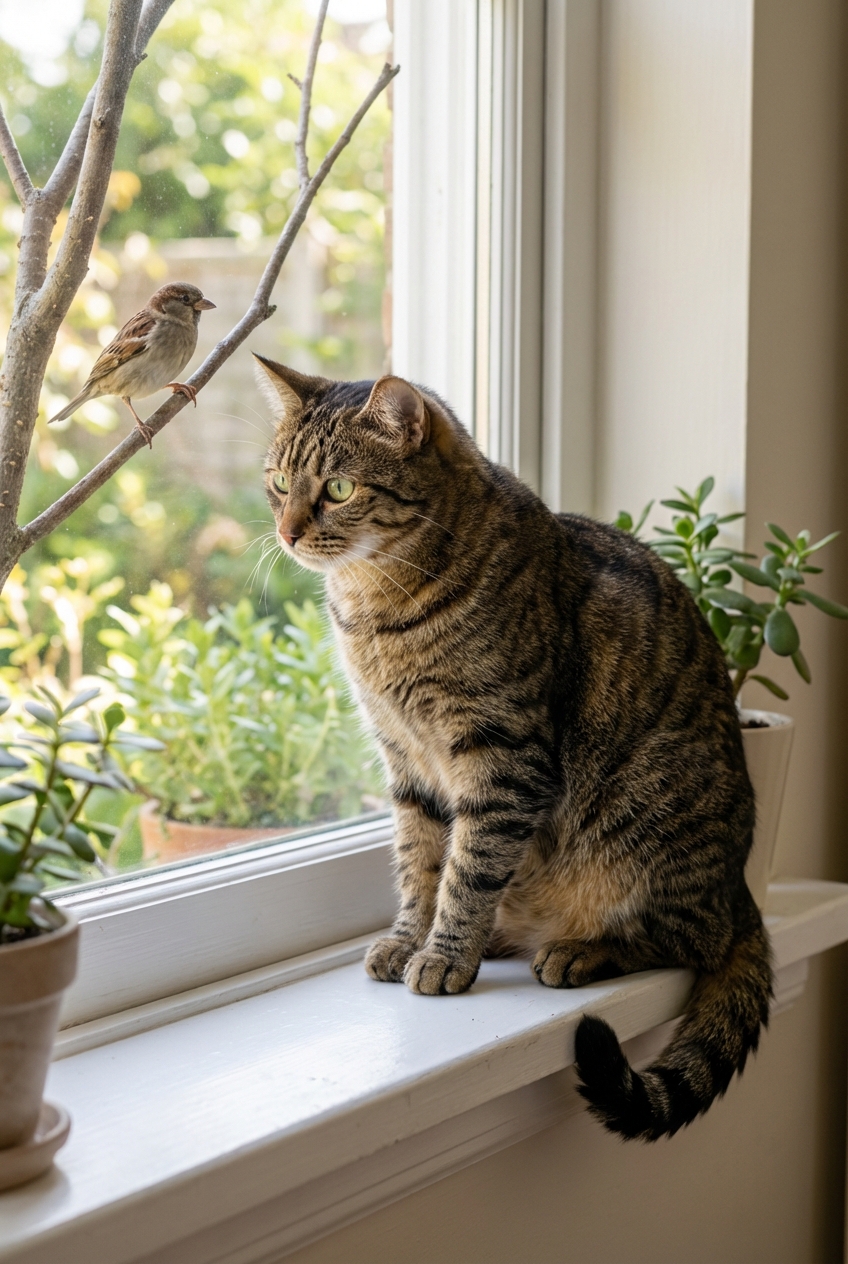
If you have ever watched your cat stare out the window at a bird, lizard, or squirrel and then suddenly make that rapid ch-ch-ch sound, you have witnessed one of the most fascinating little “sound effects” in the feline world. Cat chattering is common, especially when a cat can see prey but cannot reach it . It can look funny, but it is also a real behavioral clue about what is going on inside your cat’s body and brain.
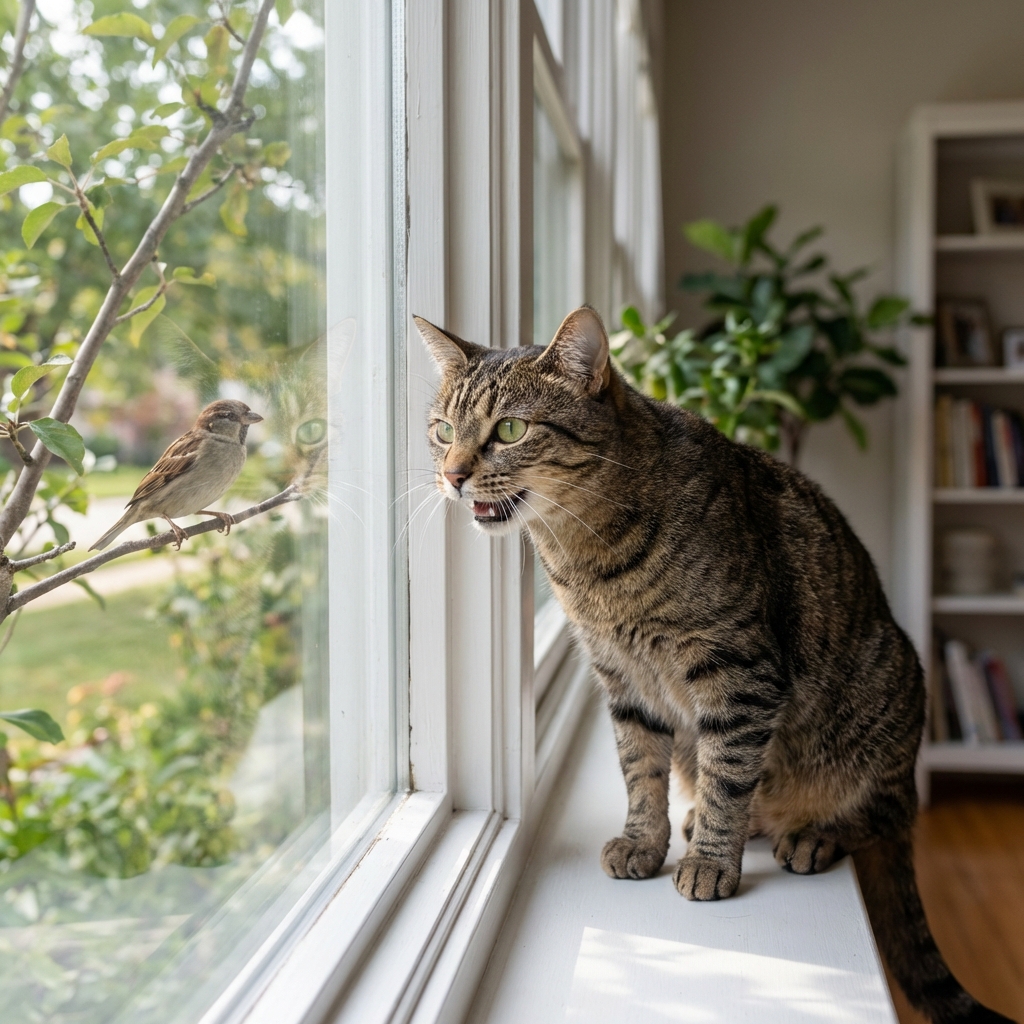
What is cat chattering?
Chattering is a series of quick jaw movements paired with small, repetitive vocalizations. Some cats do a soft “chirp” mixed with chatter, while others do a fast, teeth-clicking motion with very little sound. It is most often triggered by:
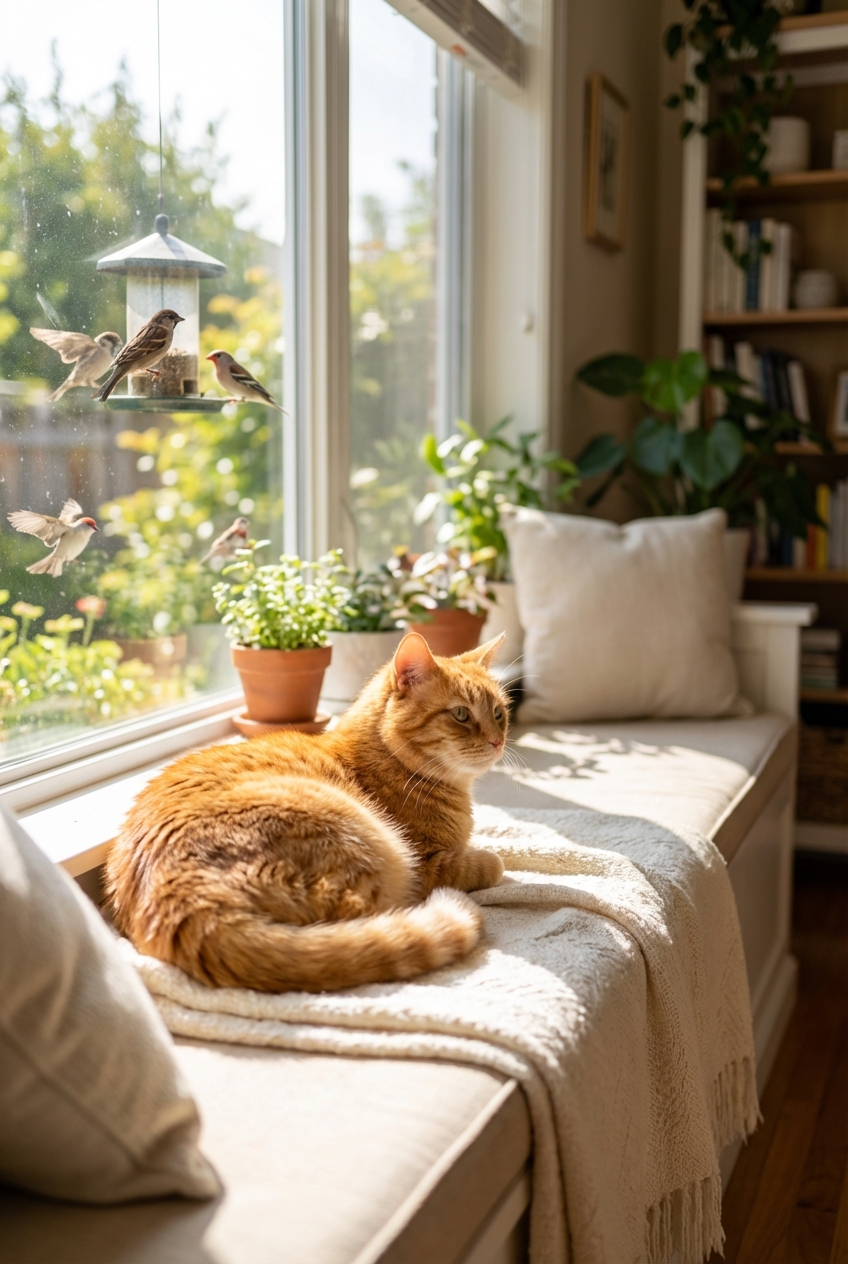
- Birds at a feeder or on a fence
- Squirrels, rabbits, or other small mammals
- Insects like flies, moths, and beetles
- Reptiles like small lizards (especially in warmer climates)
In other words, it tends to show up around anything that pushes your cat’s prey drive buttons.
What it is not: Chattering is usually distinct from coughing, wheezing, or gagging. If your cat looks like they are trying to clear their throat, is breathing hard, or is open-mouth breathing, treat that as a health concern and contact your veterinarian.
Why cats chatter
Behavior research suggests chattering is closely linked to predatory excitement and the frustration of being blocked from the target. It is not fully proven to mean just one thing, but these are the leading explanations, and why they fit what many cat owners see at home.
1) Frustration: “I can see it, but I cannot catch it”
This is the most common and practical explanation. Your cat spots prey, the hunting sequence switches on (stalk, fixate, pounce), and then reality hits: glass window, screen, distance, leash, or your cat’s indoor-only lifestyle. That conflict can create an aroused, frustrated state, and the chatter can be one way the body releases that energy.
2) Predatory arousal: a hunting reflex kicking in
Chattering often happens alongside intense staring, tail flicking, crouching, and a “locked in” posture. Those are classic feline hunting behaviors. Even though your cat is safe in your home, their nervous system can still respond like a predator tracking prey.
3) Jaw priming (a theory)
Some experts theorize the jaw movement may be related to anticipating the killing bite used on small prey. Cats often dispatch small prey with a quick bite (commonly aimed at the neck), although exact technique can vary with prey type and situation. In this view, the rapid jaw motion is a motor pattern that sometimes appears when your cat is highly focused but cannot complete the hunt.
4) Mimicry or prey-directed sound (a theory)
Another hypothesis is that some cats may be making subtle, prey-directed sounds. This is hard to prove, and it may not be true mimicry at all. Still, many owners notice the chatter is tightly linked to visual tracking and intense focus.
Why pests trigger it
Pests like flies, roaches, moths, and rodents often move in quick, unpredictable bursts. That stop-and-go motion often activates a cat’s hunting instincts. Many pests also travel along edges (baseboards, window sills, corners), which are natural “hunting lanes” that cats love to patrol.
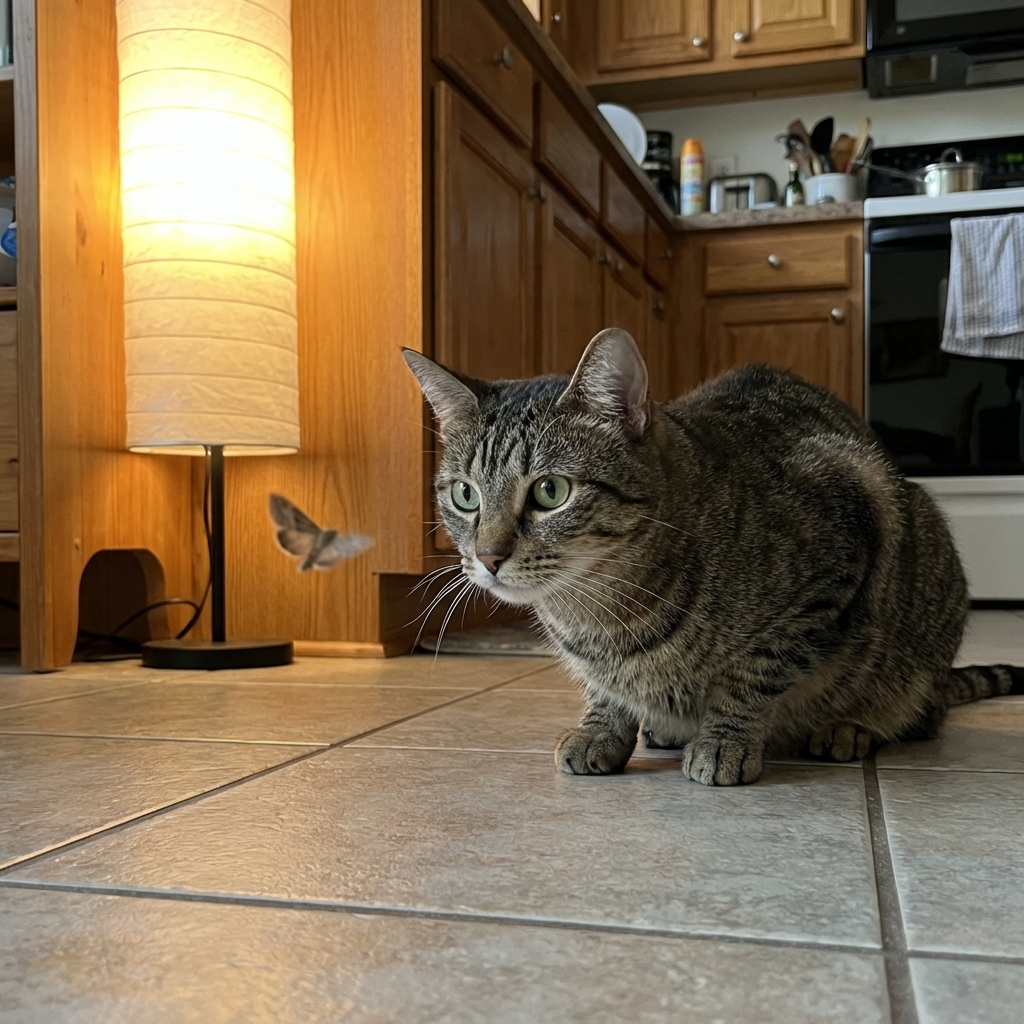
Even indoor cats who have never hunted outside still carry the same hardwired predatory sequence. So when a pest shows up, it is not just annoying to your cat, it is stimulating. That stimulation is often what leads to chirps and chatter.
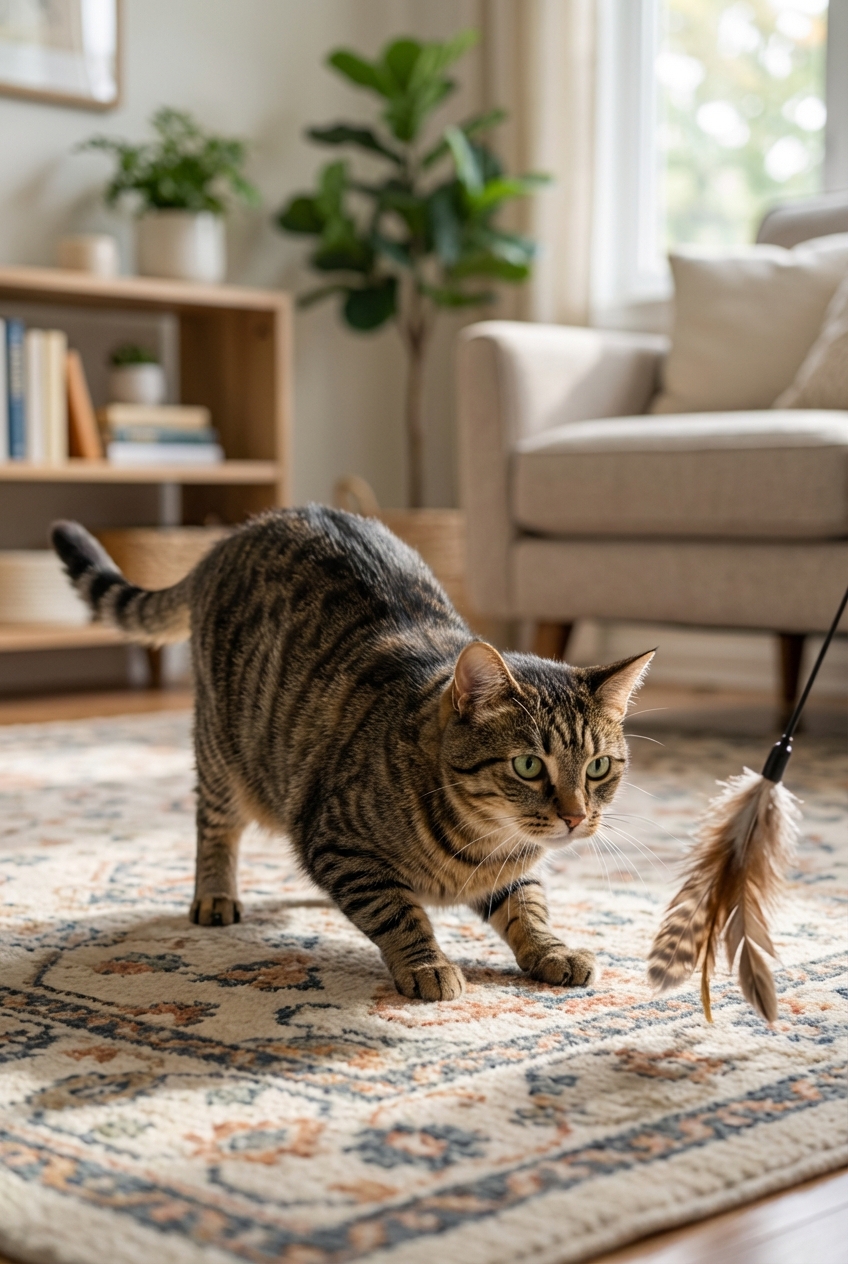
Also, not all chattering is a window thing. Some cats chatter during play with wand toys or when watching a “buggy” toy skitter across the floor.
Is chattering normal?
In most cases, yes. Occasional chattering at prey (or prey-like toys) is a normal feline behavior, and it is seen in both kittens and adult cats.
But because chattering involves the mouth and teeth, it is smart to watch for signs that point to discomfort instead of excitement. If you notice any of the following, talk to your veterinarian:
- Chattering when no target is present
- Pawing at the mouth, dropping food, or chewing on one side
- Bad breath, red gums, or visible tartar
- Excessive drooling
- Sudden sensitivity when you touch the face
- Other “off” signs like repeated lip smacking, swallowing, or nausea
- Episodes that look unusual or trance-like (rarely, neurologic issues can mimic odd mouth movements)
Dental disease and oral pain are very common in cats, and sometimes mouth behaviors can be confusing. If your cat’s “chatter” seems new, frequent, or out of context, a quick exam can be very reassuring.
Help them channel it
When chattering is driven by hunting frustration, you can help by giving your cat a healthy outlet. This is especially helpful for indoor cats.
Enrichment ideas
- Interactive play: wand toys, feather teasers, and “bug-like” zig-zag movements help complete the hunt sequence.
- Food puzzles: let your cat “work” for kibble or treats to mimic hunting and foraging.
- Window entertainment: a secure cat perch near a window can provide mental stimulation. If you use a bird feeder outside, place it far enough away that birds are safer and your cat is not slamming the window repeatedly.
- Short, frequent play sessions: 5 to 10 minutes, 1 to 3 times daily is often better than one long session.
Pest safety
It can be tempting to let your cat “handle” insects or rodents, but be cautious. Some pests can bite, carry parasites, or expose your cat to toxins. If you have a pest issue, use pet-safe control methods and keep your cat away from traps and chemicals. One important example: rodenticides can cause severe poisoning, including when a cat eats a poisoned rodent.
The takeaway
Cat chattering is one of those endearing behaviors that reminds us just how much of a hunter lives inside our cuddly housecats. Most of the time it is a normal response to prey drive, excitement, and the frustration of being separated from the target. Some explanations (like jaw priming or mimicry) are still best treated as theories, but the overall pattern is consistent: chattering shows up when the hunting system is switched on.
If the chattering comes with mouth pain signs, breathing changes, or shows up when there is no obvious target, it is worth checking in with your veterinarian.
And if your cat is a dedicated “window hunter,” give them a safe outlet through play and enrichment. You are not just entertaining them. You are supporting their mental health and natural instincts in a way that works in modern home life.
References (for further reading): American Association of Feline Practitioners (AAFP) resources on feline behavior and feline dental health; International Cat Care (iCatCare) guidance on play, hunting behavior, and enrichment; general veterinary behavior texts and reviews discussing predatory behavior and frustration-related vocalizations.