A practical, vet-informed guide to litter box training for kittens and retraining adult cats: box setup, litter depth, multi-cat tips, cleaning accidents, an...
Article
•
Designer Mixes
Why Cats Bury Their Poop (And Why Some Don’t)

Shari Shidate
Designer Mixes contributor
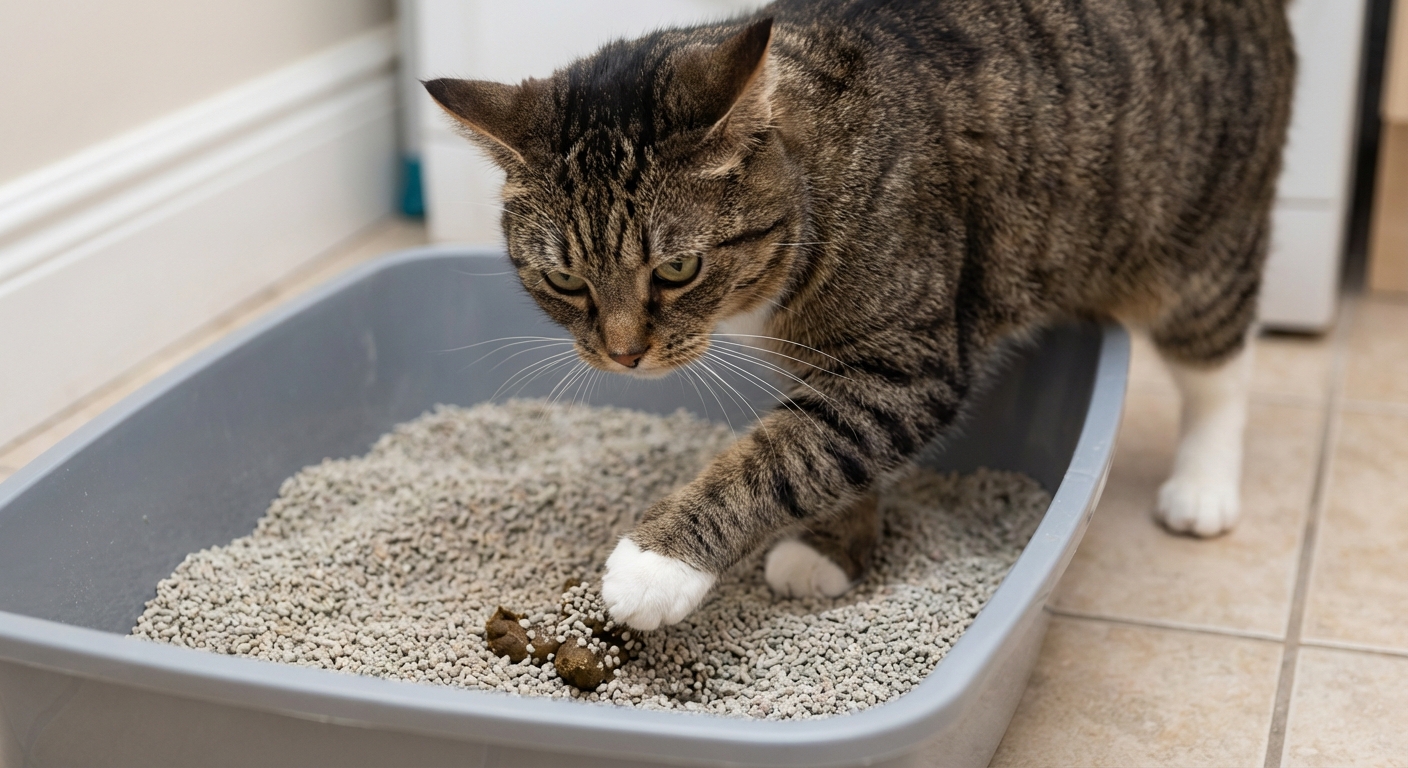
If you have ever watched your cat carefully cover their poop like they are hiding a tiny secret, you are seeing instinct in action. But if your cat walks away without covering anything, that can be normal too. The key is understanding what’s typical for your cat, and knowing when a change is a clue that something’s off.
The instinct behind burying
Cats are both predators and prey in the animal world, and that history shaped a lot of their bathroom habits.
It’s scent control
Stool has a strong odor, and scent carries information. In the wild, covering waste can help a cat stay less noticeable to predators or rival cats. Think of it as a simple survival habit: leave less evidence behind.
It can be a social signal
In some multi-cat homes or outdoor groups, cats may bury more consistently when they’re trying to avoid attention or conflict, while other cats may be more relaxed about leaving scent behind. Cat social dynamics can be fluid, so it’s best to think of this as a possible pattern, not a hard rule.
Kittens learn from mom and from habit
Most kittens pick up litter box behavior quickly, but early experiences matter. If a kitten’s first set-up was uncomfortable, too dirty, or the litter felt unpleasant, they might never develop strong covering habits.
Why some cats don’t bury
Not covering can be completely harmless, especially if it’s always been your cat’s normal. Here are the most common reasons.
They feel secure or territorial
Some cats “broadcast” their scent. In multi-cat homes, one cat may leave waste uncovered more often. In that context, it can be territory signaling, or simply confidence.
They don’t like the litter
Cats can be picky about how litter feels on their paws. If the litter is too sharp, too dusty, too perfumed, or too shallow to dig, your cat might skip covering.
- Too little litter: Many cats do best with about 2 to 3 inches, but it’s a guideline, not a rule.
- Strong fragrance: Scented litter can irritate sensitive cats and discourage normal digging.
- Dust: Dusty litter can bother noses and eyes, especially in small spaces.
They don’t like the box
Small boxes, tight lids, high sides, or a wobbly box can make a cat rush. Some cats use the box and leave quickly because they don’t feel comfortable staying to dig and cover.
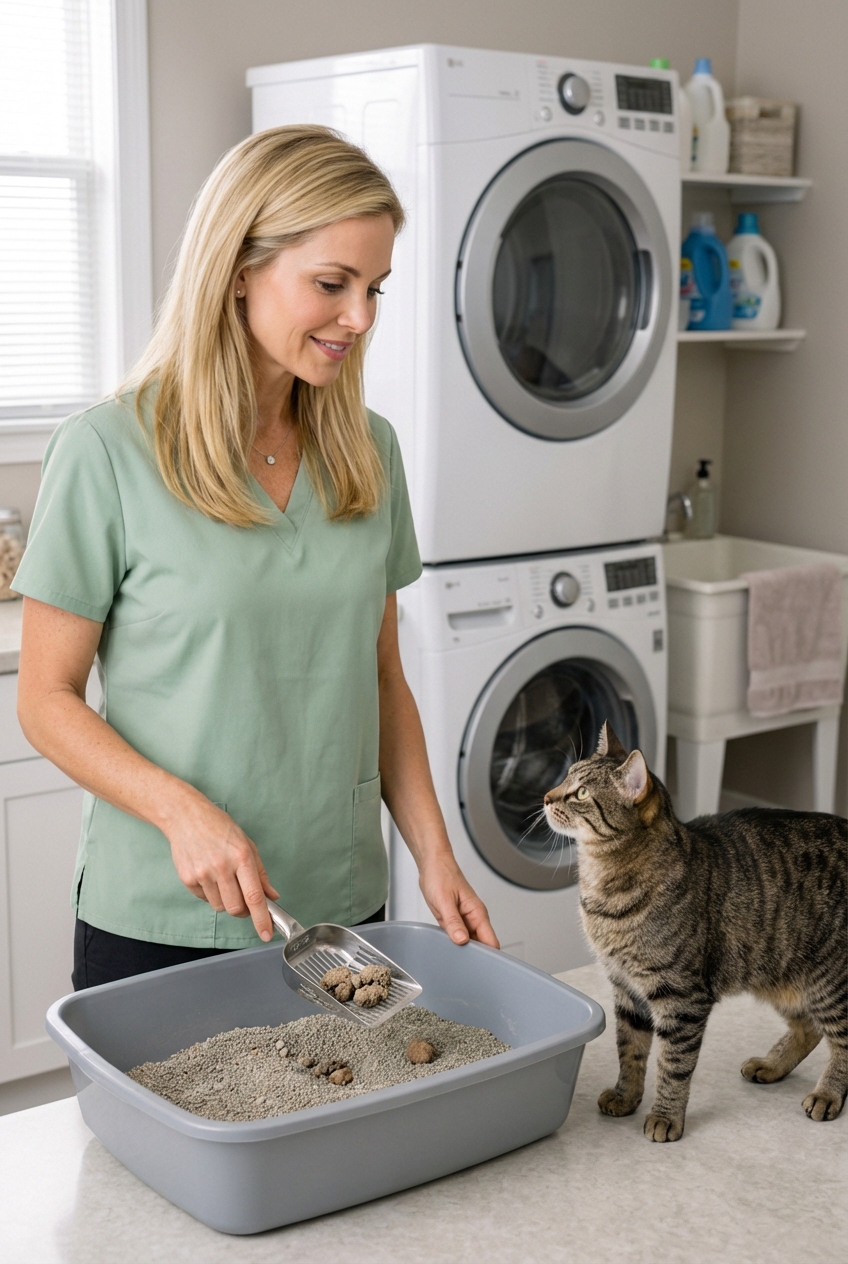
They’re avoiding a dirty spot
This can sound backwards, but it happens. If the litter box is too dirty, a cat may avoid pawing around in it. They may also step out quickly because the smell is overwhelming or the footing feels unpleasant.
They’re dealing with pain or mobility issues
Digging and covering takes repetitive pawing and twisting. Senior cats, cats with arthritis, or cats with sore paws may poop and leave because covering hurts or feels difficult. This is one of the most important causes to consider if your cat used to bury and suddenly stopped.
They have sensitive paws
If your cat has been declawed, has a past paw injury, or has skin irritation (like dermatitis), digging can feel uncomfortable. Some cats will still use the box but won’t stick around to scratch and cover.
They’re stressed or feel pressured
If another cat guards the litter box area, a cat may rush and skip covering. This can happen even when you never witness a fight. Blocking, staring, or “ambush” behavior after the box can create enough stress that a cat tries to get in and out fast.
When not burying is a red flag
As a veterinary assistant, the biggest tip I can offer is this: changes matter more than quirks. If your cat has never buried and seems healthy, it may simply be personality. But if this is new, pay attention.
Call your vet if you notice any of these
- Sudden change in litter box behavior (stops burying, starts pooping outside the box, or seems frantic)
- Crying, straining, or repeated trips to the box
- Emergency note: straining to urinate, little to no urine produced, or frequent trips that produce only drops (especially in male cats)
- Blood in stool, diarrhea, constipation, or very small hard stools
- Licking the paws excessively or limping (possible paw pain)
- Weight loss, appetite changes, vomiting, or hiding more than usual
Problems like constipation, intestinal upset, or pain from arthritis can change how a cat behaves in the box. Less commonly, anal gland discomfort can contribute too. If something feels different, it’s worth checking in with your veterinarian.
How to encourage better burying
You can’t “train” a cat in the same way you’d train a dog, but you can make the litter box set-up easier and more inviting. In many homes, that solves the problem quickly.
Start with the basics
- Scoop daily: Once a day minimum, more often for multi-cat homes.
- Use the right number of boxes: One box per cat, plus one extra, is often recommended as a starting point.
- Keep boxes in calm locations: Avoid loud appliances and tight dead-end corners where a cat feels trapped.
Pick a cat-friendly box and litter
- Box size: Many cats prefer a box about 1.5 times their body length (not including tail).
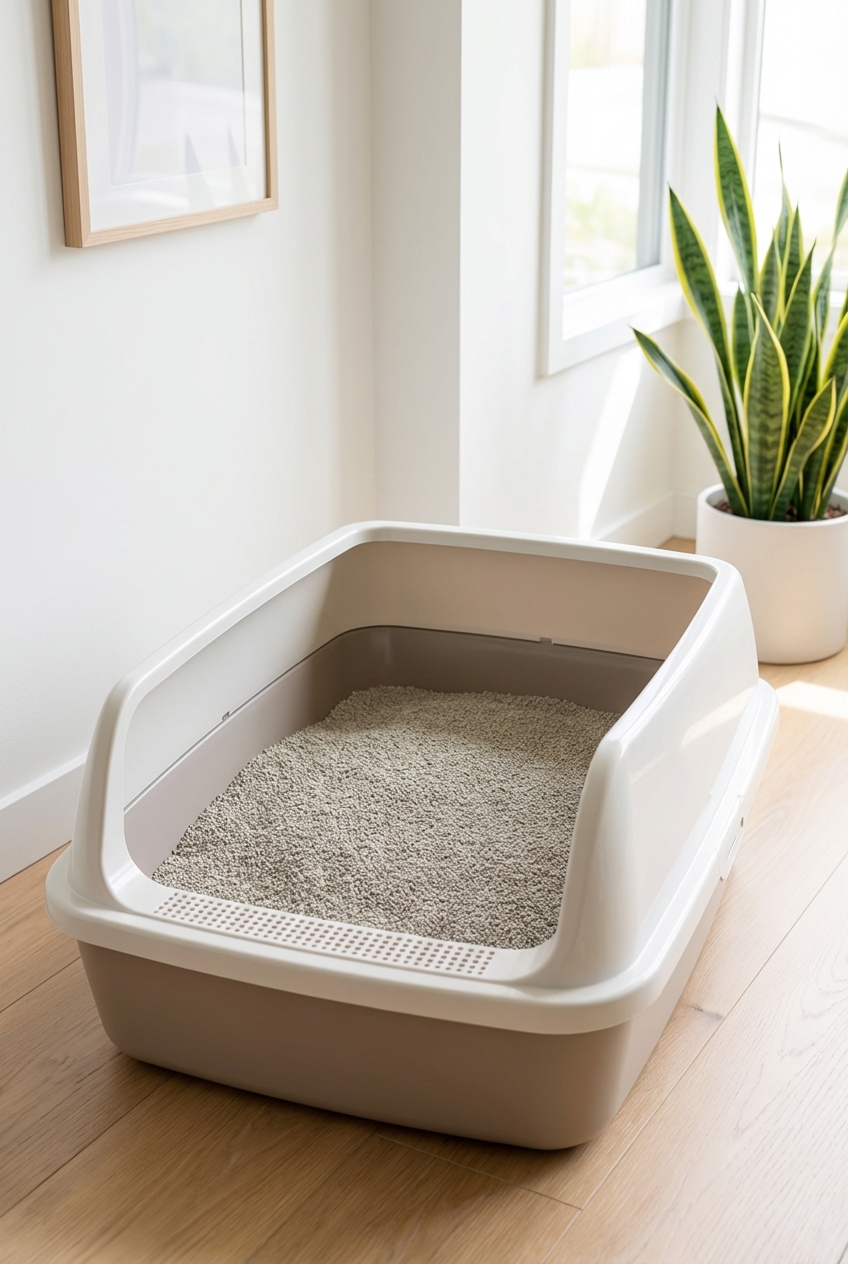
- Open vs. covered: Covered boxes hold odor in and can feel cramped. Many cats prefer open boxes.
- Litter type: Unscented, low-dust litter is often best tolerated.
- Litter depth: Try 2 to 3 inches, then adjust based on your cat’s digging habits.
Troubleshoot one change at a time
If you’re experimenting, change one variable at a time so you can tell what helped. If you need to switch litter, a gradual transition (mixing old and new over several days) is often easier on picky cats.
If you suspect pain, make access easier
For senior cats or cats with mobility issues, consider a low-entry litter box and a non-slippery mat outside the box. If digging seems painful, talk with your veterinarian about arthritis support options. Comfort changes behavior.
Quick FAQs
Is it bad if my cat doesn’t bury poop?
Not always. If it’s long-standing behavior and your cat is otherwise healthy, it may be normal. A sudden change, especially in an older cat, deserves attention.
Do cats bury poop to hide it from humans?
No. It’s primarily instinct and environment. Your cat is responding to scent, comfort, habit, and sometimes social dynamics with other cats.
Why does my cat scratch the wall or floor near the box?
This is often “covering behavior” aimed at the nearest surface. It can happen if the box is too small, the litter depth isn’t adequate, or your cat dislikes the litter texture.
If your cat’s not-burying habit is new, think like a detective: comfort, cleanliness, stress, and pain are the big four. Small changes to the litter box set-up can make a big difference, and your vet can help rule out anything medical.