A vet assistant explains why cats bite and the best toys to stop boredom nipping—wand toys, puzzle feeders, kicker toys, track toys, and smart play routines.
Article
•
Designer Mixes
Why Cats Bite Feet Under Covers and How to Stop

Shari Shidate
Designer Mixes contributor
If you have ever been drifting off to sleep when your cat suddenly pounces on your feet under the blanket, you are not alone. As a veterinary assistant, I see this complaint all the time. The good news is that this behavior is usually normal cat behavior, and with a few changes you can protect your toes and help your cat feel calmer at night.

Why cats attack feet under the covers
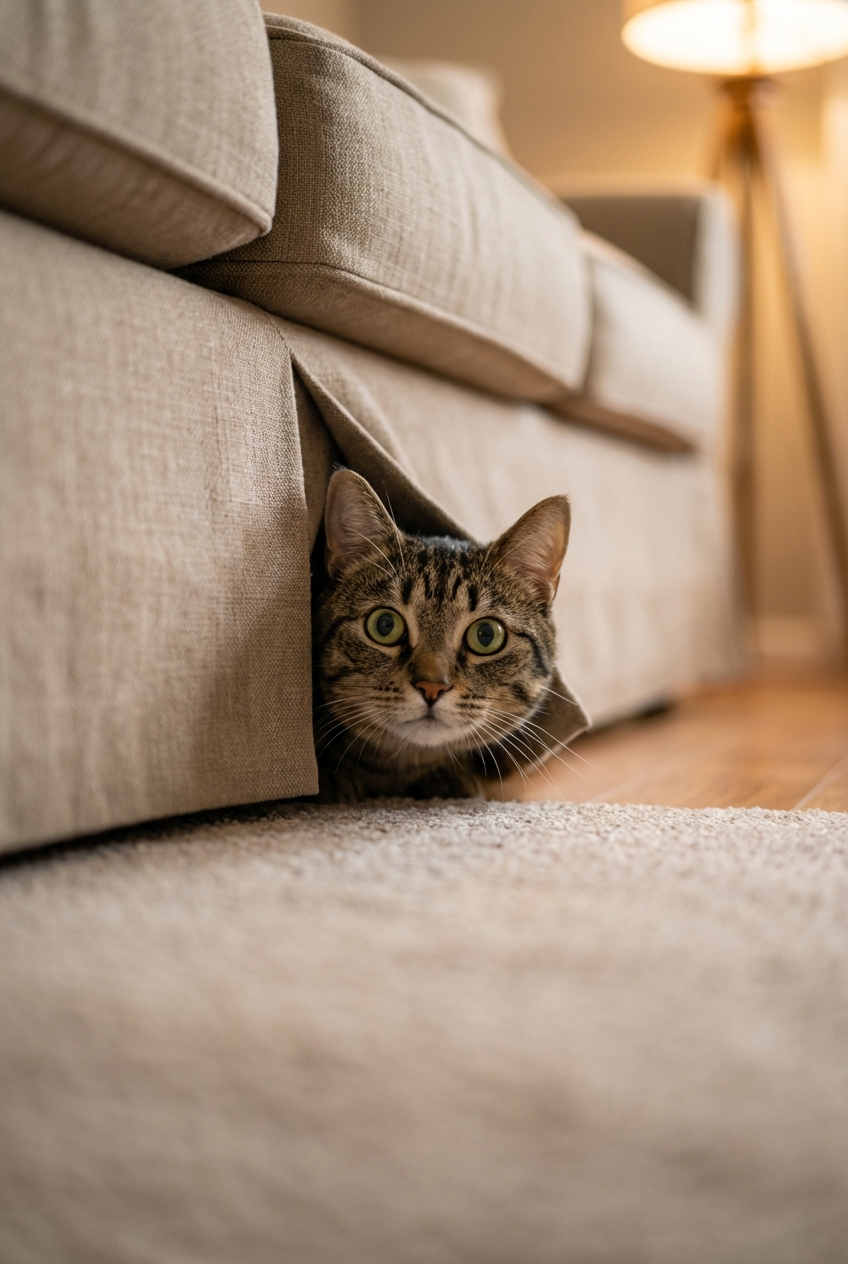
From your cat’s perspective, moving feet under a blanket look like prey. The blanket obscures what is moving and changes the usual sensory cues, which can switch your cat into hunting mode. Here are the most common reasons this happens.
Predatory play
Cats are hardwired to stalk, pounce, grab, and bite. Indoor cats often have fewer chances to use those instincts, so they practice on the most convenient moving target: you.
Movement plus low light
Many cats get more active at dawn and dusk. When the room is dim and the blanket creates a mystery “critter,” your wiggling toes become extra exciting.
Boredom or under-stimulation
Cats, especially kittens, young cats, and high-energy breeds, need daily outlets. If your cat is not getting enough structured play, you may become the entertainment.
They learned it works
If your cat bites and you react with big movement, squealing, or playful kicking back, it can accidentally reward the behavior. Even negative attention can be reinforcing.
Attention or routine
Some cats do this because it reliably wakes you up. If it has ever led to petting, talking, or breakfast, the habit can stick.
Pain, stress, or overstimulation
Less commonly, sudden biting can be linked to discomfort, anxiety, or being easily overstimulated by touch. If the biting is new, intense, or paired with other behavior changes, it is worth discussing with your veterinarian.
How to stop the foot-biting habit
The goal is simple: meet your cat’s needs and remove the reward. You do not need harsh corrections. You need consistency.
1) Add a short play and snack routine
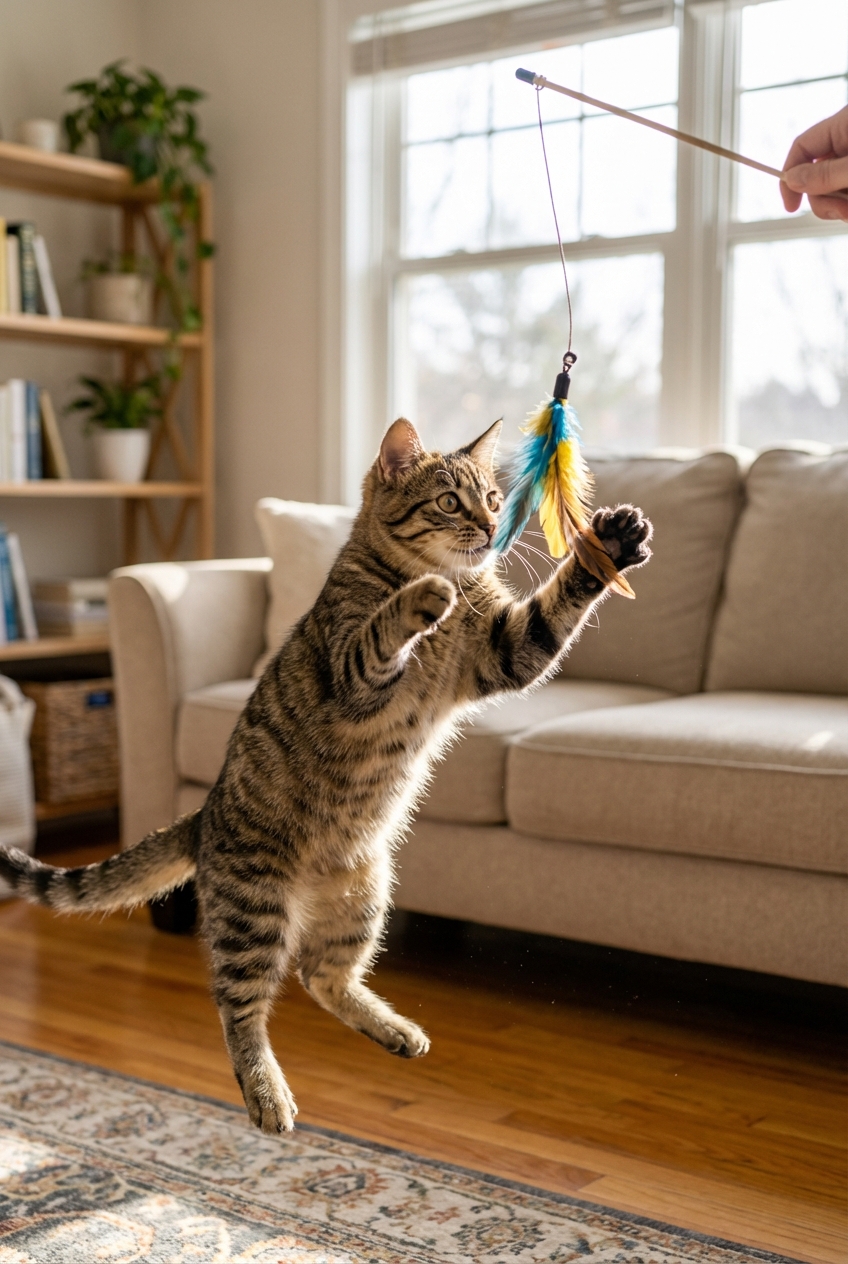
A bedtime routine that follows the “hunt, catch, eat” pattern is often recommended by feline behaviorists to reduce nighttime chaos. Try 10 to 15 minutes of active play, then offer a small meal or a few treats.
- Use wand toys, a ribbon toy, or a toy that mimics prey movement.
- Let your cat “catch” the toy several times so the sequence feels complete.
- End with a small snack to encourage relaxation.

2) Make your feet boring
If your cat attacks under the covers, freeze your feet. Movement is the fun part. If you stay still, you reduce the payoff.
- Avoid jerking away or kicking, even though it is an instinct.
- Do not talk to your cat or pet them in that moment.
- If needed, calmly end interaction by turning away and going still. If that does not work, get up and briefly leave the room.
3) Redirect to an appropriate target
Keep a toy within reach of the bed so you can redirect quickly without turning it into a game of “attack the human.” Toss a toy away from the bed rather than waving it near your feet.
- Soft kicker toys are great for cats who like to grab and bunny-kick.
- Treat puzzles can help busy minds wind down at night.
- If you use a laser pointer, always end with a tangible toy or a treat so your cat gets a satisfying “catch.”
4) Set up the room for success
A cat who has options is less likely to create their own entertainment.
- Add a cozy bed or blanket near your bed or on a stable cat tree.
- Consider a heated cat bed for comfort, especially in cooler rooms.
- Use a window perch if your cat enjoys looking out.
5) Protect your feet while you retrain
Management matters, especially while you are changing the habit.
- Wear thick socks to bed for a couple of weeks.
- Use a heavier duvet or an extra blanket as a barrier.
- Some people place a folded throw at the bottom of the bed as a “shield.”
6) Skip punishment
Yelling, swatting, or spraying water can increase anxiety and make biting worse, especially in cats who already feel keyed up. Positive routines and calm boundaries work better long term.
7) Consider pheromones for sensitive cats
If your cat seems jumpy, restless, or prone to intense play, synthetic feline facial pheromone products (often sold as diffusers or sprays) may help some cats feel more secure. It is not a magic fix, but it can support a behavior plan when paired with play, enrichment, and consistent responses.
What to do in the moment
When it happens, you need a simple plan you can repeat every time.
- Stop moving. Make the “prey” disappear.
- Stay quiet. No squealing or scolding.
- Redirect. Toss a toy away from the bed.
- End the interaction briefly. Turn away and go still. If your cat persists, calmly leave the room for 30 to 60 seconds.
Safety note: If leaving the room makes your cat more distressed (crying, scratching at the door, escalating), use the “turn away and go still” option instead and focus on prevention with a better bedtime routine.
This sequence teaches: biting ends the fun. Calm play gets the fun.
When to call your veterinarian
Foot-biting is usually normal play, especially in kittens and young cats. But it is smart to check in with your vet if you notice any of the following:
- The behavior is sudden or escalating quickly in an adult cat.
- Your cat bites hard enough to break skin or seems “not themselves.”
- There are other changes like hiding, appetite changes, litter box issues, vocalizing at night, or sensitivity to touch.
- You have a kitten or cat with repeated bite wounds on people in the home.
If your cat does break skin, wash the area well with soap and water and monitor closely. Cat bites can become infected. Contact your healthcare provider if you see redness spreading, swelling, increasing pain, warmth, or drainage.
A realistic timeline
Many households notice improvement within 1 to 3 weeks when they combine (1) a bedtime play and snack routine, (2) zero reinforcement of foot attacks, and (3) better enrichment during the day. If your cat has practiced this for months, expect gradual progress. Consistency is what changes the pattern.
Your cat is not trying to be mean. They are being a cat. Our job is to give that energy a healthier place to go.
Quick bedtime checklist
- 10 to 15 minutes of active play
- Small snack after play
- Toy within reach for redirection
- Thick socks or blanket barrier while retraining
- Feet stay still if attacked