Cat sneezing, congestion, or watery eyes? Learn common feline URI signs, how long they last, safe home care, vet treatments, what not to give, and when to se...
Article
•
Designer Mixes
Why Are Cats’ Noses Wet? When Dry Matters

Shari Shidate
Designer Mixes contributor
If you have ever booped your cat’s nose and noticed it felt cool and damp, you are not imagining things. A wet cat nose is very common and, most of the time, completely normal. But what about those times when it feels warm or dry? That can be normal too. The key is learning what “normal” looks like for your cat and knowing the red flags that mean it is time to call your veterinarian.
Quick note: This article is educational and not a substitute for veterinary diagnosis or advice for your specific cat.
Why cats’ noses are wet
A cat’s nose can be wet for a few different, very normal reasons. Wet does not automatically mean sick, and dry does not automatically mean dehydrated. Here are the most common explanations veterinarians commonly see.
1) Normal nasal moisture
The nasal lining naturally keeps itself slightly moist. This moisture can help the nose do its everyday job, like catching tiny particles from the air. In healthy cats, any moisture is usually clear and minimal.
2) Grooming habits
Cats groom constantly. After licking their lips or face, a little saliva can transfer to the nose, making it feel damp for a while. If your cat just finished a grooming session, a wet nose can be as simple as that.
3) Condensation from the environment
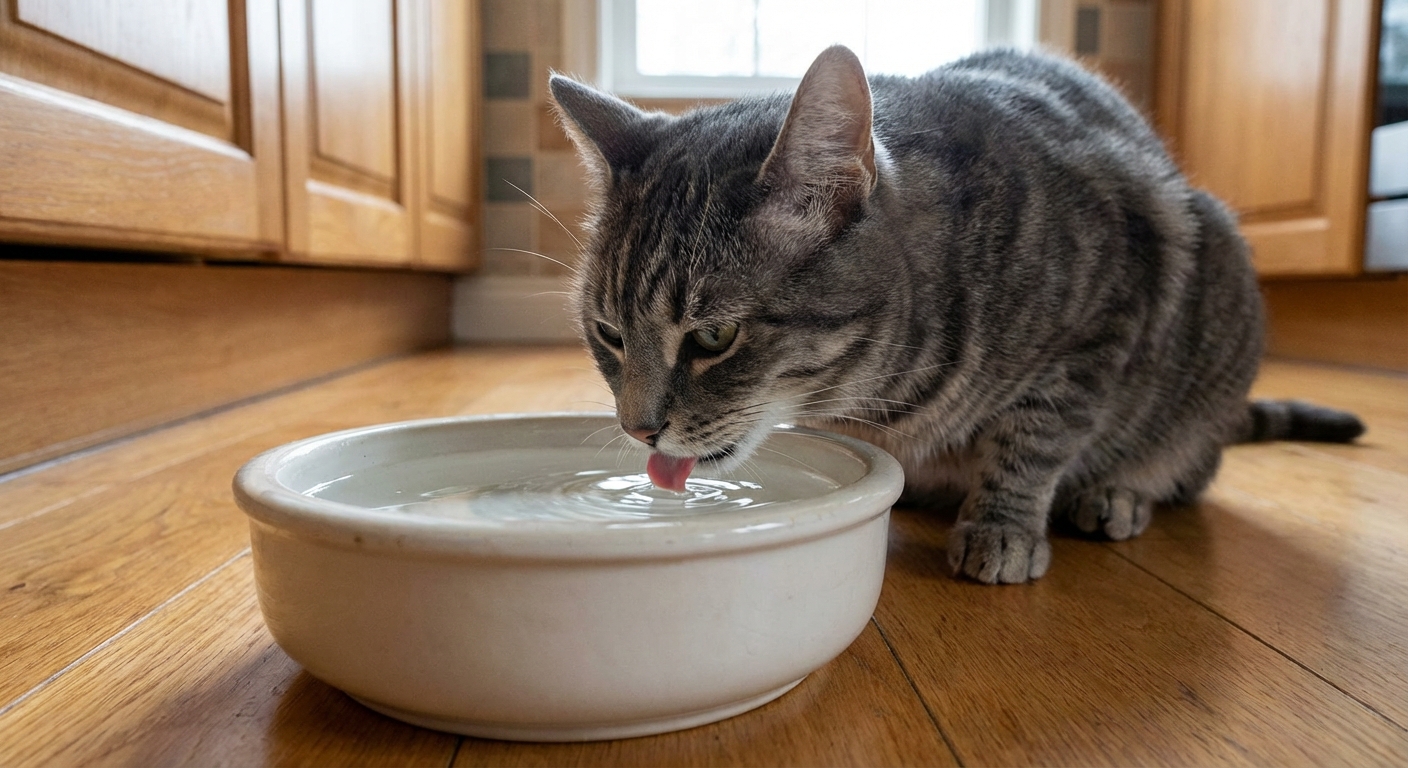
A cool nose can collect tiny droplets of moisture from the air, especially in humid weather, after your cat has been drinking, or if they were napping in a cooler spot. Just like a cold glass can “sweat,” a cat’s nose can too.
4) Smell support
Cats rely heavily on smell. A slightly moist surface may help scent particles stick around long enough to be detected. Smell also influences appetite, which is one reason some cats eat better when they can smell their food well.
Is a wet nose a sign of good health?
Sometimes, but it is not a reliable health “score.” Many perfectly healthy cats have dry noses at times, and some cats with illness may still have a wet nose. Instead of focusing on wet versus dry, look at the whole picture:
- Energy: Are they alert and acting like themselves?
- Appetite: Are they eating normally?
- Breathing: Any noisy breathing, mouth breathing, or congestion?
- Eyes and nose: Any discharge, crusting, swelling, or frequent sneezing?
- Litter box: Normal urination and stool?
Those everyday observations tell you far more than nose moisture alone.
Why a cat’s nose might be dry
A dry nose is common and often temporary. Many cats cycle between a wet nose and a dry nose throughout the day.
Normal reasons for a dry nose
- Sleeping: During naps, cats lick less and airflow changes, so the nose often dries out.
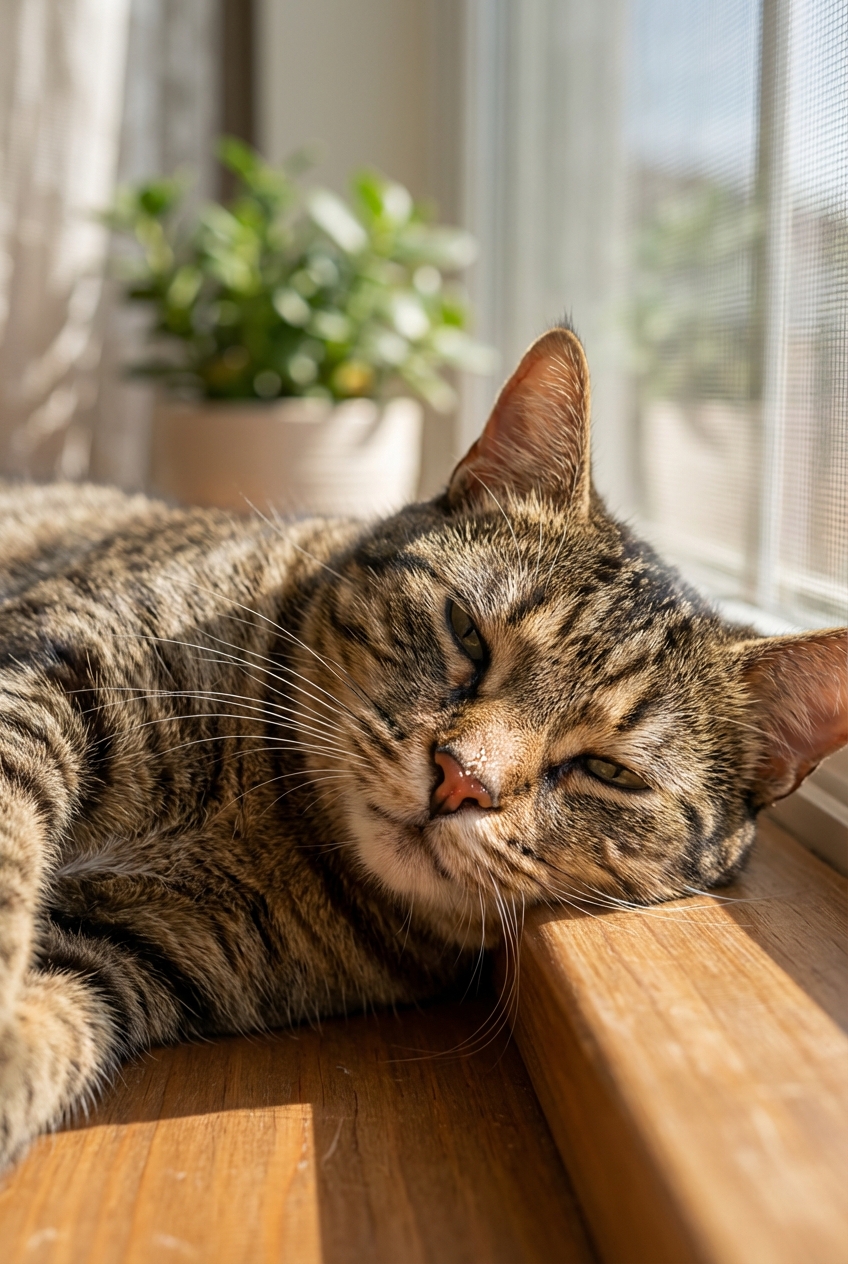
- Warm spots: Sunbathing in a window, sitting near a heater, or lounging on a warm blanket can dry the nose.
- Lower humidity: Winter air or indoor heating can reduce moisture on the nose and skin.
- Age: Some older cats may have slightly drier noses and skin overall.
When dry can be a concern
A dry nose is more concerning when it shows up with other symptoms. For example, a cat with a very dry nose plus low energy, poor appetite, vomiting, diarrhea, or significant nasal crusting deserves a veterinary check.
What dry can mean
Let’s be practical here. The nose itself is rarely the main problem. It is usually a clue to what else may be going on.
Dehydration
People often assume “dry nose equals dehydration,” but cats can be dehydrated with a normal nose, and they can have a dry nose while fully hydrated. Better clues can include:
- Sticky or dry gums
- Low energy or weakness
- Reduced appetite
- Changes in urination (less output can happen, but it is not specific and varies by diet and litter habits)
You may also hear about “skin tenting” (gently lifting skin over the shoulders to see how quickly it snaps back). This can sometimes help, but it is not perfect, especially in older cats. When in doubt, a same-day call to your veterinarian is the safest move. Vets confirm dehydration with a hands-on exam and, when needed, lab work.
Upper respiratory infections
Cat colds and other upper respiratory infections can cause sneezing, congestion, watery eyes, and changes in nasal moisture. Some cats start with a wet nose and clear discharge and later develop thicker discharge and crusting.
What “normal” discharge looks like: occasional, small amounts of clear moisture. Persistent discharge, thick mucus, a bad smell, or any colored discharge is more concerning.
Allergies or irritants
Dusty litter, fragrance plug-ins, smoke, cleaning sprays, and other irritants can affect a cat’s nasal passages. Allergies can also contribute to sneezing and mild discharge. If you notice a pattern after using certain products, consider removing them and discussing it with your vet.
Fever or systemic illness
A warm, dry nose is not a dependable way to diagnose fever. The only reliable way is to take a temperature with appropriate equipment and technique. If your cat seems unwell, do not rely on nose feel alone.
Other causes your vet may rule out
If nose symptoms are one-sided, persistent, or keep coming back, your veterinarian may consider other possibilities like a foreign object, dental disease that affects the nasal passages, nasal polyps, chronic rhinitis, or (in some regions) nasal mites.
When to call the vet
Now that we have covered what is normal, here is when it is time to stop watching and start calling. Trust your instincts. If something feels off, it is always okay to call and ask.
These signs are worth a veterinary visit, especially if they last more than 24 hours or worsen quickly.
Call your vet promptly if you notice:
- Thick, yellow, green, foul-smelling, or bloody nasal discharge
- Frequent sneezing fits with facial discomfort
- Not eating for around 24 hours in adult cats (sooner if your cat is a kitten, a senior, has other health problems, or has vomiting, diarrhea, or low energy). Kittens can go downhill quickly, so call much sooner.
- Low energy, hiding, or acting “not themselves”
- Crusty sores, swelling, bleeding, or sudden color changes on the nose
- Possible dehydration (dry or sticky gums, weakness, not drinking, or other concerning changes)
Go to urgent care now if you see:
- Labored breathing or open-mouth breathing
- Blue, gray, or very pale gums
- Severe weakness, collapse, or inability to stay awake
A helpful rule of thumb: nose moisture matters less than behavior, breathing, and appetite. Those are your most reliable early warning signs.
At-home tips
For a normal wet or normal dry nose, you do not need to “treat” anything. But you can support overall comfort, especially during dry seasons or mild sniffles.
Simple, safe support
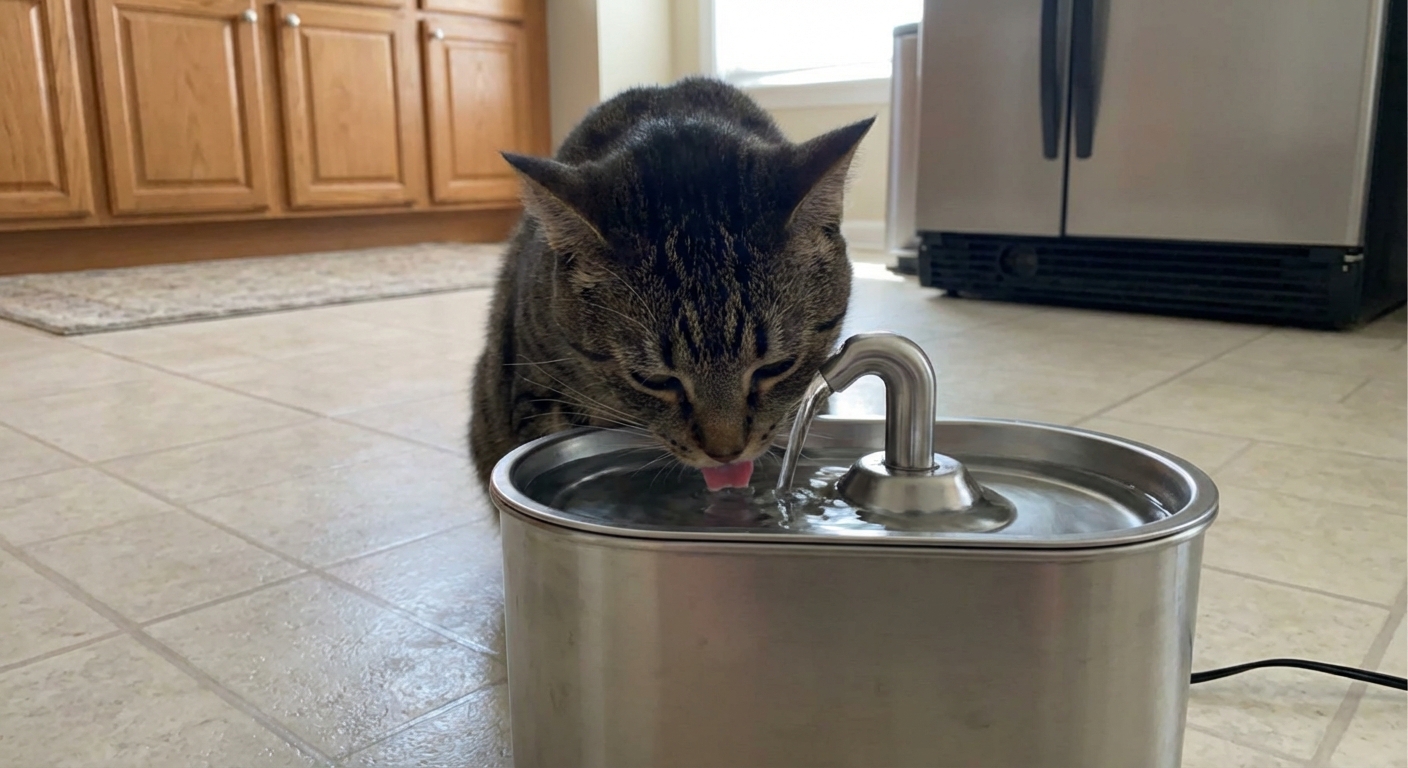
- Keep fresh water available in multiple spots. Many cats drink more with a fountain.
- Add moisture to meals by offering wet food or mixing a little warm water into food, if your cat tolerates it.
- Use a humidifier in dry months, especially if your cat is prone to mild congestion.
- Reduce irritants like smoke, strong fragrances, and harsh cleaning products.
- Wipe crust gently with a warm, damp cotton pad if needed. Do not pick or scrub.
What to avoid
- Do not apply human ointments (including essential oils or menthol products) to your cat’s nose unless your veterinarian approves.
- Do not syringe water into an uncooperative cat’s mouth. This can cause choking or aspiration (breathing fluid into the lungs).
- Do not ignore appetite changes. Cats can develop serious complications when they stop eating.
Quick FAQ
Should a cat’s nose be wet all the time?
No. It can naturally shift between wet and dry depending on sleep, grooming, room temperature, and humidity.
Is a dry nose always dehydration?
No. Dehydration is possible, but it is not the best indicator. Look at gums, energy, appetite, and litter box habits, and call your veterinarian if you are unsure.
What color should my cat’s nose be?
It varies by genetics and coat color. What matters is sudden change, swelling, sores, bleeding, or persistent crusting. If you see those, call your veterinarian.
The bottom line
A wet nose is usually normal, and a dry nose is often normal too. The nose is just one small piece of your cat’s overall health picture. If your cat is bright, eating, breathing comfortably, and acting like themselves, you can usually just keep an eye on things. If you see abnormal discharge, breathing trouble, appetite loss, or significant behavior changes, that is your cue to get veterinary help.