Want a dog but have allergies? Learn what “hypoallergenic” really means, which low-shedding breeds and doodle mixes may help, and how to test compatibili...
Article
•
Designer Mixes
Whoodle Temperament, Size, and Care

Shari Shidate
Designer Mixes contributor
If you love the idea of a friendly, active family dog with a soft, low-shedding coat, the Whoodle might already be on your radar. A Whoodle is a Soft Coated Wheaten Terrier and Poodle mix, and they are known for their sunny personality, athletic energy, and that teddy-bear look many people want in a doodle-type dog.
As a veterinary assistant, I always encourage future owners to look past the cute curls and focus on lifestyle fit and health planning. Whoodles can be wonderful companions, but they do best with consistent training, regular grooming, and proactive veterinary care. In the clinic, the biggest preventable issues I see in doodle mixes are mat-related skin irritation and recurrent ear infections when grooming routines slip.

What is a Whoodle?
The Whoodle is a cross between:
- Soft Coated Wheaten Terrier: a cheerful, people-loving terrier with a signature silky coat and a bouncy “Wheaten greetin.”
- Poodle (usually Miniature or Standard): highly intelligent, trainable, and often lower-shedding.
Because this is a mix, you will see variation in size, coat texture, and even personality from dog to dog, even within the same litter.
Size and lifespan
Most Whoodles fall into a small-to-medium range, but the Poodle parent’s size (and the specific lines used) matter a lot. Consider these common ranges, not guarantees.
- Mini Whoodle: often 15 to 30 pounds
- Standard Whoodle: often 25 to 50 pounds (some may be smaller or larger)
- Typical height: about 12 to 20 inches at the shoulder
- Lifespan: often 12 to 15 years, depending on genetics, size, and overall health
Ask the breeder what size Poodle was used and request adult size history from prior litters when possible. That is usually the best predictor.
Coat and allergies
Whoodles are often marketed as hypoallergenic. The honest answer is that no dog is truly hypoallergenic, but many Whoodles can be a good option for people with mild allergies because they often shed less than many other breeds.
That said, allergy triggers are usually related to dander and saliva proteins, not just fur. Individual reactions vary a lot, so it is smart to spend time with adult Whoodles before committing.
Common coat types
- Wavy fleece: very common, plush feel, moderate mat risk
- Curly coat: more Poodle-like, often lower shedding, higher grooming needs
- Looser waves: sometimes closer to the Wheaten texture, can still mat easily

Bottom line: Whoodles are frequently low-shedding, but they are not low-maintenance. You trade vacuuming for brushing and professional grooming.
Temperament
When you combine the Wheaten’s friendly enthusiasm with the Poodle’s intelligence, you often get a dog that is affectionate, social, and quick to learn. Many Whoodles thrive when they are treated like true family members and included in daily life.
Common traits
- People-oriented: many love attention and can become shadow dogs
- Playful and spirited: they often keep their puppy energy for years
- Smart: fast learners, but they can also learn “bad habits” quickly
- May be jumpy: the Wheaten “greetin” can be adorable, but it needs training
- Can be vocal: some alert bark, especially if under-stimulated
Early socialization matters. A well-socialized Whoodle is typically friendly with visitors and comfortable in new environments. A poorly socialized one can become anxious, reactive, or overly excitable.
Puppy vs adult reality check: many Whoodles hit a busy, bouncy adolescent stage around 6 to 18 months. That is when jumping, leash pulling, and selective listening often peak, so consistency really pays off.
Energy and exercise
Whoodles are usually a high-energy mix. They can do well in an apartment, but only if their exercise and enrichment needs are met consistently.
This is a good point to connect the dots: the more you meet their daily exercise needs, the easier grooming and training tend to feel, because you are working with a calmer brain.
A realistic daily routine
- Physical exercise: often 60 to 90 minutes total, split into sessions (less for puppies, more for athletic adults)
- Mental enrichment: 10 to 20 minutes of training or puzzle work
- Off-leash time: great in fenced areas, but many have a chase instinct
Puppy safety note: puppies should not do long, sustained runs or repetitive high-impact jumping. Short play sessions, sniffy walks, and basic training games are better for growing joints.
Good activities include brisk walks, scent games, flirt pole play, agility foundations, and “find it” hide-and-seek indoors. If a Whoodle gets bored, you might see chewing, digging, counter-surfing, or nonstop zoomies.
Off-leash safety tip: use a long line until recall is truly proofed around distractions.
Grooming
This is the make-or-break category for many families. If you want a Whoodle, plan your grooming budget and time upfront.
Quick transition that matters in real life: Whoodles are often cuddly and hands-on, which is wonderful, but it also means you should build positive grooming habits early so coat care does not become a wrestling match later.
At-home basics
- Brush: ideally 3 to 5 times per week (daily for curly coats)
- Line-brush and comb: brush in layers and follow with a comb down to the skin so you catch mats you cannot see on top
- Focus areas: behind ears, armpits, collar area, inner thighs, tail base
- Bathing: about every 3 to 6 weeks depending on lifestyle
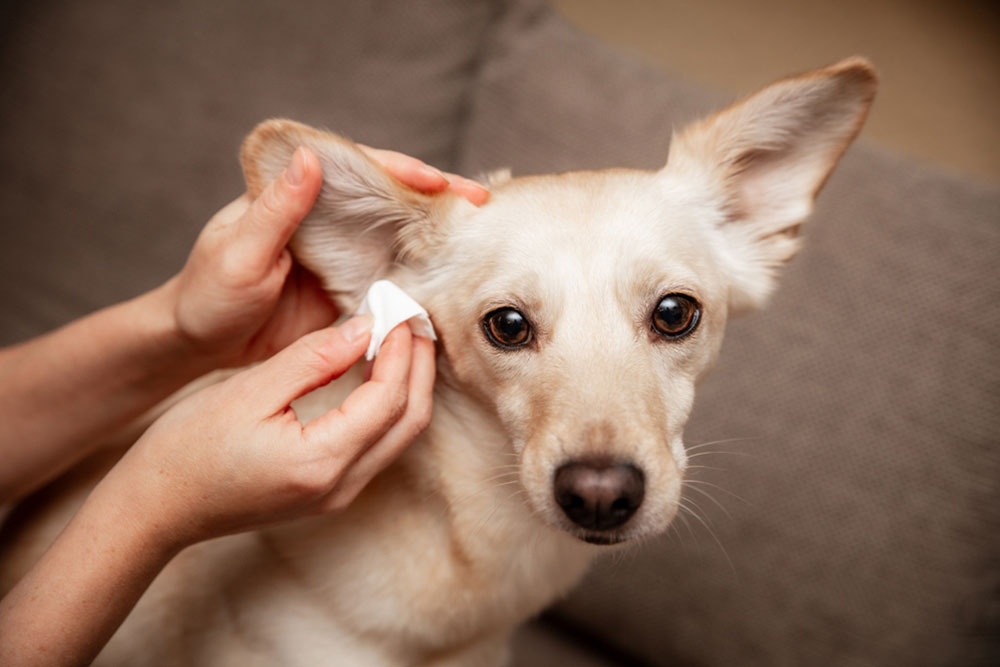
- Ears: check weekly, keep dry after baths and swimming
- Nails: trim every 2 to 4 weeks
Professional grooming
Most Whoodles need a professional groom every 6 to 8 weeks. Clip length matters: shorter cuts can be easier to maintain, while longer coats usually require more frequent, thorough brushing to prevent matting. Professional grooming costs vary widely by region, coat condition, and size, so it is worth calling local groomers before you bring a puppy home.
If mats form, shaving may be the kindest option. Mats are not just cosmetic. They can pull the skin, trap moisture, and contribute to hot spots and skin infections.

Training
Whoodles are typically bright and eager, but the terrier side can bring some independence. The most successful approach is consistent, reward-based training with clear boundaries.
Top priorities
- Jumping: teach “sit for greetings” and reward four paws on the floor
- Mouthiness: redirect to toys and reinforce gentle play
- Loose-leash walking: start early, use high-value treats, keep sessions short
- Alone-time skills: practice calm separations to reduce separation anxiety risk
- Recall: build a strong “come” with games, not just corrections
Because many Whoodles are very people-oriented, they can struggle if left for long hours without a plan. Food puzzles, a dog walker, and gradually building comfort with alone time can make a big difference.
Many Whoodles do wonderfully in beginner obedience, rally, and agility. Those classes are also fantastic for socialization and confidence-building.
Health concerns
Mixed-breed dogs can have health advantages, but they can still inherit conditions seen in both parent breeds. Not every line carries every issue, and testing options vary, but a good breeder should be transparent about family history and screening. From the veterinary side, I also recommend pet insurance early, especially for active doodle mixes.
From the Wheaten side
- Protein-losing nephropathy (PLN) and protein-losing enteropathy (PLE): serious conditions where the body loses protein through the kidneys (PLN) or intestines (PLE). Signs can include chronic diarrhea, weight loss, poor appetite, swelling or fluid buildup, and abnormal lab work.
From the Poodle side
- Addison’s disease (hypoadrenocorticism): diagnosed more commonly in Poodles than many breeds. Signs can be vague at first, such as lethargy, vomiting, diarrhea, low appetite, weight loss, shaking, or episodic weakness. Addisonian crisis is an emergency.
Other common concerns
- Ear infections: floppy ears and hair in the ear canal can trap moisture
- Skin allergies: itchiness, licking paws, recurrent ear issues
- Hip dysplasia and patellar luxation: varying risk depending on size and lineage
- Eye issues: ask about eye exams in the parents
- Dental disease: especially in smaller Whoodles, daily brushing helps
Health testing to ask about: At a minimum, ask what screening the parents have had for hips and knees (often via OFA or similar registries), a recent eye exam (CAER or equivalent), and what the breeder knows about PLN or PLE history in Wheaten lines. The most important piece is not the alphabet soup. It is seeing documentation and getting clear answers.
Actionable tip: At your Whoodle’s annual exam, ask your vet what screening makes sense based on your dog’s age and history. Early detection is your best friend with chronic conditions like PLN or Addison’s.
Feeding and weight
Whoodles do best when they stay lean. Extra weight can worsen joint stress and lower overall stamina. Whether you choose a high-quality commercial diet or a carefully balanced homemade plan, make sure it is complete and appropriate for your dog’s life stage.
- Portion control: measure meals, limit free-feeding
- Treat budget: keep treats to about 10% or less of daily calories
- Protein quality matters: active dogs often do well with diets that prioritize digestible animal protein
- GI sensitivity watch: if chronic soft stool shows up, talk with your vet rather than switching foods weekly
Family fit
Many Whoodles are excellent with families, including respectful kids. The key is matching energy and expectations. This is usually not a couch-potato dog, and young Whoodles can be exuberant.
Great match if you want
- a friendly dog who wants to be involved in your day
- a trainable companion for walking, hiking, or classes
- a low-shedding coat, and you are willing to groom consistently
Consider another mix if
- you prefer a very low-energy dog
- you travel often and cannot provide routine, training, and enrichment
- you want truly low-maintenance grooming
Whoodle vs other doodles
If you have been browsing designer mixes, here is a quick, real-world comparison to a few popular Poodle mixes you might also be considering.
Vs Goldendoodle
- Energy: both can be active, Whoodles often feel more “terrier busy”
- Temperament: Goldendoodles are often more easygoing, Whoodles can be more spirited
- Grooming: both have high grooming needs
Vs Cockapoo
- Size: Cockapoos are often smaller, depending on the Poodle size
- Trainability: both learn quickly, Whoodles may be more intense and energetic
- Coat: both can mat, both need routine grooming
Vs Maltipoo
- Energy: Maltipoos are usually lower exercise needs than Whoodles
- Handling: Maltipoos can be more delicate physically due to small size
- Household fit: Whoodles often suit active families wanting a sturdier dog
My practical take: If you love doodle coats but want a dog that can keep up with an active lifestyle and brings a little terrier sparkle, the Whoodle is worth a serious look.
Breeder or rescue
Because Whoodles vary, the best outcomes start with responsible sourcing. Look for transparency and health testing, not just cute puppy photos.
Green flags
- parents with documented health testing relevant to their breeds
- clear discussion of PLN or PLE history in Wheaten lines, and what the breeder is doing to reduce risk
- puppies raised in a home environment with early handling and exposure
- a contract that includes a return policy
- a breeder who asks you questions, too
If you adopt, ask the rescue what they know about coat maintenance, energy level, and any medical history. For allergy concerns, an adult Whoodle from rescue can be easier to assess than a puppy.

Quick checklist
- Exercise: daily and consistent, adjust for age and health
- Training: short sessions, reward-based, start early
- Grooming: brush several times per week, comb to the skin, groom every 6 to 8 weeks
- Health planning: discuss PLN and Addison’s risk with your vet, consider insurance
- Enrichment: puzzle toys, scent work, classes, and safe social time
If you are ready to meet your Whoodle where they are, bright, bouncy, and loving, you will likely be rewarded with a loyal companion who brings a whole lot of joy to your home.