
White Worms and Rice-Like Segments in Dog Poop

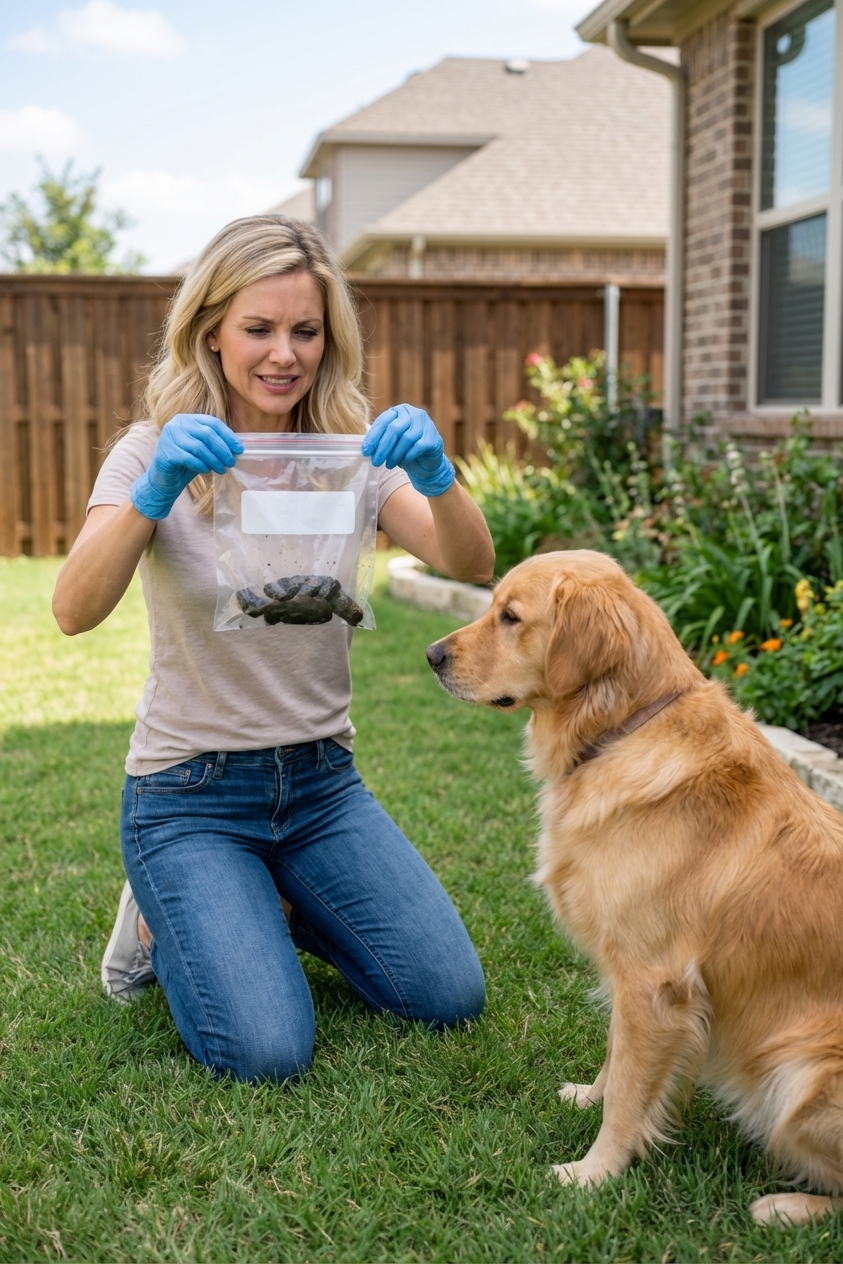
First, take a breath
Finding white worms or rice-like pieces in your dog’s poop is one of those moments that makes your stomach drop. I get it. I work with pets every day, and I still tell owners the same thing: this is common, it is usually treatable, and the fastest path to answers is good observation plus a vet-confirmed diagnosis.
This article focuses on what people actually search for: what did I just see in the poop, what it tends to look like in real life, and what to do next without guessing.
Important note: I cannot diagnose your dog from a description or photo. Use the recognition patterns below to decide how urgent the situation is and what to bring to your veterinary team.
Quick triage
Most worm sightings are not a middle-of-the-night emergency, but some situations need same-day help.
Go to an emergency vet now or call your vet urgently if you see:
- Vomiting plus weakness, collapse, pale gums, or a distended, painful belly
- Lots of worms (especially long spaghetti-like worms) with vomiting or diarrhea
- Significant blood in stool, repeated bloody diarrhea, or blood with lethargy or vomiting
- Puppy with diarrhea, poor appetite, bloated belly, or visible worms
- Signs of dehydration: sticky gums, sunken eyes, very lethargic behavior
Usually okay to book the next available appointment (but do not ignore):
- Rice-like pieces on stool or around the anus, but your dog is otherwise bright and eating
- One-time sighting of a small white strand with normal appetite and energy
- “Sesame seed” dots or tiny white flecks, especially after eating something unusual
What you saw
Below are the most common “white worm” scenarios owners describe. Lighting, stool texture, and time since the poop was passed can change how things look.
1) Rice-like pieces: often tapeworm segments

Typical look: small white or off-white pieces that resemble rice grains or cucumber seeds. They may be on the poop, in the poop, or stuck to hair around the rear end.
Fresh vs dried: fresh segments can look moist and slightly flat. As they dry, they often look more like tiny sesame seeds.
Common context clue: tapeworm exposure often involves fleas or hunting and scavenging wildlife. Not every dog with tapeworms has obvious flea dirt, but fleas are a big hint.
What owners often miss: you might not see these in every bowel movement. Tapeworm segments can appear intermittently. Because of that, and because eggs may not show up reliably on routine fecal flotation, vets often diagnose by what you saw, risk factors, or by identifying segments. Treatment commonly involves a medication like praziquantel, plus flea control.
2) Spaghetti-like strands: often roundworms
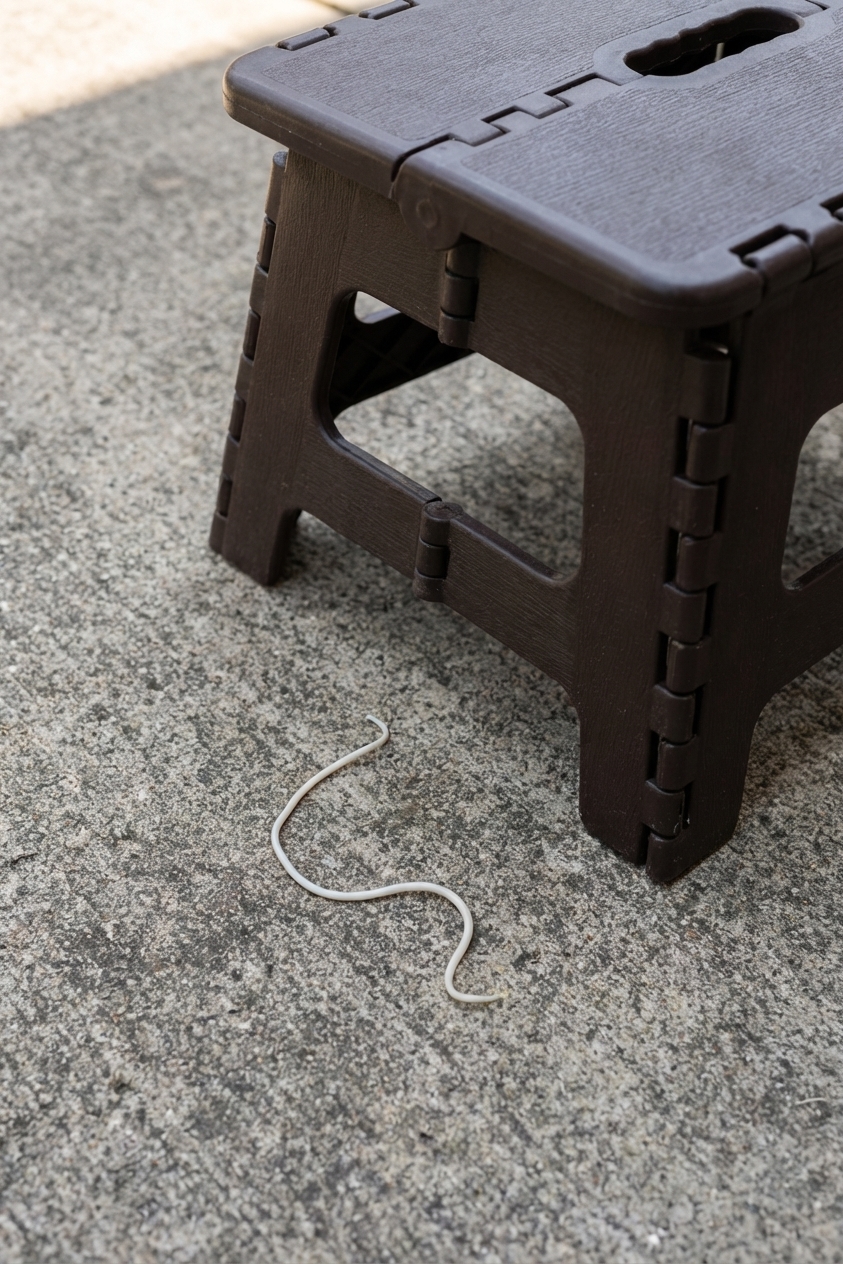
Typical look: longer, smooth, noodle-like worms. They may be white, cream, or light tan. Sometimes they are seen in stool, and sometimes in vomit.
Who is at higher risk: puppies and young dogs, dogs with unknown deworming history, and dogs that eat dirt or stool.
Why we take this seriously: roundworms can contribute to GI upset and poor growth in puppies, and some species can pose zoonotic risk (risk to people) through exposure to contaminated soil or feces.
3) Tiny threads or “fuzz”: often debris or mucus
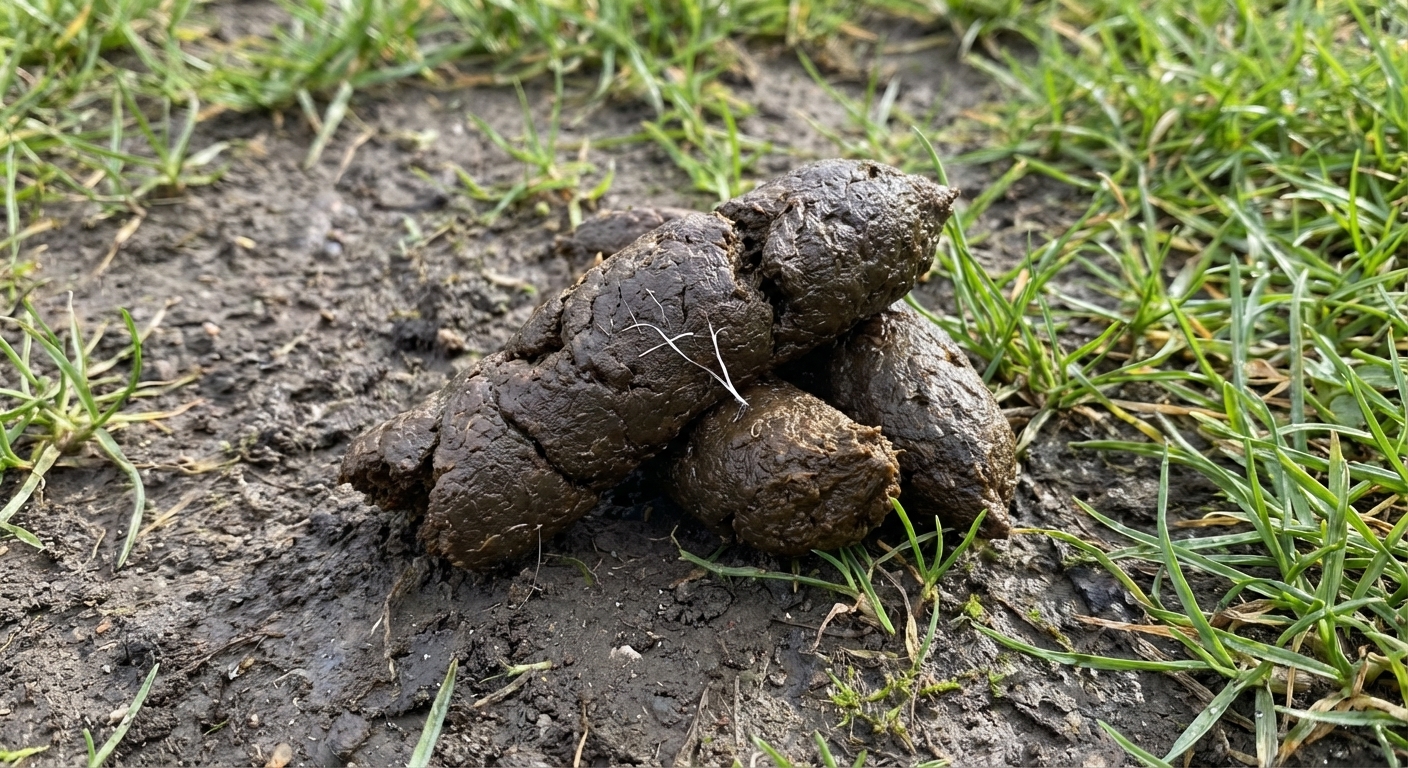
Typical look: very small, hair-thin white threads. Owners sometimes report that they “move,” especially right after the stool is passed.
Important reality check: the classic human pinworm (Enterobius) does not infect dogs. In dogs, this “tiny thread” report is frequently undigested fibers, grass, carpet fuzz, or mucus strands that can shift as the stool settles. Other parasites are still possible, which is why testing matters.
Still worth checking: if your dog is scooting, licking the rear, has diarrhea, or you keep seeing it, bring a sample to the vet.
4) Whitish “skin” or casing: often mucus
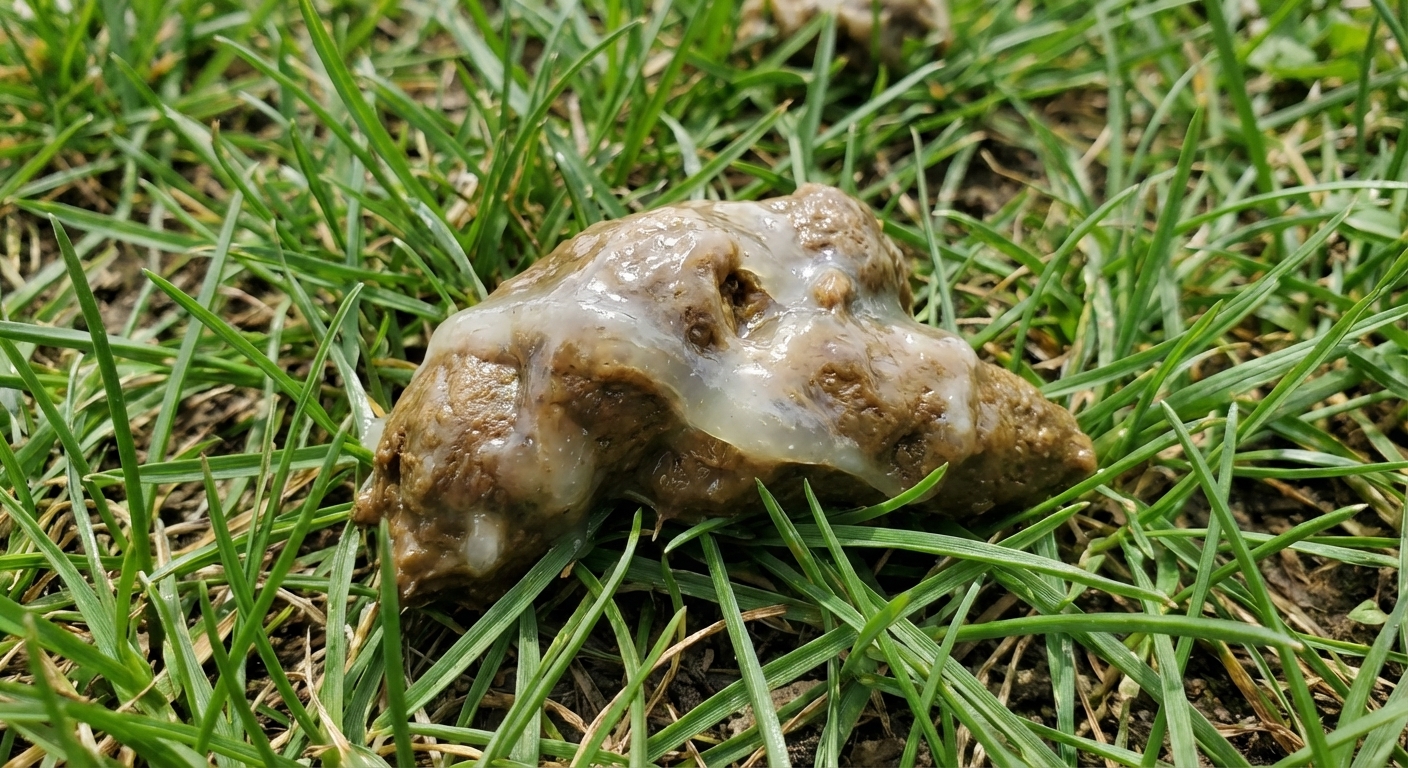
Typical look: clear to whitish jelly-like material, thin sheets, or a casing around stool. This can happen with colitis, stress diarrhea, diet changes, or irritation.
Key difference from worms: mucus looks like a smear, film, or gel, not distinct individual “grains” or “noodles.”
5) White chunks: often food or non-parasite debris
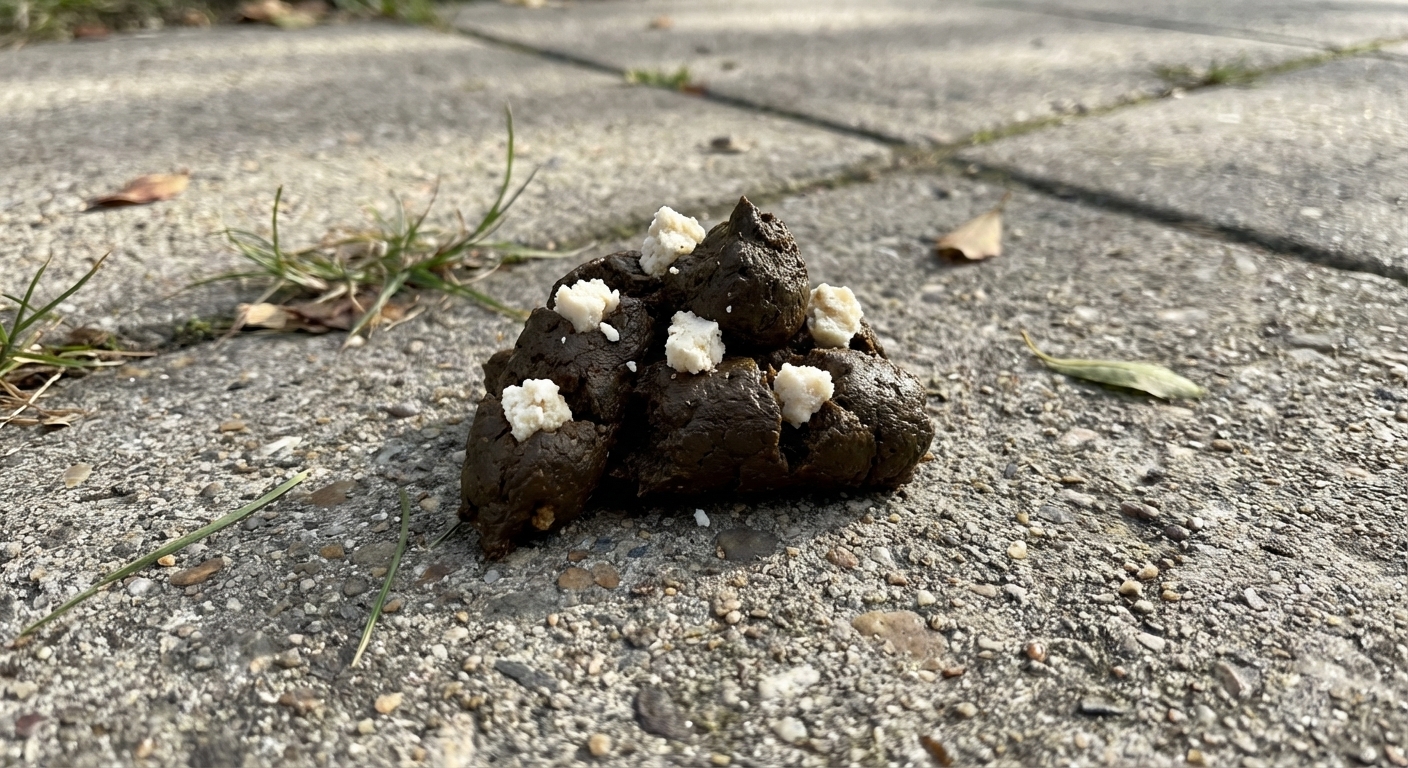
Typical look: irregular white bits that crumble when pressed with a stick or glove. These can be from undigested treats, cartilage, fatty tissue, or bits of chewed toys.
Clue: they are not uniform like rice grains and they do not look like a structured worm.
6) Maggots in old poop: fly larvae, not intestinal worms

Typical look: small, pale white to cream larvae that may be clustered on the stool or in the grass right around it. They are more likely to show up when poop has been sitting outside for hours to days, especially in warm weather.
Key difference: fly larvae are an environmental cleanup crew. They did not come out of your dog’s intestines in that form. If you only see “worms” on older stool in the yard, this is a very common false alarm.
What to do: pick up stool promptly, and if you are unsure, bring a fresh sample from your dog’s next bowel movement to your vet.
Why “it looked like rice” matters
Owners often tell me, “It looked like rice, so it must be tapeworm.” That is a reasonable suspicion, but it is not a guarantee. Several things can mimic that appearance, including dried mucus pieces or food fragments.
The most helpful next step is to collect a fresh sample and bring it to your vet for appropriate testing. Tapeworms, in particular, can be tricky because routine fecal flotation does not always catch them. Your veterinarian may diagnose based on what you saw plus risk factors, may try to identify segments, or may recommend treatment and prevention based on the most likely cause.
What to do next
1) Take a clear photo and short video
- Use good lighting.
- Get one close photo and one photo from farther back for context.
- If anything is moving, a 5 to 10 second video can be extremely helpful.
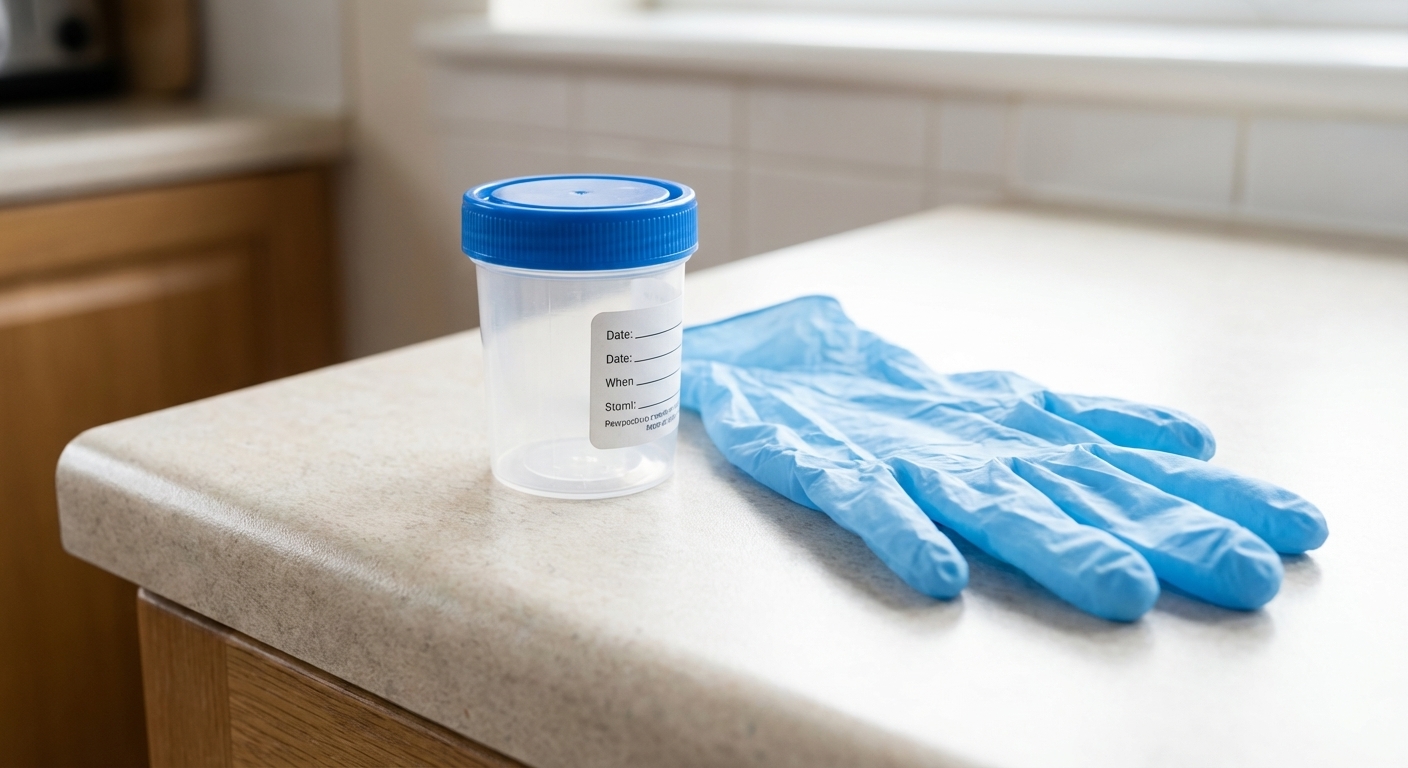
2) Collect a stool sample
If you can, collect a sample from the same bowel movement where you saw the white pieces.
- Use gloves or a poop bag turned inside out.
- Place 1 to 2 tablespoons of stool into a sealed container or double-bag it.
- Refrigerate it if you cannot get to the clinic right away. Aim to drop it off within 24 hours. Do not freeze unless your vet instructs you to.
- Wash hands well, even if you used gloves.
- Surface safety: avoid setting the container on food-prep surfaces. If it touches a counter, disinfect the area afterward.
3) Call your vet with these details
- Your dog’s age and weight
- Any symptoms: diarrhea, vomiting, scooting, itching, appetite changes, weight loss
- Flea prevention status and any recent flea sightings
- Diet changes, new treats, or scavenging events
- Exposure risks: dog parks, daycare, wildlife, boarding, new puppy in home
4) Avoid “just deworming at home” without guidance
Different parasites require different medications and dosing. Some over-the-counter options do not cover tapeworms, and using the wrong product can delay real treatment. Your vet can match the medication to the most likely cause and your dog’s health status.
If it is tapeworm
Tapeworm segments are commonly associated with flea exposure. That means treatment is often two-part:
- Treat the pet with the appropriate dewormer your vet recommends.
- Control fleas consistently to prevent repeat infections.
If you treat tapeworms but skip flea control, it can feel like the worms “keep coming back,” when in reality the exposure is continuing.
Quick prevention note: many monthly preventives help with some intestinal parasites, but not all products cover tapeworms. Your vet can help you choose a plan that fits your dog’s risk.
If it is roundworm
Roundworms are especially common in puppies and can sometimes be passed from mother to pup. Your veterinarian may recommend a series of dewormings and follow-up fecal testing, plus a discussion about yard hygiene and household risk reduction.
Home hygiene basics: pick up stool promptly, prevent dogs from eating stool, and keep kids away from areas where dogs eliminate until the situation is resolved.
Not all parasites are visible
One more important point: many common causes of diarrhea and GI upset are not visible in stool.
- Hookworms and whipworms can cause diarrhea and sometimes blood, but you may never see an adult worm.
- Giardia and coccidia are common, especially in puppies, daycare, and dog-park regulars, and they require testing and targeted treatment.
If your dog has ongoing diarrhea, weight loss, or recurring symptoms, fecal testing is worth it even if you never see a “worm.”
Frequently asked questions
Can I catch worms from my dog?
Some intestinal parasites can pose risks to people, especially through contact with contaminated feces or soil. Good hygiene helps a lot: pick up poop quickly, wash hands, and keep your dog on vet-recommended parasite prevention.
My dog has no symptoms. Do I still need to see the vet?
Yes, it is still worth an appointment. Some dogs carry parasites with minimal signs, and the best treatment depends on what the parasite actually is.
Should I bring the worms themselves?
If you can safely collect a small piece of stool that contains what you saw, that is usually enough. If there is a separate segment on fur, you can place it in a sealed bag. Bring photos either way.
Will one treatment fix it?
Sometimes, but not always. The plan depends on the parasite, your dog’s age, and reinfection risks. Follow your veterinarian’s instructions and complete the full course.
Bottom line
White worms and rice-like segments in dog poop are a strong signal to pause, document, collect a sample, and call your vet. Most cases are treatable and resolve quickly once the correct medication and prevention plan are in place.
If you are unsure, take a photo, save a fresh sample, and let your veterinary team connect the dots. Guessing is stressful, and you deserve real answers.