Help your dog feel better with gentle homemade meals for sensitive stomachs. Learn a 3-ingredient bland reset, easy recipes, transition steps, and what signs...
Article
•
Designer Mixes
White Goop in a Dog’s Eye

Shari Shidate
Designer Mixes contributor
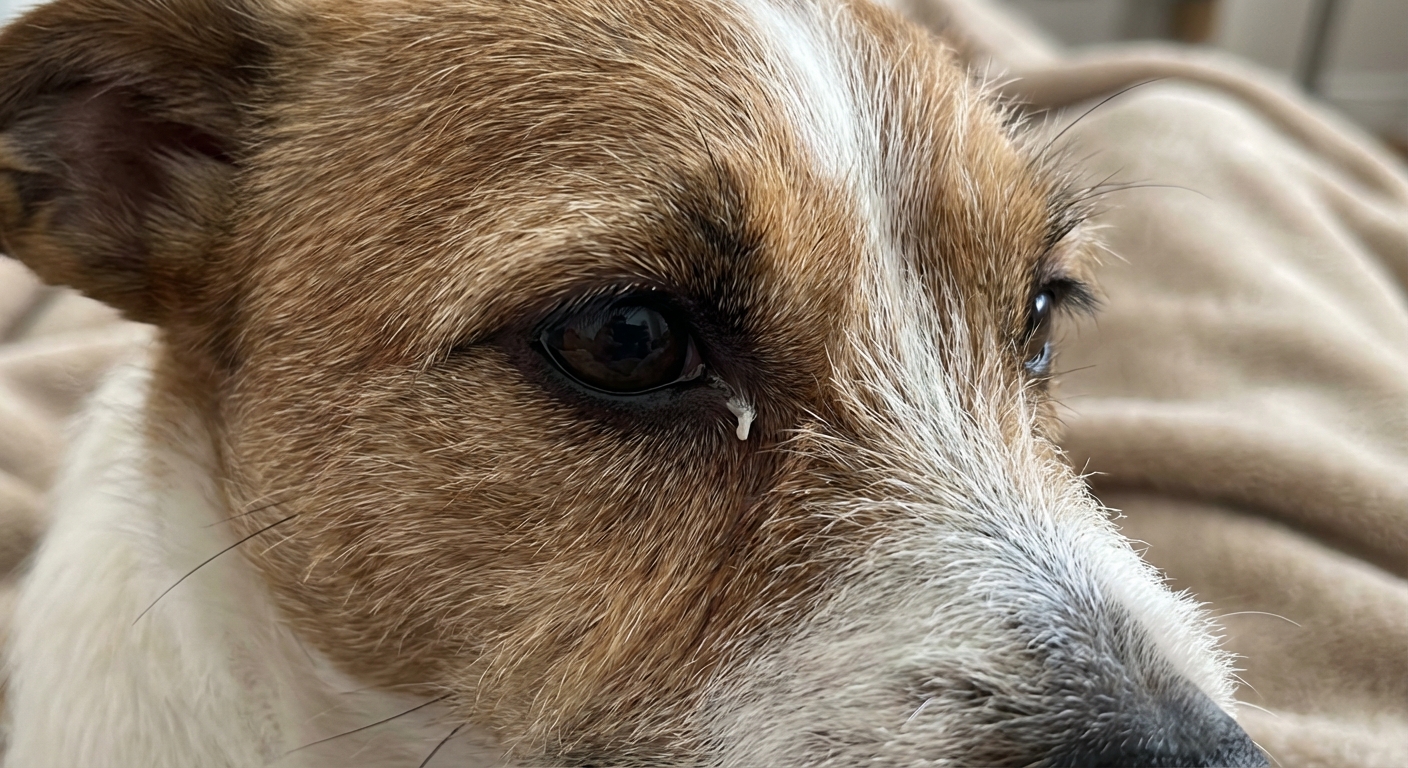
If you have ever looked over at your pup and noticed a little stringy white gunk gathering in the corner of their eye, you are not alone. As a veterinary assistant here in Frisco, Texas, I see this concern all the time. Sometimes it is totally harmless eye “sleep.” Other times, it is your dog’s early warning sign that something is irritating the eye or that an infection or injury is brewing.
The key is learning what is normal, what is not, and when to call your vet.
Quick note: This article is for general education and is not a substitute for an in-person veterinary exam.
What is it, exactly?
White or off-white eye discharge is usually made up of mucus, tears, and small amounts of debris. Medically, you may hear it called ocular discharge. A small amount can be normal, especially after sleeping.
It becomes more concerning when the discharge is:
- Frequent or increasing throughout the day
- Thick, sticky, or ropy
- Coming from one eye only
- Paired with redness, squinting, swelling, or pawing
- Accompanied by a cloudy-looking eye
Common causes
1) Normal eye “sleep”
Just like people, dogs can collect a small amount of dried tears and mucus in the inner corner of the eye after resting. If it wipes away easily and the eye looks comfortable, this is typically not an emergency.
2) Allergies and irritation
Seasonal allergies, dusty trails, grooming products, smoke, and even windy days can irritate the surface of the eye. This often causes clear to white, watery to slightly mucoid discharge and mild redness. Many dogs also lick their paws more or have itchy skin at the same time.
3) Conjunctivitis
Conjunctivitis (inflammation of the eye’s surface) is very common and can be triggered by allergies, infection, dry eye, or irritation. You may notice:
- Pink or red “whites” of the eye
- Squinting or blinking more than usual
- White, yellow, or green discharge
- Crusty build-up on the eyelids
Conjunctivitis has many causes, so the right treatment depends on what is driving it. That is why an exam matters.
4) Dry eye (KCS)
This is a common cause of thick, white, sticky discharge. Dry eye (keratoconjunctivitis sicca, or KCS) happens when the tear glands do not produce enough normal tears to protect and nourish the cornea. Dogs with dry eye often have:
- Ropy, white mucus that returns quickly after wiping
- Dull-looking eyes
- Redness
- Squinting or rubbing
Dry eye is typically diagnosed with a simple tear test (Schirmer tear test) and is very treatable, but it does need ongoing management to prevent painful corneal damage.
5) Tear drainage issues (watery overflow)
Tears normally drain through tiny ducts near the inner corner of the eye. If those ducts are narrowed or blocked, the more classic sign is excessive tearing (epiphora) and tear staining on the fur under the eyes.
You can still see some discharge with chronic irritation, but thick white mucus more often points to inflammation (like dry eye or conjunctivitis) rather than a drainage problem alone.
6) Foreign body or scratch
A small piece of grass, a foxtail, sand, or a minor corneal scratch can cause watery eyes that become more mucus-like. Often you will notice squinting or your dog keeping the eye partly closed. These can escalate quickly, so do not “wait it out” for days.
7) Eyelid, eyelash, and breed-related exposure issues
Some dogs have eyelids that roll inward (entropion) or eyelashes that rub the eye (distichia). Chronic rubbing causes irritation and discharge.
Breed matters too. Flat-faced dogs (like Pugs, Shih Tzus, and Boston Terriers) and dogs with prominent eyes are more prone to exposure-related irritation (the surface dries out more easily), which can lead to frequent watering, mucus, and recurrent redness.
8) Cherry eye
A prolapsed third eyelid gland (commonly called cherry eye) looks like a pink or red bulge in the inner corner of the eye. It can increase tearing and discharge and can irritate the eye. This is not usually life-threatening, but it should be checked promptly to protect tear production long-term.
9) Infectious causes (most often bacterial, usually secondary)
Infectious conjunctivitis in dogs is most commonly bacterial or secondary to another issue (like allergies, dry eye, a foreign body, or eyelid problems). Discharge may become yellow or green as infection and inflammation ramp up. Viral causes can happen but are less common as a primary, standalone problem in dogs.
10) Glaucoma or uveitis (do not miss)
Not every “goopy eye” is simple irritation. Glaucoma (high eye pressure) and uveitis (intraocular inflammation) can cause redness, tearing, squinting, light sensitivity, and a cloudy-looking eye. These are painful and can threaten vision, so they are urgent.
What is urgent
Here is the part I wish more owners knew: eyes can go from “mildly irritated” to “serious” faster than many people expect. If you see the signs below, it is time to stop monitoring at home and call your veterinarian.
Please contact your veterinarian urgently (same day if possible) if you notice any of the following:
- Squinting or keeping the eye shut
- Pawing at the eye or face rubbing
- Cloudiness on the surface of the eye
- Visible swelling around the eye or third eyelid covering more of the eye
- Discharge that turns yellow or green
- One eye looks very different from the other
- Sudden onset after outdoor play, grooming, or a scuffle
- Any eye issue in a puppy or a dog with known dry eye
- Chemical exposure (shampoo, cleaners, pesticides): rinse with lots of saline or clean water and go in immediately
- Systemic signs like lethargy, fever, facial swelling, or neurologic changes along with eye symptoms
When in doubt, treat eye pain like you would treat your own. If it would worry you in a child, it is worth calling about for your dog.
Safe home care
If your dog’s eye looks comfortable and the discharge is mild, you can do gentle supportive care while you monitor.
What to do
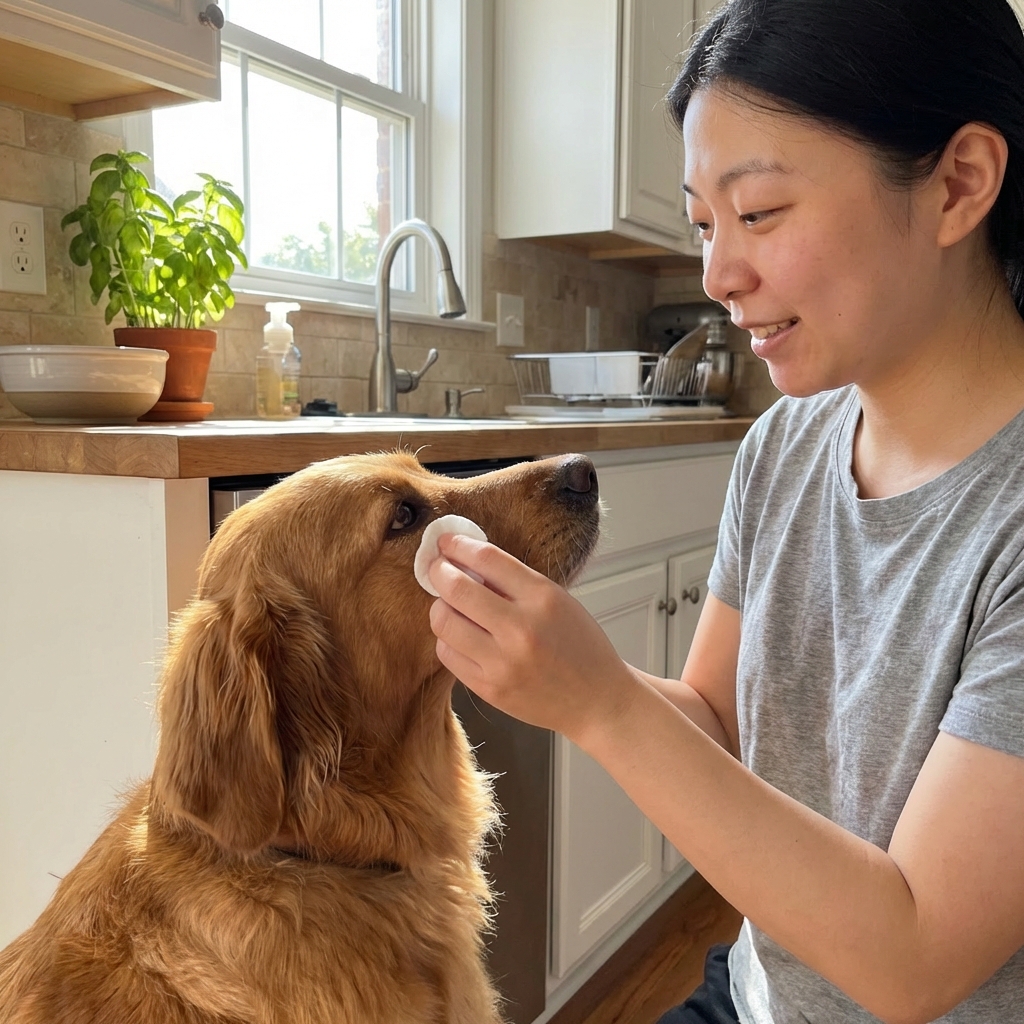
- Wipe the discharge with a clean, damp cotton pad or gauze. Use warm water or sterile saline.
- Use a fresh pad for each eye to avoid spreading infection.
- Trim long hair around the eyes if it is poking or trapping debris (or ask your groomer).
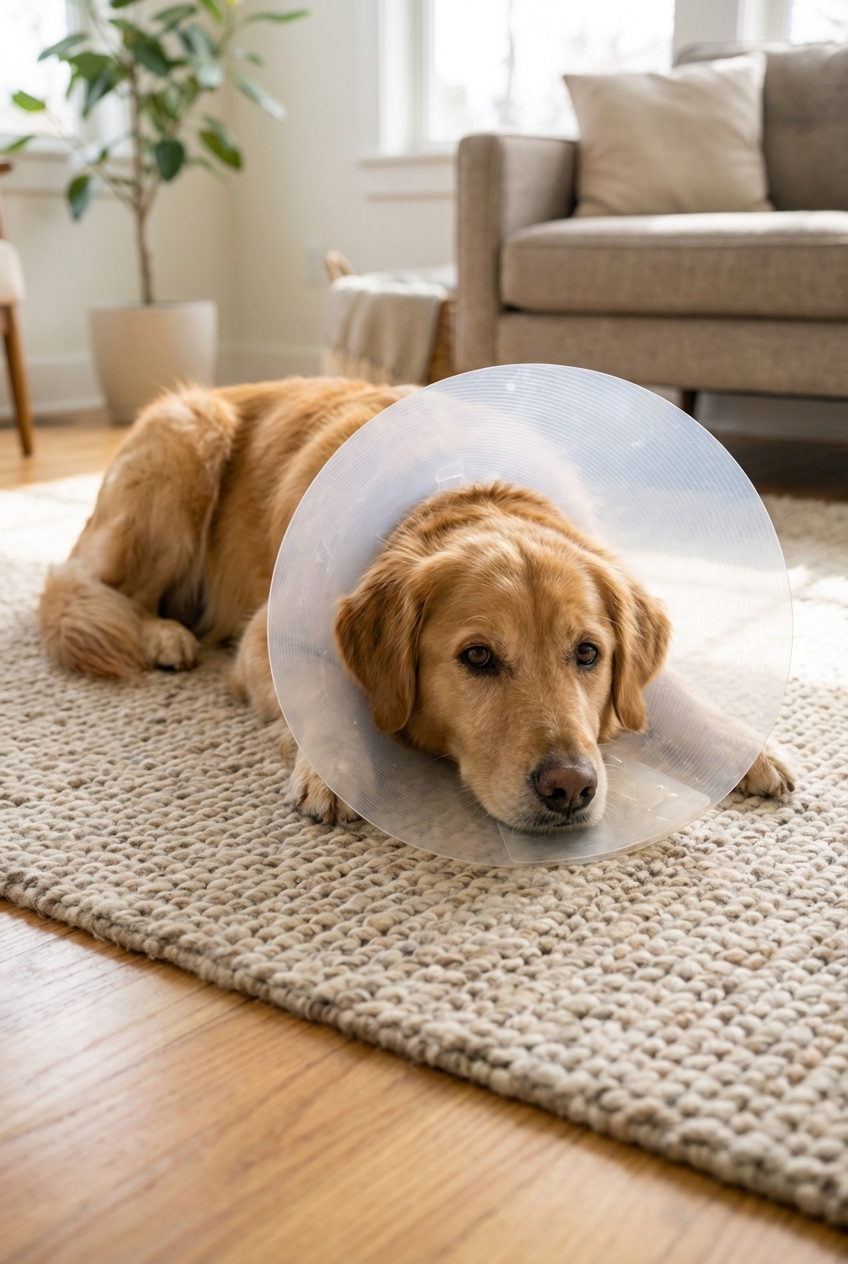
- Prevent rubbing. If your dog is pawing, use an e-collar until you can be seen.
What not to do
- Do not use human eye drops unless your veterinarian specifically instructs you to.
- Do not use leftover prescription eye medication. Some drops contain steroids that can make corneal ulcers much worse.
- Do not “wait a week” if symptoms are escalating.
How long to monitor
If it is mild and your dog is acting normal, it is reasonable to monitor closely for 24 to 48 hours. If it is not clearly improving, or if any red-flag signs show up, call your vet.
What your vet may check
An eye exam is not just a quick look. Your veterinarian may recommend tests that help pinpoint the cause so treatment is safe and effective.
- Fluorescein stain to check for corneal scratches or ulcers
- Schirmer tear test to measure tear production and screen for dry eye
- Eye pressure check (tonometry) to evaluate for glaucoma and other pressure-related issues
- Microscopic exam or culture if infection is suspected, severe, or recurrent
This is why I encourage owners not to self-diagnose. Two dogs can have similar-looking white discharge with completely different underlying problems.
Preventing repeat flare-ups
- Keep the face clean and gently wipe eye corners daily if your dog is prone to buildup.
- Reduce irritants by avoiding heavily scented cleaning products and being cautious with shampoos around the face.
- Watch outdoor time in tall grass and brush, especially during foxtail season.
- Stay consistent with dry eye treatment if your dog has KCS. Skipping doses is a common reason symptoms flare.
- Support overall health with a balanced diet. Omega-3 fats may support skin and tear film quality in some dogs, but diet alone will not prevent most eye diseases.
Quick color guide
This is not a diagnosis, but it helps you decide how quickly to act.
- Clear and watery: allergies, irritation, early foreign body
- White and stringy: dry eye, irritation, conjunctivitis
- Yellow or green: infection or significant inflammation is more likely, needs vet guidance
- Bloody: injury, severe inflammation, or other urgent issues
If your dog is squinting or the eye looks cloudy, do not wait for the discharge color to “confirm” anything. Get the eye checked.
Bottom line
A little white eye gunk that shows up after naps and wipes away easily can be totally normal. But persistent, thick, or one-sided discharge, especially with redness or squinting, deserves a veterinary exam. Eyes are delicate, and early treatment can prevent pain and protect vision.
If you are unsure, take a clear photo in good light and call your vet. That simple step often helps your clinic triage how quickly your pup should be seen.