Chicken and rice can soothe mild stomach upset and help dogs transition back to normal food. Learn safe recipes, portions, how long to feed it, and when to c...
Article
•
Designer Mixes
Whipworm in Dogs: Symptoms, Diagnosis, and Treatment

Shari Shidate
Designer Mixes contributor
As a veterinary assistant here in Frisco, Texas, I can tell you whipworms are one of those parasites that can quietly make a dog miserable, and they can be frustrating to fully eliminate. The tricky part is that symptoms can look like a simple upset stomach, and the eggs can persist in soil for years under favorable conditions, especially in cool, shady, moist areas. The good news is that with the right testing, a consistent deworming plan, and smart yard hygiene, most dogs recover well and stay worm-free.
What are whipworms?
Whipworms are intestinal parasites that live in a dog’s large intestine and cecum, which is a small pouch at the beginning of the large intestine. The most common species in dogs is Trichuris vulpis. Adult worms anchor into the intestinal lining and can cause inflammation, bleeding, and irritation that leads to diarrhea and weight loss.
In everyday clinic conversations, whipworms are one of the intestinal parasites we commonly discuss along with roundworms, hookworms, and tapeworms.
How dogs get whipworms
Dogs get whipworms by swallowing whipworm eggs from the environment. This usually happens when a dog sniffs, licks, or eats contaminated soil, grass, or anything that has contacted contaminated dirt.
One thing that surprises people is the timing. After a dog swallows eggs, it can take around 2 to 3 months before the worms mature and start producing eggs. That means symptoms and testing results can lag behind the original exposure.
Common exposure sources
- Backyards and dog runs where an infected dog has pooped in the past
- Dog parks and shared potty areas, especially in high-traffic spots
- Kennels, shelters, and boarding facilities if sanitation is imperfect
- Mud on paws that gets licked off later
- Contaminated objects like shoes, tools, or outdoor toys that tracked infected dirt
Unlike some other parasites, whipworms do not typically spread through the skin. For comparison, some hookworm species can infect through the skin in certain settings, but whipworms are primarily an ingestion problem.
Whipworm symptoms in dogs
Some dogs show obvious signs, while others carry whipworms with mild or intermittent symptoms. Many owners tell us, “It comes and goes,” which is a big clue with whipworms.
Most common signs
- Diarrhea, often chronic or intermittent
- Bloody diarrhea or stool with mucus
- Straining to poop or urgency
- Weight loss or poor body condition over time
- Decreased appetite
- Lethargy
Anemia and dehydration
With heavier infestations, dogs can lose blood and fluid through the GI tract. This can contribute to anemia and dehydration, especially if diarrhea is severe.
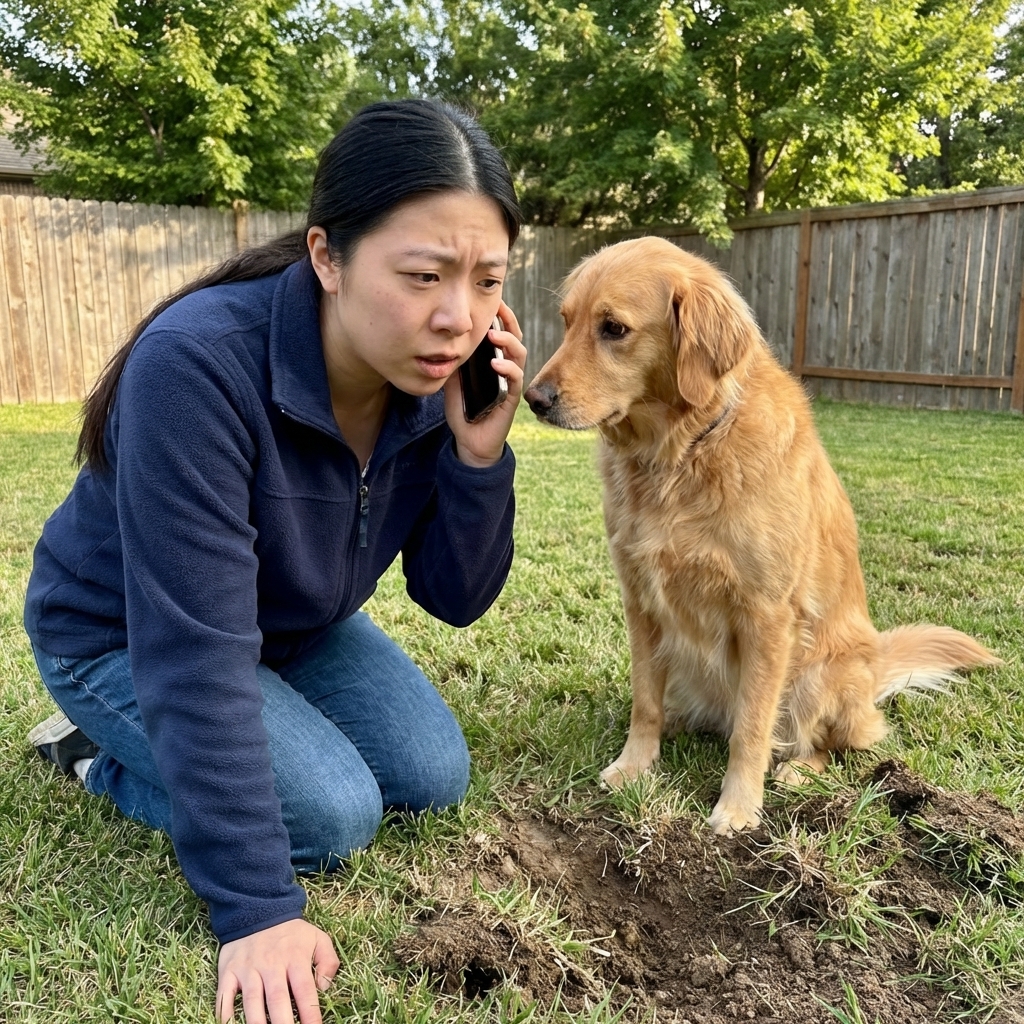
Get urgent veterinary care if your dog is weak, pale-gummed, vomiting repeatedly, has black tarry stool, or has profuse watery diarrhea. Puppies, seniors, and small dogs can deteriorate quickly.
Why diagnosis can be tricky
Whipworms are notorious for being harder to confirm than roundworms or hookworms. Here is why:
- Intermittent egg shedding: Adult whipworms may not release eggs consistently, so a single stool test can be negative even when whipworms are present.
- Long prepatent period: After a dog swallows eggs, it can take about 2 to 3 months before the worms mature and begin producing eggs. During that time, a fecal test may not detect them.
- Similar symptoms to other problems: Colitis, food intolerance, stress diarrhea, Giardia, bacterial infections, and inflammatory bowel disease can look similar. Co-infections can happen too.
Testing your vet may recommend
Most clinics start with a fecal flotation test. If whipworms are suspected but the test is negative, your veterinarian may recommend:
- Repeat fecal testing on multiple samples or over multiple visits
- Fecal antigen testing (when available), which may improve detection depending on the test used
- Empiric deworming if the history and symptoms strongly fit whipworms
- Additional diagnostics if your dog is very ill or not improving (bloodwork, imaging, GI panels)
One practical tip we give clients: bring a fresh sample if you can (ideally the same day), and follow your clinic’s storage instructions. Old or improperly stored samples can make parasite detection harder.
Whipworm treatment
Whipworms are treatable, but they require a plan that accounts for their life cycle and the persistence of eggs in the environment.
Common dewormers used
Your veterinarian will choose a medication based on your dog’s age, weight, health history, and any other parasites found. Common active ingredients that treat whipworms include:
- Fenbendazole
- Febantel (often combined with other deworming ingredients)
- Milbemycin oxime (found in some monthly preventives that also help control whipworms)
Important: Not every “general dewormer” covers whipworms. Always verify with your vet that the product you are using specifically treats whipworms.
Typical schedule
Because whipworms can be difficult to fully clear with a single treatment, vets often use a repeat schedule. A common approach is:
- Initial treatment
- Repeat in about 3 to 4 weeks
- Repeat again in about 3 months
This timing helps target worms that were immature during earlier treatments. In my experience, this is also where families get tripped up, because the dog feels better and it is tempting to stop early. Your vet’s exact protocol can differ based on the medication used, your dog’s reinfection risk, and what else is going on medically. Some dogs, especially those with ongoing exposure risk, do best on a monthly heartworm preventive that also controls whipworms, used year-round.
Supportive care
If your dog has significant diarrhea, dehydration, or weight loss, your veterinarian may also recommend:
- Fluids or electrolyte support
- A bland or prescription GI diet for a short period
- Probiotics
- Medication to soothe colitis if appropriate
Do not give human anti-diarrheal medications unless your vet approves them. Some are unsafe for dogs, and others can mask symptoms that need treatment.
Follow-up and prognosis
Most dogs do very well once they are on the right plan. Your vet may recommend a recheck fecal test after treatment, or repeat testing if symptoms return. If you are still seeing diarrhea after starting treatment, call your clinic so they can check for reinfection, co-infections like Giardia, or a separate GI issue that needs a different approach.
Yard cleanup and reinfection
This is the part many families do not expect: even when the dog is treated correctly, the environment can re-infect them.
Why eggs persist in soil
Whipworm eggs have a thick, protective outer shell that helps them survive harsh conditions. Once eggs are deposited in feces and become infective in the environment, they can remain viable for a long time, especially in shady, moist soil.
In practical terms, that means a yard can stay contaminated well after the diarrhea has resolved and even after your dog has been treated.
What actually helps outside
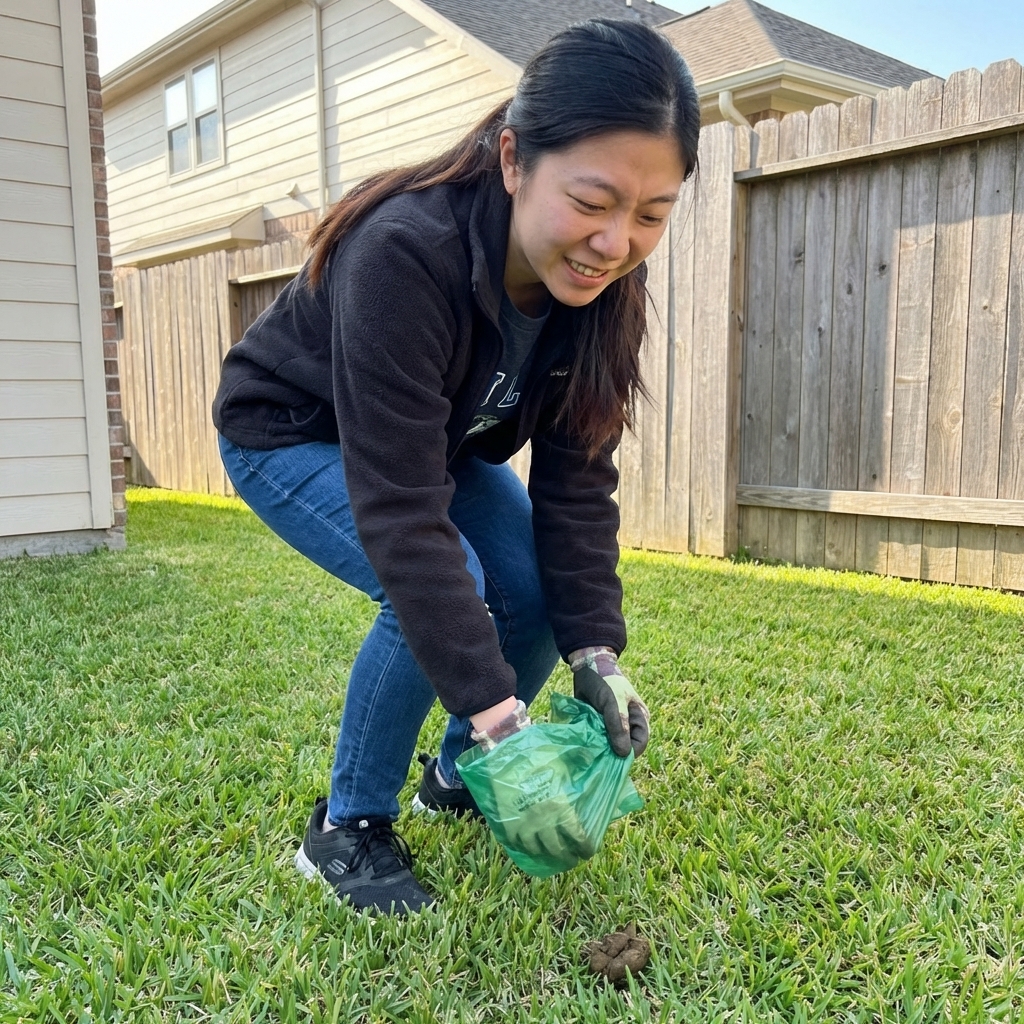
- Pick up poop immediately and dispose of it in sealed bags. This is the single most important step.
- Restrict access to any area where your dog had diarrhea until you have a treatment plan in place and stools are normal.
- Reduce moisture when possible. Eggs persist longer in damp areas, so improving drainage and sunlight exposure can help.
- Rinse hard surfaces (concrete patios, kennel floors) and follow your vet’s guidance on disinfectants. Soil is much harder to sanitize than non-porous surfaces.
- Prevent scavenging. Discourage eating grass, dirt, or animal feces, and keep dogs leashed in high-risk areas.
Why chemicals are not a simple fix
Many common yard disinfectants do not reliably kill whipworm eggs in soil. Products like bleach can help on hard, non-porous surfaces when used correctly, but they are not a realistic solution for treating the ground itself. For most households, the best strategy is stool pickup plus consistent prevention rather than trying to sterilize the yard.
Long-term prevention
Whipworms are much easier to prevent than to chase repeatedly. Here are the steps I recommend most often in a clinic setting.
Prevention checklist
- Use a vet-recommended monthly parasite preventive that includes whipworm control if your dog is at risk.
- Schedule regular fecal exams. Many veterinarians recommend at least once or twice a year, more often for puppies or dogs who frequent dog parks.
- Practice strict poop pickup in your yard and on walks.
- Be cautious with high-traffic potty areas like dog parks, apartment dog runs, and trails with lots of dogs.
- Test and treat all dogs in the household if your vet recommends it, especially if they share the same yard.
When to call your vet
Call your veterinarian if your dog has diarrhea lasting more than 24 to 48 hours, any blood in the stool, repeated straining, weight loss, or low energy. Even if it turns out not to be whipworms, these signs deserve a real diagnosis, because the treatment plan can be very different depending on the cause.
If your dog is being treated for whipworms and symptoms keep returning, ask your vet about repeat fecal testing, whether the medication used covers whipworms, and whether a monthly preventive that targets whipworms makes sense for your dog’s lifestyle.
FAQs
Can humans catch whipworms from dogs?
The canine whipworm species is generally considered dog-specific, and human infection is considered rare and not a common concern. There are occasional reports in the medical literature, so it is still smart to take hygiene seriously. Wash hands after yard work, poop pickup, and handling dogs with diarrhea. If anyone in the home has health concerns, consult your physician.
Do I need to treat my house?
Whipworm eggs are mainly an outdoor soil problem. Indoor spread is less common, but if your dog had accidents inside, clean promptly and thoroughly. Focus heavily on yard cleanup and preventing re-exposure.
How soon will my dog feel better?
Many dogs improve after treatment starts, but the timeline depends on how inflamed the colon is and whether there are other issues like Giardia, stress colitis, or diet intolerance happening at the same time. If your dog is not improving within a few days, let your vet know.