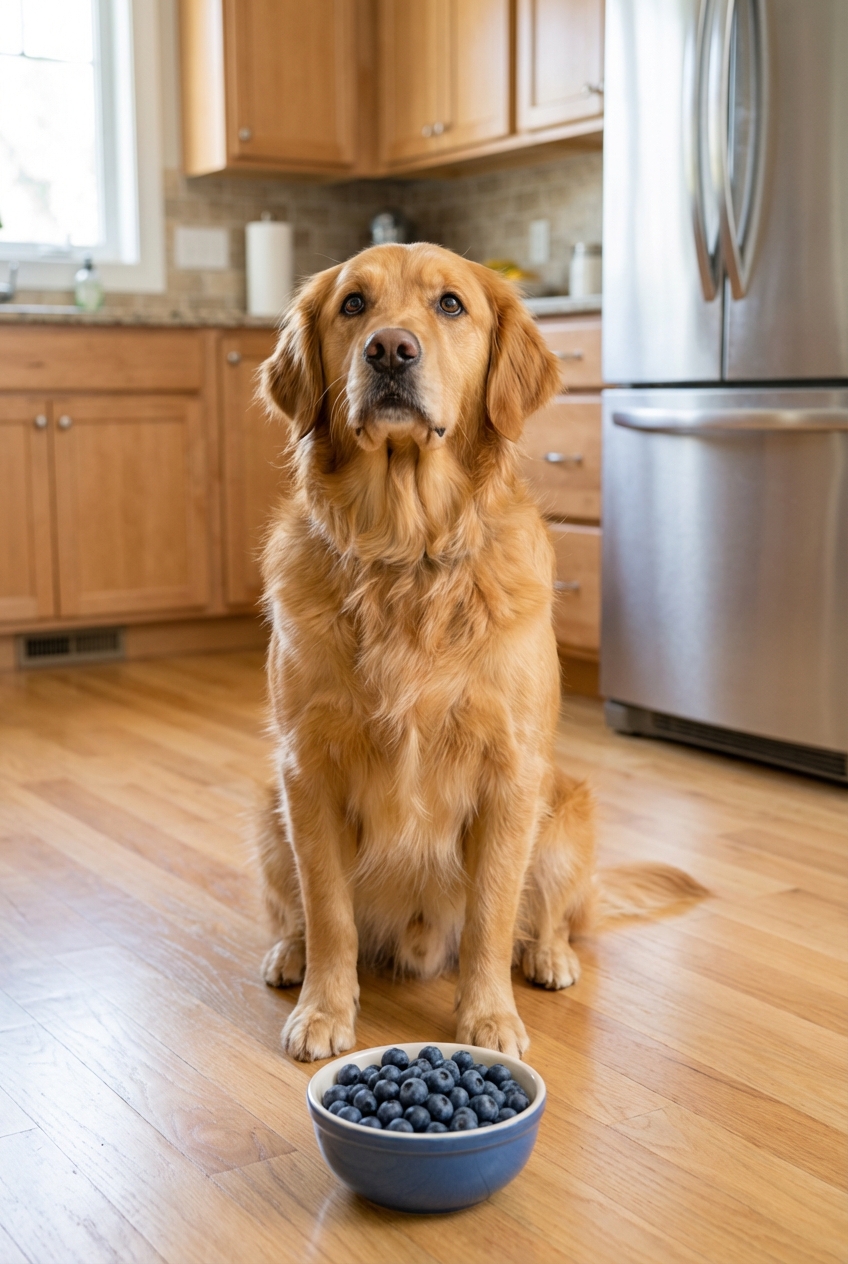
A vet assistant’s guide to safe fruit treats for dogs: 20 dog-friendly fruits, simple prep rules (no pits/seeds), portion tips by size, and a quick list of...
Article
•
Designer Mixes
Which Fruits Are Safe for Dogs? A Practical Guide for Pet Parents

Shari Shidate
Designer Mixes contributor
Starting with a smart plan sets the tone for the day. I often remind pet parents I work with that small, consistent choices add up over time. The same is true for our dogs: the treats we offer regularly can meaningfully influence digestion, weight, and overall health.
Fruit can be a wholesome treat for many dogs, but not all fruits are safe and even the safe ones need the right portion and preparation. Below is a practical, evidence-informed guide to fruits dogs can usually enjoy, how to serve them, and which ones to avoid.
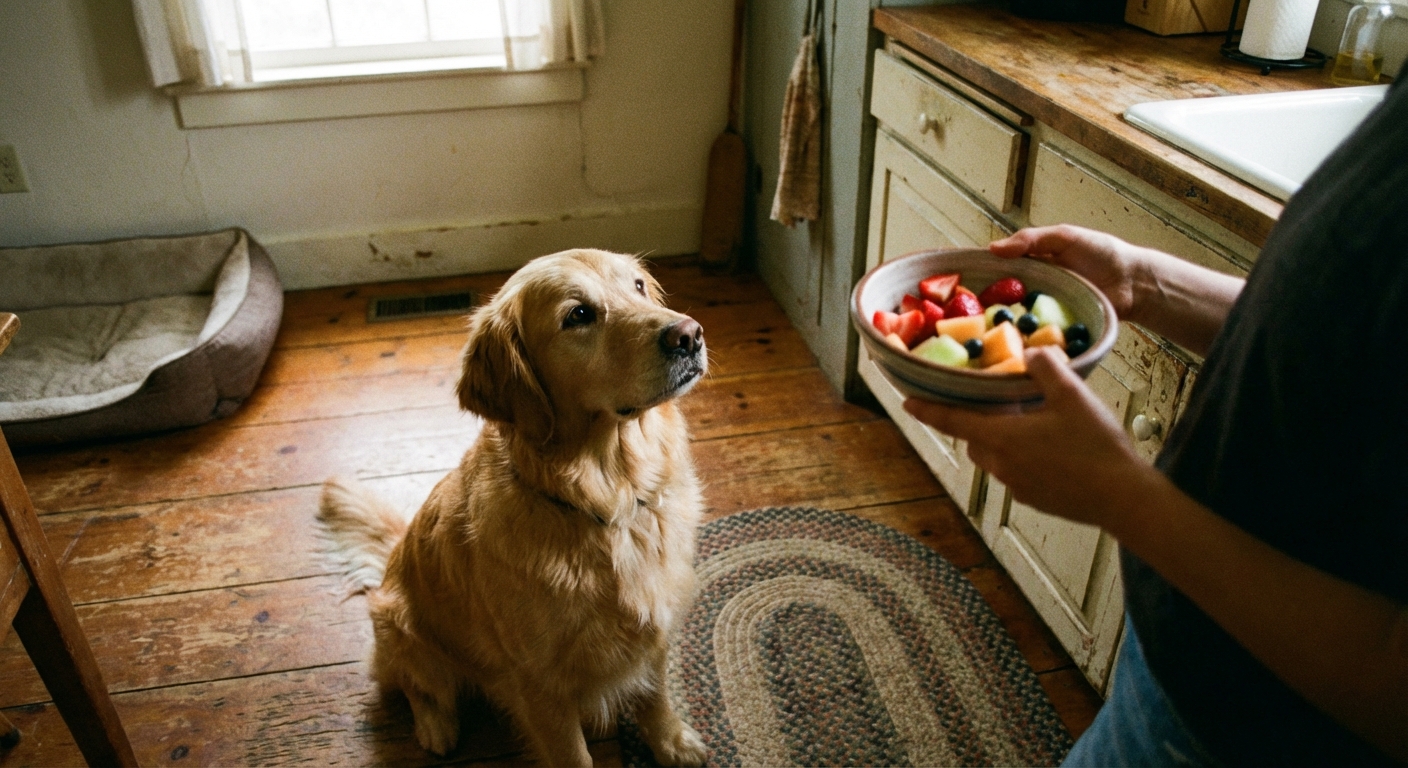
Before you share: safety basics
Think of fruit as a treat, not a meal replacement. Even healthy fruits contain natural sugars and can cause stomach upset if a dog eats too much at once.
- Keep treats to 10% or less of daily calories. For many medium dogs, that is just a few bite-sized pieces.
- Introduce new fruits slowly. Start with 1 to 2 small pieces and watch for vomiting, diarrhea, gas, or itching.
- Remove pits, seeds, stems, and tough rinds. These can be choking hazards or cause intestinal blockage.
- Skip added sugar. Avoid fruit packed in syrup, candied fruit, or anything with xylitol (a sweetener that is toxic to dogs).
- When in doubt, call your veterinarian. This is especially important for dogs with diabetes, a pancreatitis history, kidney disease, or food allergies.
Safe fruits for dogs
These fruits are commonly considered safe for healthy dogs when served plain, in small portions, and prepared appropriately.
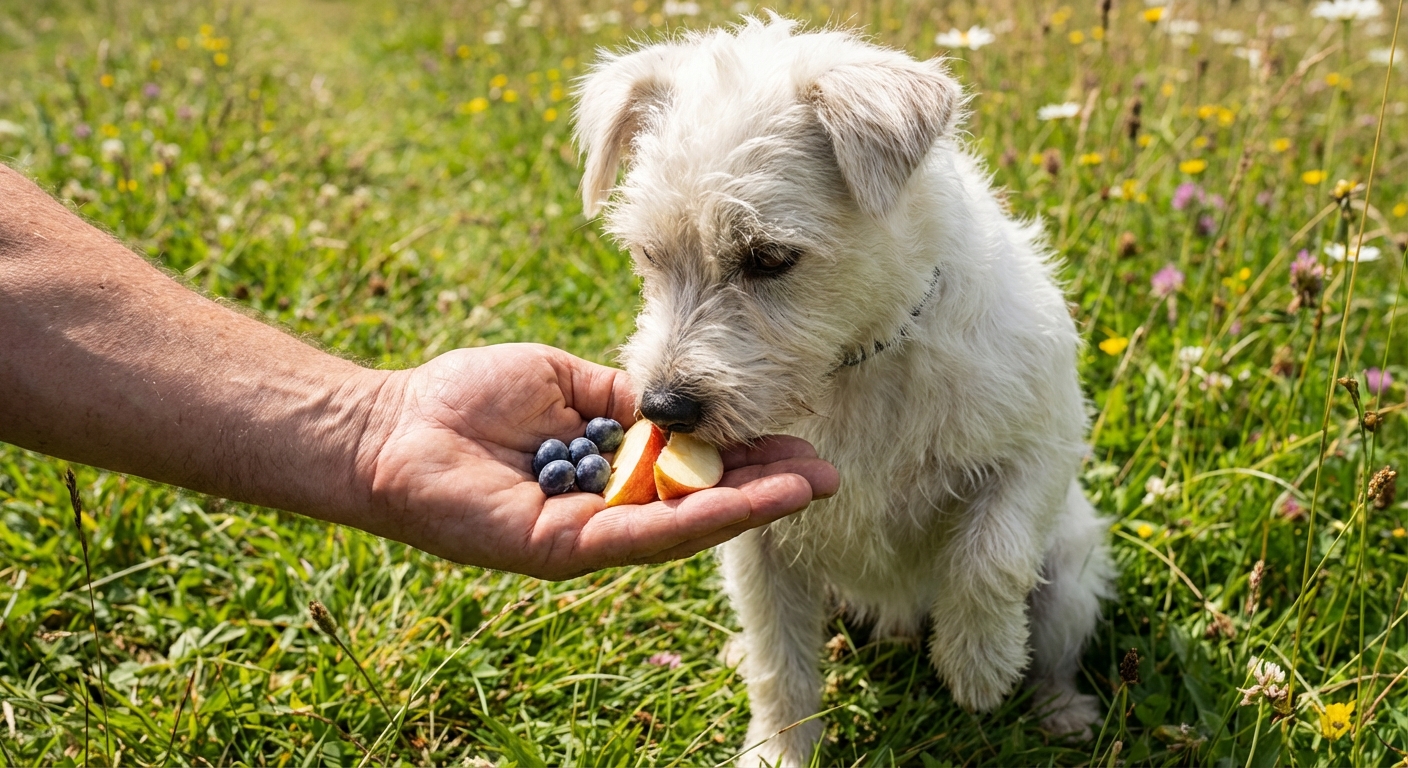
Apples
Apples are a crisp, hydrating treat with fiber and vitamin C.
- Serve: Thin slices or small cubes.
- Prep: Remove the core and seeds.
- Note: Apple seeds contain cyanogenic compounds (often discussed as amygdalin). A few accidentally swallowed seeds are unlikely to cause toxicity, but you should avoid offering seeds intentionally, and the core can also be a choking or blockage risk.
Bananas
Bananas are gentle on the stomach for many dogs and provide potassium, but they are higher in sugar and calories than many fruits.
- Serve: A few small pieces.
- Prep: Remove the peel.
- Best for: Occasional treats, not daily for most dogs.
Blueberries
Blueberries are low in calories and widely used as training treats.
- Serve: Whole berries for larger dogs, halved for small dogs to reduce choking risk.
- Prep: Rinse well.
- Tip: Frozen blueberries can be a fun summer treat.
Strawberries
Strawberries offer vitamin C and antioxidants.
- Serve: Sliced.
- Prep: Remove stems and rinse.
- Note: Keep portions small due to natural sugar.
Watermelon
Watermelon is mostly water, making it a refreshing option.
- Serve: Small cubes.
- Prep: Remove rind and seeds.
- Warning: Rind can cause GI upset or blockage.
Cantaloupe
Cantaloupe can be a tasty treat but is sweeter than many fruits.
- Serve: A few bite-sized pieces.
- Prep: Remove rind and seeds.
- Note: Use caution for overweight dogs or dogs with diabetes.
Pineapple
Pineapple is safe in small amounts and can be appealing to some dogs.
- Serve: Small chunks.
- Prep: Remove spiky skin and tough core.
- Avoid: Canned pineapple in syrup.
Mango
Mango provides vitamins A, B6, C, and E.
- Serve: Small cubes.
- Prep: Remove skin and the large pit.
- Note: The pit is a choking hazard and can cause blockage.
Pears
Pears are a mild fruit with fiber and hydration.
- Serve: Small slices.
- Prep: Remove seeds and core.
- Avoid: Pears canned in syrup.
Peaches (fresh only)
Fresh peaches can be safe in small bites.
- Serve: Small slices.
- Prep: Remove the pit completely.
- Avoid: Canned peaches (often sugary) and any access to peach pits.
Oranges and mandarins (small amounts)
Some dogs enjoy citrus, but it can cause stomach upset for others.
- Serve: One to two segments.
- Prep: Remove peel and seeds.
- Tip: If your dog is sensitive, skip citrus.
Raspberries (small amounts)
Raspberries can be a low-calorie treat with fiber and antioxidants, but they can upset some dogs’ stomachs in larger portions.
- Serve: A few berries.
- Prep: Rinse well.
Cranberries (plain)
Cranberries are generally safe in small amounts. They are tart, so many dogs are not interested.
- Serve: A few fresh berries or a small pinch of unsweetened dried cranberries.
- Avoid: Sweetened dried cranberries and cranberry sauces.
Kiwi (peeled)
Kiwi is generally safe for dogs in small portions, though some dogs get GI upset.
- Serve: Small pieces.
- Prep: Peel first and cut small.
Fruits to avoid
These fruits are unsafe or commonly problematic for dogs. If your dog eats any of these, contact your veterinarian or a pet poison hotline right away.
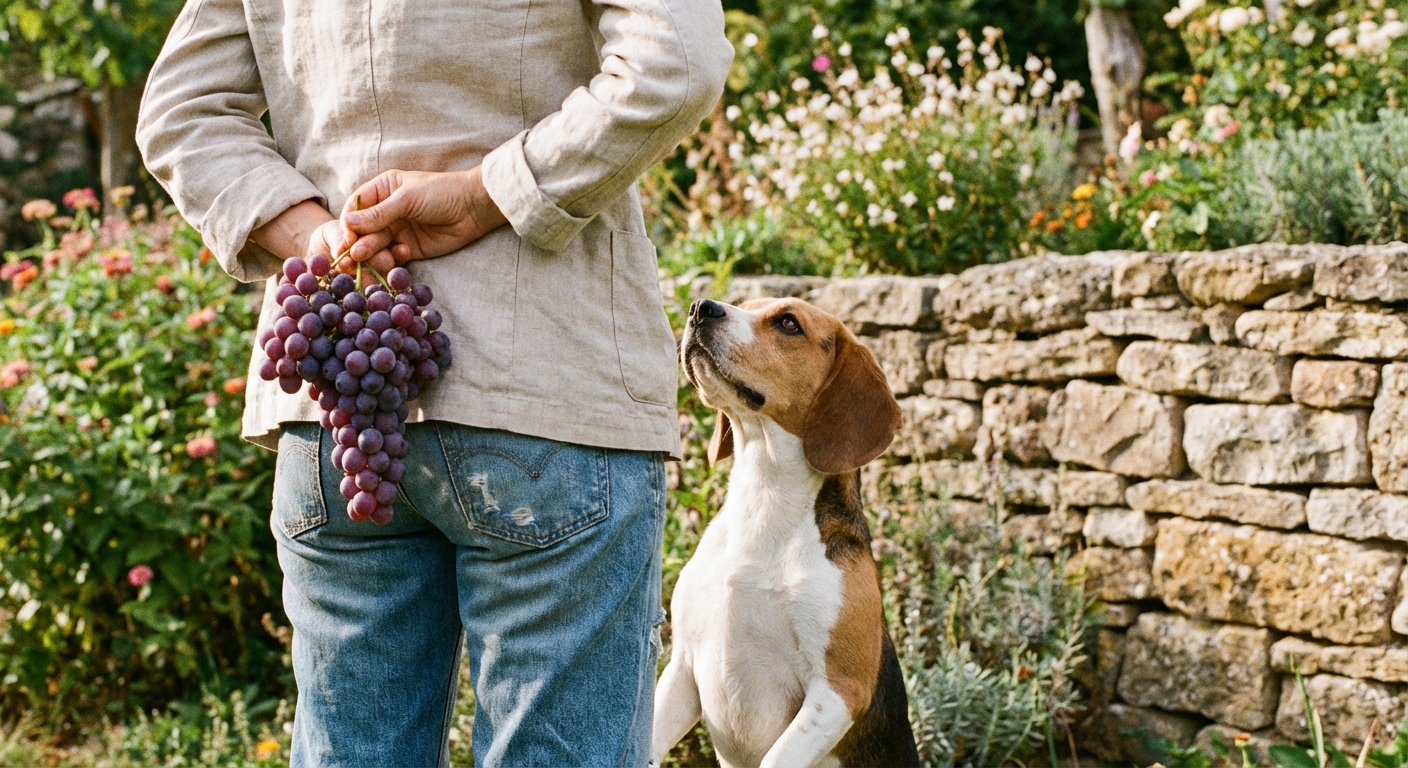
- Grapes and raisins: Can cause acute kidney failure in some dogs. There is no known safe amount.
- Cherries: The flesh is not typically toxic, but the pits, stems, and leaves can contain cyanogenic compounds, and pits are a major choking and blockage risk. Because those parts are easy for dogs to access, cherries are commonly discouraged.
- Avocado: Many dogs may only develop mild GI upset from small amounts of the flesh, but avocado is high in fat (a pancreatitis concern in susceptible dogs) and the pit is a serious choking and obstruction hazard. Avoid offering it as a treat.
- Figs: Can cause vomiting, diarrhea, or irritation in some dogs (including mouth or skin irritation).
- Unprepped stone fruits: Peach, plum, apricot, and similar fruits are risky if pits are not removed. The pits can obstruct the gut and can contain cyanogenic compounds.
Quick rule: If it is a grape or raisin, it is a hard no. If it has a pit, seed cluster, or thick rind, it needs careful prep or should be skipped.
How much fruit is ok?
Portion size depends on your dog’s size, activity level, and health history. Use the 10% treat rule as your guardrail, and remember that fruit calories vary (banana is much denser than watermelon).
- Small dogs (under 20 lb): 1 to 3 small pieces.
- Medium dogs (20 to 50 lb): 3 to 6 small pieces.
- Large dogs (over 50 lb): A small handful of bite-sized pieces.
Practical example: A few blueberries or a small cube of watermelon is usually a lighter choice than several banana slices.
If your dog is prone to weight gain, has diabetes, or has had pancreatitis, talk with your veterinarian before making fruit a regular treat. The safest approach is to keep fruit occasional and portioned.
Serving tips
Preparation makes a bigger difference than most people realize. A safe fruit can become unsafe if it is served with the wrong parts attached.
- Wash thoroughly to remove dirt and residues.
- Cut into bite-sized pieces to reduce choking risk.
- Remove seeds and pits and discard peels and rinds when they are tough.
- Try frozen fruit (like blueberries or small watermelon cubes) as a soothing treat on hot days.
- Use fruit as a topper for enrichment toys, but keep it minimal.
When to call the vet
Even safe foods can cause trouble in certain dogs. Call your veterinarian promptly if your dog shows:
- Repeated vomiting or diarrhea
- Swollen face, hives, intense itching, or sudden ear redness (possible allergy)
- Lethargy, refusal to eat, or signs of abdominal pain
- Choking, repeated gagging, or trouble swallowing
- Any grape or raisin ingestion
If you need fast guidance, your veterinarian or ASPCA Animal Poison Control can help you decide what to do next.
Takeaway
Most dogs can enjoy small amounts of certain fruits, especially apples (no seeds), blueberries, strawberries, banana (small portions), watermelon (no rind or seeds), and mango (no pit). The big ones to avoid are grapes and raisins, plus any fruit where pits, seeds, rinds, or stems have not been removed.
For a plan that fits your dog’s age, size, and health history, check in with your veterinarian.