Learn veterinarian-approved quality-of-life signs, how to track good vs bad days, use the HHHHHMM scoring tool, and what to ask your vet to plan a peaceful g...
Article
•
Designer Mixes
When to Put Down a Dog

Shari Shidate
Designer Mixes contributor
Saying goodbye to a dog is one of the hardest things a family can do. As a veterinary assistant here in Frisco, Texas, I have seen something important again and again: many families do not regret choosing a peaceful, gentle goodbye when their dog’s joy and comfort are truly fading. What they often regret is waiting until their best friend is in a crisis.
This article is here to help you make a loving, evidence-based decision, with family-friendly tips for talking to kids, planning the day, and recognizing when “a good day” is becoming rare. This information is general and it cannot replace guidance from your veterinarian, who knows your dog’s medical story.
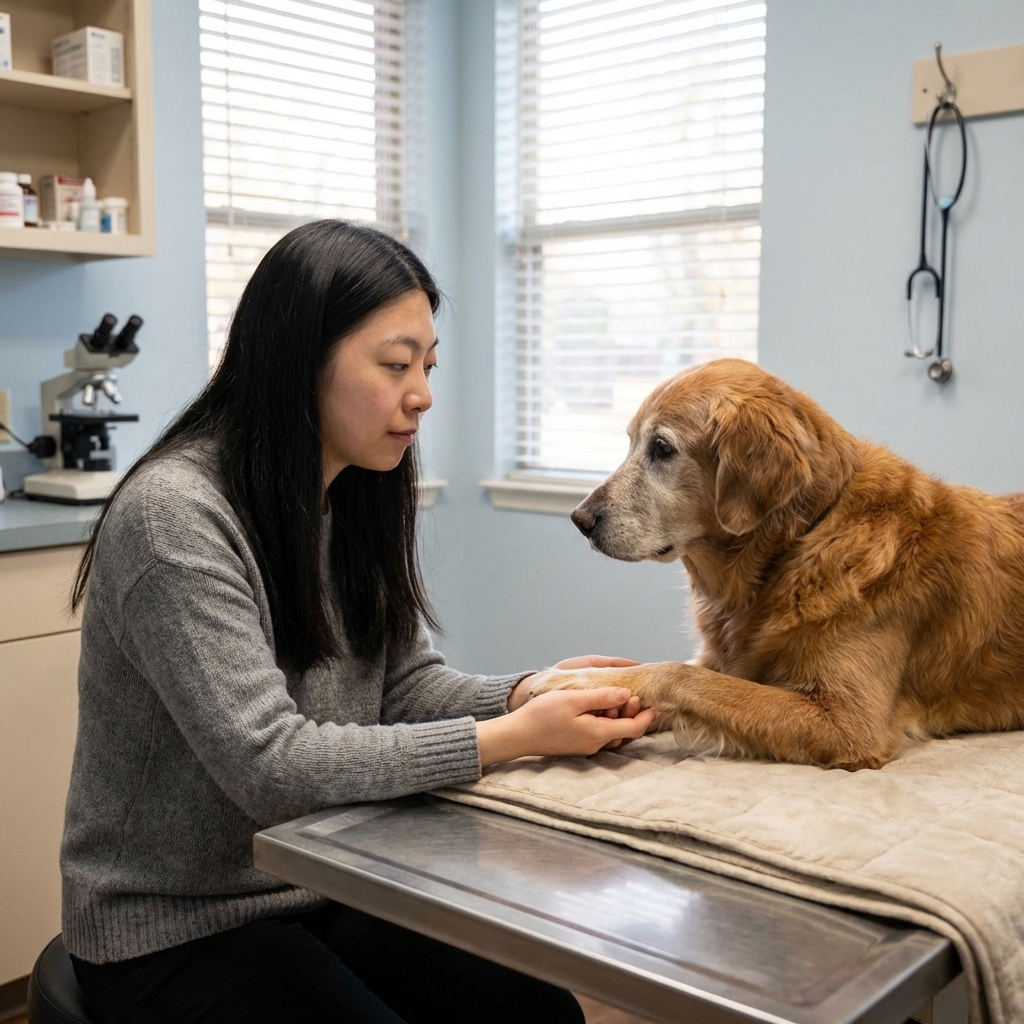
What “the right time” means
There is not one perfect moment that feels easy. Most veterinarians and hospice teams focus on a simple goal: preventing suffering while honoring your dog’s dignity.
In general, it may be time to consider euthanasia when:
- Pain cannot be controlled even with appropriate medications.
- Breathing is difficult or your dog struggles to rest comfortably.
- Mobility is failing and your dog cannot get up, walk, or eliminate (pee/poop) without distress.
- Appetite and hydration are consistently poor, leading to weakness and nausea.
- More bad days than good are showing up, and your dog no longer enjoys favorite things.
If you feel like you are “moving the goalposts” week after week, that is a gentle sign to pause and reassess with your veterinarian.
Quality of life checklist
A quality-of-life scale helps take your love (which is huge) and pair it with an objective view of daily comfort. It is a tool, not a verdict. If the numbers are trending down, it simply means it is time for a deeper conversation.
Try the daily check
Give each category a simple score: 0 (poor), 1 (okay), 2 (good). Track it for a week.
- Hurt: Is pain controlled? Are they tense, panting, shaking, or guarding?
- Hunger: Are they eating enough to maintain strength?
- Hydration: Are they drinking, or are you constantly worried about dehydration?
- Hygiene: Can they stay clean and dry without stress?
- Happiness: Do they still seek affection, tail wags, sunshine, or toys?
- Mobility: Can they get up and reposition comfortably? Are falls happening?
- Breathing: Are they comfortable at rest, or working hard to breathe?
- More good days than bad: When you look back over 7 days, what is the trend?
If the total score is steadily dropping, or “Hurt” and “Breathing” are frequently poor, that is a strong reason to have a serious conversation with your vet.

Signs of suffering
Aging changes are real, but suffering has a different feel. Call your veterinarian promptly if you notice:
- Labored breathing, open-mouth breathing at rest, or bluish gums.
- Repeated vomiting, inability to keep water down, or black, tarry stool.
- Collapse, seizures that are new or increasing, or sudden confusion.
- Crying out, hiding, aggression from pain, or inability to get comfortable.
- Not urinating, straining, or accidents paired with distress. Any concern for a urinary blockage is an emergency.
- Rapid weight loss, muscle wasting, or profound weakness.
Many of these can become emergencies. If your gut says, “Something isn’t right,” trust that instinct and call.
Comforting truths about euthanasia
Families often fear the unknown more than anything. Here are a few reassuring truths that are true in most veterinary settings.
- It is designed to be peaceful. Most dogs become sleepy first, then gently pass without awareness of pain.
- Dogs likely do not conceptualize death like humans do. They respond to comfort, presence, and relief from distress in the moment.
- You can personalize the goodbye. Favorite blanket, favorite treat (if safe), calm music, and familiar voices can help.
- In-home euthanasia is an option in many areas. For anxious dogs or families with children, home can feel softer and more private.
- It is normal to question yourself. Loving guardians commonly ask “Too soon?” The deeper question is often, “Did we prevent suffering?”
What happens during euthanasia
Every clinic has its own flow, but most gentle euthanasias follow a similar pattern. You can always ask your veterinarian to talk you through it in advance.
- Comfort first: Many dogs receive a calming injection or sedation so they feel sleepy and relaxed.
- Medication: The veterinarian gives an overdose of an anesthetic medication, often through an IV catheter or a small needle in a vein.
- Passing: Your dog becomes unconscious, breathing slows, and the heart stops. This is typically quick once the final medication is given.
- Normal body responses: You may see a final breath, small muscle twitches, or release of bladder or bowels. These can look scary, but they are not signs of pain or awareness.
- Time for goodbyes: Most clinics will give you private time before and after.
How to talk to kids
Kids do best with honesty, simple words, and choices that help them feel included, not overwhelmed.
Use clear, gentle language
- Say: “Our dog’s body is not working anymore, and the vet will help them die peacefully so they do not hurt.”
- Avoid: “Put to sleep” for very young children who may connect it to bedtime and become fearful.
Give them a role
- Draw a picture or write a note to place with a blanket.
- Pick a favorite photo for a memory frame.
- Choose a special goodbye treat, if your vet says it is safe.
Let feelings be messy
Some kids cry, some act silly, some seem fine for days and then fall apart later. All of that is normal grief.
Tip: If your child asks, “Will you die?” keep it simple: “Most people live for a long time. Right now we are safe, and we will take care of each other.”
Planning the day
A little planning can turn a scary day into a tender one.
Before the appointment
- Ask about the process (sedation first, timing, what to expect). Knowing the steps lowers anxiety.
- Choose the setting: in-clinic, in your car, or at home if a service is available.
- Think about other pets: some families allow a calm dog to sniff afterward, which may help some pets settle and reduce searching behaviors. Other pets do better not being present. Your vet can help you decide.
- Decide on aftercare: private cremation, communal cremation, or burial where legal and safe.
- Ask about cost: fees vary by region and setting (clinic vs. home), and it is okay to request an estimate ahead of time.
What to bring
- A familiar blanket or bed that smells like home.
- Soft treats (or a “yes day” food moment), if your vet approves.
- Tissues, water, and a phone charger if you expect delays.
Afterward
- Give yourself permission to go home and do nothing.
- Keep routines gentle for kids and other pets.
- Hydrate and eat something small, even if you do not feel like it.

When to go to an ER
If any of the following are happening, do not wait for a regular appointment. Seek urgent veterinary care:
- Blue or gray gums, severe breathing distress, or collapse
- Suspected bloat (hard swollen belly, unproductive retching, sudden restlessness)
- Uncontrolled bleeding
- Repeated seizures or a seizure that will not stop
- Inability to urinate or severe straining to urinate
- Severe pain that is not responding to prescribed medication
When waiting can be harder
Many families hope their dog will “pass naturally.” Sometimes that happens. Often, it does not. Natural death can involve hours to days of distress, especially with certain cancers, heart failure, or advanced kidney disease. Talk to your vet about what to expect for your dog’s specific condition.
One of the kindest gifts you can give is a planned, calm goodbye before an emergency forces a rushed decision in the middle of the night.
Questions for your vet
- What is causing the biggest discomfort right now?
- What can we realistically improve with treatment, and for how long?
- How will we know the treatment is not working anymore?
- What does a crisis look like for this condition?
- Can you prescribe comfort medications for “just in case” nights or weekends?
- Can we schedule a quality-of-life recheck?
A simple goodbye ritual
Rituals help kids and adults process grief. Keep it simple and genuine.
- Memory jar: each person writes one favorite story about the dog.
- Paw print: ink or clay (many clinics offer this).
- Favorite walk: a short “sniff walk” if your dog is comfortable.
- Photo moment: one real photo together in natural light, no pressure to smile.
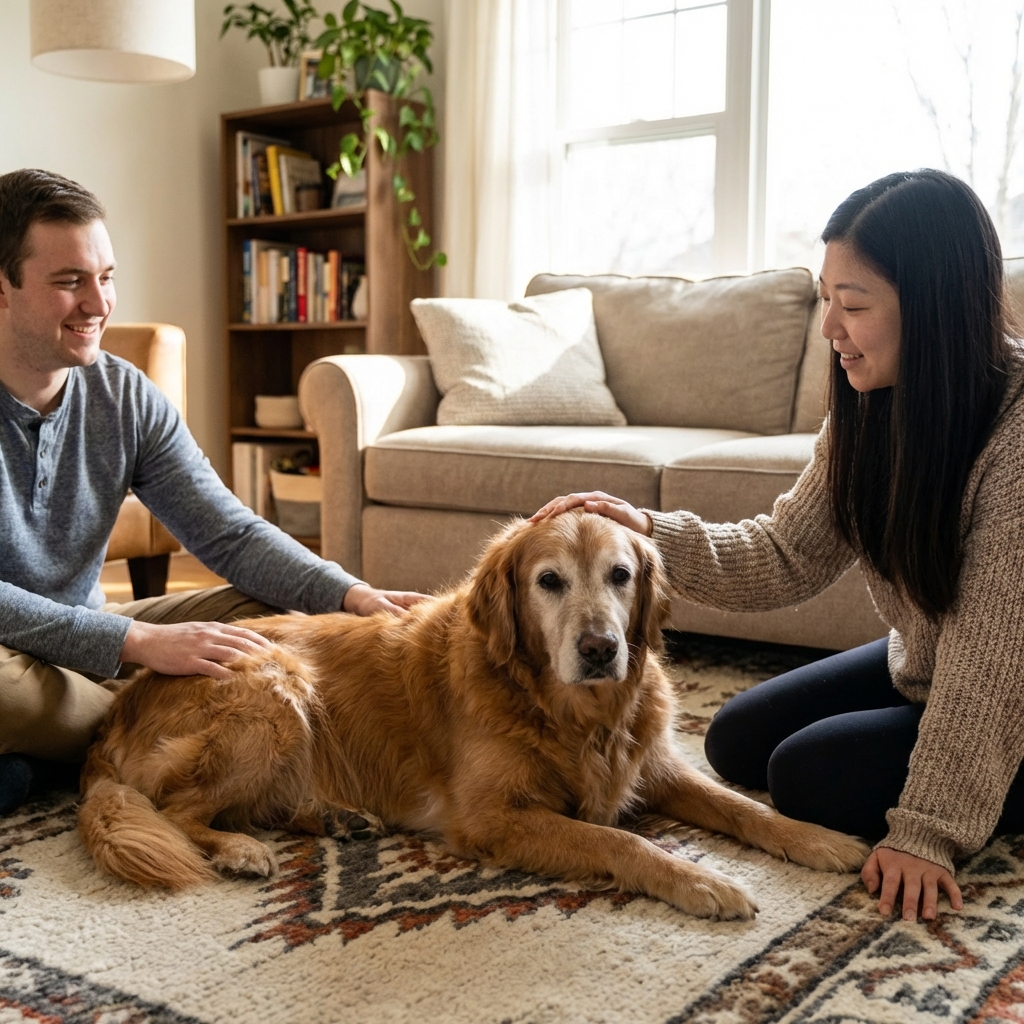
Your dog does not need a perfect day. They need a safe, loving presence. That is what they have had all along.
Pet loss support
Grief after losing a pet is real grief. If you or your child are struggling, support can help.
- Ask your veterinarian or local humane society about pet loss support groups.
- If your sadness feels stuck, is interfering with daily life, or you are not sleeping for days, consider reaching out to a counselor. Many therapists are familiar with pet loss.
Quick reminders
- You are not giving up. You are preventing suffering.
- A peaceful goodbye is a medical kindness, not a betrayal.
- It is okay to choose “a little early” over “too late.”
- If you are unsure, ask about a quality-of-life consult or veterinary hospice support.
If you are facing this decision right now, I am truly sorry. You are doing the brave thing by seeking information and planning with love.