A compassionate, step-by-step look at cat euthanasia: how sedation works, the final medication, what you might see, in-home vs. in-clinic options, aftercare,...
Article
•
Designer Mixes
When to Euthanize a Cat With Kidney Disease

Shari Shidate
Designer Mixes contributor
As a veterinary assistant, I have seen how deeply cats with chronic kidney disease (CKD) are loved. I have also seen how confusing this stage can feel, because CKD often moves in waves. A cat can have a “good week,” then suddenly crash, then bounce back again.
This page is here to help you make a compassionate, evidence-based decision about when kidney disease has progressed too far. You will learn the most common end-stage signs, a simple quality of life scoring method tailored to renal cats, hospice options, and what euthanasia usually looks like in a veterinary setting.
If you are seeing sudden collapse, repeated seizures, trouble breathing, uncontrolled bleeding, or your cat cannot get comfortable, call an emergency vet right away. Those can be signs of a crisis that needs immediate care, even if you are considering euthanasia.
Note: uncontrolled bleeding is not a classic CKD sign by itself, but it can happen with severe illness, toxin exposure, certain medications, clotting problems, or other conditions alongside kidney disease. Either way, it is an emergency.

Understanding late-stage CKD
CKD is common in older cats. Age is a major risk factor, and several different diseases and slow, long-term changes in the body can contribute to kidneys losing function over time.
In earlier stages, many cats do well with diet changes, fluids, anti-nausea medications, phosphorus binders, blood pressure support, and careful monitoring.
In late-stage disease, the kidneys may no longer be able to:
- Remove toxins from the bloodstream (uremia)
- Maintain hydration and electrolyte balance
- Help regulate blood pressure (which may become difficult to control)
- Maintain appetite and reduce nausea, ulcers, and digestive upset
When those systems fail, your goal shifts from “treating the numbers” to protecting comfort, dignity, and peace.
End-stage symptoms
Not every cat will show every sign. What matters most is the pattern: symptoms that are frequent, severe, hard to control, and no longer responding to treatments that used to help.
Not eating enough
It is normal for CKD cats to have picky days. It is not normal for your cat to consistently refuse food, lose weight rapidly, or only eat tiny bites despite appetite support and nausea control.
- Repeated vomiting or gagging
- Drooling, lip smacking, or teeth grinding (often nausea or mouth ulcers)
- Turning away from favorite foods
- Noticeable muscle wasting along the spine or hips
Dehydration that keeps returning
Many kidney cats drink a lot, but still stay dehydrated because the kidneys cannot concentrate urine. Warning signs include:
- Tacky or dry gums
- Sunken eyes
- Weakness, wobbliness, or sudden exhaustion or collapse after minimal activity
- Needing more and more frequent subcutaneous fluids to feel okay
Lethargy and withdrawal
Cats are private animals. When they feel truly unwell, many begin to disappear emotionally before they disappear physically.
- Hiding most of the day
- Not greeting you, not seeking touch, or seeming “far away”
- Sleeping constantly and not engaging with normal routines
Neurologic symptoms
Toxin buildup, dangerously high blood pressure, electrolyte problems, or anemia can contribute to neurologic episodes. Call a veterinarian urgently if you see:
- Seizures or tremors
- Sudden disorientation, pacing, or staring
- Head pressing against walls or furniture
- Sudden blindness (often linked with hypertension)
Breathing changes
Some cats develop complications that make breathing uncomfortable. Fast breathing, open-mouth breathing, blue or pale gums, or obvious effort is an emergency.
Pain, mouth ulcers, or inability to rest
Kidney cats may develop painful oral ulcers from uremia. Pain can also come from arthritis that becomes harder to manage when a cat is weak, dehydrated, or nauseated.
Incontinence and distressing hygiene issues
Accidents happen. The bigger concern is when your cat cannot stay clean, is lying in urine, or is too weak to reach the litter box, and this is happening frequently.

Quality of life score
Quality of life scoring is not about “giving up.” It is a way to make sure love does not accidentally turn into prolonged suffering. Below is a simple scoring tool adapted for kidney disease. Score each category from 0 to 10, where 10 is excellent and 0 is unacceptable.
If you can, score once daily for 3 to 7 days and look for trends. A single hard day can be misleading, especially with CKD’s ups and downs.
Kidney Cat Quality of Life Score (0 to 10 each)
- Eating: Is your cat taking in enough calories without force-feeding or constant battling?
- Hydration: Can your cat stay hydrated with reasonable support, or are they constantly dehydrated?
- Nausea and vomiting: Are nausea and vomiting controlled most days?
- Energy: Is your cat able to move around, change positions, and participate in small daily activities?
- Comfort: Is your cat resting comfortably, free of obvious pain, mouth ulcers, or constant agitation?
- Hygiene and litter box: Can your cat use the litter box and stay clean with minimal stress?
- Breathing: Is breathing calm and easy at rest?
- Connection: Does your cat still seek closeness, respond to your voice, or enjoy gentle affection?
How to interpret the total
Add your scores (maximum 80). This is not a diagnosis, just a decision aid.
- 60 to 80: Often acceptable quality of life, keep monitoring and adjust care.
- 40 to 59: Gray zone. Talk with your vet about what is reversible and what is not. Consider hospice planning now.
- Below 40: Suffering may be outweighing good time. It is reasonable and loving to discuss euthanasia soon.
Also track the ratio of good days to bad days. When bad days become the majority, or when a “bad day” is truly miserable, many families choose a peaceful goodbye rather than waiting for a crisis.
Vet numbers that help
Lab results and blood pressure readings can help your veterinarian estimate prognosis and guide supportive care. They also help explain why your cat feels the way they feel. At the same time, numbers do not automatically equal suffering. Two cats with similar labs can look very different at home.
Ask your vet about trends and what they mean for comfort, especially:
- IRIS stage and trend: based on creatinine, SDMA, and urine concentration
- Phosphorus: high phosphorus can worsen nausea and overall well-being
- Potassium: low potassium can cause weakness and a “collapsed” posture; high potassium can be dangerous
- Blood pressure: uncontrolled hypertension can damage organs, especially the eyes and brain
- Anemia (PCV or hematocrit): anemia can cause profound fatigue and faster breathing
- Protein in urine: may affect progression and treatment choices
What might be reversible
One reason CKD is so emotionally confusing is that some “end-stage looking” crashes can be caused by problems that are treatable, at least temporarily. It is always fair to ask your vet, “Are we seeing a reversible problem, or is this the kidney disease reaching its end?”
Things that can sometimes be improved with treatment include:
- Dehydration: from not drinking, vomiting, or too little fluid support
- Constipation: common in dehydrated cats and can tank appetite
- Urinary tract infection: can cause nausea, lethargy, and appetite loss
- Uncontrolled nausea or stomach acid: sometimes improves with medication changes
- Uncontrolled hypertension: may improve with proper dosing and monitoring
- Pain: especially arthritis, dental pain, or mouth ulcers that can be treated for comfort
If a reversible issue is found and treated, it may give you more good time. If crashes keep happening closer together, or treatment stops helping, that information is important too.
Hospice care options
Hospice does not mean “doing nothing.” It means focusing care on comfort, symptoms, and dignity, while you prepare emotionally and practically for the end.
Common hospice supports
- Anti-nausea medication: to reduce nausea and improve appetite
- Appetite stimulants: used carefully and reassessed often
- Subcutaneous fluids: to support hydration and comfort for some cats
- Pain control: tailored to kidney function
- Phosphorus binders and renal diet strategies: if still eating enough to benefit
- Blood pressure management: to reduce risk of blindness and other organ damage
- Anemia support: when indicated
Comfort-focused home care
- Offer warmed, smelly foods and multiple small meals
- Keep water in several easy-to-reach places, including wide bowls
- Add extra litter boxes with low sides
- Use soft bedding and keep everything on one level to reduce jumping
- Keep your cat warm, especially if they are thin or lethargic
- Limit stressful handling, including repeated force-feeding if it causes fear
If you are unsure whether your cat is nauseated, ask your vet. Many CKD cats look “quiet” or withdrawn rather than overtly sick, and nausea is commonly under-recognized.
When euthanasia is kindest
Many families ask, “How do I know it is time?” In kidney disease, the kindest choice is often when comfort can no longer be maintained, even with reasonable medical support.
You may be near that point when one or more of these is true:
- Your cat is not eating enough to sustain life for several days, and interventions are not restoring appetite
- Dehydration and weakness keep returning quickly, even with fluids
- Nausea and vomiting are frequent and difficult to control
- Your cat is hiding, distressed, or no longer engaging with you
- There are seizures, severe confusion, or repeated crisis episodes
- Your cat cannot rest comfortably or seems to suffer more than they relax
- Bad days outnumber good days, and the good days are shrinking
A gentle guideline many veterinarians share: it is better to say goodbye a week too early than a day too late. A peaceful passing is a gift when the alternative is a traumatic emergency.
What to expect with euthanasia
Knowing the steps can reduce fear. Most euthanasia appointments are calm, quiet, and focused on your cat’s comfort.
Before the final medication
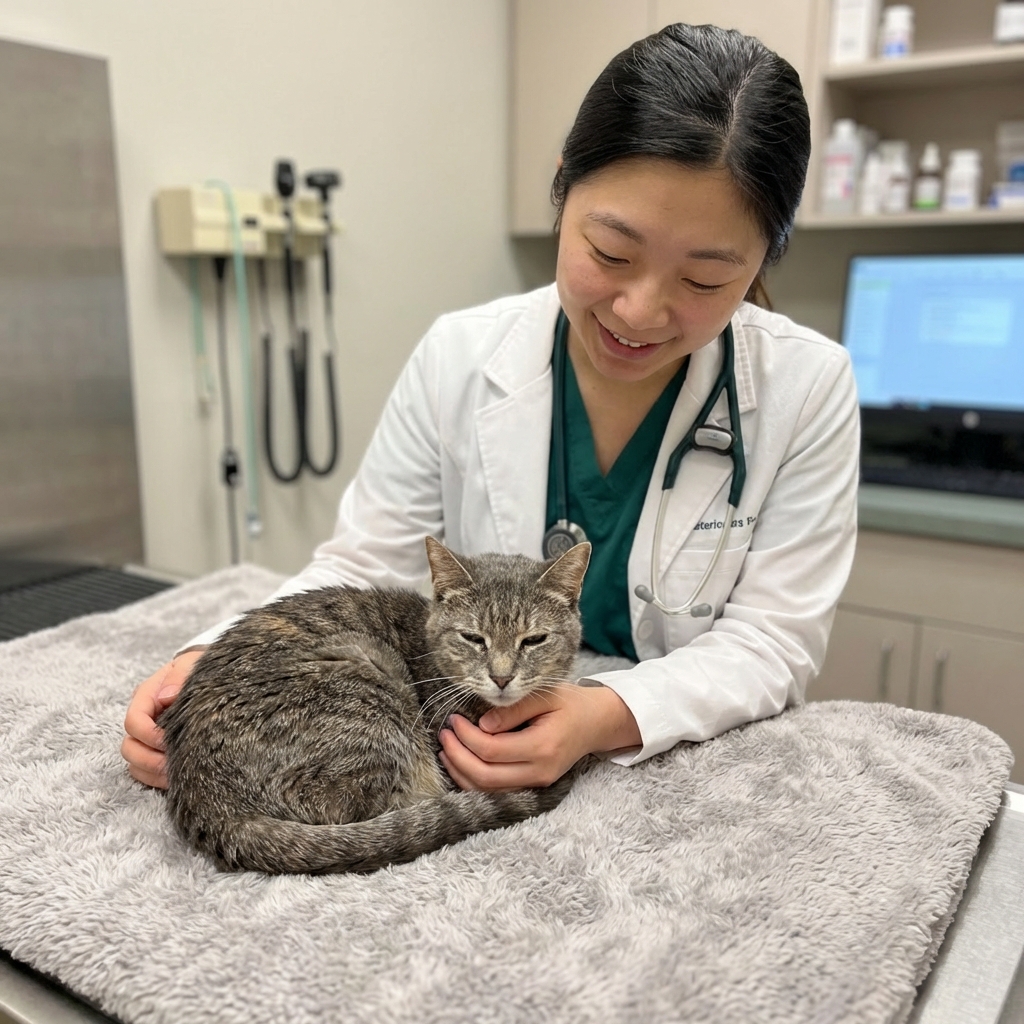
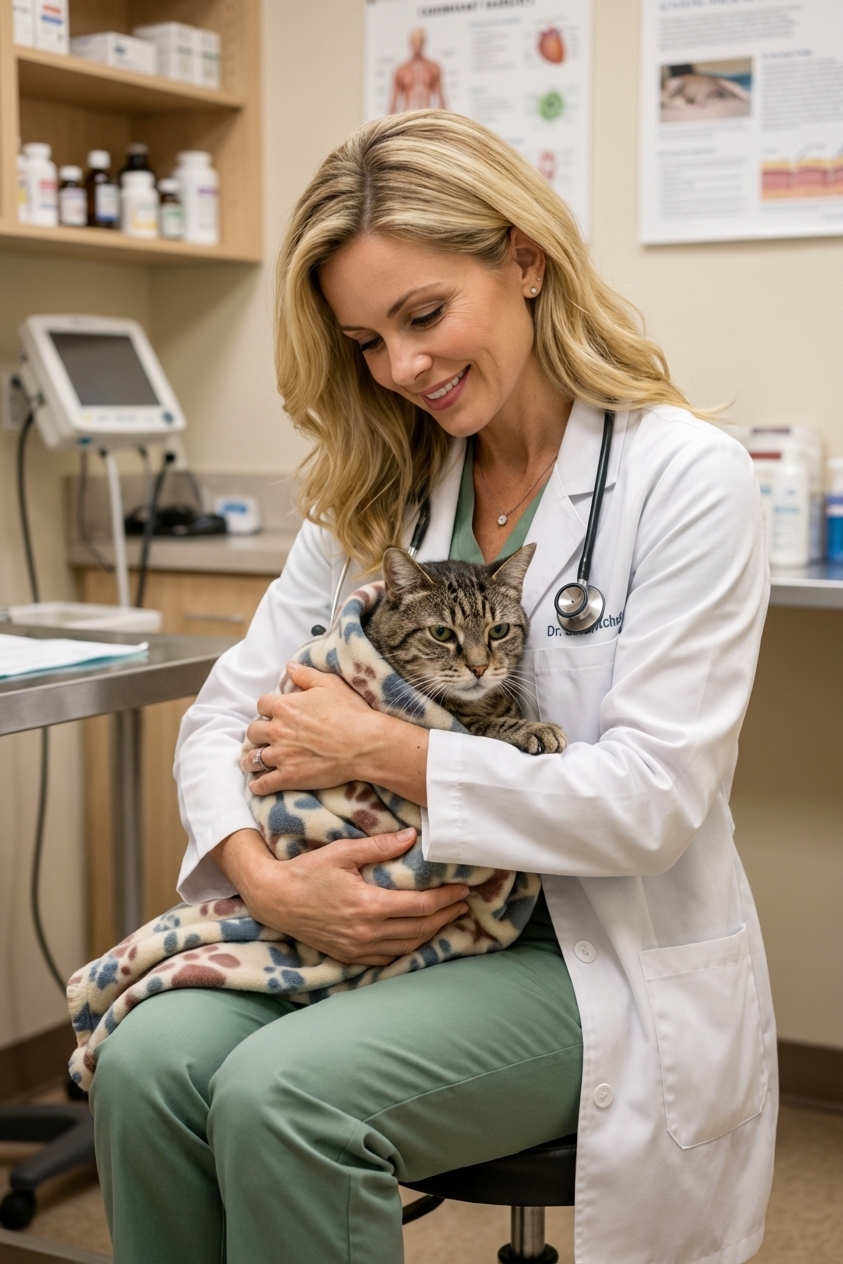
In many clinics, your veterinarian will offer a sedative first. This helps your cat feel sleepy and relaxed, especially if they are anxious, painful, or dehydrated. You can usually stay with your cat, pet them, and talk to them softly.
The euthanasia injection
Once your cat is fully relaxed, the veterinarian gives an overdose of an anesthetic medication, usually into a vein. It is designed to be fast and peaceful. Many cats become unconscious within seconds to a minute with an IV injection, and the heart stops soon after. In very ill, dehydrated, or poor-circulation patients, it can take longer, and your veterinarian will adjust the plan to keep it gentle.
Normal signs that are not painful
- A final deep breath or a few reflexive breaths after passing
- Small muscle twitches
- Eyes remaining open
- Release of urine or stool
The veterinary team will listen to confirm your cat has passed, then give you time with them.
At-home euthanasia
At-home euthanasia can be a wonderful option for cats who fear the clinic or struggle to travel. If it is available in your area, ask about scheduling before you are in a crisis, because same-day availability can be limited.
Planning the day-of
If you plan ahead, you can remove a lot of stress from a very tender day.
- Bring comfort: a favorite blanket, bed, or towel that smells like home
- Ask about food: some families bring a favorite treat for the waiting room, if your vet says it is safe
- Choose aftercare in advance: private cremation, communal cremation, or home burial where legal
- Handle logistics early: ask about paperwork, payment, and timing so you are not thinking about it at the hardest moment
- If you have children: ask your vet for age-appropriate wording, and consider letting kids say goodbye in a way that feels safe for them
- If you have other pets: some families let a bonded pet sniff the blanket or say goodbye afterward, which can reduce searching behaviors
Questions to ask
These questions can make the decision clearer and help you feel supported:
- Is my cat’s condition likely to improve with additional treatment, or are we managing comfort only?
- What symptoms are most concerning right now, and which ones are treatable?
- What would a “good day” realistically look like from here?
- If we continue hospice, what emergency signs mean I should go to the ER immediately? (You can also refer back to the emergency signs listed at the top of this page.)
- What is the most peaceful plan if my cat has a sudden crisis at night or on a weekend?
- What are my options for aftercare: private cremation, communal cremation, or home burial where legal?
And a very personal one: What would your cat choose if they could understand what is happening? If cats could choose, many of us believe they would choose safety, warmth, and relief.
Grief and guilt
If you are here, you are already doing the hardest part: paying attention. Many people feel guilt because they worry they “played God.” In reality, euthanasia is a medical option that prevents suffering when the body can no longer recover.
Your cat does not measure life by length. Cats measure life by comfort, security, and being with their person. A peaceful goodbye, held in love, is one of the most humane gifts we can give.
If you want, write down three things your cat loved most, and try to honor them in the days you have left together. Favorite blanket. A sunny window. A quiet cuddle. Those moments matter.