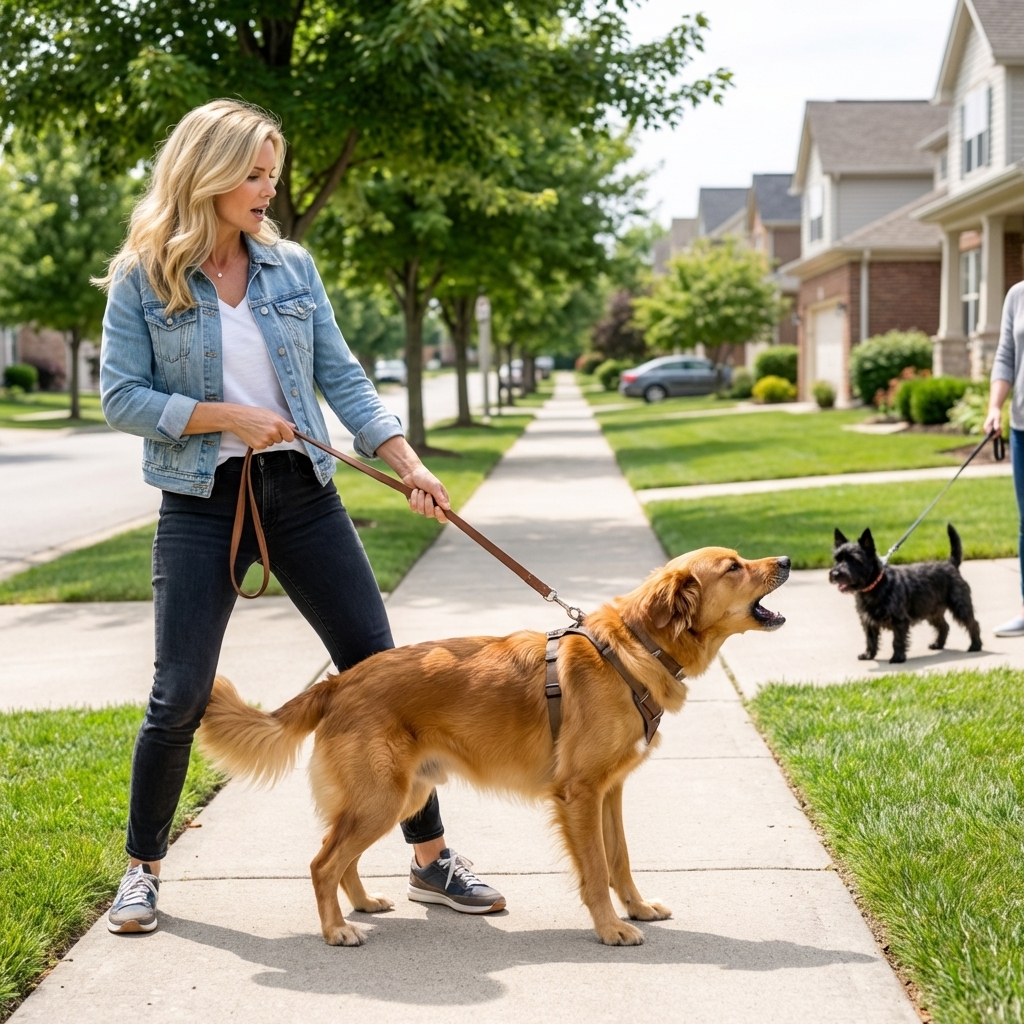
Facing behavior euthanasia is heartbreaking. Learn how to assess bite risk, rule out pain or neurologic causes, track incidents, explore treatment or rehomin...
Article
•
Designer Mixes
When Should You Put a Dog to Sleep for Behavior?

Shari Shidate
Designer Mixes contributor
As a veterinary assistant, I have sat with families making one of the hardest decisions they will ever face: when a beloved dog’s behavior has become so unsafe or so distressed that euthanasia is being discussed. If you are even searching this topic, you are not heartless. You are trying to protect your family, your community, and your dog.
Behavioral euthanasia is never about “a bad dog.” It is about a situation where quality of life and safety cannot realistically be restored, even with appropriate, evidence-based care. This guide will help you think through the decision in a loving, structured way.
Quick note: This article is educational and cannot replace care from your veterinarian or a credentialed behavior professional. If you believe someone may be bitten soon, treat that as an emergency and get local help right away. Laws and resources can also vary by region, so ask your veterinary team what applies where you live.

What behavioral euthanasia means
Behavioral euthanasia (sometimes shortened to BE) is the decision to humanely end a dog’s life due to severe behavior concerns, often involving dangerous aggression, extreme anxiety, or compulsive behaviors that cause ongoing suffering.
It is different from euthanasia for medical disease, but it is still a welfare decision. In many cases, the dog is not “choosing” to behave this way. They may be frightened, overwhelmed, neurologically unwell, or unable to cope in a typical home environment.
Important: Behavior changes can have medical roots. Pain, sensory decline, cognitive dysfunction, endocrine disorders (including thyroid issues), and some neurological conditions can affect behavior. Your veterinarian can recommend an appropriate medical evaluation based on your dog’s history and clinical signs before any final decision.
When it may be time
There is no single test that says, “Now.” But there are clear patterns that raise concern. The biggest themes are risk (to humans and other animals) and suffering (for the dog).
1) Risk of serious injury is high
BE is most often considered when a dog has:
- Bitten with injuries such as punctures, multiple bites, or bites to the face or neck.
- Attempted bites that made contact, or would likely have made contact without someone intervening.
- Unpredictable aggression, meaning triggers are hard to identify or avoid in real life.
- Escalation over time, such as more frequent incidents or shorter warning periods before a bite.
- Targets vulnerable people like children, elderly family members, or visitors who cannot follow safety rules.
2) Management is not sustainable
Many dogs can live safely with strong management, but management has to be realistic for the long term. Red flags include:
- You are relying on multiple barriers daily (muzzle, gates, crates, locked rooms) and still having close calls.
- Someone in the household is not able or not willing to follow the plan consistently.
- Your dog has a history of defeating barriers, breaking out of crates, or door-dashing.
- You feel you are one mistake away from a tragedy.
3) Quality of life is poor
Quality of life matters just as much as safety. Consider:
- Constant fear: hiding, trembling, scanning, reacting to normal household sounds.
- Inability to relax even with enrichment, predictable routines, and appropriate medication support.
- Compulsive behaviors (spinning, self-licking to injury, shadow chasing) that dominate their day.
- Severe separation anxiety that leads to self-injury, nonstop distress vocalizing, or destructive escape attempts.
4) Evidence-based treatment is not working
“Trying” is important, but it needs to be the right kind of trying. This generally means:
- Working with a board-certified veterinary behaviorist (DACVB) or a veterinarian closely collaborating with a qualified behavior professional.
- Using behavior modification that is humane and modern (reward-based, not punishment-based).
- Considering appropriate medication when indicated, because behavior is brain health. Many dogs benefit from daily medications (such as SSRIs) and/or situational anxiolytics, alongside training.
If a well-designed plan has been followed and your dog is still dangerous or deeply distressed, it is reasonable to discuss next steps.

Before you decide
I like to think of this as a compassionate checklist. Not to delay endlessly, but to be confident you did due diligence.
Start with a medical evaluation
- Full physical exam, pain assessment, and discussion of any recent changes.
- Basic bloodwork and urinalysis as recommended by your vet.
- Additional testing or referral when symptoms fit (for example, orthopedic pain evaluation, endocrine testing when indicated, or a neurological consult).
Get a true behavior assessment
- Ask your veterinarian for a referral to a DACVB if possible.
- Use a trainer who is reward-based and transparent about credentials. Look for titles such as IAABC (behavior consultant) or KPA-CTP, and be cautious with anyone who guarantees quick “dominance” fixes.
Ask about realistic alternatives
Sometimes there are paths other than BE. Sometimes there are not. Options that may be discussed include:
- Medication combined with a structured behavior plan.
- Muzzle training (positive, gradual) and safety protocols.
- Rehoming only if the risk profile truly fits another home and full disclosure is provided. In higher-risk cases, reputable rescues and behavior professionals should be involved, and “no rehoming” may be the safest and most ethical answer.
- Sanctuary placement in rare cases, though these spaces are limited and not always appropriate for dogs with a high bite risk.
Track patterns
Write down incidents and context. This helps your veterinarian and behavior professional assess severity and progression:
- Date, time, and what happened right before the reaction.
- Who or what was involved.
- Whether skin was broken and where on the body.
- How long it took your dog to recover.
A risk and welfare framework
When I talk with families, these questions often bring clarity:
- Safety: If nothing changed, could someone be seriously injured in the next 6 months?
- Predictability: Can you reliably identify triggers and avoid them in real life?
- Recovery: Does your dog return to baseline quickly, or stay escalated for a long time?
- Freedom: Does your dog get to be a dog, or do they live behind barriers most of the day?
- Comfort: Does your dog seem comfortable more days than not?
- Support: Do you have the finances, physical ability, and consistent household cooperation to manage this safely long-term?
Love is not only keeping them alive. Love is also preventing suffering, and preventing harm.
When aggression is the concern
Aggression is a broad term. Many dogs growl or snap when scared, and with help they can improve. The cases that move into BE discussions often include one or more of the following:
- Multiple bites or escalating bite severity over time.
- Bites with little warning or with extremely subtle signals that are easy to miss.
- Redirected bites where an owner is bitten while trying to intervene.
- Severe resource guarding that is generalized (not just one item) and occurs in normal daily life.
- Predatory behavior toward small pets or livestock that is difficult to interrupt and manage.
Because bite risk involves both behavior and environment, your vet or behaviorist may discuss bite history using structured approaches. One commonly referenced tool is Dr. Ian Dunbar’s Dog Bite Scale, which can help categorize the severity of bite injuries. It is only one tool, not a moral verdict, and not a replacement for an in-person assessment. What matters most is whether the situation can be made reliably safe.
If a bite has happened
Bites can have legal and public health implications. Your veterinary team can help you understand local requirements, which may include verifying rabies vaccination status, following quarantine rules, and documenting care. If a person is injured, seek medical attention promptly and follow local reporting guidance.
When anxiety or compulsions are the concern
Some dogs are not primarily dangerous, but they are suffering. In those cases, BE may be considered when the dog’s distress is chronic and profound despite appropriate treatment.
Signs of severe distress
- Panic responses to everyday events (normal noises, routine departures, strangers at a distance).
- Self-injury or repeated attempts to escape.
- Inability to sleep or settle, pacing for hours, chronic hypervigilance.
- Compulsions that crowd out eating, play, rest, and connection.
Medication and behavior therapy can be life-changing for many dogs. But if your dog cannot experience comfort even with appropriate help, that is a welfare crisis, not a training problem.

Talking with your veterinarian
You deserve a conversation that is clear, compassionate, and practical. Consider bringing:
- A written timeline of incidents and concerns.
- Any trainer or behaviorist reports.
- Videos (only if safe to obtain, never provoke behavior for footage).
Questions you can ask:
- What medical issues could be contributing, and what tests make sense for my dog right now?
- How would you describe my dog’s bite risk or danger level?
- What treatment options remain, and what is the realistic prognosis?
- What management would be required to keep others safe?
- If we choose BE, what would the process look like, and how can we make it peaceful?
Planning a peaceful goodbye
If you reach the point where BE is the most humane option, planning can reduce fear and regret.
Choose a calm setting
- At-home euthanasia can be a gentle option for many dogs, especially those fearful of clinics.
- If you go to the clinic, ask about entering through a quiet door, waiting in your car, or using a comfort room.
Ask about pre-visit medication
For anxious or reactive dogs, your veterinarian may prescribe medication to reduce panic and help everyone stay safe.
Plan for safety
If your dog has a bite history, it is okay to use a muzzle right up to the point your veterinary team says it can be removed. A gentle goodbye can still be a safe goodbye.
Decide on aftercare
- Private or communal cremation
- Home burial where legal and safe
- Paw prints or fur clippings if desired

Grief and guilt after BE
Behavior-related loss often carries extra layers: guilt, anger, shame, and the feeling that others will not understand. Please hear this clearly: seeking safety and relief from suffering is an act of love.
Helpful next steps:
- Ask your clinic about pet loss support groups or grief counselors.
- Lean on a trusted friend who can hold your story without judgment.
- Write down the reasons you made the decision. On hard days, those notes can anchor you in reality.
If you have children, use simple honest language: “Our dog’s brain was having a hard time feeling safe. We tried to help, but they were still suffering and could hurt someone. The vet helped them die peacefully.”
When you need urgent help
If your dog has just bitten someone, or you believe a bite is imminent, prioritize immediate safety.
- Separate the dog behind a secure door or crate if you can do so safely.
- Avoid confrontational responses. Punishment can increase fear and may worsen aggression or anxiety.
- Contact your veterinarian or a local emergency veterinary hospital for guidance.
- If a person is injured, seek medical care right away.
You are not alone, and you do not have to make this decision in isolation. With the right medical evaluation and behavior expertise, you can reach a conclusion that is both responsible and deeply compassionate.
Resources and references
- Find a veterinary behaviorist (DACVB): American College of Veterinary Behaviorists (ACVB) directory
- Find a qualified behavior consultant: IAABC consultant directory
- Position statement on humane training: American Veterinary Society of Animal Behavior (AVSAB) resources
- Bite severity tool: Dr. Ian Dunbar’s Dog Bite Scale (as a general reference tool)
- Pet loss support: Ask your veterinary clinic for local groups, or search for pet loss hotlines and counseling in your area