If you have a kitten who suddenly seems extra mouthy, you are not imagining it. As a vet assistant here in Frisco, Texas, I hear the same question every week: When do kittens lose their baby teeth? The good news is that kitten teething is usually quick, normal, and manageable once you know the timeline and what is worth calling your veterinarian about.
The kitten teething timeline
Kittens have 26 baby teeth (also called deciduous teeth). Those baby teeth get replaced by 30 adult teeth.
Here is a typical veterinary timeline. Individual kittens can be a little early or late.
- 2 to 4 weeks: Baby teeth start erupting.
- 6 to 8 weeks: Most or all baby teeth are in.
- 3 to 4 months: Baby teeth start loosening and falling out as adult teeth push in.
- 4 to 6 months: Most adult teeth are erupting and the “worst” of teething is often in this stretch.
- By about 6 months (sometimes up to 7): Most kittens are finished and have a full adult set.
If your kitten is under 3 months old, they are more likely dealing with normal baby teeth coming in rather than baby teeth falling out. If your kitten is in that 3 to 7 month window, expect some wiggly teeth and gum tenderness.
What fallen kitten teeth look like
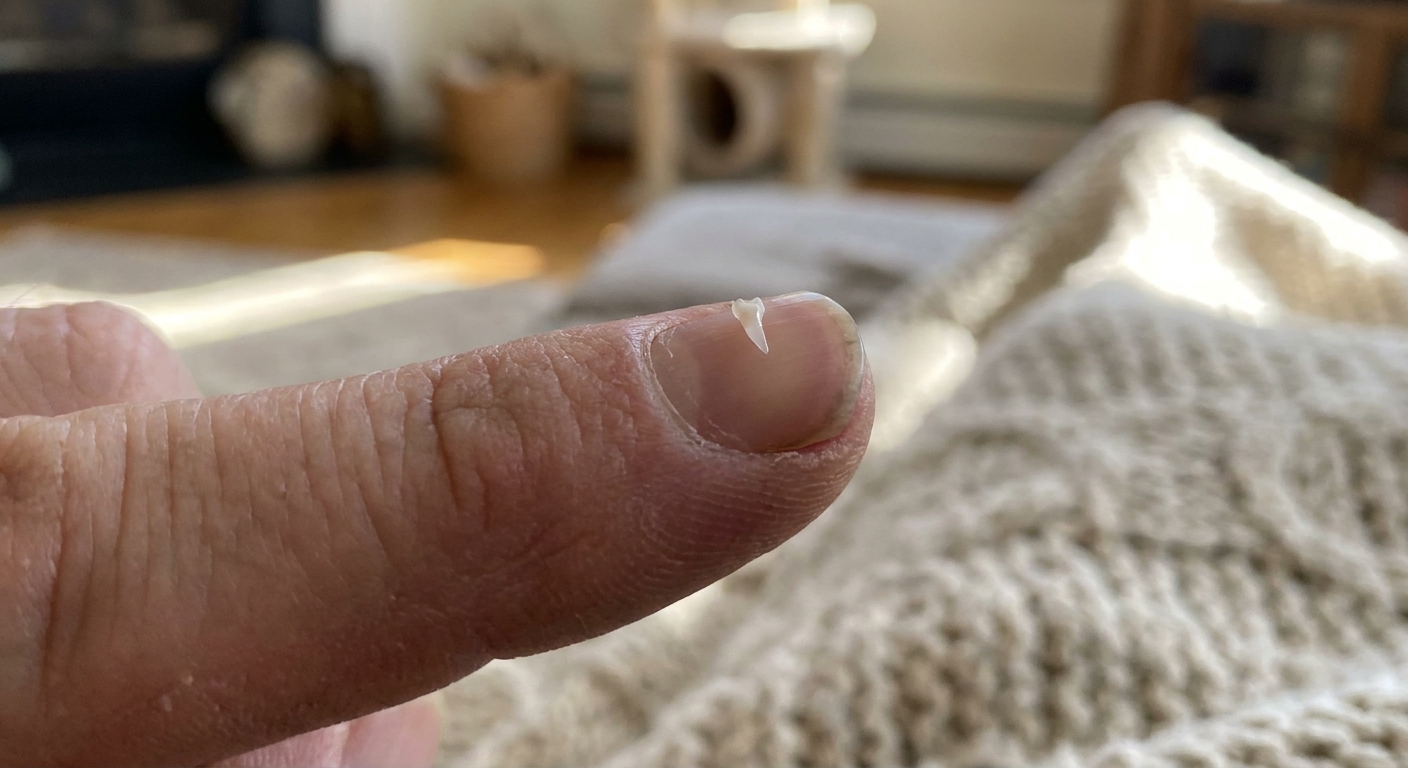
Most people never find the teeth at all, and that is normal. Kittens may swallow baby teeth while eating or playing, and many owners simply never notice them.
If you do find one, here is what it usually looks like:
- Tiny and sharp: Often rice-sized, especially the little incisors in the front.
- White to slightly translucent: Like a miniature cat tooth with a pointed crown.
- Minimal or no root: Many baby teeth have roots that get reabsorbed as the adult tooth erupts, so the tooth may look like a small cap.
You might also see a little smear of blood on a toy or in the water bowl, or notice mild gum redness. That can be normal during tooth turnover, as long as your kitten is still eating and acting like themselves.
Why teething can change bite pressure
Teething gums can be sore. When adult teeth are moving in, pressure in the jaw and inflammation in the gums can make a kitten feel uncomfortable, and discomfort changes behavior.
What you may notice
- Sudden harder bites: Some kittens clamp down more because their gums hurt and they are seeking pressure relief.
- More chew hunting: They may mouth hands, cords, or furniture legs because it feels good.
- Shorter patience: A kitten that tolerated handling yesterday may get fussy faster today if their mouth is tender.
It helps to remember this is not your kitten being “mean.” It is often a normal phase where their comfort level is shifting day to day.
Normal vs. not normal
A little mouth tenderness is expected, but we do not want to miss pain, infection, or a dental problem that needs treatment.
Usually normal during teething
- Mild gum redness around a tooth that is loosening
- Dropping a little kibble or eating a bit slower for a day or two
- Chewing more than usual
- Occasional tiny spots of blood on a toy
Call your veterinarian if you see
- Not eating for 12 to 24 hours (sooner for very young or small kittens)
- Marked swelling of the face or gums
- Bad breath that is strong or suddenly worse
- Thick drool, pawing at the mouth, or obvious pain
- Bleeding that does not stop or looks heavy
- A cracked tooth or a tooth that looks discolored (gray, purple, or brown)
Retained baby teeth
A retained baby tooth is a baby tooth that does not fall out on time and stays in place when the adult tooth is erupting. That can create crowding and can trap debris, increasing the risk of dental disease.
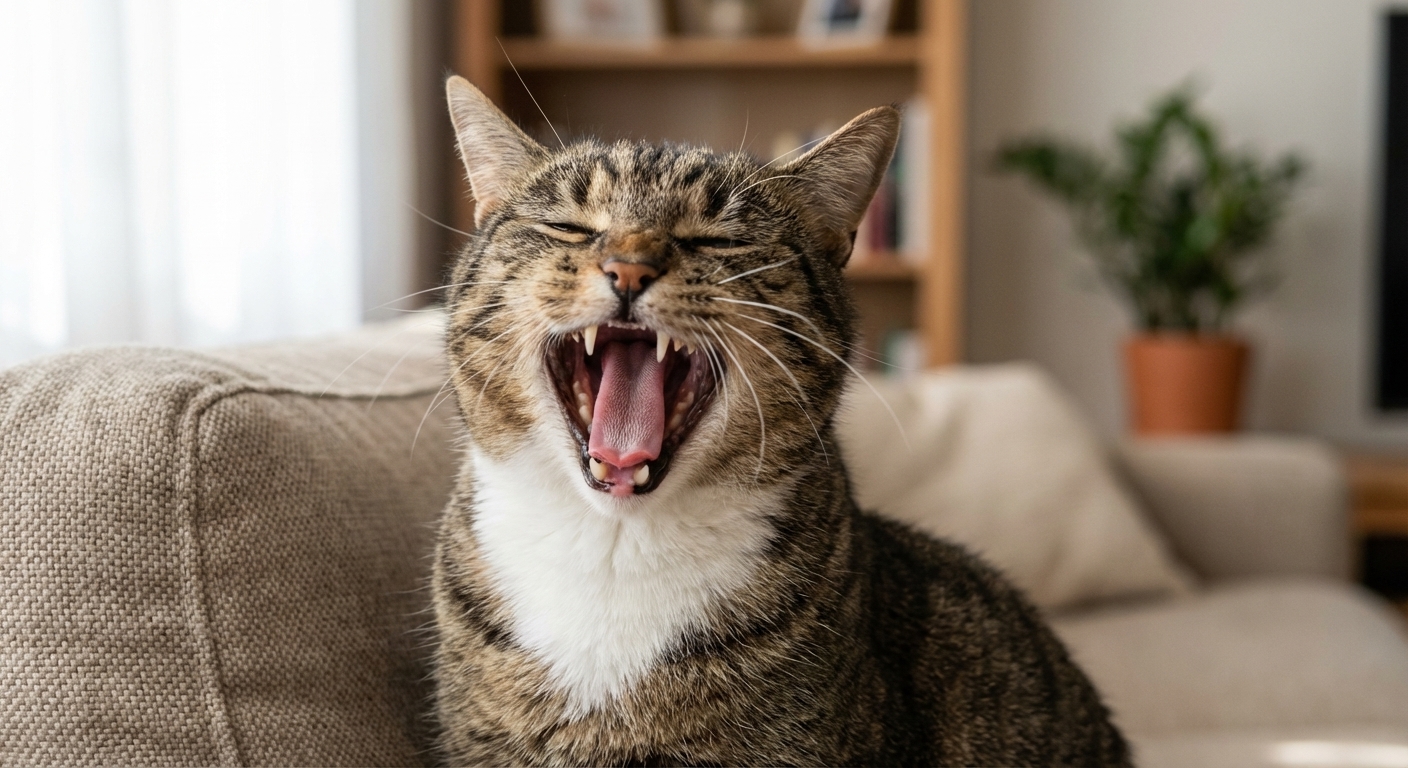
In kittens, retained teeth are most commonly noticed as two teeth where there should be one, especially around the canines (the long, pointy “fang” teeth). Often you will see the adult tooth coming in beside the baby tooth, instead of replacing it cleanly.
Retained kitten teeth that need a look
- Any baby tooth still present after 6 months of age
- Double canines, especially if the adult canine is coming in next to the baby canine
- A baby tooth that is not loose but the adult tooth is visibly erupted
- Any retained tooth causing inflammation, bleeding, bad breath, or obvious crowding
Many veterinarians prefer to address retained teeth early, often when a kitten is already scheduled for a spay or neuter, because lingering baby teeth can permanently affect how adult teeth line up.
Help a teething kitten at home
You cannot speed up the biology of tooth replacement, but you can make the process easier and safer for your kitten.
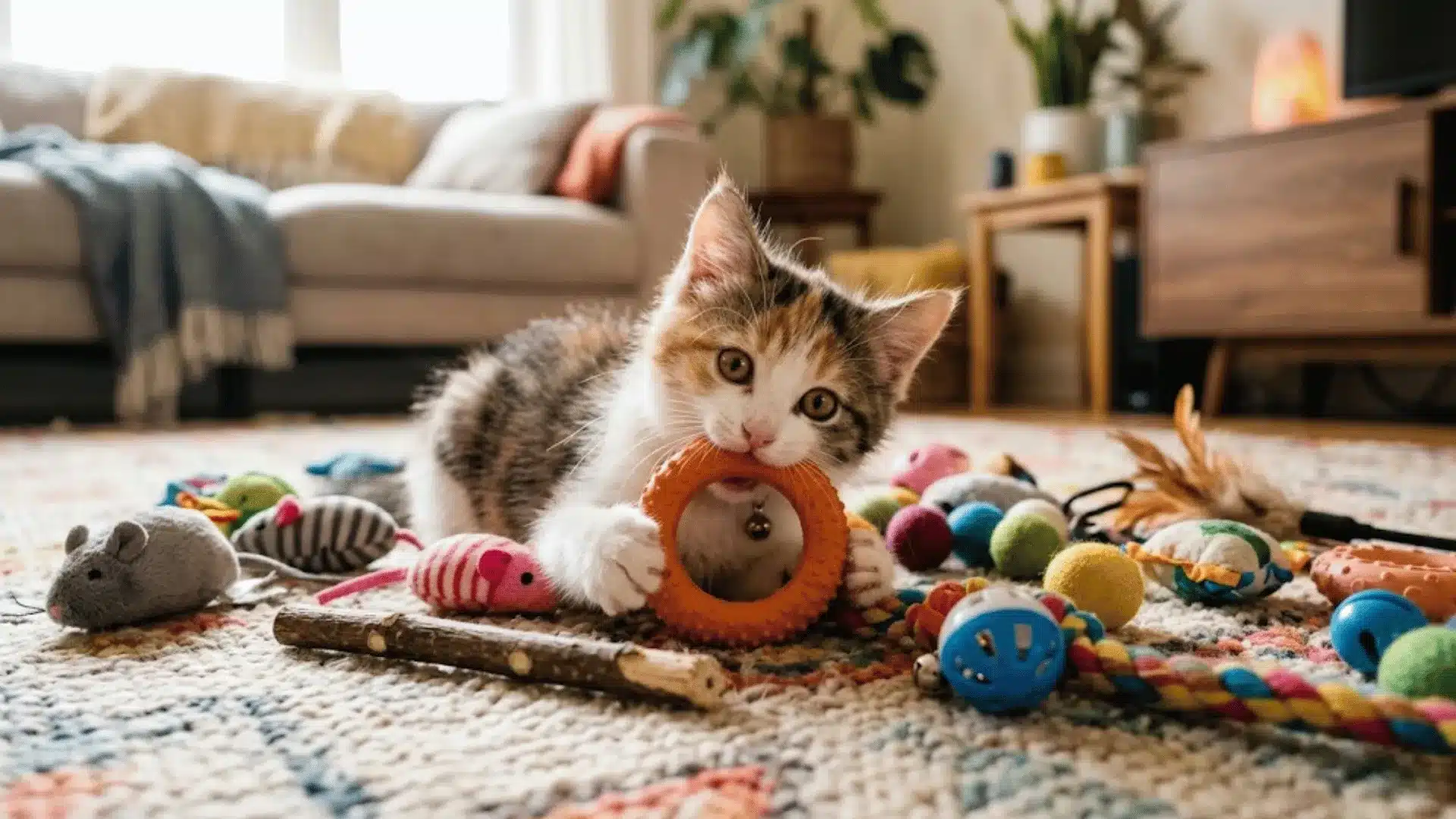
- Offer appropriate chew options: Soft cat chew toys, rubbery toys made for kittens, or a plush toy they can mouth.
- Try cold for comfort: A toy that has been chilled in the refrigerator (not frozen solid) can feel soothing to sore gums. Always supervise.
- Protect your hands: Use toys for play instead of fingers so your kitten learns what is okay to bite.
- Keep cords out of reach: Teething kittens seek pressure and texture, and cords are a common hazard.
- Feed in the easiest format: If kibble seems uncomfortable for a couple of days, talk to your vet about mixing in wet food.
What to avoid
- Very hard chews: Bones, antlers, or extra-hard toys can fracture kitten teeth.
- Stringy items: Yarn, ribbon, and similar materials can be swallowed and cause a dangerous intestinal blockage.
- Human teething gels or pain medications: Many are unsafe for cats. If your kitten seems painful, your veterinarian can guide you to cat-safe options.
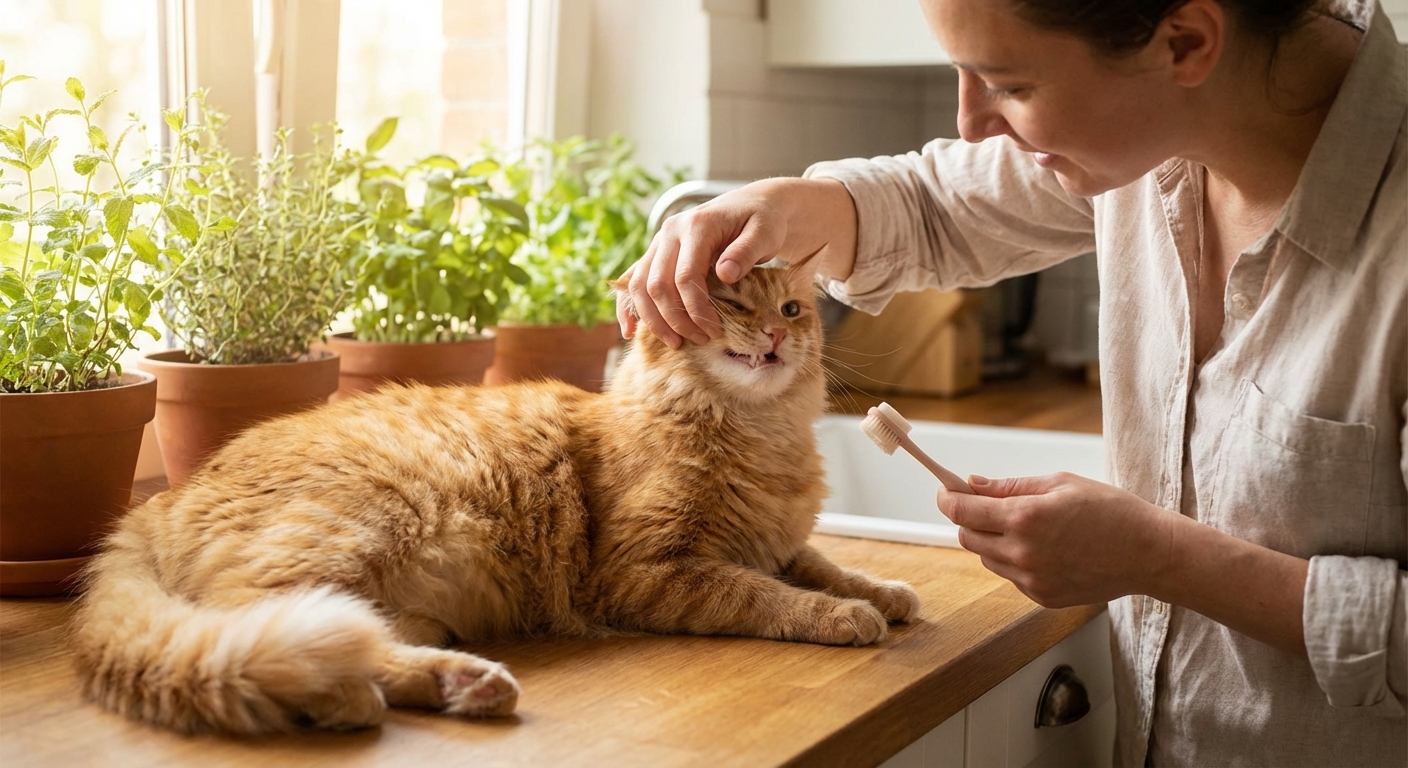
If you already brush your kitten’s teeth, this is a time to be extra gentle. If you do not brush yet, teething is not always the best time to start a brand-new brushing routine. Focus on comfort first, then build the habit once the gums calm down.
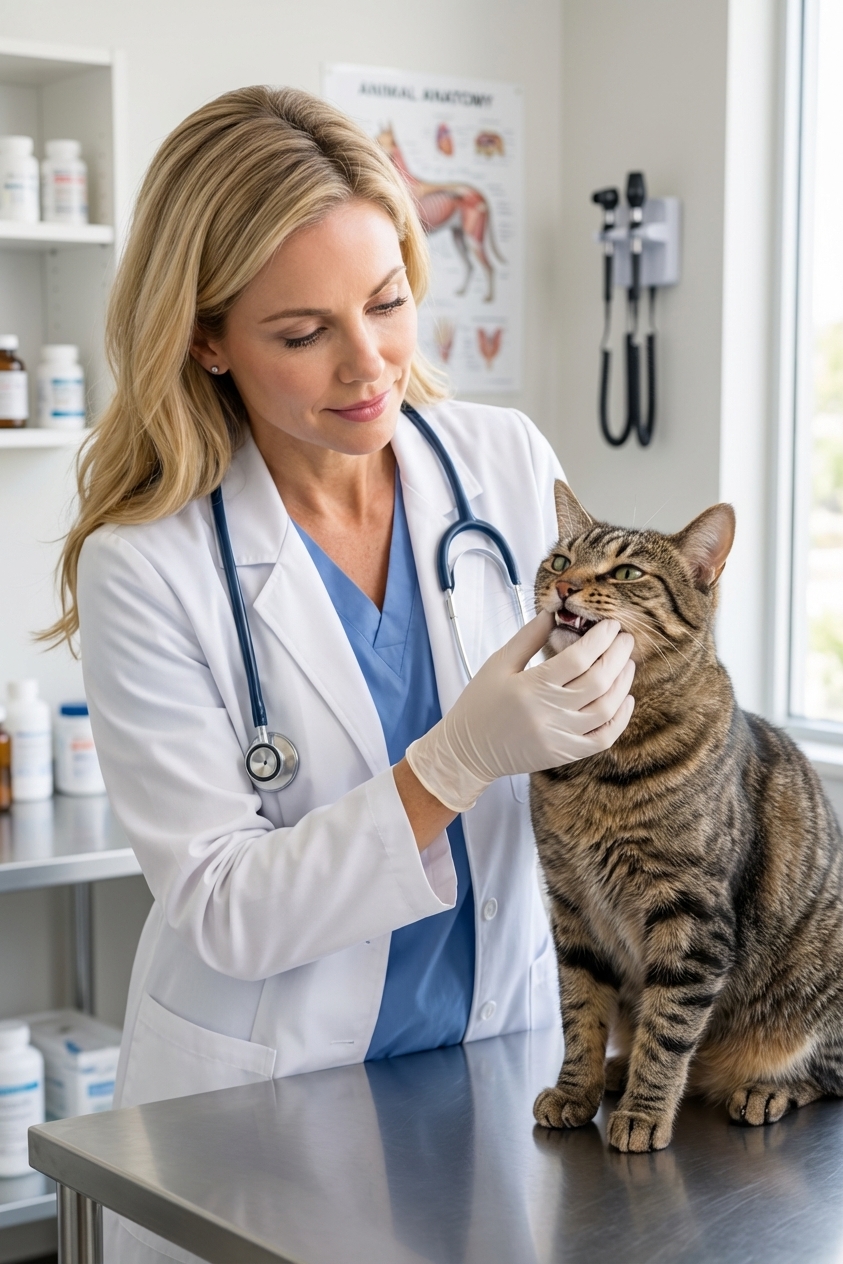
Also, do not be shy about asking for a quick mouth check at routine kitten vaccine visits. We look at mouths all the time, and catching a retained tooth early is much easier than fixing crowding later.
FAQ
Do kittens feel pain when they lose baby teeth?
They can feel soreness and pressure, similar to what human kids feel during teething. Many kittens act totally normal, while others chew more and get a little cranky for a few weeks.
Is it normal to find blood when a kitten is teething?
Small amounts can be normal. Ongoing bleeding, heavy bleeding, or bleeding paired with swelling or refusal to eat is not something to ignore.
My kitten is 5 months old and biting harder. Is that teething?
It very likely can be. The 4 to 6 month window is prime teething time, and tender gums can change bite pressure. Make sure your kitten has safe chew outlets and monitor for any signs of pain or infection.
What if I never see a baby tooth fall out?
That is extremely common. Many kittens swallow the teeth or the teeth fall out where you never spot them. Instead of looking for teeth on the floor, check your kitten’s mouth weekly for double teeth, gum swelling, or anything that looks stuck.
When in doubt, see your vet
Kittens grow fast, and dental changes happen quickly. If you suspect retained baby teeth, see two teeth where there should be one, or your kitten seems painful, it is worth a veterinary exam. Catching dental issues early can prevent lifelong tooth crowding and gum disease.
Most of the time, though, kitten teething is a short season. With the right chew options, a little patience, and an eye out for retained teeth, you and your kitten will be on the other side of it before you know it.